

Have you ever marveled at the striking difference between your tiny, bold Chihuahua and the majestic wolf? While these four-legged companions may seem worlds apart, they share a fascinating ancestry that reveals surprising DNA connections. Understanding whether Chihuahuas are related to wolves not only enriches your appreciation for this spirited breed but also sheds light on their unique behaviors and health needs. As a proud Chihuahua parent, you might wonder about the traits your little companion inherited from their wild ancestors. In this article, we’ll explore the intricate relationship between Chihuahuas and wolves, unraveling genetic insights and behavioral traits that highlight the rich tapestry of your dog’s lineage. Join us on this intriguing journey into the past, and discover how the courageous spirit of the wolf lives on in the hearts of our beloved Chihuahuas.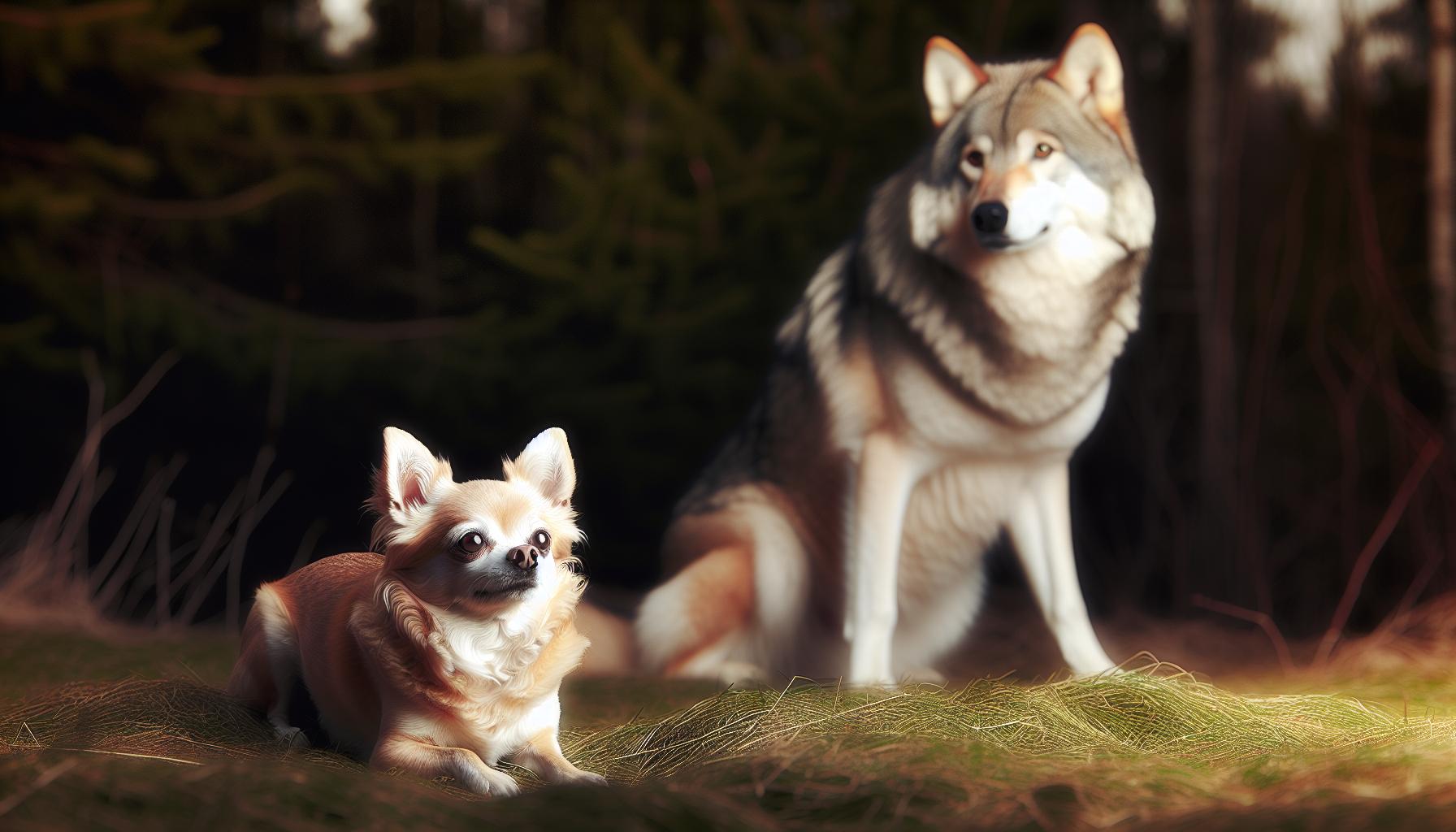
Are Chihuahuas Really Descendants of Wolves?
While the idea of Chihuahuas being direct descendants of wolves might capture the imagination, the reality is more complex. All domestic dogs, including our tiny companions like Chihuahuas, share a common ancestor with wolves, but the evolution of the two species has taken very different paths over thousands of years. Through selective breeding, humans have transformed these animals into the diverse companion breeds we see today. Chihuahuas, with their distinct features and spirited personalities, are the product of generations of breeding that emphasize their unique traits rather than any inherent wolf-like characteristics.
Chihuahuas are known for their loyalty, boldness, and sometimes vocal nature. These traits do echo some primal instincts found in their wild ancestors, such as alertness and a strong pack mentality. However, their physical characteristics-such as their small size, variety of coat types (like smooth and long-haired), and unique skull shapes (like the apple-head and deer-head types)-are far from anything one would associate with wolves. This divergence raises common questions: What genetic markers set Chihuahuas apart? How did they evolve to become such different companions? Utilizing DNA testing can provide answers, revealing insights about breed-specific health concerns and ancestry that can help inform owners about their pet’s unique needs.
When caring for a Chihuahua, understanding their lineage can enhance your relationship with them. For example, an appreciation for their courageous nature can help owners navigate social situations better. Chihuahuas may seem tiny, but they often act like they own the room. This boldness is reminiscent of their ancestors’ survival instincts. Remember, while they may not act like wolves, they carry within them the spirit of a survivor, imbuing them with personality traits that both charm and challenge their owners.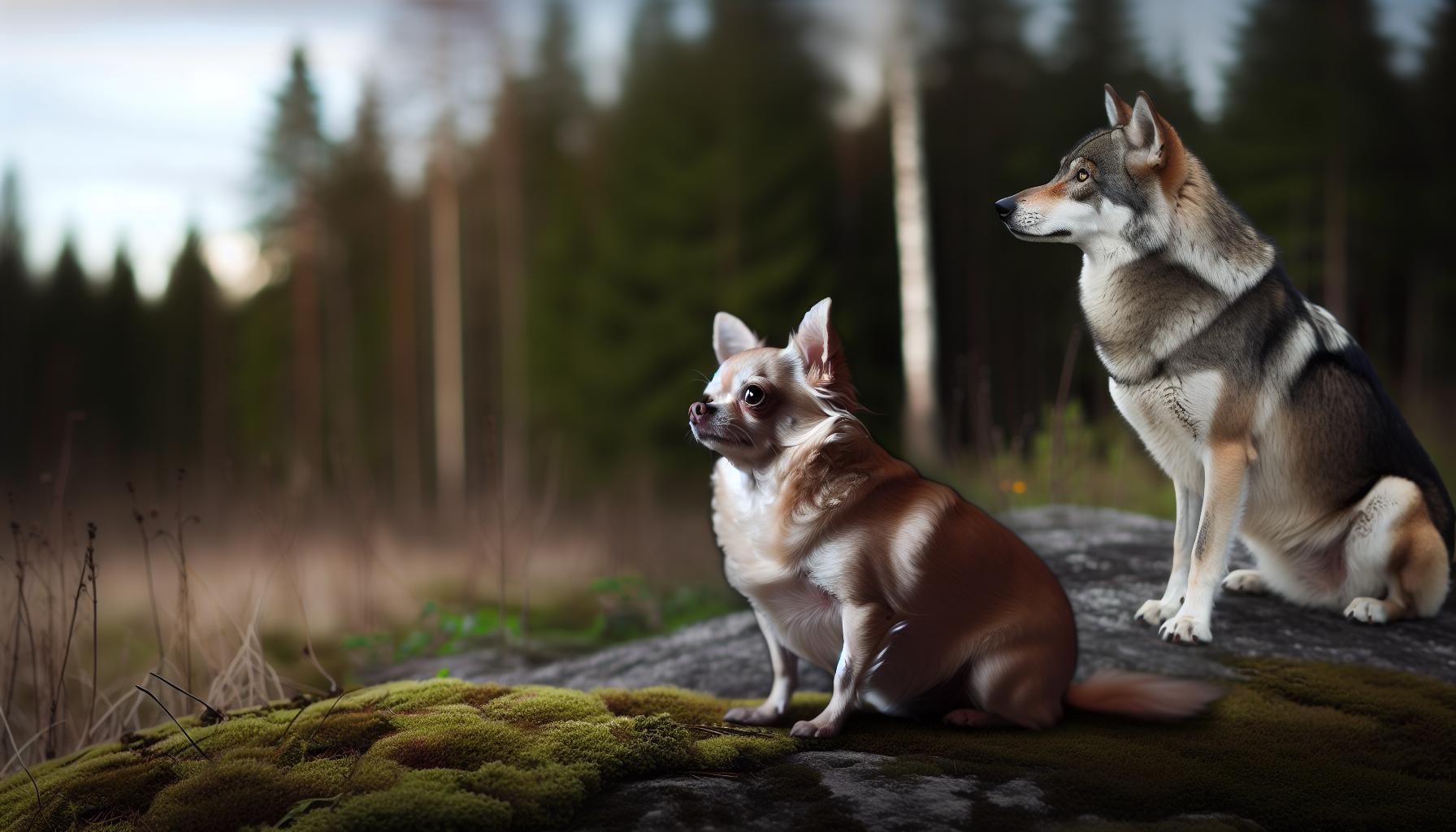
Understanding Dog Ancestry: A Focus on Chihuahuas
Understanding a Chihuahua’s ancestry can deepen your bond with your little companion and clarify some behavioral quirks. While it’s easy to romanticize the idea that Chihuahuas are descendants of wolves, the reality is much richer: all domestic dogs, including Chihuahuas, evolved from a common ancestor shared with wolves. This ancient lineage means that, while they may not have inherited the physical might or social structure of wolves, some primal instincts linger in their behavior.
Chihuahuas are distinct with their vibrant personalities, and their evolution has been shaped primarily by human intervention through selective breeding. This has not only led to the development of various coat types-like the smooth coat and long-haired varieties-but also to different head shapes, such as the beloved apple-head and deer-head Chihuahuas. Their diminutive size and confident demeanor can often surprise those unfamiliar with the breed. For first-time owners, it’s essential to recognize that this boldness is not just a charming trait; it’s a reflection of their history as independent little guardians, always alert to their surroundings.
Furthermore, understanding your Chihuahua’s ancestry provides insights into potential health concerns. Chihuahuas may be prone to certain genetic conditions, such as heart issues or patellar luxation. Keeping an eye on their health, along with regular vet check-ups, can help mitigate these risks. Engaging in DNA testing can reveal more about your dog’s specific ancestry and traits, allowing you to tailor your care approach. This is especially valuable for addressing any behavioral traits or health issues that arise as they age.
As you journey with your Chihuahua, embrace their quirks. Whether it’s their occasional bravado or their unyielding loyalty, these traits remind us of the valiant spirit they carry within. They may not look like wolves, but they surely embody the heart of a survivor, making them uniquely wonderful companions. By understanding their heritage, you can offer a richer, more supportive environment that acknowledges and nurtures their true nature.
Unraveling the Genetic Makeup of Chihuahuas
A fascinating aspect of owning a Chihuahua is understanding how this tiny creature relates to its wild ancestors. While it’s easy to picture your Chihuahua as a tiny wolf, the reality of their genetic makeup is much more nuanced. All domestic dogs, including our feisty Chihuahuas, descend from a common ancestor that lived approximately 15,000 to 40,000 years ago. This ancestral link lays the groundwork for understanding your Chihuahua’s behaviors and traits that echo their distant relatives.
The DNA of Chihuahuas reveals a tapestry of heritage influenced heavily by selective breeding. Over the years, breeders have focused on certain traits, leading to specific characteristics seen today, such as their size, coat types, and distinctive head shapes-like the charming apple-head and the slightly longer deer-head varieties. Their genetics not only dictate physical traits but can also influence their behavior. For instance, despite their small stature, Chihuahuas often display a boldness reminiscent of their larger ancestors. Their natural instinction to protect their territory can sometimes make them seem more like fierce little guardians than the tiny companions many people imagine.
When considering health, it’s essential to recognize how genetic predispositions can affect your Chihuahua. Due to their unique lineage, they can be susceptible to certain health issues, including dental problems, heart disease, and patellar luxation. Regular veterinary check-ups and a tailored diet can aid in mitigating these risks. Engaging in DNA testing can further illuminate your Chihuahua’s specific genetic makeup, providing valuable insights into potential health concerns and informing your approach to their care. You may discover ancestry details that influence not only their health but also their behavioral traits, enhancing your understanding of their quirks and helping you provide the best support possible.
Ultimately, each Chihuahua carries a unique story within their genes. Embrace this knowledge, and allow it to deepen your bond with your little companion. Understanding their ancestry can lead to a richer experience as a pet parent, celebrating both their individual quirks and shared history as descendants of ancient canines. Whether dealing with their spirited vocalizations or their unyielding loyalty, knowing where they come from can empower you to nurture their needs more effectively.
Chihuahua Traits: How they Compare to Wolves
Understanding how your spirited little Chihuahua connects to their wild ancestors reveals much about their unique traits. It’s fascinating to note that, despite their tiny size, Chihuahuas exhibit certain behaviors and characteristics reminiscent of wolves, their distant relatives. Both share a strong pack mentality, a trait essential for survival in the wild. While a Chihuahua may sit comfortably in your lap, her instincts to protect her territory, much like a wolf defending its den, are deeply ingrained.
Chihuahuas possess remarkable hearing and a keen sense of awareness, traits also found in wolves. These small companions often bark at the slightest noise, showcasing their vigilant nature. This instinctual behavior harks back to their ancestors’ need to alert the pack of potential threats. You might find your Chihuahua, with her bold and fiery spirit, willing to take on much larger dogs. This assertiveness stems from her wolf-like courage and loyalty.
In terms of physicality, Chihuahuas are far removed from the robust frame of a wolf, yet their distinctive features resonate with their lineage. The apple-head variety, known for its round head and large eyes, can be seen as an adaptation linked to selective breeding aimed at accentuating certain traits. Despite their diminutive build, they can exhibit a bold posture that echoes the stature of their wolf ancestors when faced with unfamiliar situations.
Taking a closer look at behavior, the loyalty and affection displayed by Chihuahuas are reminiscent of the familial bonds seen in wolf packs. They thrive in environments where they feel secure, similar to how wolves depend on their pack. As an owner, fostering this sense of security is crucial. Regular socialization, gentle training, and positive reinforcement can help your Chihuahua develop confidence and assure her that she is part of your pack. Understanding these behavioral traits will not only deepen the bond you share with your Chihuahua but can also enhance her well-being and happiness.
The Evolution of Domestic Dogs: A Genetic Overview
The journey of the Chihuahua from its wild ancestors to the beloved companion we know today is a captivating story of evolution, genetics, and human interaction. Emerging from a lineage that traces back to ancient wolf-like dogs, Chihuahuas exhibit a rich tapestry of inherited traits that contribute to their unique personalities and behaviors. Understanding this genetic backdrop not only enhances our appreciation of these spirited little dogs but also informs how we care for them today.
Chihuahuas share some genetic markers with wolves, but their evolutionary path has a distinct course shaped by domestication and selective breeding. Originally, small dogs were valued for their companionship and assistance, particularly in hunting and guarding smaller game. Over centuries, humans have emphasized specific traits through selective breeding, resulting in the Chihuahuas we adore. For instance, the apple-head varieties we often see today were specifically bred for their rounded heads and expressive faces, making them incredibly appealing to pet owners.
- Size and Structure: The compact size of Chihuahuas, with their tiny bodies and large, alert eyes, sets them apart from their wolf ancestors, who required a strong build for survival in the wild. This transformation reflects a shift in purpose-from survival skills to companionship.
- Behavioral Traits: Despite their size, Chihuahuas retain some ancestral instincts, such as strong territoriality and loyalty. These traits become particularly evident when they protect their home or family, often exemplifying a boldness that surprises larger breeds.
- Health Considerations: Genetic predispositions inherited from their ancestors can also impact health. Chihuahuas may be more prone to certain conditions such as patellar luxation or heart issues, making regular veterinary check-ups essential.
In today’s world, understanding the genetic evolution from wolves to Chihuahuas helps owners appreciate their small companions better. For instance, daily exercise is crucial for maintaining their mental and physical health, as these traits are remnants of their active, survival-oriented ancestors. Additionally, fostering strong socialization from an early age ensures a confident and well-adjusted pet, echoing the pack instincts that serve them well in their natural behaviors.
By recognizing and honoring this remarkable genetic lineage, Chihuahua owners can cultivate environments that nurture their beloved pets, allowing them to thrive as the spirited, loyal companions they truly are. Whether through engaging playtime, attentive training, or simply enjoying quiet lap time together, understanding their past enriches the bond we share with these extraordinary dogs.
Unique Behavior Traits of Chihuahuas: A Wolf Connection?
Chihuahuas are often seen as tiny companions, but their behavior reveals a connection to their larger, wilder ancestors. Despite their small size, these little dogs exhibit a wealth of traits inherited from their lineage that can surprise many owners. Understanding these unique behaviors not only deepens our appreciation for Chihuahuas but also enriches the experience of owning one.
One fascinating aspect of Chihuahua behavior is their strong territorial instinct. Much like wolves, who are protective of their pack and territory, Chihuahuas can be quite bold and vocal when defending their space. This characteristic often manifests as barking at strangers or other animals, which can make them excellent watchdogs. However, it’s important to strike a balance-training and socialization from an early age are crucial to prevent excessive barking, ensuring that your Chihuahua feels secure without becoming overly aggressive or anxious in new situations.
Chihuahuas also exhibit a deep sense of loyalty and affection towards their human families. This trait can be traced back to their ancestors who formed close bonds with humans for mutual support. Many owners report that their Chihuahuas will follow them around the house, eager to be involved in every activity. This need for companionship is beautiful but can lead to separation anxiety if not managed properly. Providing a cozy environment and gradually introducing alone time can help mitigate anxiety and build your Chihuahua’s confidence.
Equally noticeable is their playful spirit, which echoes the energetic behaviors of young wolves. Chihuahuas love to play, whether it’s engaging in a game of fetch or chasing after a toy. This playful behavior can be a great outlet for their energy and is essential for their physical and mental well-being. Regular, interactive playtime not only helps maintain their health but also enhances your bond, as they thrive on the attention and affection that comes with play.
Lastly, understanding the quirky traits that Chihuahuas display-such as their often dramatic expressions and vocalizations-can reflect their bold personalities and assertiveness, traits that echo their ancestors’ survival instincts. Whether they are strutting around with confidence or snuggling close for warmth, embracing these characteristics allows owners to appreciate their Chihuahua’s unique perspective on life. Each interaction enriches the relationship, showcasing that even the tiniest of dogs can carry the spirit of their wild predecessors.
Chihuahua Health: Insights from Their Ancestry
Chihuahuas, with their bold personalities and spirited nature, may seem worlds apart from their wild ancestors, the wolves. Yet, understanding the health of these pint-sized pups begins with acknowledging their lineage. Like their larger counterparts, Chihuahuas can be predisposed to certain health challenges, many of which can be traced back to their genetic heritage.
One of the most notable health concerns for Chihuahuas is patellar luxation, a common issue where the kneecap dislocates. This trait can be linked to their tiny size and delicate bone structure. To help manage this condition, maintaining a healthy weight is crucial. Extra pounds can exert pressure on their joints, exacerbating the problem. Regular check-ups with your veterinarian can ensure that any early signs of this issue are caught promptly, allowing for timely intervention.
Additionally, dental issues are prominent in Chihuahuas, often stemming from their small mouths, which can lead to overcrowding and inadequate dental spacing. Regular dental care-including brushing her teeth and providing dental chews-can significantly improve oral health and prevent further complications. Building a habit of dental hygiene early in her life can help her avoid painful dental issues down the line.
Chihuahuas are also prone to conditions linked with their heat sensitivity. Having evolved from creatures that could adapt to various environments, your Chihuahua may still struggle with temperature extremes, making them more susceptible to health risks related to overheating or extreme cold. Ensure she has a cozy, heated space in winter and avoid prolonged outdoor activities during hot weather. Regular hydration and access to shade can keep her safe during warmer months.
Finally, understanding their unique nutritional needs is essential. With roots tracing back to ancient cultures where they were valued companions, Chihuahuas require a balanced diet that reflects their active lifestyle. Smaller breed formulas are ideal, focusing on high-quality protein and essential nutrients. Always consult with your veterinarian about dietary options tailored to her age, weight, and health conditions.
By respecting the Chihuahua’s lineage and taking proactive steps in health management, you can help her thrive as a beloved member of your family. Celebrate her vibrant spirit, and remember that understanding her needs, both physical and emotional, will lead to a happier, healthier life together.
Common Misconceptions About Chihuahuas and Wolves
Despite their striking differences in appearance and personality, many people wonder about the relationship between Chihuahuas and their wild ancestors, wolves. A common misconception is that all dog breeds share a uniform level of genetic closeness to wolves, leading to the belief that traits like size or temperament are directly inherited. However, Chihuahuas, with their small stature and vibrant personalities, are far removed from the wild nature of their ancestors.
One of the most widespread myths is that all dogs, including Chihuahuas, behave similarly to wolves due to their shared ancestry. It’s crucial to understand that thousands of years of selective breeding have profoundly shaped the Chihuahua’s behavior and characteristics. While they may share some basic instincts, such as loyalty and pack mentality, Chihuahuas express these traits differently-often with a fierce independence that stands in stark contrast to the social structure of wolf packs. For example, while wolves might work collaboratively to hunt, many Chihuahuas prefer to bark and protect their territory, showcasing their unique personality.
Additionally, there’s a misconception that Chihuahuas inherit the physical prowess of their ancestors. Although they have instincts that can be traced back to wolves-like alertness and the drive to chase small animals-Chihuahuas lack the physical capabilities that come with a larger frame. Their size doesn’t equip them for survival as their wolf cousins, leading to health issues more common in small breeds, such as patellar luxation or dental problems. Understanding these differences helps owners appreciate the unique considerations needed for caring for Chihuahuas, such as their vulnerability to temperature extremes and their special dietary requirements.
Many owners are surprised to learn that Chihuahuas are not just miniaturized versions of wolves but a unique breed with distinct traits. While they may carry the legacy of their forebears, their spirited and sometimes stubborn disposition makes them a world apart from the powerful and coordinated packs of wolves. When celebrating your Chihuahua’s quirks-like their vocal attitude and unwavering loyalty-it’s essential to recognize that these characteristics are the product of a rich history that has shaped them into the extraordinary companions they are today.
How to Care for Your Chihuahua: Lessons from Their History
Despite their diminutive size, Chihuahuas hold a wealth of history that imparts vital lessons on how to care for them effectively. Understanding their ancestry sheds light on their unique needs and behaviors. While they may not resemble their wolf ancestors physically, certain instincts remain that are crucial for their well-being. As a Chihuahua owner, it’s essential to embrace their spirited nature and quirks while also being attuned to their particular health and environmental needs.
Chihuahuas thrive in a warm environment, reflecting their history as companions of humans in warmer climates. Their small size makes them especially vulnerable to cold, so it’s important to provide cozy bedding and clothing during chilly weather. Many Chihuahua owners, like Sarah from California, swear by soft sweaters for their little friends during winter walks. Remember, a happy Chihuahua is a warm Chihuahua!
Nutrition is another essential aspect shaped by their lineage. Historically, Chihuahuas had access to varied, natural diets. Modern pet owners can honor this by focusing on high-quality, grain-free kibble or wet food that suits their size and energy levels. Small portions work best, as Chihuahuas are prone to obesity. Owners often find success with measured feeding schedules rather than free feeding, which helps maintain a healthy weight and prevents health issues like patellar luxation, a common problem in this breed.
Behaviorally, Chihuahuas exhibit boldness and independence-traits that can be traced back to their forebears. While they are incredibly loyal, they may also display stubbornness, so patience during training is key. Positive reinforcement techniques resonate well with this breed. For instance, using treats to reward good behavior can turn training into a delightful bonding experience. Owners like John report that his Chihuahua, Bella, responds wonderfully to consistent training sessions filled with praise and treats.
Lastly, regular vet check-ups tailored to Chihuahuas’ specific health concerns are indispensable. Issues like dental health are prevalent, so incorporating dental chews or toys can help maintain their pearly whites. By adopting these care strategies inspired by their history and deep understanding of their nature, you can ensure that your Chihuahua leads a happy, healthy, and vibrant life, truly embracing the legacy of their unique lineage.
The Role of DNA Testing in Understanding Dog Breeds
Understanding the genetic makeup of our beloved Chihuahuas offers a remarkable glimpse into their history and traits, particularly regarding their connection to wolves. DNA testing has emerged as a powerful tool for dog owners and enthusiasts, providing insights not only into breed composition but also into health predispositions and behavioral traits. By examining the genetic code of Chihuahuas, we can uncover the many layers that define these tiny, spirited companions.
DNA tests can reveal fascinating insights about your Chihuahua’s ancestry. For instance, many DNA kits will identify the specific breeds that make up your dog’s lineage, including any wolf genetics that may be present. While Chihuahuas are heavily bred for their size and distinct features, a touch of wild ancestry can often be traced back, sparking discussions about their instincts and behaviors. This genetic knowledge empowers owners to better understand their pet’s tendencies; for instance, knowing that your Chihuahua may have a sprinkle of independence from wolf ancestry can explain some of that bold, sometimes stubborn personality.
Moreover, health-related insights are pivotal. Chihuahuas are prone to certain genetic health issues, such as patellar luxation, dental problems, and heart disease. Understanding these risks through DNA testing can help you take proactive measures in your Chihuahua’s care. For instance, you might adjust diets or exercise routines tailored to their genetic predispositions. Owners like Lisa have found that knowing her Chihuahua, Max, is predisposed to dental issues prompted her to incorporate more dental chews into his routine, resulting in healthier teeth and gums.
Another significant aspect of DNA testing is its role in dispelling misconceptions. Many first-time Chihuahua owners may worry that their pets’ vocal and assertive behaviors are mere quirks. However, understanding the instinctual roots of these traits can foster patience and appreciation. For example, if you learn that your Chihuahua has traits linking back to their wild ancestors, you might embrace that spirited barking as a natural alert system rather than a nuisance. This perspective shift enhances the bond you share with your dog and nurtures a more harmonious household.
In summary, diving into the world of DNA testing for Chihuahuas unveils a treasure trove of information that enriches your experience as a dog owner. From tracing lineage to informing health care, the insights gained can make a significant difference. Embrace this journey of discovery, and as you gather information about your Chihuahua’s ancestry, you’ll cultivate an even deeper understanding and appreciation for the little companion by your side.
Chihuahua Coat Types: Ancestry Reflected Through Fur
When you admire your Chihuahua’s coat, you’re not just appreciating a lovely feature; you’re witnessing a reflection of their ancestral roots. Chihuahuas exhibit a variety of coat types, which can trace back to their early lineage, potentially involving influences from creatures much larger and more wild-specifically, wolves. Understanding these coat types can help you appreciate how genetics shape not only appearance but also behavior and care needs.
Chihuahuas primarily come in two distinct coat varieties: long-haired and short-haired. The long-haired variety typically features a softer, more flowing fur, reminiscent of the fur of some northern dog breeds that are adapted to cooler climates. This could suggest an ancestral adaptation that is less pronounced but still echoes a historical lineage that once coexisted with more rugged terrains. On the other hand, the short-haired Chihuahua sports a sleek, shiny coat that requires less maintenance, making them a popular choice for busy owners. Each coat type carries with it distinct grooming needs, with long-haired Chihuahuas requiring more frequent brushing to prevent tangles and mats.
Genetic testing has provided deeper insights into why these coat variations exist. It reveals that beyond mere aesthetic differences, these coat types can be influenced by a blend of survival traits inherited from their ancestors. For instance, colors and patterns, ranging from fawn and black to spotted coats, can also indicate specific genetic combinations. Owners like Sarah have found that identifying her Chihuahua’s coat type has allowed her to tailor care routines effectively, ensuring her pup’s coat stays healthy and vibrant.
Caring for your Chihuahua’s coat is an essential responsibility, influenced by their ancestry. A shorter coat may require occasional brushing and a good bath, while a longer coat benefits from regular grooming to keep it free from tangles and ensure it shines. This ancestral connection underscores the importance of understanding not just the beauty of your Chihuahua but also the practicalities of their physical makeup. By fostering a keen awareness of coat types, you can enhance your Chihuahua’s well-being while celebrating their unique history interwoven with that of their wilder relatives.
Real Stories: Chihuahuas’ Bold Personalities and Loyal Spirits
Chihuahuas may be small in size, but their bold personalities and unwavering loyalty often remind us of their larger, wilder ancestors. Many Chihuahua owners have stories that reflect not just the breed’s charming quirks but also their captivating spirit. For instance, one owner recounts how her little apple-head Chihuahua named Bella bravely confronted a much larger dog at the park, barking and standing her ground as if she were a fierce protector. This fearless behavior showcases a trait that echoes the confidence and protective instincts found in dogs that once roamed with wolves.
With such a spirited nature, Chihuahuas can exhibit a range of personalities. Some are vocal and outgoing, eagerly greeting strangers, while others may be more reserved but deeply affectionate with their families. Take Max, for example-a long-haired Chihuahua who never misses a chance to snuggle up on his owner’s lap during movie night. This cozy bonding time highlights how deeply loyal Chihuahuas can be, often forming close, unbreakable connections with their human companions.
Understanding these bold traits can help new owners navigate the unique challenges that come with raising a Chihuahua. They may be small, but these dogs often believe they’re the biggest guardians in the room. Socialization and training from an early age can channel their spirited nature positively. Engaging them in playful activities and consistent obedience training fosters confidence while ensuring they feel secure in their environment.
Ultimately, the stories of Chihuahuas and their larger-than-life personalities remind us that loyalty and love often come in the smallest of packages. Their vibrant spirits-much like those of the wolves in their ancestry-connect us in a way that makes every interaction a joyful reminder of their rich heritage and enduring love. Whether it’s their playful antics or protective behaviors, Chihuahuas embody a history that’s as fascinating as it is heartwarming, making them truly special companions.
Q&A
Q: How closely related are Chihuahuas to wolves genetically?
A: Chihuahuas share a distant genetic link with wolves, as they are both part of the Canidae family. Modern domestic dogs, including Chihuahuas, have evolved from ancient wolf ancestors, but the connection is more about ancestry than direct relation. Their unique traits have been shaped by thousands of years of domestication.
Q: What makes Chihuahuas different from wolves in terms of behavior?
A: Chihuahuas exhibit behaviors distinct from wolves due to domestication, such as a strong attachment to their owners and playful, sometimes assertive, personalities. They tend to be more vocal and may display different social dynamics compared to the pack behaviors typically seen in wolves.
Q: Can Chihuahuas exhibit wolf-like traits?
A: Yes, some Chihuahuas may display wolf-like traits such as loyalty, protective instincts, and a strong sense of territory. However, these traits manifest differently and are often milder than those seen in wolves. Understanding breed behavior helps in effective training and socialization strategies.
Q: How does a Chihuahua’s ancestry affect its health?
A: The ancestry of Chihuahuas can influence their health traits. Genetic predispositions inherited from their forebears may lead to specific health issues, such as dental problems and patellar luxation. Regular vet check-ups are essential for early detection and prevention of health issues related to their lineage.
Q: Do Chihuahuas have any wolf ancestry in their DNA?
A: Although Chihuahuas show genetic markers indicating a common ancestry with wolves, modern DNA studies reveal that their genome has diverged considerably. This divergence has led to distinct physical and behavioral characteristics that differ significantly from their wild ancestors.
Q: Why do some people think Chihuahuas act like wolves?
A: The perception that Chihuahuas act like wolves stems from their strong instincts and behaviors, including protectiveness and territoriality. While they retain some ancestral traits, their behavior is largely shaped by their experiences as companion animals. Understanding these instincts can enhance dog-owner bonds.
Q: How can I learn more about my Chihuahua’s ancestry?
A: To explore your Chihuahua’s ancestry, consider DNA testing services tailored for dogs. These tests can provide insights into their genetic background and health traits, helping owners make informed decisions about their care. Many tests are available online and are easy to administer.
Q: Are there significant differences in genetics between toy breeds and larger dogs?
A: Yes, toy breeds like Chihuahuas exhibit different genetic traits compared to larger dogs, reflecting their unique evolution and purposes. This includes variations in size, behavior, and health concerns specific to the breed. Studying these differences can help owners better understand their pets’ needs and care requirements.
Closing Remarks
In exploring whether Chihuahuas are related to wolves, we’ve uncovered fascinating insights into their unique ancestry and DNA, showcasing their striking characteristics and behaviors. Understanding your Chihuahua’s background can empower you to care for them better, particularly regarding their health and personality quirks. Remember, these tiny, vocal companions are not just pets; they’re part of a rich lineage that deserves our respect and love.
If you’re eager to learn more about caring for your Chihuahua-like health tips, grooming practices, or understanding their bold nature-be sure to check out our articles on Chihuahua health essentials and training techniques. Don’t forget to subscribe to our newsletter for expert advice and updates tailored to Chihuahua lovers. Share your experiences in the comments below, and let’s celebrate the wonderful quirks that make Chihuahuas so special together!
Get our latest guides, news, and insights highlighted in your Google Search & AI Overviews.