
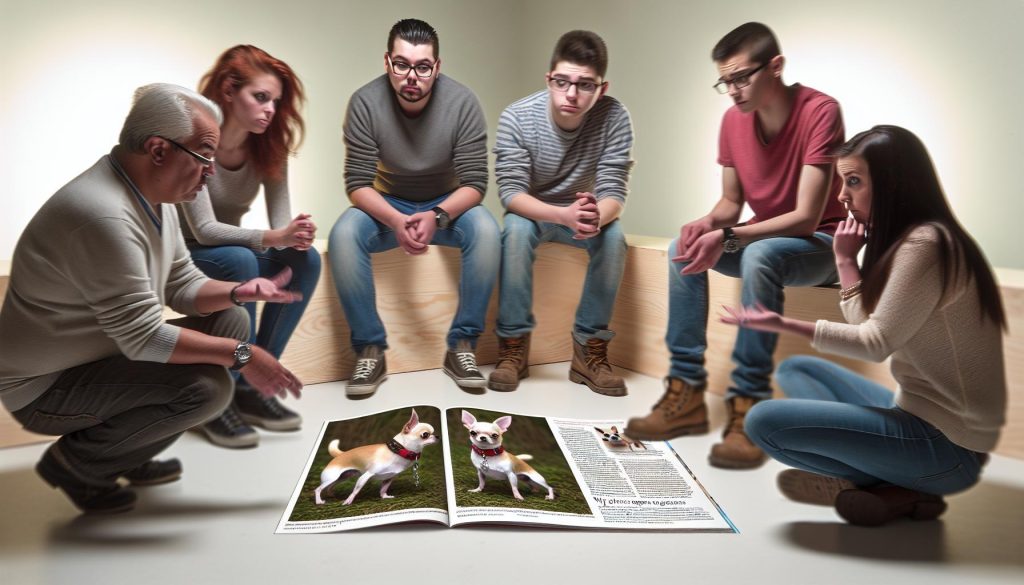
Have you ever wondered why Chihuahuas, despite their tiny size, can sometimes exhibit big, aggressive behaviors? Understanding the behavioral science behind this phenomenon is essential for any Chihuahua owner. These spirited little dogs, often characterized by their boldness and loyalty, can be perplexing companions. The truth is, aggression can stem from various factors, including fear, territorial instincts, and even their unique socialization needs. By exploring the reasons behind their behavior, you can foster a more harmonious relationship with your furry friend. In this article, we’ll delve into the science of Chihuahua behavior, helping you understand your dog better and providing practical tips to navigate challenges with confidence. Let’s unlock the secrets to a happy and balanced life with your feisty companion!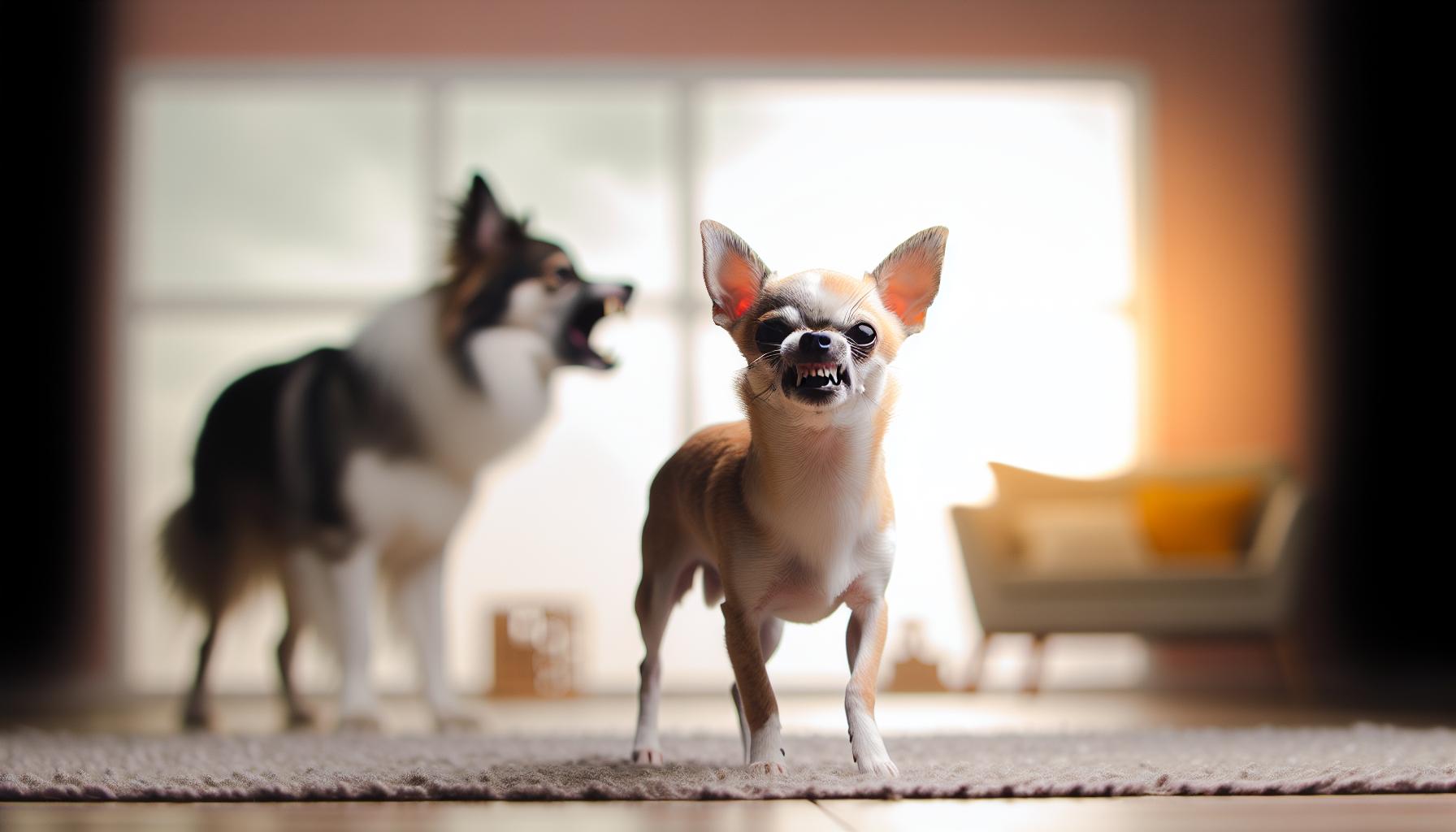
Understanding Chihuahua Aggression: What’s Behind It?
Understanding why Chihuahuas can display aggressive behaviors begins with recognizing their unique personality traits and the influences that shape their temperament. These little dogs, often perceived as feisty or bold, harness a level of loyalty and protectiveness that can sometimes manifest as aggression, especially when they feel threatened. Chihuahuas, although small, have a big attitude, which can lead them to bark or act defensively in response to perceived danger. This instinctual behavior can be traced back to their history as watchdogs intended to alert owners to intruders or unfamiliar situations.
Chihuahuas often exhibit aggressive behaviors due to fear, territorial issues, or a lack of socialization. A scared Chihuahua may bark, growl, or lunge simply because it feels cornered or anxious. Territoriality is a common trait, where your Chihuahua may see guests or other animals as intruders. Without adequate exposure to various environments, people, and other pets, your Chihuahua may not develop the crucial social skills needed to remain calm and composed in new situations.
To help your Chihuahua manage these aggressive tendencies, it’s essential to foster a sense of security and gradually introduce them to the world around them. Begin exploring socialization techniques, such as rewarding positive interactions with treats and praise to build confidence. Enlisting the help of a professional trainer familiar with small breeds can also be a fantastic way to address behavioral issues. These steps not only enhance your canine companion’s comfort in different environments but also smooth out their boisterous personality, allowing their playful nature to shine through without aggression.
In creating an enriching environment for your Chihuahua, remember that patience and understanding are key. Each interaction is a learning opportunity. Celebrate their unique quirks while working towards a more balanced temperament, making sure to consistently employ positive reinforcement techniques. In the end, you are nurturing not just your pup’s behavior but also a stronger bond built on trust and understanding.
Common Myths About Chihuahuas and Their Behavior
Chihuahuas are often the subject of numerous myths that can mislead both current and prospective dog owners. One prevalent belief is that all Chihuahuas are inherently aggressive. This stereotype stems from their bold personalities; however, labeling all Chihuahuas as aggressive ignores the crucial role of socialization, training, and environment in shaping their behavior. Just like larger breeds, Chihuahuas can display a wide spectrum of temperaments-many are affectionate, playful, and great companions. Understanding this variation can help dispel the myth that aggression is an unavoidable trait.
Another common misconception is that Chihuahuas are “yappy” and cannot be trained to control their barking. While it’s true that they tend to be vocal, excessive barking often results from fear or insufficient training rather than an ingrained tendency. With consistent training and reinforcement techniques, you can teach your Chihuahua when barking is appropriate. For instance, one Chihuahua owner implemented a command to quiet their dog during unnecessary barking, allowing them to communicate effectively without being disruptive.
It’s also a myth that small size means they require less care or training than larger dogs. In reality, Chihuahuas have their own unique set of needs, including appropriate socialization, exercise, and mental stimulation. Many owners mistakenly believe that small dogs can be left unsupervised more often than their larger counterparts, leading to behavioral issues stemming from loneliness or boredom. Ensuring your Chihuahua engages in regular activities not only supports their physical health but also keeps them mentally stimulated, reducing unwanted behaviors.
Finally, there’s the belief that Chihuahuas are best suited for a quiet, calm household. While a peaceful environment can help any dog, Chihuahuas thrive in settings where they are included in family activities. Their loyalty and desire for companionship mean that they flourish when they feel like they are part of the family dynamic. Encouraging your Chihuahua to mingle and participate can significantly improve their confidence and reduce anxiety-driven behaviors. By focusing on their individual personality and nurturing them through proper training and socialization, you create a happier, more balanced Chihuahua.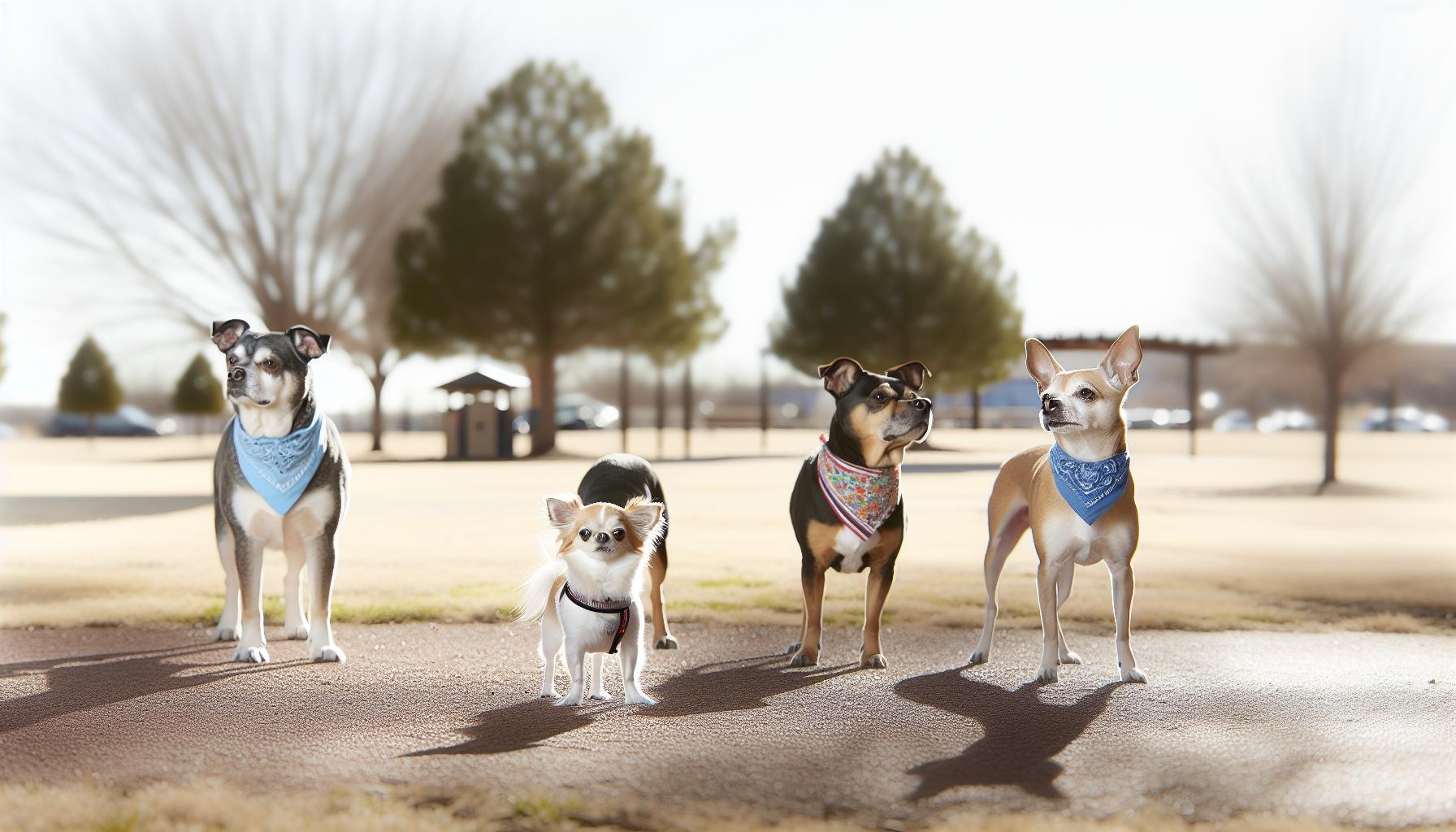
The Role of Genetics in Chihuahua Temperament
Genetics play a crucial role in shaping the temperament of Chihuahuas and can significantly influence their behavior. Just as in humans, the inherited traits from a Chihuahua’s parents contribute to the personality and attitude they exhibit throughout their lives. While some Chihuahuas may have a naturally bold and spirited personality, others may be more reserved or anxious. Understanding these genetic predispositions can help owners foster an environment that respects and nurtures their dog’s unique character.
Research suggests that aggression in Chihuahuas, while not a definitive trait, can be traced back to their lineage. Breeding practices often favor dogs that showcase certain characteristics, including protective instincts or heightened alertness, which can manifest as aggressive behavior. For instance, a Chihuahua from a lineage known for being particularly vocal may inherit a propensity to bark at strangers, which, if not managed properly, could escalate to aggressive posturing. Furthermore, certain physical traits, such as size and head shape (think apple-head versus deer-head), can also influence temperament. Many owners of apple-head Chihuahuas report that they tend to be more affectionate and playful, while deer-head varieties may exhibit a more laid-back attitude.
It’s essential for any owner to actively consider these genetic factors when socializing and training their Chihuahua. Identifying specific traits and temperaments can guide training methods or social interactions. For example, if your dog comes from a line known for nervousness or defensiveness, consistent exposure to new environments and people can help counteract these tendencies and build confidence. Always remember, though, while genetics lay the groundwork, the environment, socialization, and training will define your Chihuahua’s character and how they express themselves as they grow.
Engaging with your Chihuahua’s unique traits means embracing their quirks while also setting the stage for better behavior. Spend time observing your Chihuahua in different situations, and don’t hesitate to consult with veterinarians or behaviorists if you notice patterns of aggression or anxiety. With a loving approach, patience, and an understanding of genetics, you can nurture a well-adjusted Chihuahua who thrives in your home.
Socialization Tips for Your Chihuahua: Building Confidence
To help your Chihuahua flourish, building their confidence through proper socialization is essential. This tiny breed, with its bold personality, can sometimes mask insecurities with aggressive behavior, often stemming from fearful or anxious states. Implementing effective socialization strategies can empower your furry friend, turning potential aggressiveness into confidence and sociability.
Start early: exposing your Chihuahua to various environments and situations is vital. Introduce her to new people, other pets, and different settings, such as parks, pet stores, and busy streets. This variety helps her learn that the world is a friendly place. For instance, a Chihuahua named Bella was initially fearful of larger dogs. Through gradual and controlled introductions, she learned to approach and play with them confidently.
Utilizing positive reinforcement is key. Reward your Chihuahua with treats, praise, or playtime whenever she displays calm behavior in new situations. This not only encourages her to repeat those behaviors but also helps her associate unfamiliar experiences with positive outcomes. Consider short sessions in controlled environments, where you can slowly increase the level of distractions as your dog becomes more comfortable. If you’re using a leash, ensure that it remains loose; tension can trigger anxiety and promote defensive behaviors.
Additionally, socialization classes can be incredibly beneficial. Engaging with a professional trainer provides structured opportunities for learning. In a group setting, your Chihuahua can meet other dogs in a controlled manner under supervision, allowing her to observe and interact at her own pace. Remember, every dog is unique; some may thrive in bustling environments, while others may prefer quieter gatherings. Tailoring socialization to her personality and comfort level is crucial for success.
Ultimately, patience and consistency are your greatest allies. By prioritizing socialization, you’re not only nurturing a confident companion but also reducing potential aggression stemming from fear. With love and dedication, you’ll see her evolve into a poised, well-adjusted Chihuahua who is ready to embrace life’s adventures alongside you.
How Environment Affects Your Chihuahua’s Aggressiveness
The environment in which your Chihuahua lives plays a pivotal role in shaping her behavior, including any tendencies toward aggression. Unlike many larger breeds, Chihuahuas often feel their size disadvantage acutely, driving them to assert dominance in ways that might seem aggressive to others. This natural instinct can be exacerbated by environmental factors that trigger anxiety, fear, or insecurity. Understanding these dynamics can help you create a more balanced and peaceful home life for your tiny companion.
One major aspect of environment is the social context. If your Chihuahua feels overrun by noise, chaotic activity, or unfamiliar beings-whether human or animal-she may adopt aggressive reactions as a defense mechanism. For example, imagine a cheerful Chihuahua named Coco who becomes anxious during family gatherings. The loud voices and quick movements of children may frighten her, leading to barking or snapping. To mitigate this, consider establishing a quiet, safe space for her during these events, perhaps with her bed, toys, and a blanket. This sanctuary allows her to retreat and feel secure, lowering her stress levels and potentially reducing aggressive outbursts.
Another crucial element to consider is your home environment. Is it predominantly calm, or do disruptions frequently occur? A stable, calm home provides a loving backdrop, reinforcing your Chihuahua’s confidence. Conversely, a home filled with tension or unpredictability can increase her anxiety, fueling aggressive behaviors. Make a conscious effort to maintain a peaceful atmosphere. Creating routines can provide predictability-like designated play times and quiet hours-which can significantly improve her sense of security.
Additionally, the presence of other animals can have varying effects on your Chihuahua’s behavior. A Chihuahua like Max, who has previously had negative experiences with large dogs, may become hostile if confronted in environments where she feels trapped or threatened. Controlled introductions and managed social settings can teach her that not all interactions need to lead to fear or aggression. Encourage positive encounters with other dogs by starting in neutral locations and gradually allowing her to explore these new friendships at her own pace.
In summary, the relationship between environment and your Chihuahua’s behavior is multifaceted. By fostering a stable and secure home along with controlled social interactions, you can significantly reduce her aggression tendencies. Tailoring the surroundings to her personality and comfort level is essential for helping her thrive in a world that often seems overwhelming. Through patience and a proactive approach, you’ll encourage her to be the happy, confident little companion she was meant to be.
Recognizing Aggressive Behaviors in Chihuahuas
Understanding the nuances of your Chihuahua’s behavior is crucial, especially when it comes to recognizing signs of aggression. These little dogs, known for their bold personalities, can sometimes project more intensity than their size would suggest. It’s essential to learn to identify aggressive behaviors early on to address them positively and effectively, ensuring a harmonious environment for both you and your companion.
Chihuahuas may display aggression in several forms, often as a reaction to fear, anxiety, or perceived threats. Common signs include:
- Barking: Loud, persistent barking can signal discomfort or a desire to assert control over a situation.
This is a more direct expression of discomfort. If your Chihuahua feels cornered or frightened, you may hear a growl or see a quick snap of the jaws. - Body Language: Pay attention to her posture. A dog showing aggression may have raised hackles, a stiff body, and a fixed gaze on the object of concern. Conversely, a relaxed Chihuahua often has a wagging tail and loose body movements.
- Nipping: Some Chihuahuas resort to nipping as a warning, particularly if they feel threatened or protective over their territory or owner.
Consider the example of Bella, a feisty apple-headed Chihuahua. During a walk, she encountered a large dog that approached too swiftly for her comfort. Bella responded by barking frantically, followed by an aggressive stance with ears perked and hackles raised. Recognizing these signs allowed her owner to safely redirect her away from the situation and prevent escalation.
Recognizing these behaviors enables you to understand your Chihuahua better and address her needs before they escalate into more significant issues. If you notice signs of aggression, it’s vital to evaluate the context: Is your Chihuahua in a new or stressful environment? Is she feeling protective over her space? Being aware of what triggers her response can guide you in mitigating stressors and fostering a more secure environment.
Creating peaceful situations often involves positive socialization experiences. Introduce your Chihuahua to new people and pets gradually, allowing her to explore at her own pace. Also, keep an eye on how she reacts during these introductions. By being observant and proactive, you can cultivate a safe and enjoyable world for your little companion, turning potential aggression into confident companionship.
Managing and Redirecting Aggressive Behavior in Chihuahuas
Managing aggressive behavior in Chihuahuas can be a daunting task, but with patience and appropriate techniques, you can transform your little companion into a more balanced and confident dog. Chihuahuas often display aggression not out of inherent malice but as a reaction to fear, anxiety, or the need to defend themselves or their territory. Understanding this motivation is key to effectively redirecting their behavior.
One effective strategy involves redirection. When you notice signs of aggression-such as barking or growling-try to divert your Chihuahua’s attention to a toy or engage him in a game that he enjoys. For example, if your feisty apple-head Chihuahua starts barking at a stranger, you might toss a squeaky toy to the side, encouraging him to play instead. This not only distracts him but also helps build positive associations with new experiences.
Another important aspect is calm assertiveness on the owner’s part. Your Chihuahua can sense your emotions, and if you’re anxious or agitated, it may intensify his own feelings of insecurity. Staying calm and composed in stressful situations can help reassure your dog. For instance, during a walk, if another dog approaches and your Chihuahua begins to react, speaking to him in a soft, soothing voice while gently guiding him away can reinforce a sense of safety.
Positive reinforcement is crucial. Whenever your Chihuahua responds well-whether it’s remaining calm when encountering other animals or people-reward him with treats or praise. This helps him learn that calm behavior brings good things, while aggressive reactions do not. A consistent training routine focusing on commands like “sit” or “leave it” can help provide your Chihuahua with tools to manage his impulses better in challenging situations.
Lastly, socialization plays a critical role in managing aggression. Gradually introducing your Chihuahua to new environments, people, and other pets can diminish fear-based responses. Organizing controlled playdates with well-behaved dogs can help him learn positive interactions. Remember, the goal is to foster a trusting relationship with your Chihuahua where he feels secure in his surroundings.
Training Techniques to Calm Your Chihuahua
Understanding how to effectively train your Chihuahua can transform an aggressive little dynamo into a serene companion. Chihuahuas, with their tiny stature and larger-than-life personalities, often react defensively due to their instinctual traits. They may see themselves as the protectors of their space, which can lead to aggressive behaviors when they feel threatened. However, with the right training techniques, you can encourage calmness and confidence in your little dog.
One of the most effective methods to calm your Chihuahua is through positive reinforcement. This involves rewarding good behavior, which reinforces a positive experience in your dog. Every time your Chihuahua reacts calmly in a situation that previously caused aggression, offer a treat or praise. This could be as simple as remaining composed when encountering another dog or when a stranger approaches. Not only does this teach your Chihuahua that calmness is desirable, but it also fosters a stronger bond between you two. Consider using small, high-value treats that your Chihuahua loves to ensure his motivation remains strong.
Socialization is another critical component in training. Chihuahuas, particularly apple-head types, can be wary of new experiences-be it people, places, or other pets. Gradually exposing your Chihuahua to a variety of sounds, sights, and social settings from a young age can help mitigate anxiety and aggressive responses later in life. Start small: take him on short walks in different environments or arrange meet-and-greets with friendly, well-behaved dogs. Always monitor his body language. If he seems overwhelmed, it’s important to step back and allow him to observe from a distance until he is ready to engage more fully.
Incorporating training games into your routine can also have a calming effect. Chihuahuas love interactive play, which can not only serve as a distraction during times of stress, but also burn off excess energy that might otherwise lead to aggression. Games like fetch or hide-and-seek can be beneficial. Additionally, teaching commands such as “sit” or “stay” can provide your Chihuahua with the tools to manage his excitement and impulses. Practice these commands during calm moments and gradually increase distractions in the environment as he becomes more proficient.
Lastly, maintaining a routine filled with structure and predictability is essential. Chihuahuas thrive when they know what to expect from their daily lives, which can reduce anxiety and subsequently minimize aggressive behavior. Set a consistent schedule for feeding, bathroom breaks, and playtime to help your little buddy feel secure in his environment. When he knows the day will unfold in a familiar way, he’s less likely to respond perturbedly when faced with new stimuli.
By nurturing your Chihuahua’s confidence through these techniques, the path to reducing aggression becomes clearer. Each small success in training helps pave the way for a more balanced and joyful relationship with your distinctively bold little companion. Always remember that patience is key-training is a journey, and each dog is unique in their response to the process.
The Importance of Positive Reinforcement Training
Chihuahuas, with their bold personalities packed into tiny frames, often exhibit behavior that can be misinterpreted as aggression. Understanding is crucial for shaping these little dynamos into charming companions rather than anxious defenders. Positive reinforcement is not just about rewarding your Chihuahua; it’s about building a stronger bond based on trust and understanding.
When you implement a training method that focuses on rewarding desired behaviors, you effectively teach your Chihuahua what is expected of him without resorting to negative tactics. For instance, if your Chihuahua barks when someone approaches the house, by offering a treat when he is quiet, you’re reinforcing the calm behavior. Consistently rewarding this behavior will help him learn over time that silence brings rewards, while barking does not garner the same reaction. Make sure to use treats that he finds irresistible-think small, tasty morsels that will grab his attention immediately.
Socialization plays a vital role in utilizing positive reinforcement as well. Small dogs like Chihuahuas can be particularly sensitive to unfamiliar situations, which might trigger aggressive outbursts. To counteract this, introduce him to new environments gradually, using treats and praise to reinforce calm interactions. For example, if going for a walk, bring high-value treats and reward him for remaining calm when encountering other dogs or strangers. Each positive experience helps him understand that the world isn’t as frightening as it may seem.
Incorporating training games can enhance the positive reinforcement experience. Chihuahuas love to engage mentally-games like hide-and-seek or simple commands can stimulate their minds while rewarding them simultaneously. This not only reduces their focus on potential triggers that lead to aggressive behavior but also helps burn off excess energy. Remember, patience is essential. Celebrate the small wins, like responding to a command during training sessions, and keep reinforcing that good behavior with love and praise.
By focusing on positive reinforcement, you create a nurturing environment where your Chihuahua can bloom. This approach empowers him with the confidence to explore his world without resorting to defensive behaviors. Celebrating their quirks and unique personalities will only deepen your bond, transforming potential aggression into joyful companionship.
Health Issues That Can Influence Aggression in Chihuahuas
Chihuahuas are spirited little companions known for their feisty personalities, but it’s essential to recognize that underlying health issues can sometimes influence their behavior, including aggression. Problems such as pain or discomfort can lead to a Chihuahua acting defensively or erratically. This is especially true for small breeds, whose compact size can predispose them to a range of health conditions.
Pain is a major trigger for aggressive behavior. If your Chihuahua is feeling discomfort due to dental issues, arthritis, or injury, he may react by snapping or growling. Regular veterinary check-ups are crucial. Pay attention to changes in behavior, and don’t hesitate to consult a veterinarian if you notice signs of pain or distress. For instance, a Chihuahua with a dental infection might react aggressively when touched near the mouth because it hurts. Keeping their teeth clean and scheduling routine dental check-ups can prevent these situations.
Moreover, hormonal imbalances can also impact behavior. This is particularly relevant in unspayed females and unneutered males, who might show increased aggression during mating seasons or due to territorial instincts. If you’re dealing with an aggressive Chihuahua who hasn’t been spayed or neutered, consider discussing this with your vet. Spaying or neutering can often help mitigate some aggressive tendencies, leading to a calmer and more sociable companion.
In addition to physical health, it’s vital to consider mental and emotional health. Stress and anxiety can manifest as aggression, so ensure your Chihuahua has a stable environment. Sudden changes in the household-like a new pet or moving homes-can be stressful for small dogs. Creating a safe space with familiar toys and regular routines can help reduce stress. Owners have reported significant improvements in their Chihuahuas’ behavior with consistent training and a calm environment. By addressing both physical and emotional health, you lay the groundwork for a happy, well-adjusted Chihuahua who can thrive in his home.
Understanding the Unique Personality of Chihuahuas
Chihuahuas are renowned for their spirited and bold personalities, often surprising first-time owners with their fierce devotion and protective instincts despite their tiny size. These small dogs, typically weighing between 2 to 6 pounds, possess a personality that’s as large as they are small. Understanding this unique character is crucial in addressing behaviors like aggression, which may stem from how they perceive their world.
One captivating aspect of Chihuahuas is their fierce loyalty. They often bond closely with their owners, making them vigilant companions. This loyalty can sometimes translate into territorial behavior, where your Chihuahua may growl or bark at unfamiliar people or animals. This protective instinct can be amplified in times of stress or change, particularly in an environment where they feel threatened. For example, a Chihuahua may react aggressively towards a new visitor simply because he feels the need to safeguard his beloved owner. Ensuring that your Chihuahua feels secure in his surroundings can help mitigate these instinctive reactions.
Moreover, Chihuahuas are notorious for their vocal tendencies. They are often ‘little big dogs’ in the sense that they aren’t afraid to express their feelings loudly. This vocalization can sometimes be mistaken for aggression, but it’s often a form of communication or a way to show excitement. Recognizing the context of these barks-whether it’s out of excitement, fear, or play-can assist you in managing their behavior. Engaging your Chihuahua in regular social interactions and exposing him to various environments can help him learn appropriate vocal responses and ease anxiety during new encounters.
To nurture a well-adjusted Chihuahua, you should embrace their quirks rather than suppress them. Regular socialization is vital; expose your Chihuahua to different people, pets, and environments at a young age to foster confidence and reduce fear-based aggression. Remember, training should always be a positive experience. Using treats and praise helps establish a trusting relationship, and can reinforce desired behaviors. Many experienced Chihuahua owners report remarkable transformations in their pets through consistent, positive reinforcement strategies that celebrate their unique personality traits.
In conclusion, the key to understanding your Chihuahua lies in appreciating their vibrant character and intricate emotions. By addressing their needs with empathy and patience, you create a nurturing space that encourages stability and bonds, ultimately leading to a well-balanced and affectionate companion.
Real Owner Experiences: Dealing with Aggression
Many Chihuahua owners have their own stories to share about managing their little companions’ bold behaviors, especially when it comes to aggression. While these spirited dogs are known for their loyalty and affection, they can also show surprisingly fierce territorial instincts. For instance, one owner recounted how her apple-head Chihuahua, Bella, would bark uncontrollably whenever someone knocked on the door. Initially, Bella just wanted to alert her owner, but her anxiety turned into aggressive barking whenever strangers were nearby. This experience highlights the importance of understanding the root cause of aggressive behaviors, which often stem from fear or possessiveness.
To address aggression effectively, owners can draw from real-life experiences. Socialization is key. Another Chihuahua parent, Tom, shared how introducing his pup, Max, to new environments gradually helped reduce his aggressive reactions. By taking Max to puppy classes and allowing him to interact with other dogs and people, Tom built Max’s confidence and reduced the fear that often triggered aggressive responses. Establishing a routine involving varied social interactions can help your Chihuahua distinguish between friend and foe, making them less vigilant about protecting their territory unnecessarily.
Training techniques are also invaluable in managing aggression. Lisa, a devoted Chihuahua owner, swears by positive reinforcement training. When her Chihuahua, Coco, growled at another dog, she would redirect Coco’s attention with treats and praise. This method not only distracted Coco but also reinforced calm behavior in previously stressful situations. The goal is to positively associate new experiences with rewards, transforming fear or anxiety into curiosity and excitement. Consistency in these training methods is crucial; it builds a strong bond and a sense of security for your furry friend.
It’s not uncommon for health issues to influence behavior as well, so consulting with a vet about any sudden changes in aggression can be a smart move. For example, one pet owner discovered that her typically sweet Chihuahua, Churro, was acting aggressively due to dental pain. Once treated, Churro’s aggression subsided, illustrating how underlying health problems can exacerbate behavioral issues.
Lastly, patience and understanding from owners are essential. Recognizing and accepting the quirks of these little dogs-whether it’s their habit of barking or their spirited playfulness-creates a nurturing environment that helps Chihuahuas thrive. Each experience shared by owners adds to a valuable pool of knowledge, ultimately fostering a community of support where both the remarkable personality of Chihuahuas and the challenges of ownership are celebrated.
Q&A
Q: Why do Chihuahuas display aggressive behavior?
A: Chihuahuas may show aggressive behavior due to fear, territorial instincts, or a lack of socialization. Understanding the motivation behind their actions can help owners address these behaviors positively. Refer to the section on *How Environment Affects Your Chihuahua’s Aggressiveness* for more insights.
Q: How can I identify if my Chihuahua is aggressive?
A: Signs of aggression in Chihuahuas include growling, barking intensely, snapping, or raising their hackles. Early recognition is crucial for managing such behavior. Check the *Recognizing Aggressive Behaviors in Chihuahuas* section for detailed descriptions.
Q: When should I seek professional help for my aggressive Chihuahua?
A: If your Chihuahua’s aggressive behavior escalates to biting or poses a risk to others, it’s time to consult a professional dog trainer or behaviorist. Early intervention can prevent further issues and enhance your dog’s well-being.
Q: What role does socialization play in reducing aggression in Chihuahuas?
A: *Socialization is vital* for Chihuahuas, as it helps them feel secure and less anxious in various situations. Regular exposure to different environments, people, and other animals can significantly reduce fear-based aggression. Explore our *Socialization Tips for Your Chihuahua* for practical advice.
Q: Are Chihuahuas more likely to be aggressive than other breeds?
A: While Chihuahuas can exhibit aggressive tendencies, this behavior is not exclusive to the breed. Factors such as genetics, socialization, and environment play significant roles in their temperament. Understanding these factors can help in managing behavior effectively.
Q: How can I train my Chihuahua to overcome aggressive behavior?
A: Positive reinforcement training is the most effective method for addressing aggression. Reward your Chihuahua for calm behavior and progressively expose them to triggers in a controlled environment. Refer to the *Training Techniques to Calm Your Chihuahua* section for step-by-step guidance.
Q: What health issues can affect Chihuahua aggression?
A: Health conditions such as pain, hormonal imbalances, or neurological disorders can contribute to aggressive behavior in Chihuahuas. It’s essential to rule out medical issues by consulting a veterinarian if aggression persists. Check the *Health Issues That Can Influence Aggression in Chihuahuas* for further information.
Q: Why do Chihuahuas often exhibit ‘small dog syndrome’?
A: *Small dog syndrome* often arises when owners unintentionally encourage dominant behavior in their Chihuahuas. Training and consistent boundaries are essential to prevent behavioral issues associated with this syndrome. Understanding the *Unique Personality of Chihuahuas* can help owners mitigate this behavior.
To Wrap It Up
Understanding why Chihuahuas may exhibit aggressive behavior is crucial for any owner aiming to nurture a happy and healthy relationship with their tiny companion. Remember, factors like socialization, health, and environment significantly impact their temperament. If you’re interested in learning more about effective training techniques, check out our posts on “Positive Reinforcement Strategies” and “Socialization Tips for Small Breeds.”
Don’t hesitate to share your experiences or questions in the comments below – every story adds to our community’s richness! If you’d like more insights tailored to your Chihuahua’s specific needs, sign up for our newsletter to receive expert tips straight to your inbox. As you continue on this journey, embrace your Chihuahua’s uniqueness, whether it’s their bold personality or adorable quirks. Together, let’s create an environment that fosters love and understanding for our brave little friends!
Get our latest guides, news, and insights highlighted in your Google Search & AI Overviews.