
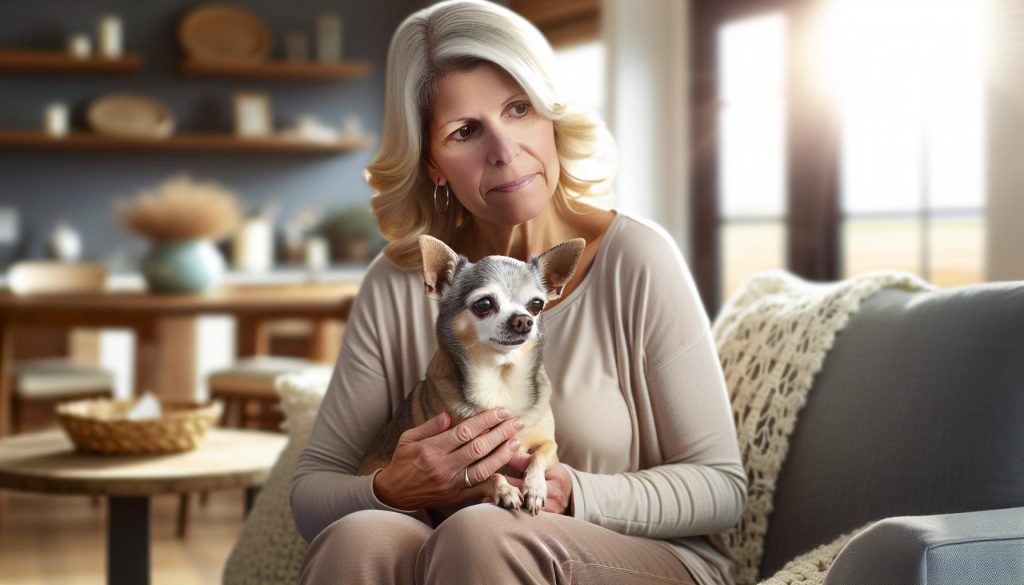
When considering the breeding age of a Chihuahua, understanding what constitutes “too old” is crucial for the health and well-being of your beloved companion. Chihuahuas are vibrant little souls, full of personality, but like all breeds, they have specific health considerations as they age. Did you know that the ideal breeding age for a female Chihuahua typically ranges from 1 to 5 years? As owners, it’s our responsibility to ensure that the breeding process is safe and comfortable for her, respecting her unique needs and quirks. Whether you’re a first-time breeder or a seasoned Chihuahua enthusiast, recognizing the signs of age-related challenges can help prevent complications and promote a successful breeding experience. Dive into this informative guide as we discuss safe breeding ages, potential health issues, and tips to keep your furry friend thriving, all while celebrating the bold, loyal spirit that makes Chihuahuas so special.
When Do Chihuahuas Reach Breeding Age?
When it comes to breeding Chihuahuas, understanding when they reach breeding age is crucial for responsible ownership. Typically, female Chihuahuas first come into heat between 6 to 12 months of age, with small breeds like Chihuahuas being on the earlier side of that range. However, while a Chihuahua may be physically capable of breeding at this age, it’s essential to ensure she’s emotionally and physically mature. Given their petite size, many breeders recommend waiting until she is at least 1 to 1.5 years old before breeding her. This ensures she is developed enough to handle the stresses of pregnancy and whelping.
For male Chihuahuas, they also become sexually mature around 6 months old, but similar caution applies; waiting until they are approximately 1 year old can help ensure they are stable, both in behavior and health. It’s vital to factor in their temperament as well-an ideal breeding candidate should exhibit confidence and a friendly disposition, traits that not only lead to a healthier breeding process but also contribute positively to the temperament of any potential offspring.
Aside from age, it’s important to conduct thorough health screenings. Issues such as patellar luxation or dental problems can be exacerbated by the stress of breeding. Consult with your veterinarian to assess your Chihuahua’s overall health before making decisions about breeding. Remember, a healthy mother and father are key components to raising a healthy litter. Whichever age you choose, be informed and prepared to prioritize the well-being of your beloved Chihuahua throughout the breeding process.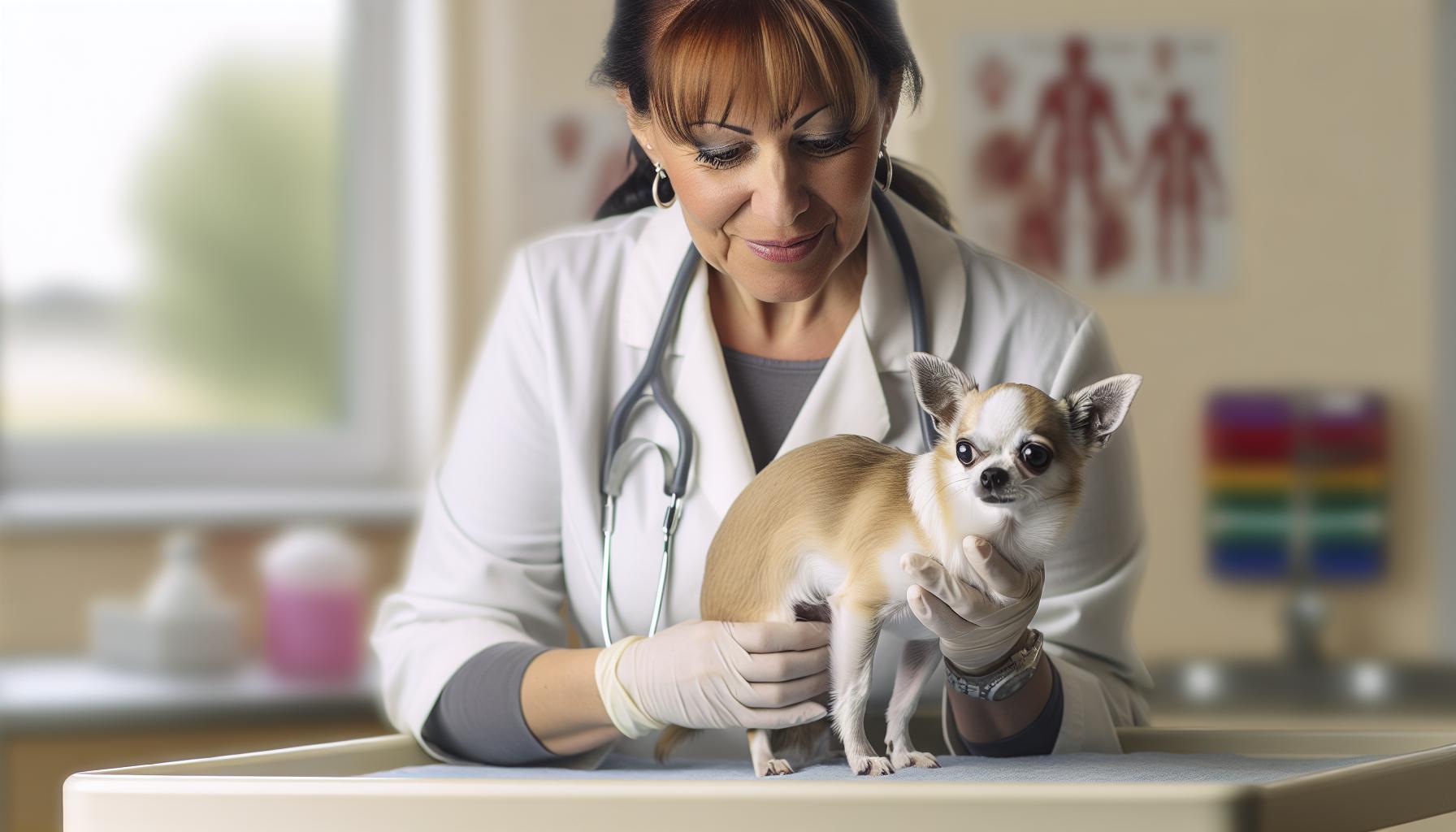
Understanding the Ideal Breeding Age for Chihuahuas
When considering breeding your beloved Chihuahua, knowing the right age to start is critical for both her health and the health of the puppies. Female Chihuahuas usually come into their first heat cycle between 6 to 12 months. This is often the first sign of potential breeding readiness, but it’s important to be cautious. While a female may meet the physical criteria for breeding at this young age, her emotional and physical maturity plays a vital role. Many experienced breeders recommend waiting until at least 1 to 1.5 years old. This allows your Chihuahua to fully develop, both physically and emotionally, so she can better handle the pressures of pregnancy and whelping.
For male Chihuahuas, the timeline is somewhat similar. They reach sexual maturity around 6 months of age, but health and behavior should be carefully considered. Waiting until they are around 1 year old not only helps ensure they exhibit stable behavior but also reduces the likelihood of potential health complications. Ideally, your male should showcase traits such as confidence and a friendly disposition, which contribute positively to the breeding process and the temperament of the offspring.
Key Considerations:
- Health screenings: Ensure your Chihuahua is free from common issues like patellar luxation and dental problems, as these can complicate breeding.
- Maturity matters: Both physical and emotional readiness significantly affect the breeding process.
- Behavior traits: A calm and confident demeanor in your Chihuahua can lead to a healthier breeding experience.
Engaging in discussions with your veterinarian about your Chihuahua’s overall health is essential before breeding. This ensures that you are well-informed about her readiness, paving the way for a healthier litter and a smoother experience overall. Remember, taking these prudent steps not only enhances the chance of successfully raising a healthy litter but also champions the well-being of your cherished companion throughout this journey.
Signs of a Healthy and Mature Chihuahua for Breeding
To choose the right time for your Chihuahua to breed, recognizing the signs of a healthy and mature dog is essential. A vibrant, energetic Chihuahua isn’t just a joy to be around; it also indicates the dog is likely ready for the challenges of breeding. Look for qualities such as a shiny coat, bright eyes, and an alert demeanor. These traits signal the overall wellness that’s crucial for a successful breeding experience.
One critical aspect of breeding readiness is the presence of a well-balanced temperament. A healthy Chihuahua should demonstrate stable behavior, showing curiosity, playfulness, and the ability to socialize without undue anxiety. If she exhibits training responsiveness and a friendly interaction with both humans and other pets, she’s likely in a good place to consider breeding. Positive demeanor not only fosters a safer breeding environment but also sets the stage for well-adjusted puppies.
Additionally, age plays a significant role in determining readiness. For a female Chihuahua, waiting until she’s between 1 to 1.5 years ensures her physical and emotional maturity. During this time, she will have typically completed her growth, making her more capable of handling the physical demands of pregnancy. Male Chihuahuas should also reach at least 1 year old for the best chance at stable genetic traits and behavioral characteristics.
Before breeding, prioritize the health screening of your Chihuahua. Regular check-ups can help catch issues like heart murmurs, breathing problems, or dental disease that could affect breeding and overall health. Ensuring both parents are healthy aids the chances of a safe pregnancy and vibrant, healthy puppies. As a dedicated owner, your observational skills and proactive care are paramount in guiding your cherished companion through this significant phase of life.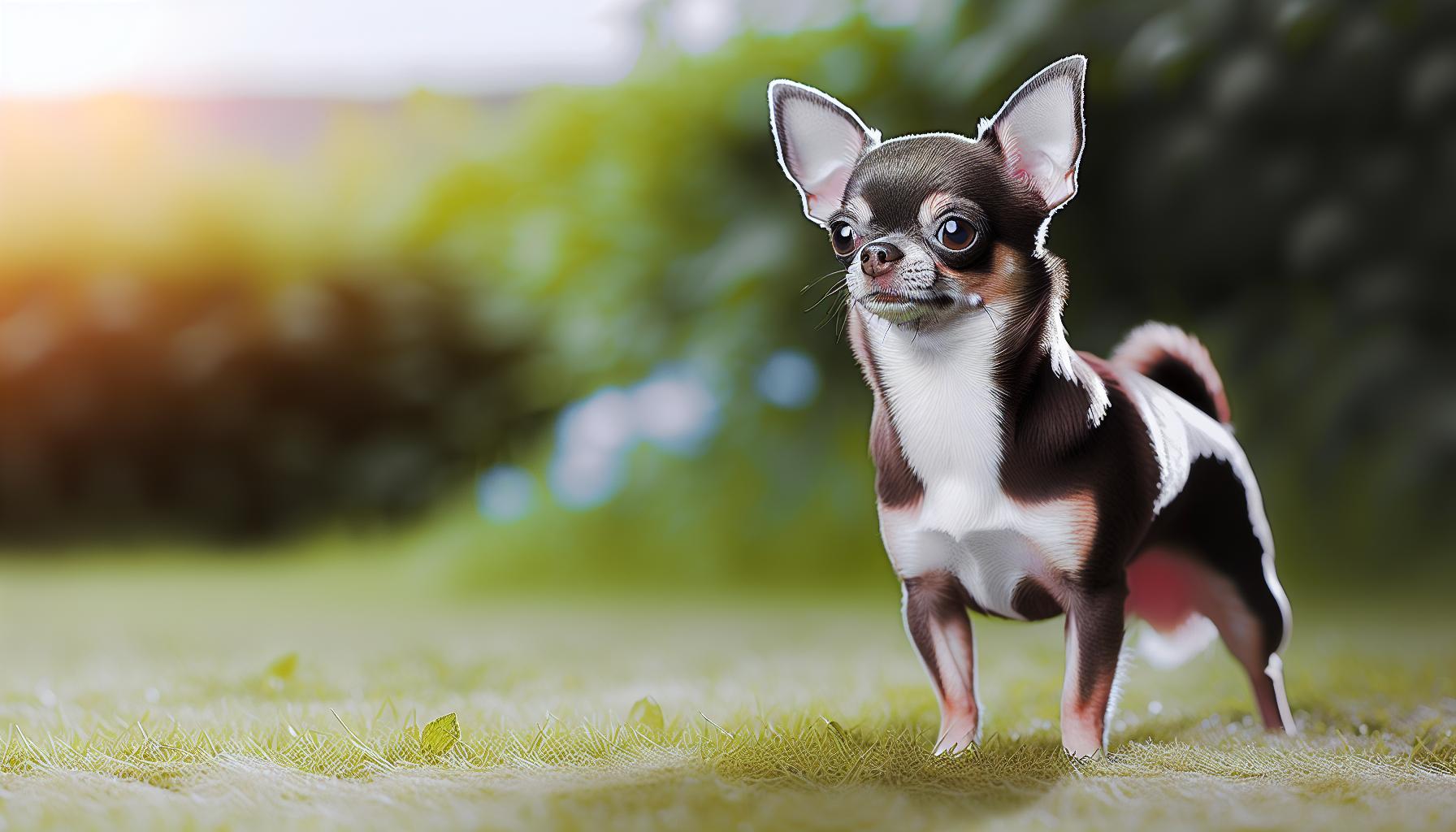
Health Risks of Late Breeding in Chihuahuas
Breeding Chihuahuas can be a rewarding experience, but it also comes with significant considerations, especially as your beloved furry companion ages. Many owners may not realize that breeding a Chihuahua past a certain age can pose serious health risks. As your Chihuahua matures, her body undergoes changes that can make her less suited to handle the stresses of pregnancy and childbirth. Waiting too long can lead to complications that affect both her health and the health of her puppies.
Chihuahuas, like all breeds, have an optimal breeding window. For females, this is generally before the age of 5-6 years. After this age, the risk of complications during pregnancy increases. Here are a few key health risks associated with late breeding:
- Labor Difficulties: As a Chihuahua ages, her muscle tone may decrease, which can complicate the birthing process. Older females may experience prolonged labor or dystocia (difficult labor), which can be dangerous for both mother and puppies.
- Health Complications: Older Chihuahuas may have pre-existing health issues, such as heart disease or diabetes, which can worsen during pregnancy. These conditions not only threaten the mother’s health but can also affect the puppies’ development.
- Reduced Litter Size: Advanced age can result in smaller litters. Older Chihuahuas often produce fewer viable eggs, leading to a decrease in litter size, which may be disappointing for the owner.
- Higher Puppy Mortality Rates: Puppies born to older mothers may face greater health challenges, including higher mortality rates due to potential complications during birth or developmental issues.
Furthermore, be aware that the genetic health of the puppies can be influenced by the breeding age of the parents. Older Chihuahuas may carry genetic risks that could be passed on to their offspring, making careful selection of breeding partners essential.
As a responsible owner and breeder, it’s crucial to monitor your Chihuahua’s health closely and consult your veterinarian about the best age to breed. Regular vet check-ups, healthy diet, and fitness routines can mitigate some risks, but the most effective strategy is often to plan breeding before complications arise. Ultimately, being informed and proactive will help ensure a safer breeding experience for your Chihuahua, while celebrating her vibrant personality and health throughout her life.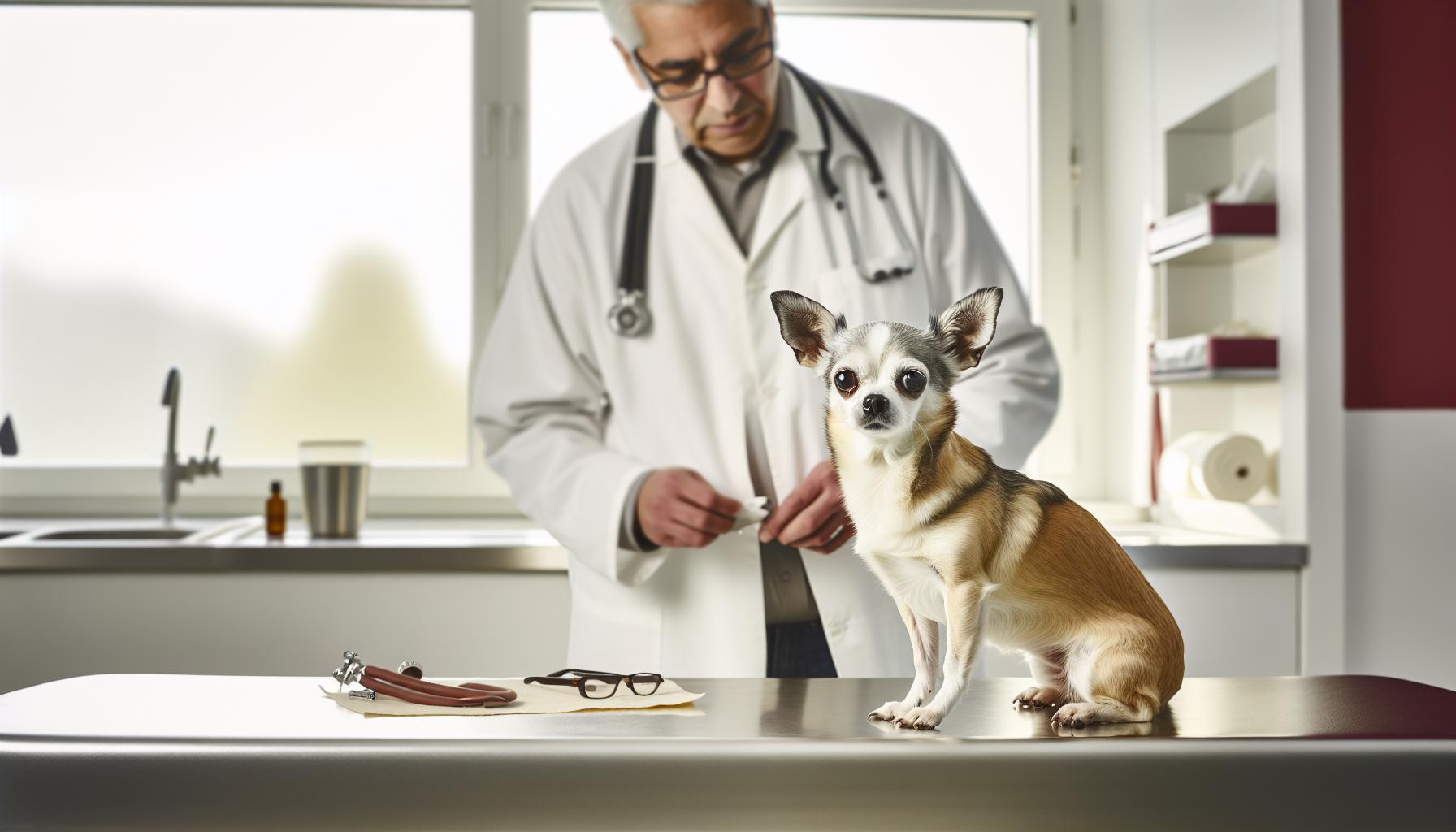
Breeding Guidelines for Older Chihuahuas
Breeding a Chihuahua as she ages can be both a joyful and challenging journey. As your beloved companion reaches her senior years, understanding the guidelines for breeding is crucial to ensuring her health and the health of her puppies. Chihuahuas can be spirited and lively at any age, but their bodies undergo changes that must be carefully considered when deciding to breed.
When breeding older Chihuahuas, the first step is to conduct a comprehensive health check. Regular veterinary visits become essential in this phase; your vet can assess her overall condition, including heart health, weight, and any age-related issues. Discuss specific blood tests or screenings that can indicate her suitability for breeding. If she’s a brave and vocal apple-head, or any variety, make sure she’s up for the added demands that pregnancy will bring.
Timing is Key: Ideally, for females, breeding should occur before 5-6 years of age; however, if you choose to breed her later, ensure her heat cycles are regular and her general health is stable. Fewer heat cycles may indicate declining fertility. Give her ample time to prepare, both physically and mentally. Older Chihuahuas often respond better to gentler approaches; consider more frequent breaks and stress-free environments during mating.
Nutrition and Care: Proper nutrition supports a healthy pregnancy. Ensure she is eating high-quality dog food, rich in nutrients that are particularly beneficial for pregnant mothers. Supplements may be needed-consult your veterinarian about omega fatty acids and prenatal vitamins.
Keep her active, but adjust her exercise routine to suit her age. Gentle walks and playtime can keep her fit and reduce stress levels. Always watch for signs of fatigue during exercise; an older Chihuahua may tire more quickly but still loves to strut around the yard, being the bold little personality she is!
Lastly, be prepared for the possibility that her litter size might be smaller than average. While some older females can still produce healthy litters, there is a likelihood of fewer puppies due to age-related factors. Embrace the journey for what it is, respecting and enjoying your Chihuahua’s genuine spirit throughout the entire breeding experience.
How Age Affects Chihuahua Litter Size and Health
Breeding Chihuahuas is a special journey, but as your cherished companion ages, it’s vital to acknowledge how her age can influence both the litter size and the overall health of her puppies. The fact is, as female Chihuahuas grow older, their reproductive capabilities can decline. This might result in not only smaller litters but also a range of health considerations for both mother and pups.
Firstly, let’s talk about litter size. Generally, younger Chihuahuas, particularly those under five years, tend to have healthier and larger litters. As they age, typically after six years, there’s a noticeable reduction in both the quantity and health of the puppies. While some mature females can still produce puppies, the likelihood of delivering a smaller litter increases – oftentimes, seasoned breeders note that a Chihuahua over seven years may average just one to three puppies. This is attributed to the natural decline in fertility and overall energy levels.
From a health perspective, older Chihuahuas may experience complications during pregnancy, such as gestational diabetes, heart problems, or issues related to decreased stamina. It’s crucial to maintain a high standard of medical care during this period. Regular vet check-ups become increasingly important, allowing for early detection and management of any potential health issues. Discuss specialized prenatal care with your vet to ensure she gets the best nutritional support, which can be pivotal in maintaining both her health and that of her puppies.
Further complicating this, the puppies born to older mothers are at a greater risk for congenital anomalies and other health problems. Therefore, ensuring that your Chihuahua is in optimal health before breeding is key. It’s advisable to employ a careful breeding timeline, emphasizing high-quality nutrition and a stress-free environment. The joy of bringing new life into the world should always be balanced with the responsibility of safeguarding the health of your furry family member. Your love and dedication will shine through in every step of this important process, ensuring not just a successful breeding but a joyful experience for you and your Chihuahua!
Impact of Breeding on a Chihuahua’s Lifespan
Breeding a Chihuahua can be a rewarding experience, but it’s essential to consider the potential impacts on her lifespan. This tiny breed, known for its spunky personality and loyalty, may face unique challenges as she ages, particularly related to breeding. It’s a bittersweet reality that, while breeding can bring joy and new life, it can also take a toll on her health and longevity.
As Chihuahuas enter their later years, their bodies may struggle to handle the physical stresses of pregnancy and nurturing pups. Older females, especially those over six years old, can exhibit changes that make breeding riskier. Complications during pregnancy-such as higher chances of cesarean sections, gestational diabetes, and heart issues-may arise more frequently. These not only affect the mother’s well-being but can also influence her ability to care for her puppies adequately. Regular veterinary check-ups become crucial during this time, as a knowledgeable vet can help manage risks and ensure a healthy pregnancy.
While the allure of having a litter might tempt some owners, it’s important to weigh the benefits against potential health risks. Healthy Chihuahuas typically have a lifespan of 12 to 20 years, but breeding at later ages can reduce that span. The additional stress on her body, combined with potential complications, often leads to a shorter life. Make sure to prioritize her overall health with proper nutrition, exercise, and regular veterinary care.
Fostering a supportive environment is equally important. Make time for rest and recovery and pay close attention to her behavior and any signs of distress. By being attuned to her needs, you create a nurturing space that helps mitigate the impacts of breeding on her longevity. Owners who have taken these proactive steps often find themselves with thriving Chihuahuas who can enjoy long, fulfilling lives, even after their breeding years.
Common Misconceptions About Chihuahua Aging and Breeding
Breeding a Chihuahua often comes with a cloud of myths and misconceptions that can steer potential breeders off course. One prevalent belief is that small stature means young, leading some to think that a Chihuahua can breed at an earlier age than larger breeds. However, Chihuahuas typically reach sexual maturity around six months to a year old, but this doesn’t necessarily make them ready for breeding. A responsible owner should ensure that their female is physically and mentally mature before considering a litter, usually around two years old, to reduce health risks.
Another common misconception is that age alone is not a decisive factor in breeding. Many new breeders might ignore the potential health risks associated with older Chihuahuas. While smaller breeds like Chihuahuas can live for 12 to 20 years, breeding too late can increase the chance of complications during pregnancy, such as higher rates of cesarean sections and gestational issues. It’s vital for owners to remember that health declines with age, and the body may not handle the stresses of pregnancy well beyond six years. Regular check-ups become even more crucial in these cases to monitor the health of not just the mother but the potential puppies as well.
Furthermore, some owners might believe that breeding enhances the lifespan of Chihuahuas or keeps them youthful. In reality, the physical strain of carrying and nursing a litter can accelerate health decline. Breeding should never be viewed as a remedy for aging. Instead, the focus should be on maintaining a healthy lifestyle that includes proper nutrition, exercise, and mental stimulation to enrich their quality of life as they age.
Lastly, there’s a tendency to think that purebred Chihuahuas must have litters to ensure the heritage continues. In truth, responsible breeding practices include knowing when to retire your breeding female. Recognizing when she has contributed enough to a lineage is essential for her well-being. Many experienced breeders emphasize the importance of focusing on health and quality over simply having more puppies, ensuring the longevity and health of both the mother and her offspring. Breeding is a commitment, and making informed decisions based on misconceptions can have lasting impacts.
Preparing Your Chihuahua for a Healthy Breeding Experience
Preparing your Chihuahua for a successful breeding experience is a critical step that requires careful planning and considerate attention to her health and well-being. The journey begins with a thorough veterinary check-up. Ensuring your Chihuahua is in optimal health will not only enhance her breeding potential but also safeguard her and her future puppies from possible health issues. Schedule a visit to your vet for a full health evaluation, focusing on her heart, lungs, and reproductive system. Don’t forget to discuss vaccinations, deworming, and any genetic health screenings appropriate for her breed.
Nutrition plays a significant role in preparing your Chihuahua for breeding. A balanced diet is essential for both her health and that of the puppies. Transition her to a high-quality, nutrient-rich food that caters to pregnant or nursing dogs at least a month before you plan to breed her. This should include essential fatty acids, vitamins, and minerals to support her body during this demanding time. Many owners find that incorporating a bit of lean protein or healthy fats, like salmon oil, enhances their dog’s coat and overall vitality.
Physical conditioning is also key. Maintaining her ideal weight not only supports her overall health but can also mitigate potential complications during pregnancy. Engage her in regular, moderate exercise, such as gentle walks. However, be mindful not to overexert her, especially as she approaches breeding time; keep activities light and enjoyable.
Equally important is creating a calm and stress-free environment. Chihuahuas are known for their sensitive personalities, and a peaceful home life can make a world of difference. Consider her temperament-if she’s particularly nervous or vocal, provide her with a cozy retreat within your home where she can feel secure. As another owner shared, during her Chihuahua’s breeding preparation, she played soft music and kept the environment tranquil, which greatly helped in reducing anxiety for both her and her dog.
Lastly, educating yourself about the breeding process and the care that follows is invaluable. Join Chihuahua enthusiast groups or forums where you can learn from seasoned breeders and share experiences. Their insights can help ease any apprehensions you may have and prepare you for the wonderful yet demanding journey ahead. By focusing on her health, nutrition, conditioning, and emotional well-being, you place your Chihuahua in the best position to thrive during breeding and beyond.
Post-Breeding Care for Older Chihuahuas
After your Chihuahua’s breeding journey, it’s crucial to understand how to support her during the post-breeding period, especially as she gets older. This phase can be both exciting and challenging, as she may need a little extra care to recover and maintain her health. Remember, older Chihuahuas can face unique challenges, and being attentive is key.
One of the first steps in post-breeding care is to monitor her for any signs of complications. Keep an eye out for changes in appetite or energy levels, and don’t hesitate to contact your vet if something seems off. Regular check-ups are a must; these visits will help ensure that her hormonal levels are balanced, and that she is healing properly. As an owner shared, scheduling a follow-up appointment within a week of breeding can catch any issues early, allowing for prompt treatment if necessary.
Nutrition plays a vital role in her recovery. Switch her to a high-quality, easily digestible diet enriched with essential nutrients. Special foods designed for lactating or nursing dogs can be beneficial, even if she won’t be nursing. Additionally, consider incorporating omega fatty acids to support her skin and coat health, which can become stressed post-breeding. Keep her meals small and frequent to ease digestion, especially if she shows signs of being picky after the breeding process.
Maintaining Physical and Emotional Well-being
Maintaining her ideal weight will also help stave off potential health issues. Gentle, regular exercise is important to prevent weight gain, but tailor the activity to her energy level and comfort. Short, manageable walks can keep her engaged without overwhelming her. Furthermore, creating a calm environment is essential during this sensitive time. Some Chihuahuas, especially the more vocal ones, may experience heightened anxiety. Providing a secure space in your home where she can retreat when feeling overwhelmed can work wonders. Many owners find that adding soft bedding and familiar toys helps soothe their pups as they adjust.
Lastly, be patient. Your older Chihuahua may take longer to bounce back after breeding, and that’s perfectly normal. Providing her with love, gentle care, and plenty of affection will not only help her feel safe but will also strengthen your bond. Engage with her through light play or grooming sessions-these activities can be very comforting for both of you. Remember, the journey doesn’t end with breeding; it’s a new chapter in your Chihuahua’s life that deserves just as much attention and love.
Recognizing When to Retire Your Breeding Chihuahua
Recognizing the right time to retire your breeding Chihuahua is vital for her long-term health and well-being. Chihuahuas, with their delightful personalities and robust spirits, can sometimes fool us into thinking they are still sprightly as they age. However, as your beloved companion matures, her body undergoes changes that may make continued breeding risky.
Generally, it’s wise to consider retiring a female Chihuahua from breeding once she reaches around 6 to 8 years of age. At this stage, her risks for complications during pregnancy and delivery increase significantly. Some signs that may suggest your Chihuahua is nearing her retirement age include a noticeable decrease in energy levels, changes in her heat cycle-such as irregularities or skipped heats-and difficulty in maintaining her weight or overall health. You might also notice a decline in her typical playful behavior, which is an important cue that her body may be signaling for a break.
In addition to physical signs, evaluating her emotional and psychological well-being is crucial. Has she become more anxious or reserved? Breeding can be demanding, and older Chihuahuas may struggle with the stress of carrying and caring for litters. As an owner, ensuring that she feels secure and loved should always be your priority. Many owners find that after they retire their Chihuahuas from breeding, the dogs flourish in their new roles as cherished companions without the demands of motherhood.
While each Chihuahua is unique, and some may be capable of breeding slightly longer than others, always consult with your veterinarian to assess her health status. Regular check-ups and health screenings will provide you with necessary insights into her readiness-or need to stop breeding-ensuring that her transition to retirement is as smooth and healthy as possible. Prioritize her happiness and health above all; she deserves a peaceful, loving home where her unique personality can shine without the responsibilities associated with breeding.
Resources for Responsible Chihuahua Breeders
When breeding Chihuahuas, ensuring you have access to the right resources is essential for maintaining the health and well-being of your dogs. Responsible breeding goes beyond just selecting a mate; it requires a commitment to the long-term health of both the dam and her puppies. Here are some invaluable resources and tips that can help guide both novice and experienced breeders through this important process.
Consult Veterinary Professionals
Establishing a relationship with a knowledgeable veterinarian is crucial. Regular check-ups, vaccinations, and health screenings can help ensure that both your Chihuahua and her potential mate are in optimal health before breeding. Your vet can provide insights into the health risks associated with breeding at an older age, particularly after 6 years, which is generally a good time to reassess your breeding schedule.
Join Chihuahua Breed Clubs
Connecting with Chihuahua breed clubs can provide a wealth of information and support. These organizations often offer resources on ethical breeding practices, health screenings, and educational materials tailored specifically for Chihuahuas. Participation in local clubs can also provide networking opportunities with other breeders who can share their experiences and advice.
Utilize Online Resources
There are numerous websites and forums dedicated to Chihuahua health, breeding, and care. Websites dedicated to canine genetics and breeding ethics often have articles and videos that can illuminate best practices. Engaging in online forums can also give you access to a community where you can ask questions and receive feedback from fellow Chihuahua enthusiasts.
Education on Breed-Specific Health Issues
Understanding breed-specific health concerns is vital. Chihuahuas can be prone to certain conditions such as patellar luxation and dental issues. Familiarize yourself with reputable sources that provide insights into these health challenges. Knowing the signs and symptoms allows you to make informed decisions regarding breeding, especially when considering older Chihuahuas.
Incorporating these resources into your breeding plan can help ensure that your Chihuahuas are not only bred responsibly but can thrive both in their breeding years and well into their retirement. Remember, a well-informed breeder contributes to the health and longevity of the breed.
Frequently Asked Questions
Q: What is the maximum age for a Chihuahua to safely breed?
A: Generally, a Chihuahua should not breed after the age of 5-6 years. Breeding beyond this age can increase health risks for both the mother and puppies, including complications during pregnancy and delivery. For comprehensive guidelines on breeding safely, refer to the section on Health Risks of Late Breeding in Chihuahuas.
Q: How does a Chihuahua’s health impact breeding age?
A: A Chihuahua’s overall health significantly affects breeding viability. Regular veterinary check-ups can help assess health conditions that may arise with age. It’s crucial to ensure your Chihuahua is in optimal health before considering breeding, especially as they age, as noted in our Signs of a Healthy and Mature Chihuahua for Breeding section.
Q: Can older Chihuahuas still bear healthy puppies?
A: While older Chihuahuas can bear puppies, the risk of health complications increases. It’s essential to consult a veterinarian to evaluate the specific health status of the dog before breeding. Our section on Breeding Guidelines for Older Chihuahuas provides practical advice on managing this.
Q: What are the signs that a Chihuahua is too old to breed?
A: Signs that a Chihuahua may be too old to breed include increased lethargy, significant weight changes, and underlying health issues diagnosed by a vet. Regular monitoring and veterinary advice are vital for determining the right breeding age, discussed in our section on Recognizing When to Retire Your Breeding Chihuahua.
Q: At what age do Chihuahuas reach maturity for breeding?
A: Chihuahuas typically reach maturity for breeding between 6 months to 1 year of age. However, the best practice is to wait until they are fully physically and mentally mature, usually around 2 years. You can learn more from our Understanding the Ideal Breeding Age for Chihuahuas section.
Q: What are the risks of breeding a Chihuahua too late?
A: Breeding Chihuahuas too late can lead to risks such as pregnancy complications, reduced litter size, and increased health issues for both the mother and puppies. For a deeper understanding of these risks, see our section on Health Risks of Late Breeding in Chihuahuas.
Q: What should I consider before breeding an older Chihuahua?
A: Before breeding an older Chihuahua, consider their health status, previous breeding history, and the risks involved. Regular vet assessments are crucial to determine if breeding is a safe option. Check out our Preparing Your Chihuahua for a Healthy Breeding Experience for detailed preparation advice.
Q: How can I prepare my older Chihuahua for breeding?
A: To prepare an older Chihuahua for breeding, ensure they are in excellent health through regular vet visits, maintain a balanced diet, and provide proper exercise. Consult your veterinarian for a tailored breeding plan, as discussed in our article’s preparation section.
The Way Forward
As you consider breeding your cherished Chihuahua, remember that understanding their safe breeding age is crucial for their health and well-being. Monitoring your Chihuahua’s health and behavior will not only ensure a successful breeding experience but also contribute to the vitality of future generations. Don’t let uncertainty hold you back-your beloved companion deserves the best care possible. If you’re curious about other aspects of Chihuahua care, check out our guides on “Best Nutritional Practices for Chihuahuas” and “Caring for Your Aging Chihuahua.”
Join our community of Chihuahua enthusiasts by signing up for our newsletter, where you’ll receive exclusive tips and resources tailored for passionate owners like yourself. Share your thoughts or experiences in the comments below-after all, we’re all in this together, celebrating our little vocal, loyal, and bold friends. Discover more about enhancing your Chihuahua’s life today; let’s keep the conversation going and support each other in this rewarding journey!
Get our latest guides, news, and insights highlighted in your Google Search & AI Overviews.