

Did you know that Chihuahuas mature faster than many other breeds? By 6 months, your little companion is on the brink of adulthood, but understanding the age milestones is crucial for providing the best care. Knowing when your Chihuahua transitions from a playful puppy to a confident adult helps you tailor their nutrition, health care, and training. As a proud Chihuahua owner, you want to ensure that your furry friend thrives at every stage of life. From the spirited antics of puppyhood to the unique personality traits that define adulthood, this guide will illuminate the essential age milestones that every Chihuahua owner should know. Dive in to learn how to support your Chihuahua’s growth and embrace their quirks during this exciting journey!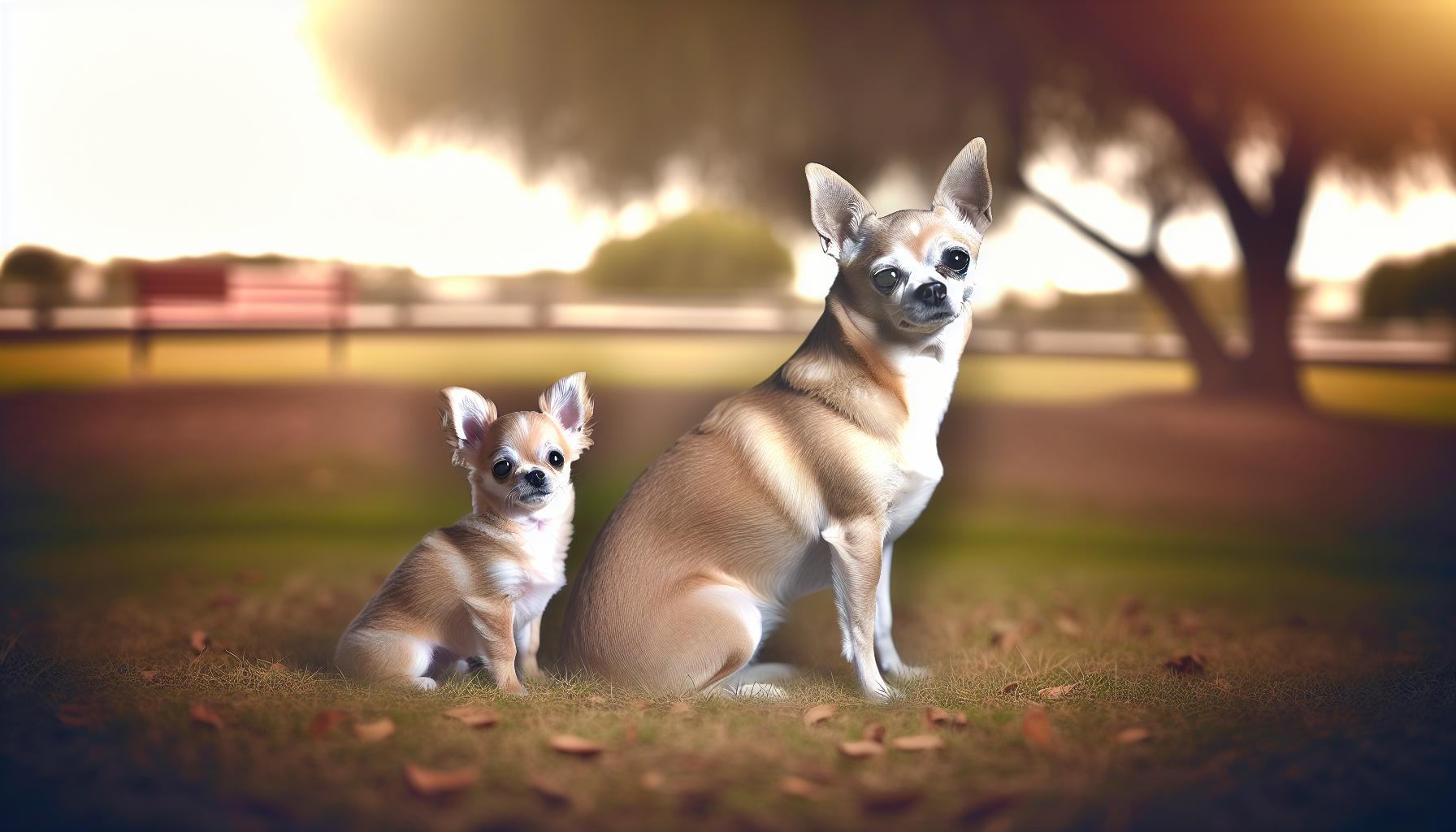
When Do Chihuahuas Reach Adulthood? Understanding Age Milestones
A fascinating aspect of Chihuahua development is how swiftly they transition from playful puppies to confident adults. Generally, a Chihuahua is considered an adult when it reaches about 1 year of age. However, their full maturity, including behavioral and emotional growth, may not fully manifest until they are closer to 2 years old. During this time, owners witness a range of changes that define adulthood, from physical growth to personality maturation.
In the first year, Chihuahuas experience significant physical changes; they are small and grow rapidly until they reach their adult size, usually between 3 to 6 pounds. In this phase, it’s common for them to display youthful exuberance and even mischievous behavior, often testing boundaries as they learn about their world. By the time they hit the 1-year mark, they stabilise in size and begin to exhibit more adult-like behaviors-this includes greater patience, improved social skills, and a clearer understanding of their environment.
As they mature, expect to see behavioral traits such as increased loyalty and possibly a more pronounced protectiveness, especially in apple-head Chihuahuas. These changes can sometimes manifest as heightened vocalization or guarding behavior, which serves as a reminder of their innate disposition to be alert companions. It’s crucial during this phase to reinforce positive behaviors through consistent training and socialization. Encouraging positive interactions with other dogs and people is essential as they develop their unique personalities, allowing those quirky traits-a bold mouth and spirited nature-to shine.
Support and understanding from you, their owner, play a key role during these developmental milestones, guiding them to transition smoothly into adulthood while cherishing their special quirks. Engaging with your Chihuahua through play, training sessions, and social opportunities will foster their growth into the confident companion that you cherish.
Key Developmental Stages of a Chihuahua’s Life
As soon as you bring home a Chihuahua, you may notice just how quickly these little bundles of energy grow and change. Understanding the can provide clarity on what to expect as they transition from exuberant puppies to mature adults. Typically, a Chihuahua reaches adulthood around the age of 1 year. However, the full spectrum of their personality and behavioral traits often continues to evolve until they are around 2 years old.
In the early months, your Chihuahua will go through significant physical growth. They usually weigh between 3 to 6 pounds when fully grown, but the first year is marked by rapid changes and often a bit of awkwardness as they adjust to their size. During this period, Chihuahuas tend to display a playful and occasionally mischievous demeanor. They explore their environment with curiosity, testing boundaries and learning crucial social skills. It’s during these moments that the importance of patience and positive reinforcement comes into play; pairing training with play can help guide their development and ensure they grow into well-rounded adults.
Behaviorally, as your Chihuahua matures, you may start to notice a shift in her interactions. While they may have been carefree and spirited as a puppy, adult Chihuahuas often develop a stronger sense of loyalty and even protectiveness. For instance, an apple-head Chihuahua might become a devoted little guardian of the home, alerting you to any changes in their environment. Such an instinct can sometimes lead to heightened vocalization or even guarding behaviors. Engaging them in consistent training and socialization will not only nurture these protective instincts but help to channel any excessive barking into more appropriate behaviors. Socializing your Chihuahua with other dogs and people is crucial for their emotional and behavioral stability during this time.
Embracing each stage of your Chihuahua’s development allows you to appreciate their unique quirks, from their charming boldness to the affectionate companionship they provide. Celebrate their vibrant personalities and enjoy the journey together, knowing that every wag of their tiny tail is a reminder of the special bond you share.
Physical Growth: Size and Weight Expectations
As your Chihuahua grows, you might be surprised at how compact yet full of personality this tiny breed can be. Recognized as one of the smallest dog breeds in the world, adult Chihuahuas typically weigh between 3 to 6 pounds when fully grown, but there’s more to their physical growth than just size. During the first year, your little one will generally experience the most significant changes, reaching adult weight around 12 months but continuing to fill out and gain muscle tone until about 2 years of age.
Chihuahuas come in two main coat types: smooth and long-haired, and each type can have a slightly different appearance. For example, a smooth coat Chihuahua might have a sleeker look, while a long-haired one can appear fluffier-a trait that often adds to their charm. Despite their small stature, what sets Chihuahuas apart is their bold demeanor. They often view themselves as much larger than they really are, leading to a vibrant, lively personality that requires proactive socialization and training to manage their spirited nature.
To give you an idea of their growth milestones, here’s a quick overview of what to expect during those crucial first months:
| Age | Weight Range | Growth Notes |
|---|---|---|
| 3 months | 1.5 – 3 pounds | Rapidly developing social skills; lots of energy! |
| 6 months | 3 – 5 pounds | Testy and curious; start basic training. |
| 9 months | 4 – 6 pounds | Begin to show more independence; reinforce boundaries. |
| 1 year | 3 – 6 pounds | Reaches full adult weight; continue socialization. |
A unique aspect of Chihuahua growth is that male and female Chihuahuas may grow to differing sizes, with males sometimes being stockier. It’s essential to remember that each dog is an individual. Factors such as genetics, diet, and overall health will influence growth patterns. Regular veterinary check-ups can help monitor weight and growth progress, ensuring your Chihuahua maintains a healthy trajectory.
By early adulthood, your Chihuahua’s appearance might start to reflect their personality-a beautiful blend of their surroundings, social experiences, and inherent traits. As they transition into their final form, embracing their quirks and boldness is invaluable. Enjoy the journey watching them bloom into the confident companions they are destined to be!
Behavioral Changes as Chihuahuas Mature
As your Chihuahua progresses from a playful puppy to a confident adult, you’ll notice some fascinating behavioral changes that reflect their maturation. This transformation, although subtle, plays a pivotal role in shaping your fur baby’s personality. Given their spirited nature, Chihuahuas often exhibit behaviors that evolve significantly as they move beyond their first year.
Initially, Chihuahuas are bundles of energy, showcasing a curious and exploratory demeanor. However, as they near adulthood around the 1-year mark, you may observe a shift in their focus. More independent tendencies emerge, and they often begin testing boundaries established during their puppy phase. For instance, a once timid little pup might suddenly exhibit a boldness that surprises you, confidently asserting themselves in new situations. This bold behavior is typical and provides a unique opportunity for continued training and reinforcement of good habits.
Adapting to New Social Dynamics
A crucial aspect of your Chihuahua’s maturity involves their social interactions. As your dog transitions into adulthood, their social skills will develop further. Adult Chihuahuas tend to be more self-assured when meeting other dogs or humans. However, some may still hold onto their affectionately termed “small dog syndrome,” believing they need to protect their family from perceived threats. Consistent socialization during this phase is vital to mitigate any tendencies to be overly territorial or aggressive. Engaging in regular playdates or visits to dog parks can help in refining their social skills, allowing them to grow into well-adjusted companions.
Understanding Emotional Changes
Emotionally, Chihuahuas become more attuned to their surroundings and the moods of the people in their lives. They may display increased loyalty and affection towards their owners, forming a deeper bond. This loyalty can manifest in ways unique to Chihuahuas, such as wanting to be close to you during down moments or following you from room to room. Recognizing and nurturing this emotionally intelligent trait can lead to an incredibly rewarding companionship.
In conclusion, the journey of your Chihuahua into adulthood is marked by a host of behavioral changes that reflect their vibrant personality. With continued love, guidance, and socialization, you’ll witness how those quirky, bold traits evolve into the confident characteristics of a loving adult companion. Embrace each stage of their development, and remember, the quirks that come with being a Chihuahua are what make them such unique and cherished members of your family.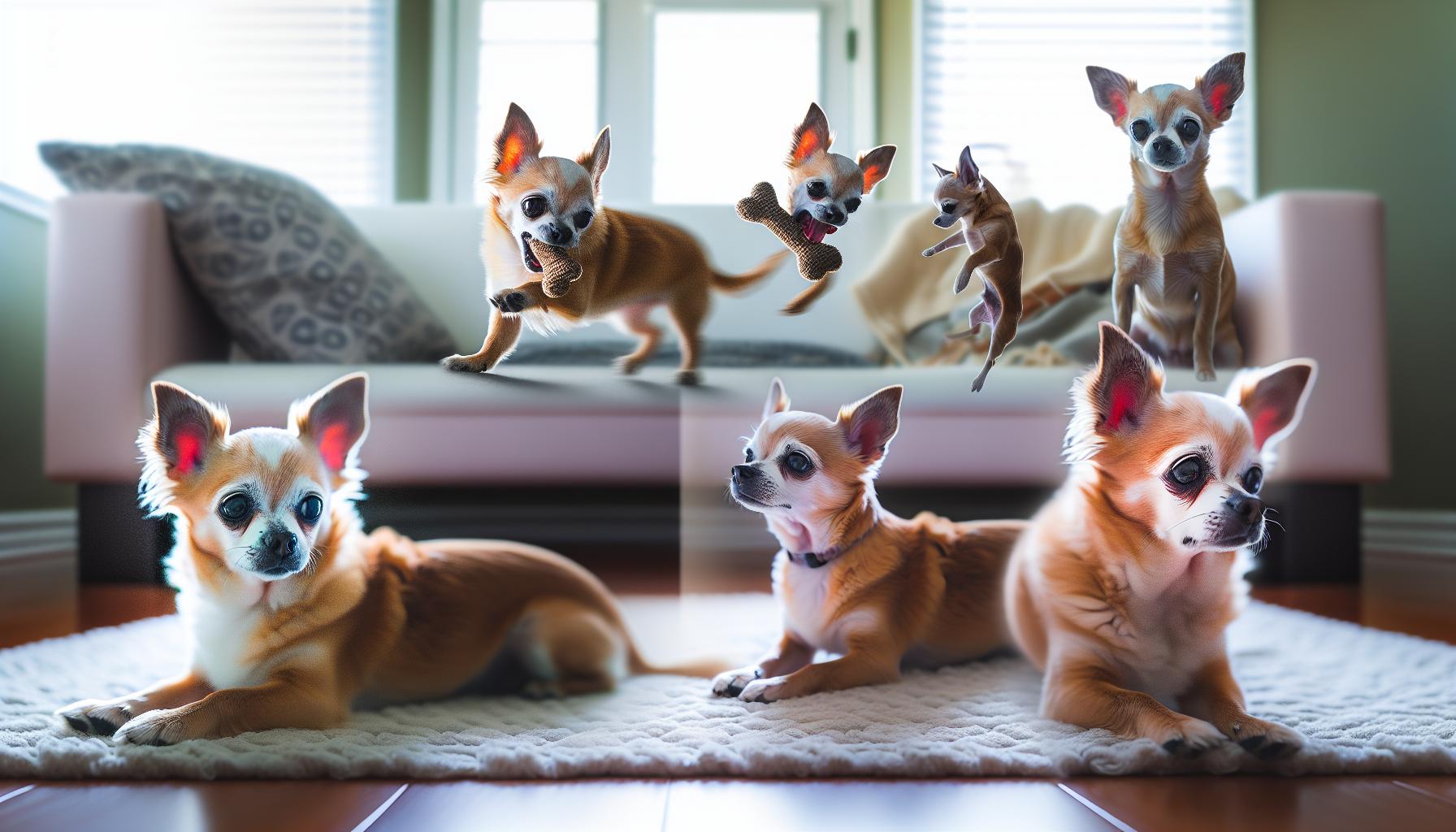
Health Considerations for Adult Chihuahuas
As your Chihuahua blossoms into adulthood, their health needs shift significantly, reflecting their growing lifestyle and unique breed characteristics. Adult Chihuahuas, typically considered to be between one and seven years of age, require specific attention to ensure they maintain their vibrant energy levels and overall health. This period is key for setting up your furry friend for a long, happy life ahead.
First and foremost, regular veterinary check-ups are essential. Not only do these visits keep up with vaccinations and dental needs-chihuahuas are particularly prone to dental issues-but they also help catch any potential health concerns early on. Conditions such as heart disease, patellar luxation, and eye problems like cataracts are common in Chihuahuas and can be managed better with early detection. A heartworm test and other screenings for parasites are typically part of these check-ups.
Nutrition is another cornerstone of health for your adult Chihuahua. Ensure that their diet is rich in high-quality protein and appropriate fats to support their small but active bodies. Portion control is vital since Chihuahuas can easily become overweight, which leads to further health complications. Consult your vet to determine an ideal diet plan, which may include weight management options if needed.
Exercise and Mental Stimulation
Regular exercise not only keeps your Chihuahua’s weight in check but also provides them with necessary mental stimulation. While their small size means that long runs might not be suitable, daily walks or play sessions can help fulfill their exercise needs. Incorporating puzzle toys can also enhance their cognitive skills and prevent boredom, which can lead to behavioral issues.
Grooming and Coat Care
Grooming should not be overlooked, especially with long-haired Chihuahuas. Regular brushing helps keep their coat healthy and reduces shedding, while also giving you a chance to check for any skin issues or parasites. Additionally, nail trimming is crucial-long nails can lead to discomfort and mobility issues, so this should be a regular part of your care routine.
By being proactive about these health considerations, you not only ensure that your adult Chihuahua stays healthy but they also remain the lively, affectionate companions you adore. Embrace this vibrant stage of life, attending to their unique needs, and you’ll witness the joys of a well-cared-for adult dog. Remember, every little quirk, from their spirited barks to their cherished cuddles, adds up to the wonderful personality of your Chihuahua, making the journey truly special.
Nutritional Needs at Different Life Stages
As your chunky little Chihuahua approaches adulthood, understanding their nutritional needs is crucial for maintaining their robust health and energy levels. Adult Chihuahuas, generally considered to be between one and seven years old, face a unique set of dietary requirements that differ considerably from those of puppies and seniors. Just like you wouldn’t feed a toddler the same meal as a teenager, your Chihuahua’s diet must evolve as they grow.
Generating a diet rich in high-quality protein is essential. Adult Chihuahuas require protein to fuel their playful spirit and support their muscular development. Look for dog foods where the first ingredient is a high-quality meat source, such as chicken or beef, aimed at keeping their weight in check while maintaining agility and vitality. Avoid overly processed kibble that might contain fillers like corn or soy, which offer little nutritional value.
Portion Control
Given their small stature, portion control is paramount. Chihuahuas are prone to obesity, which can lead to serious health issues such as heart problems and diabetes. Measure out their meals carefully, perhaps consulting your veterinarian to determine the right portions based on their weight and activity level. For many owners, using a food scale can help ensure accurate servings.
Considerations for Age
Different life stages call for adaptations in diet. An adult Chihuahua transitioning into seniorhood, typically around seven years and older, may benefit from a diet lower in calories but still rich in nutrients to prevent weight gain while supporting joint health. Look for diets with added glucosamine and chondroitin to aid mobility, especially if your pup is an apple-head Chihuahuas, who often face joint issues.
Incorporating some fresh food, like diced fruits or vegetables, can also be beneficial and adds variety to their diet. Always ensure these are safe for dogs-apple slices (without seeds) or baby carrots can provide a crunchy treat that many Chihuahuas love. Monitoring your Chihuahua’s coat, energy levels, and overall health can indicate if their diet is on the right track. Every little quirk in their energy and behavior-from their spirited barks to their playful antics-often reflects how well their nutritional needs are being met. Embrace this opportunity to explore their palate and witness how good nutrition can enhance your Chihuahua’s jubilant character!
Socialization Tips for Adult Chihuahuas
Establishing good socialization habits is crucial for the well-being and happiness of your Chihuahua as he matures into adulthood. While Chihuahuas are known for their bold personalities and protective instincts, they can also be prone to nervousness or aggression if not properly socialized. As a loving owner, you have the opportunity to instill confidence in your furry friend, ensuring he is friendly and well-adjusted around people and other dogs.
Start with manageable introductions to diverse environments. Gradually expose your Chihuahua to new situations-like bustling parks, pet-friendly stores, and various household members. Ensure these experiences are positive; treat him with his favorite snacks and offer plenty of praise when he behaves calmly. Short, frequent outings can help build his confidence over time without overwhelming him.
Meeting New Dogs and People
When introducing your pooch to other dogs, look for compatible playmates. Supervised playdates can be beneficial, and consider setting up group outings with friends who have dogs that share a similar temperament. In these encounters, allow your Chihuahua to take the lead, sniffing and exploring at his own pace. Remember, early experiences with friendly, calm dogs can help him develop a more sociable nature.
Don’t overlook the importance of interactions with people. Invite friends and family over to meet your Chihuahua so he becomes accustomed to new faces. Encourage gentle petting and positive reinforcement, but make sure he has the freedom to approach them on his terms. If he shows signs of anxiety, give him a retreat area where he can feel secure.
Training as a Socialization Tool
Training classes can be another excellent avenue for socialization. Look for beginner classes that focus on obedience while facilitating group interactions. These provide structured environments where Chihuahuas can learn essential commands and etiquette while engaging with other dogs and handlers. Classes also reinforce your role as a confident leader, which helps your Chihuahua feel more secure.
Incorporating socialization into your puppy’s regular routine sets the stage for a happy, well-mannered adult. These experiences can also help mitigate common adult behavior issues, such as excessive barking or fear of strangers. Each event, from meeting a new friend to encountering a new environment, serves as an opportunity to nurture your Chihuahua’s vibrant personality, allowing him to showcase his playful charm without apprehensions. Embrace this phase of his life, as it is a journey filled with learning, companionship, and mutual joy.
How to Support Your Senior Chihuahua
As your Chihuahua ages, he may start to slow down, but this doesn’t mean his quality of life should diminish. In fact, senior Chihuahuas often have so much love and life still to give, and it’s your job as a devoted owner to support his changing needs. Engaging with his quirky personality and providing support can help him thrive during his golden years.
Health and Wellness
Regular vet visits are crucial as your Chihuahua ages. Schedule check-ups every six months to ensure early detection of potential health issues, which can be especially prevalent in senior dogs. Keep an eye out for signs such as changes in appetite, energy levels, or bathroom habits. Typical health concerns for older Chihuahuas can include dental disease, heart issues, and arthritis. Providing joint supplements or prescription medications can ease discomfort and keep him active.
Nutritional Needs
An appropriate diet plays a pivotal role in maintaining health in senior Chihuahuas. Look for high-quality food formulated specifically for older dogs; these often contain fewer calories but are rich in necessary nutrients. Keep his weight in check considering that weight gain can lead to unnecessary joint strain. Consult with your vet about introducing supplements, such as omega fatty acids, to promote glossy fur and healthy skin.
Comfort and Environment
Creating a comfortable living space is vital for your senior Chihuahua’s well-being. Providing a cozy bed in a draft-free area can help him stay warm as his body becomes less effective at regulating temperature. You might also consider adding non-slip mats in your home to help him navigate safely, as older dogs can be prone to slips and falls.
Exercise and Playtime
While he may not be as sprightly as he once was, your Chihuahua still needs regular exercise to keep his heart healthy and to maintain a healthy weight. Opt for shorter, more frequent walks rather than long treks, and engage him in gentle play that stimulates his mind, like puzzle toys filled with treats. Remember to adjust the intensity of activities based on his energy levels; if he seems tired, allow him to rest.
Honing in on your Chihuahua’s unique needs as he transitions into his senior years can help him maintain a good quality of life. Embrace his age with respect, patience, and plenty of love, celebrating the quirks and personality traits that make him so special. You’ll find that, though he may be slowing down, your bond can grow deeper as you navigate this new chapter together.
Recognizing Signs of Aging in Chihuahuas
As your beloved Chihuahua grows older, recognizing the signs of aging can help you adapt to his changing needs and ensure his comfort and happiness. Chihuahua owners often marvel at their dog’s bold and lively personality, but just like all living beings, they undergo physical and behavioral changes over time. Understanding these changes early can significantly improve his quality of life as he transitions into his senior years.
One of the first signs you might notice is a shift in energy levels. While Chihuahuas are generally spirited and feisty, an aging dog may start to prefer lounging over zooming around the house. You might find your furry friend enjoying longer naps or being less enthusiastic about playtime. Changes in appetite are also common; some Chihuahuas may eat less because their metabolism slows down, while others might develop food sensitivities or preferences. Watch for any persistent reduction in appetite or sudden weight loss, which could signal an underlying health issue that needs veterinary attention.
Another sign to observe is the way your Chihuahua moves around. You may notice stiffness or reluctance when climbing stairs or jumping onto furniture. This could indicate joint pain or arthritis-conditions that are not uncommon in older dogs. Providing non-slip surfaces in your home, along with supportive bedding, can make navigating easier for him. Additionally, keep an eye on his dental health; older Chihuahuas can suffer from dental disease, which may affect their eating habits and overall health. Regular dental check-ups are essential.
Lastly, behavioral shifts can signal aging. A normally vocal Chihuahua might become quieter or display increased anxiety. Changes in social behavior, such as avoidance of interactions with other pets or family members, can also occur. These changes can stem from cognitive decline or simply the discomfort of aging. Maintaining a consistent routine, engaging in gentle socialization, and providing mental stimulation through interactive toys can support his mental well-being.
By being attentive to these signs, you can better support your Chihuahua’s needs as he ages. Each small change in his behavior or health can reveal valuable insights into his well-being. Embrace this chapter with love, patience, and plenty of cuddles, celebrating the unique quirks that make your Chihuahua who he is, even as he matures gracefully.
Common Adult Behavior Issues and Solutions
As your little companion matures into adulthood, you might notice some changes in behavior that require your attention. Chihuahuas are known for their spunky personalities, but with growth comes the possibility of common behavior issues that can arise if not addressed properly. One of the most typical challenges you’ll encounter with adult Chihuahuas is territorial barking. They are naturally protective and may feel the need to announce the arrival of visitors or even random noises outside. To manage this, ensure consistent training using positive reinforcement; rewarding calm behavior can significantly reduce unnecessary barking over time.
Another issue that often surfaces as Chihuahuas reach adulthood is anxiety, particularly separation anxiety. Due to their deep bonds with owners, many Chihuahuas may become distressed when left alone. To mitigate this concern, gradually acclimate your pup to being alone through short departures, rewarding calmness with treats when you return. You can also provide mental stimulation with puzzle toys or engaging activities before leaving, which can help minimize their stress.
Some adult Chihuahuas also exhibit stubbornness or a strong will that can manifest during training periods. Their independent nature may lead to selective hearing when you call them or commands being ignored. Patience is key here! Short, fun training sessions that incorporate their favorite toys or treats can keep their attention focused and remind them that training is enjoyable. Keep sessions five to ten minutes long to prevent frustration on both ends.
Additionally, as your Chihuahua settles into adulthood, changes in social behavior might arise. While some remain bold and outgoing, others may become more reserved or anxious around new people or other pets. Encourage socialization with slow introductions and ensure positive interactions during these encounters. Dog parks can be overwhelming; consider starting with smaller gatherings or one-on-one playdates to build confidence.
By understanding these common adult behavior issues and implementing practical solutions, you can nurture a well-adjusted Chihuahua that feels secure and loved. Celebrate their quirks and personality traits, and remember that with patience and consistency, your bond will only grow stronger.
Celebrating Your Chihuahua’s Unique Personality
From their tiny frames to their big personalities, Chihuahuas are remarkable companions that continuously bring joy and excitement to our lives. As your little one matures, appreciating their unique quirks becomes paramount. Each Chihuahua, whether an apple-head with a charmingly rounded face or a more traditional deer-head, showcases distinct behaviors that reflect their breed’s nature and personal history.
One of the most delightful aspects of owning a Chihuahua is their vocal nature. Many owners will attest that their dogs are part-time watchdogs, ready to alert you to any suspicious sounds or visitors. This territorial tendency, while sometimes challenging, can be embraced as an expression of their loyalty and protective spirit. Engaging in consistent training and rewarding calm behavior can help channel this instinct into a more balanced demeanor.
Chihuahuas are not just vocal; they can also be fiercely loyal. They often form incredibly strong bonds with their owners, frequently choosing to be by your side, especially during quiet moments. This loyal nature can lead to challenges like separation anxiety, but it also creates a profound connection between you and your pet. Spend quality time with your Chihuahua, introducing them to new experiences and people at a pace they can comfortably handle. This helps build confidence and strengthens your bond.
Lastly, don’t forget to celebrate their bold personalities! Chihuahuas may be small, but they often believe they’re the biggest dogs in the room. Their fearless attitude can lead to amusing antics that keep you entertained. Encourage this spirit by providing mental stimulation through toys and play, allowing them to express their unique traits in safe environments. Each quirky side-from the diva that demands attention to the curious explorer that investigates every corner-can be a source of endless joy.
In conclusion, recognizing and embracing the unique personality traits of your Chihuahua not only enhances your relationship but also enriches your experiences together. This journey of celebrating their individuality as they transition into adulthood is as fulfilling as it is entertaining. Cherish every moment and let their vibrant spirit shine!
Q&A
Q: At what age do Chihuahuas reach their full size?
A: Chihuahuas typically reach their full size by 12 months, although some may continue to fill out until 18 months. It’s essential to monitor their growth and maintain a balanced diet to ensure they develop properly. For more information on growth expectations, see the section on Physical Growth: Size and Weight Expectations.
Q: How can I tell if my Chihuahua is mature?
A: You can tell if your Chihuahua is mature by observing its behavioral changes and physical development. Mature Chihuahuas are generally more stable and calm compared to their playful puppy phase, often displaying less impulsiveness. For further insights, refer to Behavioral Changes as Chihuahuas Mature.
Q: Do Chihuahuas mature physically faster than other breeds?
A: Yes, Chihuahuas reach physical maturity faster than many larger breeds, usually within their first year. This rapid growth phase requires careful attention to their nutritional needs to promote healthy development. You might want to check Nutritional Needs at Different Life Stages for guidelines.
Q: What changes can I expect during my Chihuahua’s adulthood?
A: As your Chihuahua transitions into adulthood, expect behavioral changes such as increased independence and potentially reduced energy levels. Additionally, health considerations become more significant, requiring regular vet check-ups. Review Health Considerations for Adult Chihuahuas for crucial tips.
Q: How can I support my adult Chihuahua’s health?
A: Supporting your adult Chihuahua’s health includes providing a balanced diet, regular exercise, and routine veterinary visits. Be attentive to their weight and activity level, as age can affect their metabolism. Check out Health Considerations for Adult Chihuahuas for more detailed advice.
Q: When should I start socializing my Chihuahua for adulthood?
A: Begin socializing your Chihuahua during their early life stages, ideally before they reach six months. Continuous socialization throughout their development helps them become well-adjusted adults, reducing behavioral issues later. Explore Socialization Tips for Adult Chihuahuas for more strategies.
Q: Are there specific behavioral issues that arise when Chihuahuas become adults?
A: Yes, common behavioral issues in adult Chihuahuas may include barking, territorial behaviors, or anxiety. Understanding these behaviors is crucial for effective training and management. Reference Common Adult Behavior Issues and Solutions for actionable strategies to address these concerns.
Q: What age can I consider my Chihuahua a senior?
A: Chihuahuas are generally considered senior at around 7 years old. At this stage, they may require adjustments in care, diet, and exercise to cater to their changing needs. For tips on care for aging Chihuahuas, check out How to Support Your Senior Chihuahua.
Future Outlook
As you embark on your Chihuahua’s journey into adulthood, remember that understanding their unique milestones-from playful puppyhood to mature companion-enhances both your relationship and his well-being. Consider exploring our articles on Chihuahua health and nutrition, as well as tips for managing their spirited behavior to ensure a happy, fulfilling life together. Don’t miss out on joining our community of Chihuahua enthusiasts! Sign up for our newsletter to receive tailored advice and insights that will keep you connected.
If you have any lingering questions about your Chihuahua’s development or care, drop a comment below-we love hearing from fellow dog owners! And be sure to check out our posts on training essentials and breed-specific health care to support your little companion fully. Your journey with your Chihuahua is just beginning, so let’s ensure it’s as rewarding as possible!
Get our latest guides, news, and insights highlighted in your Google Search & AI Overviews.