

Training a Chihuahua can feel like a delightful challenge. These tiny yet bold companions are known for their stubborn streak and vibrant personalities, making proper training essential for happy and harmonious living. In this guide, we’ll explore proven methods specifically tailored for Chihuahuas, addressing common concerns from first-time owners to seasoned Chihuahua enthusiasts. By understanding their unique quirks-from their vocal nature to their loyalty-you’ll not only enhance your dog’s behavior but also deepen your bond with this spirited breed. Discover practical tips and techniques that celebrate your Chihuahua’s individuality while ensuring they thrive in your home. Let’s embark on this journey together and unlock the full potential of your four-legged friend!
How Chihuahua Training Differs from Other Breeds
Training a Chihuahua is a unique experience that requires an understanding of their distinctive personality traits. Unlike many larger breeds, Chihuahuas are bold and often unapologetically vocal, which can present both challenges and advantages during training. Their small size may lead some owners to overlook the importance of proper training, but this breed is just as capable of learning and responding to commands as any other. In fact, establishing training routines early on can help prevent behavioral issues stemming from their assertive nature.
Understanding Their Temperament
Chihuahuas are known for their feisty attitude and strong-willed disposition. They tend to form strong attachments to their owners, which can be a double-edged sword. This loyalty can make them more eager to please, yet it may also lead to possessiveness and apprehension towards strangers. For effective training, it’s crucial to leverage their desire to connect with their human companions. Use this bond as motivation-every successful interaction can strengthen your relationship and enhance their learning.
Training Methods That Work Best
When it comes to effective training techniques for Chihuahuas, positive reinforcement is key. This breed thrives on rewards-treats, praise, or even a favorite toy can motivate them to engage and comply. Unlike some larger breeds that may respond well to firm correction, Chihuahuas often react negatively to harsh discipline. Instead, focus on creating a fun and engaging training environment where learning is associated with positive experiences.
Socialization is Crucial
Socialization is another vital aspect that sets Chihuahua training apart from other breeds. Due to their small size and typically dominant personalities, it is important to expose them to a variety of people, pets, and environments from a young age. This exposure helps them develop confidence and reduces the likelihood of fear-based aggression. Regular outings and positive interactions will foster a well-rounded and socially adept Chihuahua.
Ultimately, understanding and embracing the unique quirks of Chihuahuas-like their loyalty, boldness, and vocal tendencies-will enhance the training process. With patience, appropriate techniques, and a strong partnership, you can guide your Chihuahua toward being a well-mannered companion, ensuring that both of you enjoy the journey together.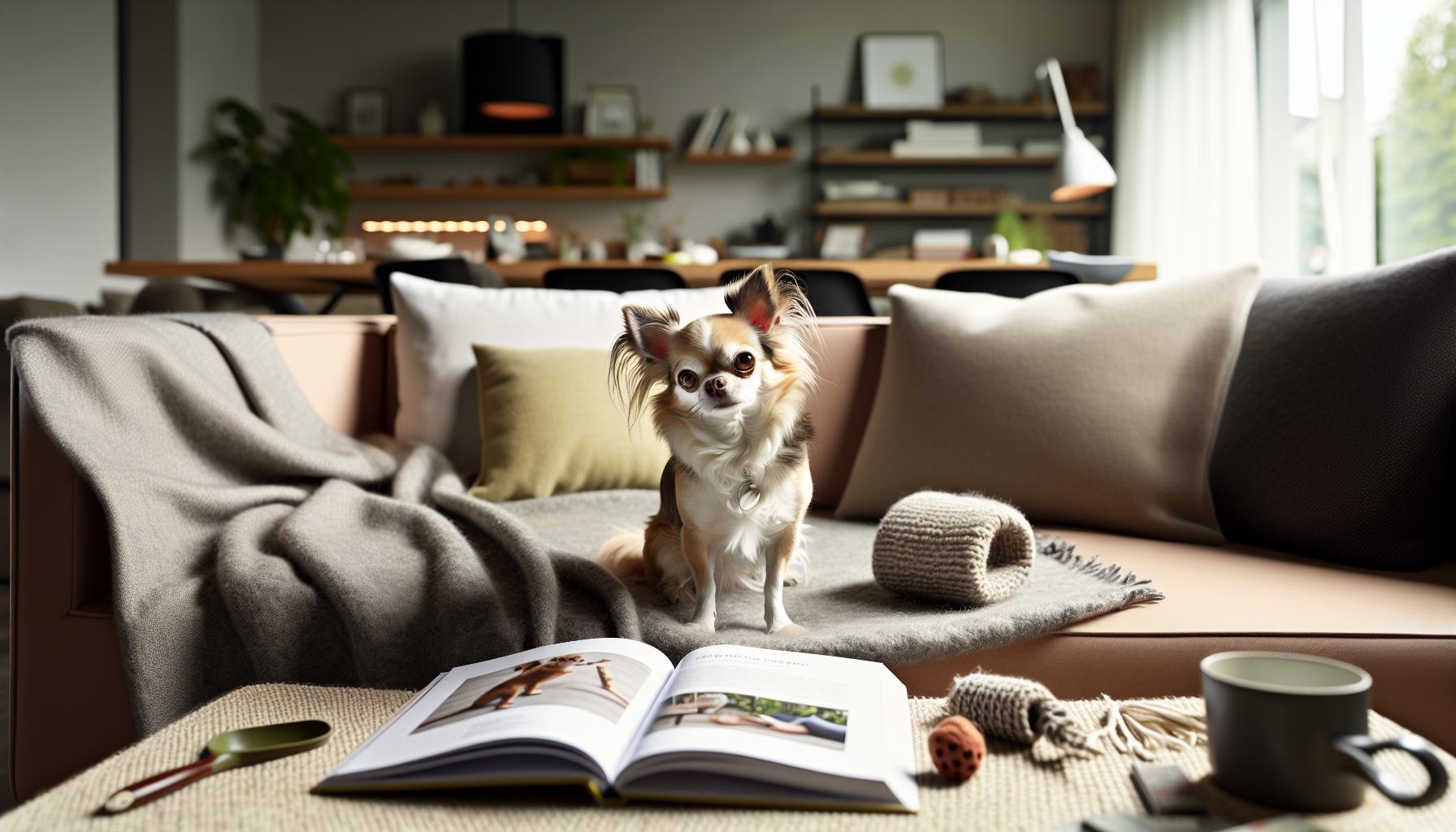
Understanding Your Chihuahua’s Unique Personality
Chihuahuas are a breed like no other, bursting with personality despite their pint-sized stature. Known for their bold demeanor and vocal nature, these little companions often captivate hearts with their fierce loyalty. It’s essential to understand that their spirited personality traits can significantly influence training approaches. Properly navigating this unique temperament can mean the difference between a well-trained Chihuahua and one that might have trouble adhering to commands or socializing well.
One of the standout characteristics of Chihuahuas is their strong attachment to their owners. They are often described as “one-person” dogs, showcasing an unwavering loyalty that can lead to profound bonding. However, this loyalty also has its challenges; it can manifest as possessiveness or anxiety when faced with unfamiliar situations or strangers. For instance, a Chihuahua named Bella became overly protective when her owner welcomed guests, barking incessantly and attempting to assert herself. This behavior exemplifies the need for effective socialization and gradual exposure to new environments.
To train effectively, embrace their intense need for connection. Incorporate their desire to please into every training session by using rewards that resonate with her, such as treats or praise for positive actions. This approach not only captivates their attention but builds trust between owner and pet. When training a little one like Max, who loves his favorite squeaky toy, offering it as a reward for following commands can turn a training session into a fun game, reinforcing the desired behaviors.
Chihuahuas also exhibit a range of quirks, from their varying coat types-smooth, long-haired, or even apple-headed-to their courageous yet sometimes stubborn attitudes. Such traits require a slightly different training strategy than other breeds. Owners should be consistent and patient, understanding that these little dogs, while intelligent, may take their time to catch on to commands. It’s essential to foster a positive and dynamic learning environment, balancing fun with structure to keep them engaged and eager to learn. Ultimately, celebrating their unique character while addressing challenges through tailored training methods will pave the way for a strong, positive relationship between you and your Chihuahua.
Establishing a Strong Foundation with Basic Commands
When it comes to training your Chihuahua, laying a solid foundation with basic commands is crucial. These tiny dogs, often bursting with energy and personality, thrive on structure and consistency. By teaching essential commands like “sit,” “stay,” and “come,” you not only enhance communication but also help your furry friend feel secure. Establishing this groundwork will pave the way for more advanced training and a harmonious home.
Start with the basic command “sit,” a great entry point for training. Hold a treat above your Chihuahua’s nose and slowly move it back over his head. As he follows the treat, his bottom will naturally lower to the ground. The moment he sits, reward him with the treat and enthusiastic praise. For a Chihuahua like Luna, who sometimes gets distracted by any movement around her, keeping training sessions short-around five to ten minutes-helps maintain her focus and enthusiasm.
Next, introduce the “stay” command, which is especially important for Chihuahuas due to their instinct to dart away when excited. Begin by asking your Chihuahua to sit, then hold your hand out in front of him, as if signaling “stop.” Take a step back, and if he stays put, immediately return to him with a treat. Gradually increase the distance and duration of the stay, ensuring he understands that remaining in place is rewarding. Remember, for little ones like Rocky who may be quick to jump up or wander, practicing in a quiet area can greatly reduce distractions.
As your Chihuahua masters these basic commands, be sure to foster a positive and engaging environment. Use upbeat tones and plenty of treats or toys that he particularly loves-this will keep the sessions joyful and fulfilling. It’s essential to celebrate small victories; even a brief second of sitting still or staying put deserves recognition. With patience and joy, these basic commands will not only strengthen your bond but also instill confidence in your Chihuahua, setting the stage for successful training in the future.
Effective Socialization Techniques for Chihuahuas
To thrive in a world filled with new experiences, Chihuahuas need positive socialization from an early age. This tiny breed, often bold and vocal, can develop strong attachments to their owners, sometimes leading to shyness or over-protectiveness if not properly socialized. Effective socialization helps them build confidence and ensures they feel comfortable with various people, pets, and environments throughout their lives.
Start the process by introducing your Chihuahua to different experiences in a controlled and positive manner. Begin with brief interactions, gradually increasing the complexity as your pup gains confidence. For instance, take him to a friend’s house where a calm, friendly dog is present. Monitor the interactions and reward your Chihuahua with treats and praise for calm behavior. This reinforces positive associations with new situations. Always be patient; some Chihuahuas may take longer to adjust. A little Chihuahua named Bella, for example, learned to enjoy outings when her owners consistently took her to the park, rewarding her every time she greeted another dog without barking or hiding.
Public spaces can be overwhelming, especially for a small breed like the Chihuahua. Create opportunities for controlled events where your pup can calmly observe the hustle and bustle. Visit pet-friendly cafés, or attend puppy classes where she can interact with other dogs. These environments should be low-stress and enjoyable. Use a soft voice and positive reinforcement to encourage exploration. Interactions with different people are also beneficial. Invite friends over, allowing your Chihuahua to meet new faces. Ensure these interactions are rewarding for her, with treats or toys used to create a positive experience.
Encourage gentle handling so your Chihuahua becomes familiar with being touched by others, and enrich her environment with a variety of sounds-perhaps through playful recordings or interactive toys. This helps desensitize her to the everyday noises that might frighten her, like doorbells or thunder. Remember that socialization is an ongoing process; continue to expose her to new experiences through her life. This not only shapes a well-rounded dog but also strengthens the bond you share, making outings and experiences enjoyable for both of you. With consistency, patience, and a sprinkle of love, your Chihuahua will flourish, confidently navigating the world like the little superstar she is.
Positive Reinforcement: The Best Training Method
Training a Chihuahua requires a unique approach that acknowledges their bold personalities and strong attachment to their owners. Positive reinforcement is the most effective method for training this spirited breed, not only because it builds a trusting relationship but also because it taps into their motivation for treats, praise, and attention. Chihuahuas thrive in an environment where successes, no matter how small, are consistently celebrated. For instance, when your little companion sits on command, reward him immediately with a tasty treat and enthusiastic praise, reinforcing that he has done something wonderful.
To implement positive reinforcement effectively, create a diverse reward system that speaks to your Chihuahua’s unique tastes. Use a variety of treats-like tiny pieces of chicken, cheese, or commercial dog treats he loves-and combine them with verbal praise and gentle petting. Many owners find success by carrying treats during walks or play sessions, ensuring that rewards are readily available. Start with simple commands such as “sit,” “stay,” and “come,” and be sure to reward him every time he responds appropriately. This helps build a strong foundation and encourages enthusiastic participation in training sessions.
Chihuahuas are incredibly intelligent yet sometimes stubborn, which can pose challenges in training. For instance, a common hurdle might be getting them to stop barking at every passerby. Instead of scolding your Chihuahua, redirect his focus with a command like “quiet” paired with a treat when he complies. This technique not only reinforces the desired behavior but also teaches him that calmness is rewarding. Tailor your training to his attention span-keeping training sessions short, around 5 to 10 minutes, makes the process more enjoyable and effective for both of you.
Incorporating games into your training can elevate the experience, turning lessons into fun activities. Simple fetch, hide-and-seek, or tricks like “roll over” can keep your Chihuahua engaged while instilling discipline. Remember that consistency and patience are key; celebrate even the smallest achievements to cultivate a joyful and productive training environment. By using positive reinforcement, you will not only train your Chihuahua successfully but also deepen your bond, making your little companion feel loved and secure as he learns to navigate the world confidently.
Common Training Challenges and How to Overcome Them
Training a Chihuahua can be both rewarding and challenging, particularly due to their spirited and sometimes stubborn nature. As a proud owner, you may find that your little companion’s bold personality presents unique obstacles in the training process. For instance, issues like selective hearing can frustrate even the most patient pet parent. When your Chi decides to ignore your commands, it may be tempting to raise your voice. However, this approach often yields little success and can damage your bond. Instead, utilizing positive reinforcement to reinforce good behavior is crucial.
Understanding Common Challenges
Among the most common training hurdles Chihuahua owners face is excessive barking. These tiny pups are known for their vocal tendencies, often barking at strangers or other animals. To combat this, it’s important to redirect their attention with a command, such as “quiet,” followed by an immediate reward when they comply. For example, if your Chihuahua barks at a passerby, calmly issue the “quiet” command and wait for even a moment of silence to reward him. This reinforces the desired behavior and helps him learn that keeping calm is just as rewarding as barking.
Another frequent issue is the hesitation to engage in socialization. Chihuahuas can be wary of unfamiliar situations or people. To ease this anxiety, slowly introduce your furry friend to new environments and ensure these experiences are positive by incorporating treats and praise. You might take him on a stroll in a dog-friendly park where gentle dogs are more likely to approach. Each positive encounter will help build his confidence, fostering better social skills over time.
Creating Solutions
To ensure effective training sessions, keep in mind that Chihuahuas benefit from short, focused periods of training. Aim for 5 to 10 minutes of concentrated work, followed by playtime or a walk. This balance maintains his attention and makes learning feel enjoyable rather than strenuous. Incorporate interactive games like fetch or treasure hunts within the home to tie in training with fun.
Additionally, consistency is key. Use the same cues for commands and ensure all family members are on the same page regarding training methods. Inconsistencies can confuse your Chihuahua, leading to unwanted behaviors. Regularly celebrating small victories-like when he sits on command or greets a new friend without barking-can help reinforce the idea that training is a positive experience, encouraging him to participate more enthusiastically.
Remember, training a Chihuahua requires patience and understanding of their unique personalities. By addressing challenges with tailored strategies, you can foster a loving, disciplined environment that allows your Chi to thrive, ensuring a long and healthy companionship.
Creating an Engaging Training Environment
for your Chihuahua can make all the difference in how effectively he learns. These tiny, spirited companions thrive in a setting that is stimulating yet comfortable, where they feel safe to explore and experiment. By tailoring your training environment to his unique needs, you cultivate not just better learning outcomes but a deeper bond between the two of you.
One essential element is to ensure that the training space is free from distractions. Chihuahuas are naturally curious, and their attention can easily be diverted by sights, sounds, or even people passing by. Choose a quiet room or a familiar spot in your home, ideally where he can feel relaxed and focused. Keep the area clear of loud noises, and if possible, make it a dedicated space where training consistently takes place. Consistency helps him associate this environment with learning, making him more eager to participate.
It’s also vital to incorporate interactive elements that engage your Chihuahua’s senses. Use toys that stimulate his mind, such as puzzle feeders or toys that dispense treats when solved. This not only makes training more enjoyable but also mimics the playful exploration he loves so much. For instance, consider using his favorite toy as a reward during training sessions. If he loves a certain squeaky toy, make it a part of the training process. This method leverages his natural drive for play, turning learning into a game.
Additionally, consider setting up mini training courses around your home. Use items like cones or even furniture to create agility challenges that embrace his playful nature. These courses can help him learn commands while physically engaging him, which is particularly beneficial for a breed known for its spunk. Moreover, you can rotate the setup regularly to keep things fresh and challenging. The key is to make training a joyful experience, filled with positive reinforcement that celebrates his achievements-big or small. Remember, for Chihuahuas, every successful sit, stay, or come should be met with cheers and treats, emphasizing that learning is not just rewarding but also fun.
In summary, by fostering a training environment that is safe, engaging, and playful, you’re not only facilitating learning but also reinforcing the joyful companionship that defines the Chihuahua experience. With every session, you reinforce your bond and set the stage for a happier, healthier life together.
Fun Training Activities Tailored for Chihuahuas
Engaging your Chihuahua in training activities that are both fun and effective can significantly enhance their learning experience while strengthening the bond you share. These little dogs, often brimming with personality and energy, thrive in settings that stimulate their mind and cater to their playful nature. Here are some enjoyable activities designed especially for Chihuahuas that make training a delightful adventure.
Interactive Games
One of the most effective ways to train your Chihuahua is through interactive games. These activities not only provide exercise but also engage his intellect. Consider games like hide and seek, where you hide and call him to come find you. Use treats or his favorite toy as a reward upon his arrival. This reinforces the “come” command while also being a fun bonding activity.
You can also try tug-of-war with a soft toy. This game encourages physical activity and teaches him how to follow commands like “take it” and “drop it.” Just ensure the game stays friendly and doesn’t get too rough, as Chihuahuas can be quite spirited!
Mini Agility Courses
Setting up a mini agility course in your living room or backyard can be a game-changer for your Chihuahua. Use kitchen chairs as weaving poles or cushions as obstacles to jump over. This not only encourages him to exercise but also teaches him to follow your lead and respond to commands like “jump,” “weave,” or “over.” Make it varied and change the course layout regularly to keep him mentally stimulated and challenged.
Positive Reinforcement Training
Incorporate positive reinforcement into all training activities. Use treats that are enticing for your Chihuahua, such as small bits of cheese or special training treats. Consistently rewarding him when he successfully completes the tasks boosts his confidence and motivation to learn. Remember, celebrating the small victories with enthusiastic praise and treats is key, given their sensitive and loving nature.
Additionally, if you notice your Chihuahua responding well to certain sounds or visual cues (like jingling a treat bag or showing his favorite toy), leverage these during training sessions. This will help him associate the sound or sight with positive experiences, making him more eager to participate.
Short Training Sessions
Keep training sessions short and lively-about 5 to 10 minutes is ideal for Chihuahuas. Given their short attention spans, frequent breaks and changes in activity can prevent him from losing interest. End each session on a positive note, even if it means simply having him perform a basic command like “sit” before giving a treat. This not only reinforces his learning but also builds a positive association with training.
By incorporating these fun activities into your Chihuahua’s training routine, you’ll not only facilitate his learning but create enjoyable and memorable experiences that strengthen your bond. Remember, these little dogs are not just pets; they are loyal companions who thrive on your interaction and love.
Understanding and Managing Chihuahua Behavior Issues
Chihuahuas are known for their spirited personalities and sometimes quirky behavior. Understanding their unique temperament is key to addressing behavioral issues effectively. Often, their boldness and loyalty lead them to display challenging behaviors such as excessive barking, aggression, or stubbornness. Recognizing that these traits stem from their strong desire to protect their loved ones and assert their place in the household can turn behavioral challenges into training opportunities.
One major behavioral issue that many Chihuahua owners encounter is barking. These little dogs are naturally vocal, but excessive barking can occur when they feel anxious or threatened. To manage this, provide your Chihuahua with a safe space where he can retreat when feeling overwhelmed. Additionally, teaching the “quiet” command can significantly curb unnecessary yapping. When he begins to bark, calmly say “quiet” and reward him with a treat for compliance. Consistency is essential; over time, he will learn that quietness is desired.
Another common challenge is aggression, often displayed towards unfamiliar dogs or people. This behavior is often rooted in fear rather than dominance. Socialization is crucial. Expose your Chihuahua to various environments, people, and other animals early in his life. This builds his confidence and reduces fear-based reactions. If your Chihuahua shows signs of aggression, it’s vital to redirect his focus with commands or treats. Training sessions in these situations can also reinforce positive behaviors, turning potentially tense interactions into opportunities for bonding.
Managing anxiety is another significant aspect of your Chihuahua’s behavioral health. These little dogs can be prone to separation anxiety when left alone. To ease this, gradually increase the time he’s alone, ensuring he has engaging toys or treat-dispensing puzzles to keep him occupied. Creating a regular routine can also give him a sense of stability, bolstering his mental well-being.
Understanding and managing your Chihuahua’s behavior issues takes patience and commitment. By employing training techniques tailored to his specific needs and temperament, you’ll nurture a well-rounded, happy companion. Remember, the goal isn’t just to correct behavior but to foster a loving and trusting relationship where both you and your Chihuahua thrive.
Lifespan Connection: Training for Long-Term Health
Training your Chihuahua isn’t just about teaching commands-it’s a vital pathway to ensuring a healthy and fulfilling life for your little companion. Chihuahuas may be small, but they have big personalities that can lead to unique health challenges if not managed properly. A well-trained Chihuahua is not only a joy to have but is also likely to enjoy a longer, healthier life.
Regular training sessions can help keep your Chihuahua fit both mentally and physically. Engaging in activities such as agility training, scent work, or even simple tricks can provide essential exercise and stimulation. The combination of physical challenges and mental engagement helps maintain a healthy weight, reducing the risk of obesity-a common concern for this breed, especially given their propensity for small appetites yet sporadic overeating when treats are involved.
Moreover, preventive training can mitigate behavioral issues that might lead to stress or anxiety, factors linked to various health problems. For instance, Chihuahuas are prone to separation anxiety, which can lead to destructive behaviors and health complications. Consistent training paired with gradual desensitization to alone time can foster resilience. Creating a safe environment with interactive toys can also help your Chihuahua feel secure when you’re away, decreasing anxiety-related health risks.
Lastly, understanding how to identify and manage potential health concerns through training is crucial. Regular visits to the vet, alongside establishing a routine that includes exercise and mental stimulation, are imperative components of your Chihuahua’s overall care. Encourage training that allows you to recognize signs of discomfort or illness-things like reluctance to engage in activities or changes in barking behavior-are signals from your dog that shouldn’t be ignored.
By building a solid training foundation, you create a routine that not only nurtures your Chihuahua’s physical health but also fosters emotional well-being, forming the basis for a long, happy, and healthy life together.
Advanced Training Techniques for Experienced Owners
Training a Chihuahua at an advanced level is not just a test of your skills but an exciting journey into understanding their unique quirks and capabilities. These tiny companions may be small in stature but are large in personality and potential. With their bold nature and unwavering loyalty, Chihuahuas can excel in advanced training when strategies align with their spirited demeanor.
One effective advanced technique is trick training, where you teach your Chihuahua to perform complex commands or stunts like rolling over, playing dead, or even fetching specific items by name. Given their intelligence, Chihuahuas are highly capable of learning tricks if the training sessions are kept positive and engaging. For instance, using fun props like a small hoop for jumping or a platform for balancing can tremendously elevate their skills while keeping them physically interactive. Focus on one new trick at a time to avoid overwhelming him; you’ll be amazed at how quickly he picks up on the cues.
Agility training is another fantastic avenue for experienced owners. Setting up a mini obstacle course can challenge your Chihuahua both mentally and physically. Using tunnels, weave poles, and low jumps can keep his energy in check while enhancing coordination. Keep sessions short and spirited. For example, engage your Chihuahua by using his favorite toys or treats as rewards when he completes the course successfully. Remember, the aim is always to have fun!
Managing behavioral cues during advanced training is also crucial. Chihuahuas are known for their vocal tendencies and can sometimes become overly excited or protective. Teaching commands that encourage calmness, like “settle” or “place,” can help mitigate excessive barking during training. Use a gentle approach, and be consistent with your commands. Real-life success examples show that many owners have noticed immense improvement in their dogs’ behavior when clear, calm commands are consistently enforced during training sessions.
Lastly, introducing scent work can be incredibly stimulating for your Chihuahua. These little dogs have a keen sense of smell, and engaging them in hide-and-seek games with their favorite toys or treats can stimulate their minds wonderfully. Start by having him watch you hide the item; then encourage him to find it. This not only builds confidence but deepens the bond between you two as you celebrate each successful discovery together.
Advanced training for Chihuahuas melds fun with discipline and can lead to a rewarding relationship. By tailoring your techniques to their tiny yet fiery spirits, you give your Chihuahua the tools for success as well as the joy of learning, fostering a lifetime of happiness and companionship.
Real-Life Success Stories: Chihuahuas Who Thrived
The journey of training Chihuahuas can lead to remarkable transformations that highlight their vibrant personalities and boundless potential. Many owners have shared inspiring stories about how their tiny companions, driven by affection and determination, flourished through the right training techniques. One such success story involves Bella, a feisty apple-head Chihuahua who was initially shy and hesitant around people. With consistent positive reinforcement, her owner used treats and praise to reward Bella for small steps outside her comfort zone. Over time, Bella went from hiding under the couch to strutting her stuff at the local dog park, charming everyone with her newfound confidence.
Another heartening example is Max, a lively long-haired Chihuahua who always struggled with separation anxiety. His owner implemented gradual desensitization techniques, starting with short departures followed by longer absences, paired with engaging toys and comforting items to ease Max’s stress. With patience and perseverance, Max learned to enjoy his independence, allowing his owner to run errands without the usual fuss. Today, he’s not only a master of tricks but also confident in exploring the world without fear.
Training Tips from Successful Owners
These success stories often highlight the effectiveness of tailored training approaches. Here are some key strategies shared by enthusiastic Chihuahua owners:
- Consistency is Key: Regular training sessions helped reinforce learned behaviors.
- Positive Reinforcement: Using treats and affectionate praise motivates and encourages Chihuahuas to engage and learn.
- Short and Fun Sessions: Keeping training sessions brief but fun maintains the dog’s attention and enthusiasm.
- Socialization Opportunities: Introducing Chihuahuas to various environments and other dogs can help develop their confidence and adaptability.
These heartwarming tales underscore an essential truth: every Chihuahua has the potential to thrive with the right strategies that cater to their unique personalities. By celebrating their spirited nature and harnessing their intelligence, owners can foster incredible growth and bond deeply with their beloved pets. Embracing both the challenges and joys of training not only enriches their lives but also creates lasting memories that both the dog and owner will cherish.
Frequently Asked Questions
Q: What is the best age to start training a Chihuahua?
A: The best age to start training a Chihuahua is around 8 weeks old. Early training helps establish good habits and socialization skills. Consistency is key; use positive reinforcement to encourage desired behaviors. Starting early can lead to a well-adjusted, obedient companion.
Q: How long should training sessions be for Chihuahuas?
A: Training sessions for Chihuahuas should last 5 to 10 minutes. Due to their short attention spans, it’s important to keep them engaging and frequent. Split training into several short sessions throughout the day to enhance focus and retention.
Q: Can Chihuahuas be crate trained?
A: Yes, Chihuahuas can be crate trained effectively. Introduce the crate gradually, making it a positive space with treats and toys. Ensure it is never used as punishment. Crate training can help with housebreaking and providing a safe environment.
Q: How do I correct bad behavior in my Chihuahua?
A: To correct bad behavior in your Chihuahua, first identify the trigger and provide an alternative behavior. Use positive reinforcement for good habits and redirect undesirable actions gently. Avoid harsh punishments; they can damage your relationship.
Q: Do Chihuahuas respond well to training?
A: Yes, Chihuahuas can respond very well to training, especially when positive reinforcement methods are used. They are intelligent and eager to please, making them capable of learning various commands and tricks. Consistency and patience are essential for success.
Q: How can I socialize my Chihuahua effectively?
A: Effective socialization for Chihuahuas involves exposing them to various people, environments, and situations. Start slowly and reward calm behavior with treats and praise. Group classes or playdates with other dogs can also enhance their social skills.
Q: What are common mistakes when training Chihuahuas?
A: Common mistakes include being inconsistent, using harsh training methods, and underestimating their intelligence. It’s crucial to remain patient and positive. Always reward good behavior and avoid punishing mistakes to foster a trusting relationship.
Q: Why is positive reinforcement the best method for Chihuahuas?
A: Positive reinforcement is the best method for Chihuahuas because it builds trust and encourages a strong bond. By rewarding desirable behavior, you promote learning in a fun and engaging way, making training an enjoyable experience for both you and your dog.
In Conclusion
Training your Chihuahua can be a rewarding journey, filled with unique moments that strengthen your bond. Remember, consistency is key, and using positive reinforcement will help your little companion thrive. Whether you’re dealing with a vocal apple-head or a bold long-haired beauty, patience and understanding will go a long way. If you’re looking to dive deeper, check out our articles on understanding Chihuahua behavior and effective socialization techniques.
Don’t wait-start implementing these proven methods today and watch your Chihuahua flourish into the well-mannered companion you’ve always wanted. We invite you to share your training stories in the comments below, or explore other useful resources on our site to enhance your dog training experience. Your journey doesn’t end here; uncover more insights to elevate your Chihuahua’s life and your own. Remember, every little tail wag is a step forward!
Get our latest guides, news, and insights highlighted in your Google Search & AI Overviews.