

Did you know that Chihuahuas are not just the tiniest dogs but also come in a variety of types that reflect their unique personalities and quirks? Many people assume there’s only one kind of Chihuahua, yet the breed boasts distinct variations like the Apple Head and Deer Head, each with different traits and health considerations. Understanding these differences is crucial for both new and experienced owners, as it influences everything from health care to behavior training. Whether you’re drawn to their bold, loyal nature or their petite stature, knowing the nuances of Chihuahua breeds can enhance your bond with your furry friend. Join us as we explore how many different Chihuahua breeds there really are and celebrate the rich diversity within this beloved breed. Your journey to becoming a more informed and prepared Chihuahua owner starts now!
Understanding the Chihuahua Breed Characteristics
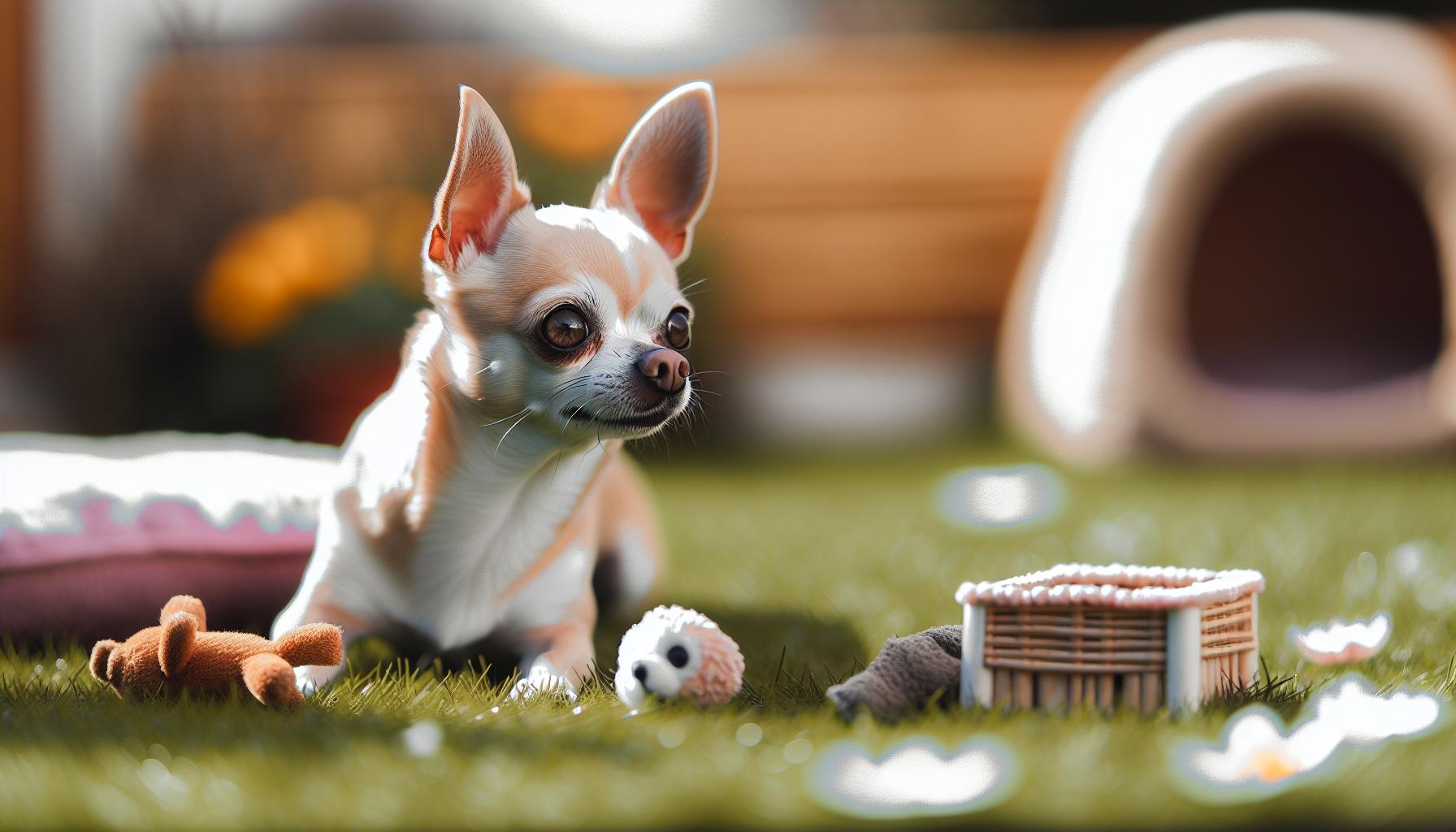
Understanding the Chihuahua breed is essential for any potential or current owner who wants to cherish the unique traits that define these little companions. Chihuahuas are not just small dogs; they embody a bold spirit and a remarkable loyalty that win over many hearts. With their tiny stature-often weighing between 2 to 6 pounds-they boast big personalities, making them one of the most adored toy breeds.
One key characteristic that defines Chihuahuas is their distinctive head shape, which can vary within the breed. The two main types are the apple-head and the deer-head. The apple-head variant has a rounded skull and a more pronounced forehead, often giving them a cute, inquisitive look. In contrast, the deer-head variety features a flatter skull with a longer nose, resembling the sleek elegance of a deer. Both types share a similar temperament but may exhibit different physical traits that influence their appeal to various owners.
Chihuahuas come with a variety of coats, ranging from smooth short hair to long, flowing fur. This diversity allows owners to choose based on aesthetic preference and suitability for their living environment. For example:
- Short-haired Chihuahuas: Require minimal grooming and are well-suited for warmer climates.
- Long-haired Chihuahuas: Often need more grooming to prevent tangling, which can be a fun bonding experience for owners.
Behaviorally, Chihuahuas are known for being protective and vocal. They tend to bond closely with their owners and can be quite territorial. This trait makes training essential from an early age to socialise them well and reduce any tendencies towards nervousness or over-excitement in novel situations. First-time owners might find that establishing a consistent routine helps in nurturing a calm demeanor in their Chihuahua, setting the stage for a loving, well-adjusted pet.
In essence, understanding the unique traits of Chihuahuas-from their size and coat variations to their spirited personalities-allows owners to tailor their care and training approaches. Celebrating these characteristics not only enriches the owner-dog relationship but also enhances their overall wellbeing and happiness.
The Unique Traits That Define Each Chihuahua Type
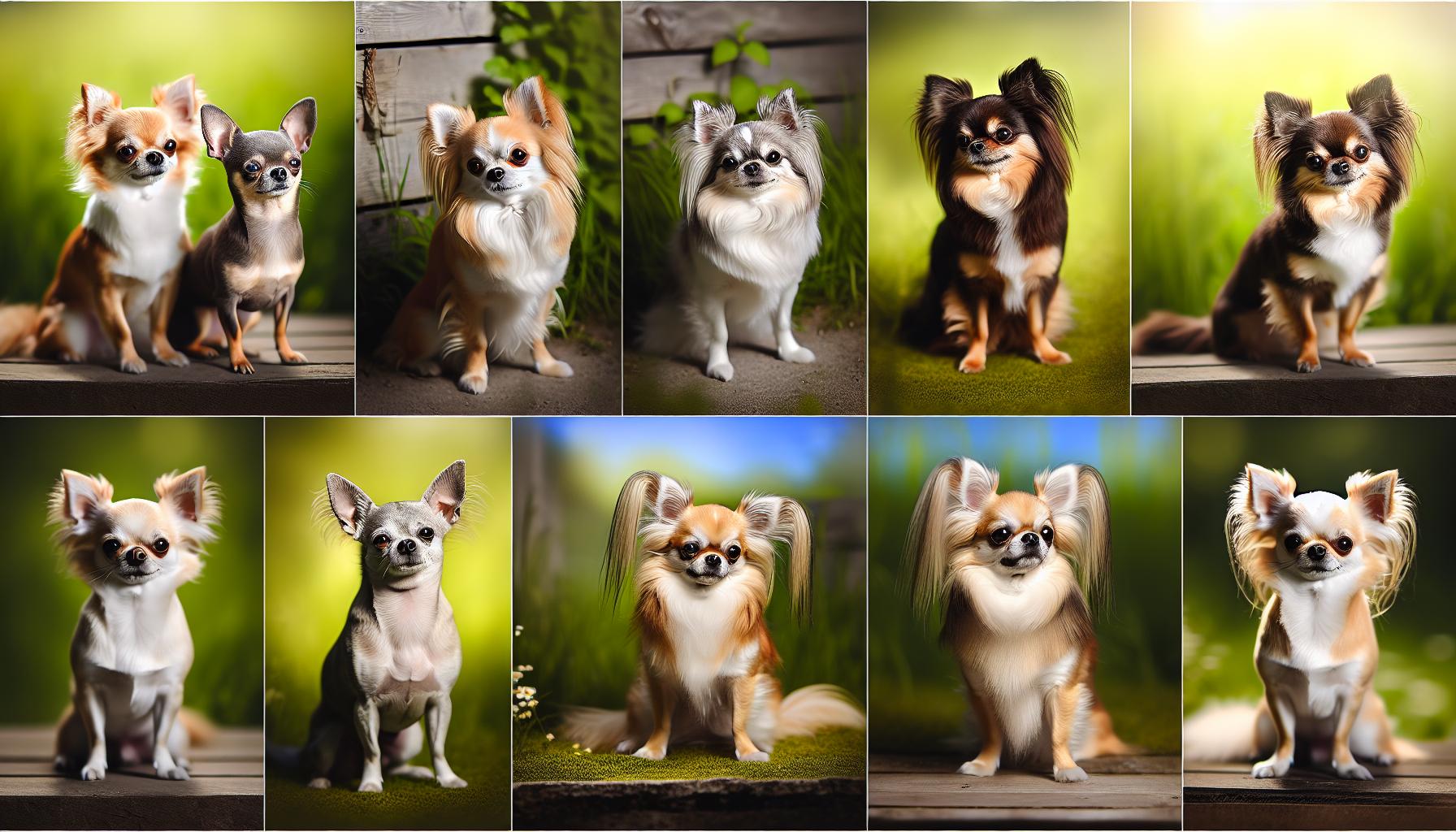
Chihuahuas are a delightful and diverse breed, and each type brings its own unique charm. Understanding the differences between the various Chihuahua types can help you appreciate their characteristics and choose the best companion for your lifestyle. Two primary head shapes define the breed: the apple-head and the deer-head. Apple-head Chihuahuas often have a round skull and a shorter muzzle, which gives them an adorable, almost doll-like appearance. Their large, expressive eyes can melt hearts, making them especially popular among toy dog enthusiasts. In contrast, deer-head Chihuahuas have a longer, flatter skull with a more elongated snout, resembling the elegant features of a young deer. This variety tends to have a more laid-back demeanor and may appear slightly larger and more robust than their apple-headed counterparts.
Additionally, Chihuahuas come in an impressive array of coat types, each contributing to their visual appeal. Owners can choose from short-haired or long-haired varieties, both of which have distinct grooming needs. Short-haired Chihuahuas boast sleek fur that requires minimal grooming, making them ideal for busy owners or those in warmer climates. On the other hand, long-haired Chihuahuas offer a luxurious, flowing coat that wraps around their tiny frames, but they require regular brushing to avoid tangles and mats. This can be a rewarding bonding experience, as many owners enjoy grooming as a time to connect with their pet.
When it comes to personality traits, all Chihuahuas share a bold and spirited demeanor, but individual quirks can vary widely. For instance, an apple-head might exhibit a more playful and feisty personality, standing guard over his favorite toys and demanding attention from his humans. Meanwhile, a deer-head might have a calmer disposition, often content to snuggle on the couch for long periods. Regardless of type, Chihuahuas are known for their loyalty, often forming strong bonds with their owners and being highly protective of their family members.
Understanding these unique traits not only helps prospective owners make informed decisions but also enriches the relationship between humans and their Chihuahuas. With their bold hearts housed in tiny bodies, each Chihuahua type offers something special, ensuring that no matter which variety you choose, you will be graced with a devoted and charismatic companion.
Popular Chihuahua Coat Varieties You Should Know
Chihuahuas are not only charming companions but also come dressed in an array of beautiful coats that can inspire any dog lover’s heart. Understanding the different coat varieties of Chihuahuas is essential for prospective owners, as each type offers unique grooming needs and aesthetic appeals. Whether you’re drawn to the sleek sheen of a short-haired Chihuahua or the luxurious locks of a long-haired beauty, there’s a perfect fur companion for everyone.
Chihuahuas are primarily categorized into two coat types: short-haired and long-haired. Each type presents its own set of characteristics:
Short-Haired Chihuahuas
These delightful pups have a smooth, glossy coat that lies close to their bodies. Owners of short-haired Chihuahuas will appreciate the minimal grooming required. Just a quick brush every week is typically enough to keep their coat looking vibrant and healthy. This variety excels in any climate, particularly warmer ones, due to their low grooming requirements. The effective shedding of this coat type also means that owners deal with less fur around the house-a definite bonus for cleanliness!
Long-Haired Chihuahuas
On the other hand, long-haired Chihuahuas offer an incredibly soft, flowing coat that brings a sense of elegance and charm. While they are undeniably beautiful, they do require a bit more time and attention. Regular brushing is essential to prevent mats and tangles, which can form easily if grooming is neglected. Many owners cherish this grooming time as a bonding experience, grooming their long-haired friends while enjoying some cuddle time on the couch. If you choose this coat type, invest in a good quality brush to make the process easier and more enjoyable for both you and your furry friend.
Both coat types also come in a variety of colors and patterns, allowing for even more individuality in your Chihuahua. You might find Chihuahuas in solid colors, patches, or even unique markings. For example, a fawn-colored short-haired Chihuahua may look quite different from a tricolor long-haired beauty.
In conclusion, whether you opt for the low-maintenance short-haired variety or the luxurious long-haired option, understanding the coat characteristics and care requirements is crucial for creating a happy life with your Chihuahua. Each coat type has its quirks and charms, making the experience of owning a Chihuahua both rewarding and joyous; her tiny frame wrapped in either sleek or fluffy fur is likely to steal your heart.
Exploring the Size Differences Among Chihuahua Breeds
The Chihuahua is a breed that captures hearts not only with its spunky personality but also with its delightful variations in size. While all Chihuahuas are generally small, the distinction among individual dogs can vary significantly, particularly between the two recognized types: the Apple Head and the Deer Head Chihuahuas. These differences are not just superficial; they often affect how owners approach care, training, and lifestyle compatibility.
Chihuahuas typically stand between 5 to 8 inches tall at the shoulder, but their weight can range wildly from about 2 to 6 pounds. Apple Head Chihuahuas, characterized by their round skull and short muzzle, tend to be a little stockier and can weigh on the higher end of this spectrum. In contrast, Deer Head Chihuahuas, which feature a longer muzzle and a flatter head, may appear taller and leaner, often sporting more elegant lines. Understanding these structural differences is crucial when choosing which type might fit best into your home. For example, if you’re interested in a more robust companion who can handle active play, you might lean towards an Apple Head, whereas a Deer Head could be more ideal if you’re looking for a graceful little friend.
Moreover, these physical distinctions can influence not just aesthetics but also behavior. Apple Head Chihuahuas may exhibit boldness and a little more vocal assertiveness, while Deer Heads may come off as slightly more laid-back and reserved. This boldness can manifest as a big-dog attitude packed into their tiny frames, which might lead to challenges in socialization with larger dogs or unfamiliar situations. First-time owners should keep these traits in mind, as they inform not only training methods but also the overall dynamic your new friend will have with your family, pets, and environment.
With their diverse sizes and personalities, choosing the right Chihuahua goes beyond basic looks-it’s about finding a companion that harmonizes with your lifestyle and comfort level. Each dog’s unique size and type contribute to the rich tapestry of the breed, and understanding these nuances will help ensure a satisfying relationship that celebrates the delightful quirks and charms that only a Chihuahua can offer.
Health Considerations for Different Chihuahua Types
Understanding the health needs of your Chihuahua is essential for ensuring a long and vibrant life for your furry friend. Each type of Chihuahua-whether it be the stockier Apple Head or the elegant Deer Head-comes with its own set of health considerations that owners should be aware of. Regular veterinary care and a keen eye for specific breed-related issues can dramatically influence your dog’s overall well-being.
Apple Head Chihuahuas, known for their distinctive rounded skulls, may be prone to conditions such as brachycephalic airway syndrome. This means they can have respiratory difficulties due to their short muzzles. It’s important to monitor their breathing, particularly during hot weather or strenuous activity. Additionally, the structure of their skull makes them more susceptible to fontanelle issues (soft spots on the skull), which could affect brain development. Owners of Apple Heads should prioritize gentle handling and limit activities that could lead to head trauma.
On the other hand, Deer Head Chihuahuas might face different health challenges. Their longer snouts can sometimes lead to dental problems, as they may have crowded teeth. Dental hygiene is crucial for this type; regular brushing and dental check-ups can help prevent common issues like gum disease. Moreover, due to their slightly taller and leaner builds, it’s essential to keep a close watch on their weight. Obesity can lead to a variety of health issues, including joint problems, which are particularly concerning in the small frames of Chihuahuas.
Both types require consistent check-ups and vaccinations, but it’s also important for owners to be proactive about recognizing signs of illness. Chihuahuas are known for their tenacity and heart, often masking discomfort or pain. Symptoms such as changes in appetite, excessive vocalizations, or unusual lethargy should prompt a visit to the vet. In addition, proper nutrition is vital; a balanced diet specially formulated for small breeds can support their unique needs, helping to stave off obesity and promoting a healthy coat.
Ultimately, by understanding and acknowledging the specific health concerns associated with your Chihuahua’s type, you can provide the best care possible. Whether you’re navigating respiratory issues with an Apple Head or managing dental health in a Deer Head, staying informed and involved in your dog’s health can lead to a happy, fulfilling companionship. Remember, your Chihuahua’s quirky personality shines brightest when he’s feeling his best!
Personality Traits: What Makes Each Breed Unique
Chihuahuas are not just small dogs; they are personalities packed into tiny frames. Their spirited nature and unique behaviors make them some of the most beloved companions worldwide. Regardless of the specific type-be it the courageous Apple Head or the elegant Deer Head-each Chihuahua type exhibits distinct personality traits that delight their owners.
Apple Head Chihuahuas, recognized by their rounded skulls and expressive features, often carry a certain boldness that belies their size. They tend to be quite vocal and protective, forming strong bonds with their humans. This breed’s loyal nature means they may act as little guardians, fiercely defending their territory despite their petite stature. Owners often share stories of their Apple Heads bravely confronting larger dogs, showcasing their fearless disposition. They thrive on attention and often enjoy being the center of their human’s universe, which can lead to adorable, if sometimes demanding, behavior.
On the other hand, Deer Head Chihuahuas, with their longer noses and more elegant builds, exhibit a slightly different demeanor. These Chihuahuas are often perceived as more laid back while still possessing a playful spirit. They generally enjoy social situations but may approach them with a healthy dose of cautious curiosity. Many owners report that their Deer Heads can be more reserved with strangers, taking their time to warm up and establish trust. This breed tends to be affectionate and requires a gentle yet firm hand in training, enjoying mental stimulation through games and interactive play.
When it comes to temperament, both types share traits, including a desire for companionship and a penchant for playfulness. Chihuahuas are known for their intelligence, which can sometimes veer into stubbornness. Early socialization and consistent training can help channel their energetic and sometimes sassy nature into positive behaviors. Owners have found success using positive reinforcement techniques, rewarding their Chihuahuas for good behavior, and involving them in family activities to help build confidence and reduce separation anxiety.
Whether you have an Apple Head or a Deer Head, the heart of a Chihuahua is filled with love and curiosity. These charming little dogs adapt beautifully to their environment, making them suitable for both bustling households and quiet lives. Learning about their personality traits not only enhances your relationship with your furry friend but also empowers you to provide the best care and environment for their unique needs. Always remember that each Chihuahua, regardless of type, has its own quirks and charms that make it one of a kind.
Chihuahua Care Essentials for Different Breeds
Caring for a Chihuahua, whether he’s an Apple Head or a Deer Head, requires attention to his unique needs. Understanding these essentials not only keeps your furry friend happy and healthy but also helps strengthen the bond you share. Chihuahuas may be small, but they come with a dynamic personality that needs nurturing and guidance.
One crucial aspect of care is nutrition. Chihuahuas have tiny stomachs, so providing high-quality, small-breed dog food is essential for their health. Look for brands that focus on protein-rich ingredients, as Chihuahuas tend to thrive on diets formulated for their energy levels. Additionally, feeding your dog several small meals throughout the day can be beneficial, preventing him from feeling too full at once. For example, one owner shared that switching to a grain-free diet significantly improved her Apple Head’s energy and coat condition.
Another important care element is exercise. Despite their petite stature, Chihuahuas are energetic creatures who benefit from daily walks and playtime. Aim for at least 30 minutes of activity to keep him fit and mentally stimulated. Interactive toys, like treat-dispensing puzzles, can also engage his sharp intellect and help curb boredom-related mischief. An owner of a Deer Head mentioned that her dog loves to play fetch in their backyard, reinforcing the importance of enjoyable exercise tailored to your Chihuahua’s personality.
Grooming needs can vary by coat type. If your Chihuahua has a long coat, more frequent brushing will help manage tangles and reduce shedding. For those with shorter coats, a weekly brush should suffice. Bathing should be done as needed, usually once every few months, to maintain skin health while avoiding over-drying. Always check your dog’s ears and teeth regularly; maintaining oral hygiene is critical as smaller breeds are prone to dental issues. One Chihuahua mom found that vet-approved dental chews made a significant difference in her pup’s tooth health.
Lastly, socialization and training are key. Chihuahuas can be quite vocal and may have a bold temperament, which is why early socialization with other dogs and people is crucial. Implementing consistent, positive reinforcement training early on helps curb any stubborn tendencies. For instance, using treats and praise when he exhibits good behavior fosters a trusting relationship and boosts his confidence. Remember, patience is vital; each Chihuahua embodies a unique personality, and adapting your approach will yield the best results.
In essence, caring for a Chihuahua is an enriching experience filled with love and joy. By focusing on tailored nutrition, regular exercise, attentive grooming, and effective training, you ensure that your delightful companion thrives in a happy, healthy environment. Every small step you take in understanding these essentials contributes to a wonderful life together.
Training Tips Tailored to Your Chihuahua’s Breed
Training your Chihuahua can be a joyful journey filled with rewards, especially when you consider their unique characteristics. Did you know that Chihuahuas are not only one of the smallest dog breeds but also have distinct personality traits that vary between types? With the right training strategy, you can harness your tiny companion’s vibrant energy and intelligence, ensuring they thrive both in behavior and bonding.
Understanding your Chihuahua’s specific breed traits can significantly enhance your training approach. For instance, Apple Head Chihuahuas tend to be more affectionate and eager to please, making them responsive to gentle commands. Training sessions with treats and praise work wonders, encouraging their willingness to cooperate. In contrast, Deer Head Chihuahuas might showcase a more independent streak; thus, incorporating playful elements into training, like agility exercises, can keep them engaged and interested.
Positive Reinforcement Techniques
Utilizing positive reinforcement is paramount in training Chihuahuas, regardless of the breed type. This approach fosters trust and encourages them to repeat desirable behaviors. Consider the following tips for effective training:
- Short Sessions: Keep training sessions brief (about 5-10 minutes) to maintain their attention and enthusiasm.
- Consistent Commands: Use clear, concise verbal cues and body language for commands. For example, a sharp “Sit!” paired with a hand gesture works effectively.
- Immediate Rewards: Reward your dog immediately after they follow a command with praise or treats. This reinforces the behavior they’re being praised for.
Real-life experiences showcase the effectiveness of this method. One owner noted that her long-coated Chihuahua responded exceptionally well to training when she consistently paired verbal feedback with petting and treats. The warm connection strengthened their bond while making learning a fun experience.
Socialization Matters
Moreover, early socialization plays a crucial role in your Chihuahua’s growth. Introducing them to different environments, sounds, people, and dogs helps curb any potential anxiety or aggressive tendencies, which is particularly vital for the more vocal types. Regularly attending puppy playdates or classes can expose your Chihuahua to various stimuli, enriching their social skills.
Patience is Key
Each Chihuahua has a unique personality, which means what works for one may not work for another. Be patient and flexible in your approach. If a method isn’t yielding results, don’t hesitate to switch it up. Owners frequently share stories of their Chihuahuas’ misadventures during training, reminding us that learning together is sometimes as entertaining as it is productive.
Ultimately, training should be seen as a collaborative experience filled with fun and understanding. By tailoring your methods to fit your Chihuahua’s distinct breed characteristics, you create a nurturing atmosphere that fosters a profound, lasting bond.
The History Behind Chihuahua Breeding Variations
The Chihuahua, with its bold personality and tiny frame, has a rich and diverse history that has shaped the breed we know today. Originating in Mexico, Chihuahuas were likely descendants of the Techichi, a small companion dog kept by ancient Aztec and Toltec civilizations. These small dogs were revered not only as loyal companions but also held spiritual significance, believed to guide their owners in the afterlife. This unique heritage has contributed to the enduring charm and characteristics of Chihuahuas.
Throughout the years, various breeding practices have led to the emergence of distinct types within the breed. Primarily, Chihuahuas can be categorized into two main types based on their head shape: the Apple Head and the Deer Head. The Apple Head Chihuahua is characterized by its rounded skull and short muzzle, often recognized for its sweet, expressive eyes and compact stature. In contrast, the Deer Head Chihuahua has a more elongated and narrower skull, resembling a fawn, which often results in a slightly taller frame. This variation isn’t just aesthetic; it influences temperament and behavior, with owners noting that Apple Head Chihuahuas tend to be particularly affectionate, while Deer Heads may exhibit a more independent streak.
Coat variations further enrich the breed’s diversity. Chihuahuas can have either short or long coats, with each type showcasing a variety of colors and patterns, from classic fawn to vibrant chocolate and white combinations. Owners often find that grooming needs differ significantly between coat types. Long-coated Chihuahuas may require more frequent grooming to prevent matting and tangles, while short-haired varieties are generally easier to maintain but still benefit from regular brushing to keep their skin healthy.
Understanding these breeding variations helps potential owners choose the right Chihuahua for their lifestyle. Whether you’re drawn to the playful Apple Head or the independent Deer Head, embracing their unique traits can enhance your bond with your furry companion. As always, remember that behind each variation lies a spirited individual, and getting to know your Chihuahua’s personality will be one of the most rewarding aspects of pet ownership.
Choosing the Right Chihuahua Breed for Your Lifestyle
Choosing the right Chihuahua can feel overwhelming, especially with the breed’s variety. Each Chihuahua has unique traits, and understanding these can help you find the perfect match for your lifestyle. For instance, small changes in their appearance, like an Apple Head versus a Deer Head, can signal different temperaments and care requirements. The compact Apple Head often brings a lively and affectionate demeanor, making them ideal for families or individuals who crave constant companionship. On the other hand, Deer Head Chihuahuas, with their slightly taller and more regal appearance, may showcase a spirit that’s more independent. This distinction can greatly influence how you engage and interact with your pet.
When considering the coat type, think about your grooming preferences and the time you can dedicate to care. If you lead a busy lifestyle, a short-haired Chihuahua might be more suitable for you, as they require less maintenance. However, long-coated Chihuahuas, while needing more frequent grooming, have that luxurious fur that many owners adore. If you choose a long-haired companion, be prepared for extra brushings and regular visits to the groomer to prevent mats and tangles. Overall, each coat type comes with its charm and challenges.
Considering your living arrangements is also crucial. If you live in a small apartment, both types of Chihuahuas can adapt well, they typically thrive in cozy spaces. However, Apple Head Chihuahuas often enjoy being close to their owners, while Deer Heads might be more content exploring their surroundings. Think about your daily routine, exercise opportunities, and how much time you can commit to playtime. Daily walks and interactive playtime are essential for all Chihuahuas, but some individuals might need more mental stimulation than others.
Lastly, don’t overlook the importance of personality traits. Every Chihuahua, regardless of type, has its quirks. Spending time with different Chihuahuas before making a decision can provide insight into their unique characters. Whether you resonate with the headstrong, vocal nature of some Chihuahuas or the calm, gentler personality of others, finding a partner who aligns with your lifestyle can lead to a fulfilling relationship. In the end, no matter the specific breed type, embracing the tiny bundle of energy and love that is a Chihuahua will undoubtedly enrich your life.
Common Myths About Chihuahua Breeds Debunked
Many believe that Chihuahuas are simply the tiny dogs that love to bark and are often spoiled lap pups. However, this perspective overlooks the rich variety within the breed and the common misconceptions surrounding their characteristics. For starters, one of the most prevalent myths is that all Chihuahuas are aggressive or yappy. In reality, a Chihuahua’s temperament varies widely based on individual personality, upbringing, and socialization. Many are affectionate, loyal, and can be quite calm, especially when they receive proper training and social interaction from an early age.
Another misunderstanding is about the health and size of Chihuahuas. While they are indeed a small breed, some owners mistakenly assume that because of their size, they don’t require as much exercise or mental stimulation as larger breeds. In truth, Chihuahuas need daily walks and playtime to thrive. These little dogs are active and require engagement to prevent behavioral issues stemming from boredom. When owners like Maria, who has a 4-pound Apple Head, integrated regular physical activities into their routine, she noticed her pup not only became happier but also more well-behaved.
Coat types also contribute to the myths surrounding care. Some first-time Chihuahua owners think that short-haired Chihuahuas need no grooming. While it’s true that they may need less frequent grooming, they still shed and require regular bathing. Long-haired Chihuahuas, on the other hand, need routine brushing to prevent matting. Understanding the specifics-like how to care for a long-coat versus a smooth coat-can vastly improve the ownership experience and keep your furry friend looking their best.
Lastly, the idea that all Chihuahuas are just accessories reflects a lack of understanding of their intelligence and emotional depth. Chihuahuas can be trained effectively and love to learn tricks and commands. They thrive on mental challenges and enjoy being part of family activities. A positive reinforcement approach works wonders, making training an enjoyable experience for both you and your Chihuahua. Embracing these dynamics reveals the true potential of Chihuahuas beyond their image as mere lapdogs. When we recognize their unique personalities and needs, we can debunk these myths, fostering an enriching environment where both we and our Chihuahuas can flourish.
How to Identify Your Chihuahua’s Specific Breed Type
Identifying the specific type of Chihuahua you have can be both exciting and challenging. With their diverse characteristics, Chihuahua breeds can showcase a variety of traits, sizes, and appearances, making it essential to understand the finer details of each type. One common pitfall for owners is generalizing about Chihuahuas based solely on their size or color. Instead, taking a closer look at distinctive features can help you determine your puppy’s specific breed type.
To start, pay attention to the head shape and overall appearance. Chihuahuas primarily fall into two categories based on their head shapes: the Apple Head and the Deer Head. The Apple Head Chihuahua has a rounded head with a short muzzle and prominent eyes, while the Deer Head type features a longer muzzle and a more elongated head. These traits not only influence their looks but can also play a role in their personality. For instance, Apple Heads tend to be more focused on human companionship, while Deer Heads may exhibit a slightly more independent streak.
Next, consider the coat type. Chihuahuas come in two main coat varieties: long-haired and smooth-coated. Long-haired Chihuahuas have flowing fur that can be mildly wavy or straight, often requiring regular grooming to manage tangles and matting. Smooth-coated Chihuahuas, by contrast, have short fur that lies close to the skin, typically needing less maintenance. It’s important to recognize how these coats can affect not just aesthetics but also the amount of care you’ll have to provide, particularly in grooming routines.
Additionally, size differences also play a significant role in identifying your Chihuahua’s breed type. Standard sizes typically range from 2 to 6 pounds, but some can be larger or smaller. The size can influence their health, energy levels, and even temperament, so understanding where your Chihuahua falls in this spectrum can enhance your care strategies. For example, smaller Chihuahuas might be more fragile and require extra attention, whether in socialization or physical activities.
Lastly, keep in mind the history of your Chihuahua. Understanding their lineage may provide insights into their specific breed traits. For instance, certain types may exhibit traits from their heritage, shaping their socialization needs and health considerations. Always consult a local veterinarian or a Chihuahua breed expert for additional information tailored to your pup’s specific needs.
By observing these unique characteristics-head shape, coat type, size, and background-you can gain a clearer understanding of your Chihuahua’s specific breed type. This knowledge will not only enhance your relationship with your furry companion but also help you provide the tailored care that best suits their needs.
Q&A
Q: What are the main types of Chihuahua breeds recognized?
A: There are primarily two types of Chihuahuas recognized by breed standards: the *Apple Head* and the *Deer Head*. Each type exhibits distinct physical traits and temperaments, making them unique despite sharing the same breed name. For more details on these traits, see the section on *Understanding the Chihuahua Breed Characteristics*.
Q: How many coat types do Chihuahuas have?
A: Chihuahuas can have two main coat types: *short-haired* and *long-haired*. Each coat type requires different grooming strategies. Short-haired Chihuahuas tend to shed less, while long-haired varieties require regular brushing to prevent matting. Explore the *Popular Chihuahua Coat Varieties You Should Know* for further insights.
Q: What is the average size difference among Chihuahua breeds?
A: Most Chihuahuas weigh between *2 to 6 pounds*, though some may be larger or smaller depending on their breeding. The size can also impact personality and health considerations. For comprehensive comparisons, refer to *Exploring the Size Differences Among Chihuahua Breeds*.
Q: Are there recognized color variations in Chihuahuas?
A: Yes, Chihuahuas come in diverse colors including *fawn, black, white, chocolate,* and *brindle*. These color variations do not affect their health or behavior, but they may influence adoption preferences. Check out the *Unique Traits That Define Each Chihuahua Type* for more about these colors.
Q: How can I tell if my Chihuahua is a specific breed type?
A: Identifying your Chihuahua’s specific breed type can be done by examining *head shape, body structure,* and *coat type*. If you’re uncertain, consider seeking professional help or using a breed identification kit. More details can be found in *How to Identify Your Chihuahua’s Specific Breed Type*.
Q: Why is it important to understand different Chihuahua breeds?
A: Understanding the various Chihuahua breeds is crucial for making informed decisions about *health care, training,* and *social needs*. Each breed variation may have specific traits or challenges. Refer to *Choosing the Right Chihuahua Breed for Your Lifestyle* to learn more about what fits your family.
Q: What personality traits vary among Chihuahua breed types?
A: Personality traits amongst Chihuahua types can differ significantly; for example, *Apple Head* Chihuahuas may be more *affectionate* while *Deer Head* types might be more *reserved*. Recognizing these traits can help with training and bonding. Explore *Personality Traits: What Makes Each Breed Unique* for deeper insights.
Q: Are there any myths about Chihuahua breeds that I should know?
A: Yes, many myths exist, such as the misconception that Chihuahuas are *aggressive* or *only suitable for apartments*. In reality, with proper training and socialization, they can thrive in various environments. Debunk common misunderstandings in the section titled *Common Myths About Chihuahua Breeds Debunked*.
Key Takeaways
As you explore the fascinating world of Chihuahuas, remember that each of these tiny pups brings unique traits and characteristics to your home. From the spunky apple-head to the lively deer-head, understanding their health, behavior, and care is crucial for a happy life together. If you’re considering bringing one home or want to deepen your knowledge, check out our guides on “Chihuahua Care Tips” and “Understanding Chihuahua Behavior.”
Don’t miss our community section where fellow Chihuahua owners share their experiences and advice-join the conversation and get some insider tips! Have questions or stories to share? Drop them in the comments below; we’d love to hear from you. Your journey with Chihuahuas is just beginning, and we’re here to support you every step of the way!
Get our latest guides, news, and insights highlighted in your Google Search & AI Overviews.