
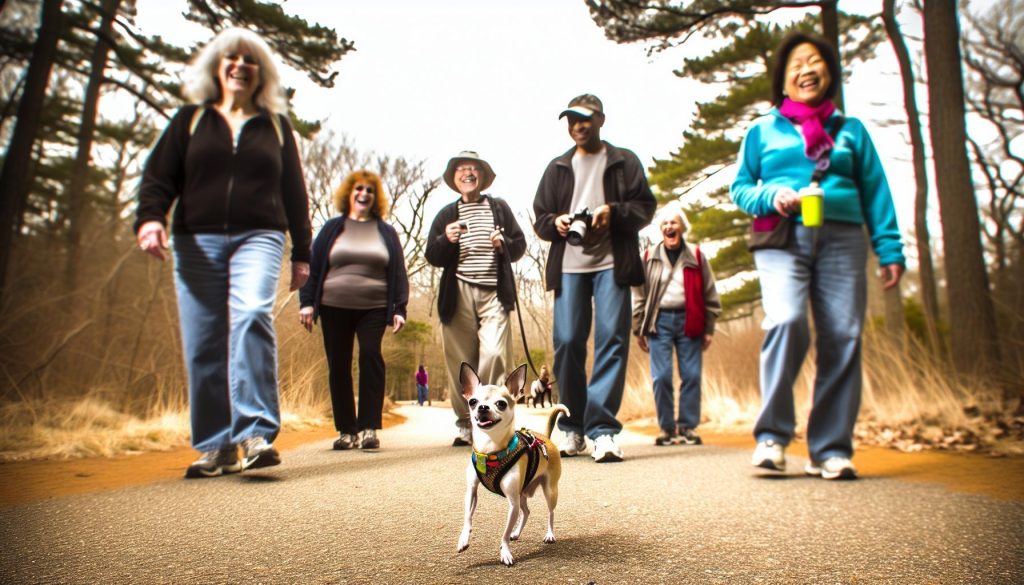
Did you know that Chihuahuas, despite their tiny size, can pack a lot of personality and energy into their little frames? Understanding how far your Chihuahua can walk isn’t just about exercise; it’s about ensuring they stay healthy and happy. As devoted owners, we want the best for our little companions. Knowing their exercise limits and how to keep walks enjoyable can enhance your bond and keep your pup in great shape. Whether you’re a first-time Chihuahua parent or a seasoned pro, this guide will explore their unique physical needs, breaking down the best practices for daily walks tailored to your furry friend’s personality and stamina. Let’s dive into how to ensure those little legs can safely explore the world around them!
How Chihuahua Size Affects Walking Ability
Chihuahuas are one of the smallest dog breeds, and their size significantly affects their walking ability and exercise needs. These pint-sized pooches have a unique set of challenges and advantages when it comes to outdoor activities. Generally, a Chihuahua’s capacity for walking is influenced not just by their size but also by their age, health, and personality. For instance, younger Chihuahuas may be more energetic and sprightly, often eager to trot alongside you, while older Chihuahuas may prefer a leisurely stroll or may even tire more quickly.
Their small stature means that they are agile and can navigate tight spaces that larger breeds might struggle with. However, it also means they are more susceptible to fatigue during longer walks. While many owners may instinctively think that smaller dogs need less exercise, this isn’t always the case. Chihuahuas can be surprisingly spirited and often have an adventurous side, leading them to explore their surroundings. As a general guideline, consider a walking distance of about half a mile to one mile for healthy adult Chihuahuas, but always pay close attention to your dog’s signals.
Be mindful of their little legs and how the terrain affects their walking ability. A smooth, flat path is ideal; rough or uneven ground can be tough on their joints. Moreover, different Chihuahua types, like the apple-head or deer-head, may have varied physical characteristics that influence their stamina and endurance. The apple-headed Chihuahuas may experience health issues like patellar luxation that require careful monitoring during walks.
Incorporating frequent short stops can help ensure your Chihuahua stays happy and healthy. Below are some tips to keep in mind:
- Watch for Signs of Fatigue: If your Chihuahua starts lagging behind, sitting down, or giving you a curious look, it may be time to take a break.
- Consider Their Health: Always consult with your vet about your dog’s exercise limits, especially if they have any pre-existing health conditions.
- Vary the Environment: Explore different routes and terrains to keep walks interesting, but avoid particularly strenuous areas.
Ultimately, understanding how your Chihuahua’s size affects their walking ability can lead to more enjoyable and fulfilling walks for both of you, fostering a strong bond built on shared adventures.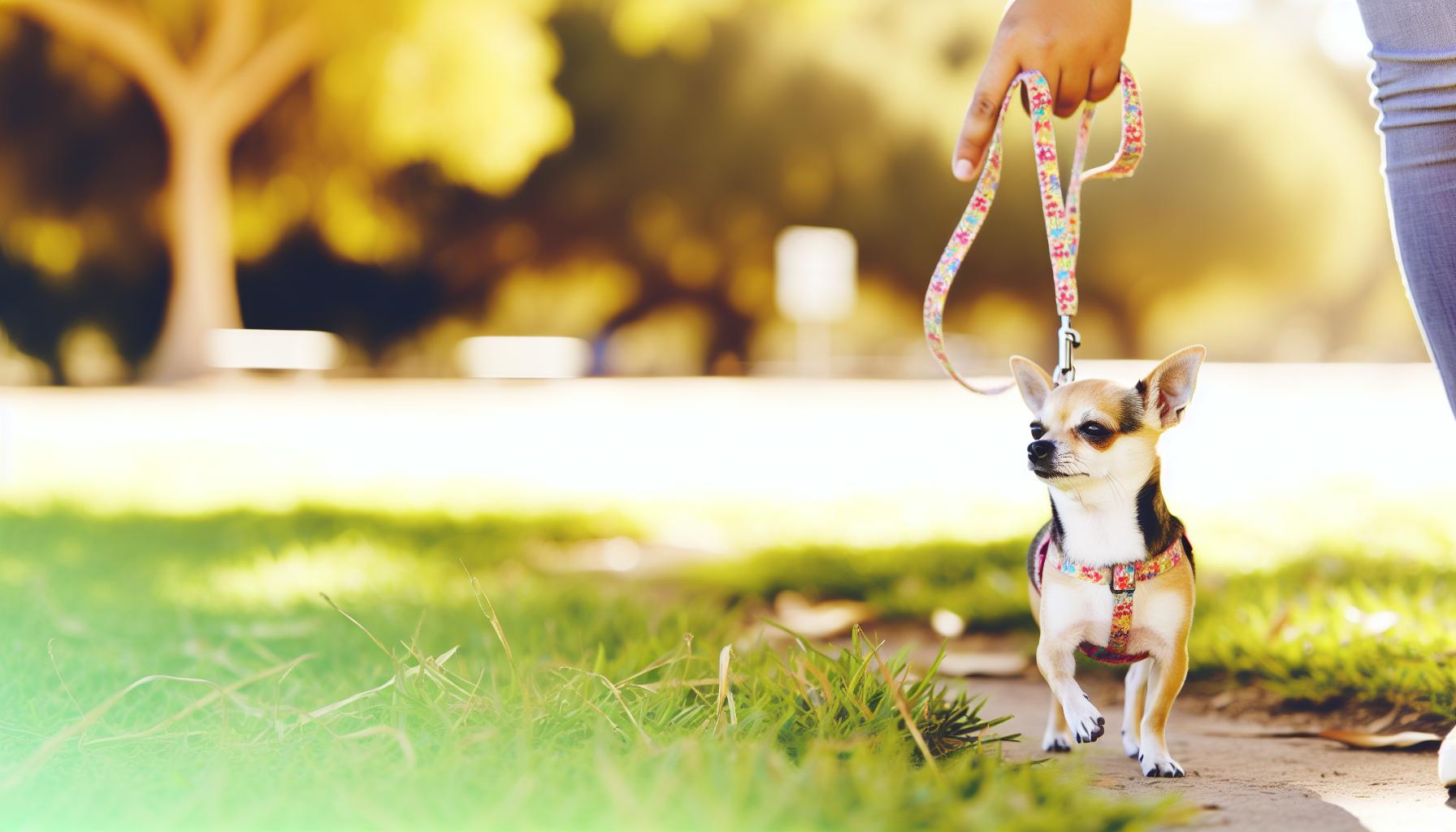
Understanding Your Chihuahua’s Exercise Needs
Chihuahuas, with their tiny bodies and bold personalities, often surprise us with their exercise needs. Despite their small size, these little dynamos require regular activity to stay healthy and happy. It’s essential to tailor their exercise routine not just to their physical abilities but also to their individual personality and health status.
When planning your Chihuahua’s exercise, keep in mind that their agility allows them to dart around easily. However, they can tire quickly, especially on longer walks or strenuous terrains. A mature Chihuahua generally enjoys walks of about half a mile to one mile, but younger Chihuahuas may be able to handle a bit more if they’re healthy and energetic. Regardless of the distance, it’s vital to stay attuned to your little companion’s signals. If he starts lagging behind or looks for a spot to rest, heed those cues and take a break.
Maintaining a smooth pace is crucial for your Chihuahua’s walking routine. Uneven or rough terrain can put undue strain on their joints, particularly for apple-headed Chihuahuas, who may be more susceptible to conditions like patellar luxation. Opt for flat, stable surfaces, and be sure to mix up your routes occasionally to keep things interesting. This variety also helps to mentally stimulate your Chihuahua, making her more engaged and excited about walks.
To enhance your Chihuahua’s walking experience, try incorporating short bursts of play or training exercises. This not only builds physical stamina but also strengthens the bond between you two. Moreover, remember that hydration is essential, especially on warmer days – always carry water for those paws! With patience and a keen eye for your Chihuahua’s unique needs, you can create a satisfying exercise routine that keeps him healthy and happy.
Ideal Walking Distances for Different Ages
Chihuahuas, with their fierce personalities packed into tiny frames, require tailored walking routines that resonate with their delicate health. Understanding how their ages affect walking distances is crucial for keeping these little dynamos happy and healthy. Puppies, adults, and seniors all have different needs, and as a responsible owner, it’s your job to know what your lively companion can handle.
For energetic puppies, those first few months are all about building foundational skills and exploring their surroundings. Generally, young Chihuahuas can handle about 15 to 30 minutes of walking per day, split into shorter sessions. Avoid overexertion, but encourage plenty of playtime to burn off their youthful energy. As they approach adolescence around 6-12 months, they may manage longer walks, roughly 30 minutes to an hour, especially if they’ve built up some stamina through regular activity.
Adults, generally between one to seven years, have the most robust walking capabilities. They can typically enjoy walks ranging from 45 minutes to 1.5 hours, depending on their fitness levels and overall health. Keep in mind that some Chihuahuas, particularly the apple-headed ones, may require more care due to joint concerns. Monitor their energy and demeanor closely; a confident, well-exercised Chihuahua is usually an enthusiastic walker, while one that is reluctant or lagging indicates it’s time for a break.
As Chihuahuas transition into their senior years, usually after seven years of age, it’s essential to dial back their exercise. They may thrive on shorter, more frequent walks of about 20 to 30 minutes per outing. Pay close attention to their signals-if your senior Chihuahua starts slow pacing or needs to sit more often, this is a clear sign to adjust your routine. Keeping walks enjoyable and stress-free will help maintain their health and bond with you, all while celebrating the quirks that make Chihuahuas so special.
Signs Your Chihuahua Needs a Break
It’s essential to pay attention to your Chihuahua’s cues during walks. These little dogs, with their vibrant personalities and stout frames, can easily overdo it if not monitored closely. Recognizing when your Chihuahua needs a break is crucial for their health and overall enjoyment of exercise. Look for specific signs that might indicate it’s time to pause and recharge.
A primary indicator that your Chihuahua needs to rest is slowing down. If he starts lagging behind or seems reluctant to continue, it’s often a clear sign that he’s tired. Chihuahuas are known for their bold spirits, but they also have limits. Keep an eye on his body language; if he’s frequently stopping to sniff or lying down during your walk, he might need a breather. Another strong signal is panting excessively. While it’s normal for any dog to pant after physical activity, constant panting, especially if combined with drooling or a lack of enthusiasm, indicates he may have exerted himself too much.
Excessive vocalization can also be a hint that your Chihuahua needs a break. If he starts barking more than usual or appears agitated, it might be his way of saying, “I’m done for now!” Additionally, physical signs like limping or holding up a paw can indicate discomfort or fatigue. Small breed dogs, particularly Chihuahuas, may not show pain as prominently as larger breeds, so always assess if something seems amiss.
Consider adjusting your walking routine based on these observations. A good practice is to incorporate short, frequent breaks during your outings. Not only does this help recharge your pup, but it also allows for some exploration and sniffing-their favorite activity! Making walks enjoyable and respecting your Chihuahua’s limits will not only enhance your bonding time but also keep your little companion healthy and happy in the long run.
Top Health Benefits of Regular Walks
Taking your Chihuahua for regular walks is not just about getting outside; it’s a crucial component of her health and happiness. These little canines, full of energy and personality, thrive on the physical activity and mental stimulation that walks provide. Engaging in daily walks can help maintain a healthy weight, improve cardiovascular health, and promote better joint flexibility, which is especially important for small breeds like Chihuahuas that can be prone to certain joint issues.
Regular walks also offer essential opportunities for socialization. During these outings, your Chihuahua encounters various sights, sounds, and other dogs. This exposure helps her develop confidence and learn to navigate the world around her. Building social confidence can lead to reduced anxiety and stress when faced with new experiences outside the home. For instance, one owner noted that her shy Chihuahua gradually became more adventurous after regular walk sessions in the park, where she met other dogs and people.
Moreover, walks serve as an excellent way to strengthen the bond between you and your furry friend. The time spent exploring, sniffing, and discovering new routes can enhance your relationship, as these interactions are as much about companionship as they are about exercise. Take a moment to relish those instances when your Chihuahua stops to playfully chase leaves or barks at passing squirrels; these joyful moments enrich both of your lives.
Lastly, the mental exercise that comes from walks is just as vital as the physical exertion. For Chihuahuas, whose lively minds need stimulation, walks provide a chance to explore and interact with their environment. Consider taking different routes or incorporating games like hide-and-seek or fetch during your walks to keep things fresh and fun. Balancing exercise with mentally engaging activities not only benefits her body but also enriches her spirit, making walks memorable for both you and your beloved companion.
Fun Walking Tips for Your Chihuahua
Taking your Chihuahua for walks should be a delightful experience for both of you, filled with opportunities for exploration and bonding. Given their small size and energetic nature, it’s essential to incorporate fun and engaging elements into your walking routine to keep your little one motivated and happy. Here are some tips to enhance your Chihuahua’s walks:
When you’re hitting the pavement, think about setting up a variety of mini-adventures throughout your strolls. Chihuahuas respond well to new sights and smells, so try visiting different routes or parks to keep things exciting. Incorporate short stops to let her sniff around and discover her surroundings. If she’s particularly curious about a certain area, let her lead the way for a bit; this empowerment can boost her confidence and enjoyment.
Consider using interactive toys during your walks. Bring along a favorite squeaky toy or a small ball that she can chase during breaks. This transforms a typical walk into a playful outing. You may also want to treat her to a brief game of hide-and-seek, where you hide behind a tree or a bench and call her name to encourage her to find you. Such activities not only provide physical exercise but also stimulate her mind.
Don’t underestimate the power of social interaction during walks. Allow your Chihuahua to meet other dogs or friendly people, as these encounters can be crucial for socialization. Just remember to monitor her body language-some may be more apprehensive than others. For instance, one Chihuahua owner mentioned how her shy pup gradually became more social after frequent encounters with other dogs at the park, showcasing the benefits of regular, varied outings.
Lastly, always adjust the pace based on your Chihuahua’s energy level and health. If she seems tired, slow down or take breaks. Remember, it’s not just about distance; it’s about the quality of the experience. Pay attention to her signals, and don’t hesitate to cut a walk short if she appears overwhelmed or fatigued. A happy Chihuahua is a healthy Chihuahua, and these walks should be enjoyable for both of you. By integrating these tips, you can make each walk a special event that celebrates her spirit and your bond.
How to Build Your Chihuahua’s Stamina
Building your Chihuahua’s stamina is an essential aspect of ensuring her health and happiness. These little companions, known for their spunky personalities, may look petite, but they have boundless energy that needs to be channeled properly. To help your Chihuahua thrive, it’s crucial to gradually increase her exercise levels, making sure to stay attuned to her responses along the way.
Start by incorporating short walking sessions into your routine, gradually increasing the time as her endurance builds. For example, if she’s new to walks, begin with 10 to 15 minutes. After a week or two, extend this to 20 or 30 minutes, based on how well she adapts. Monitor her behavior closely; if she shows signs of fatigue or reluctance, it’s a signal to dial back. Not only does this approach cater to her specific needs but it also fosters a positive association with exercise.
Another effective way to build stamina is through varied types of play that mimic walking exercises. Incorporate games like fetch or hide-and-seek, allowing her to sprint and explore at her own pace. One pet parent shared how her Chihuahua, Bella, quickly learned to chase after a ball, which not only improved Bella’s stamina but also strengthened their bond. These play sessions are fantastic for building both physical and mental endurance.
Lastly, ensure that her routine includes plenty of opportunities for socialization. Engaging with other dogs can encourage more activity and make exercise more enjoyable. Consider organizing playdates or attending local dog parks. Just be mindful of her comfort level; not all Chihuahuas are social butterflies, and it’s vital to respect her personality. Balancing gentle encouragement with careful observation will help her build stamina while fostering a love for her exercise routine. Remember, the goal is not just distance but developing a joyful experience that can set the stage for a healthy, active lifestyle together.
Best Routes and Terrain for Chihuahua Walks
Finding the right walking routes for your Chihuahua can significantly enhance her exercise experience. These little dynamo dogs, known for their bold and vibrant personalities, thrive on new surroundings. Start by considering terrain that accommodates their tiny stature and unique energy levels. Gentle, flat paths are ideal-think well-maintained sidewalks, parks with grass, or groomed trails. Avoid areas with uneven surfaces or steep inclines, as these can be challenging for their little legs and could lead to injury.
Exploring a variety of environments can keep walks fresh and engaging. Take your Chihuahua on nature trails where she can soak up different scents and sights. Just be sure to keep her on a leash, as her curiosity might lead her to wander into trouble. If you live near a beach or calm waterfront, these can be fantastic destinations. Many Chihuahuas enjoy the feeling of sand beneath their paws and the opportunity to splash around.
While considering routes, it’s also important to factor in other dogs and people. Chihuahuas can be vocal and may feel the need to assert themselves, especially when encountering larger breeds. Choose dog-friendly paths that allow her to socialize, but always observe her comfort level. If she’s unsure or overly excited, it might be better to opt for quieter streets or paths until she becomes more confident.
Lastly, remember the time of day and seasonal effects when planning your walks. Early mornings or late evenings are often ideal during hot seasons, keeping her safe from overheating on warm pavement. In winter, ensure the path is free of ice and consider getting her a snug coat for extra warmth. With thoughtful route planning, you’ll not only meet her exercise needs but also make every outing a fun adventure for both of you!
Addressing Behavioral Challenges During Walks
Navigating the streets with your Chihuahua can be a delightful experience, but it’s not without its quirks and challenges. These little companions, full of boldness and personality, often express themselves vocally, especially when confronted with distractions or unfamiliar sights. Understanding their behavioral tendencies can make walks much more enjoyable for both you and your furry friend.
When your Chihuahua barks at larger dogs or unfamiliar passersby, it’s crucial to recognize whether this behavior stems from fear or excitement. If your pup seems anxious, consider implementing positive reinforcement techniques. Bring along some of their favorite treats and reward calm behavior when encountering other dogs or people. Instead of approaching larger breeds head-on, create some distance and gradually introduce them to new situations at your Chihuahua’s pace.
Keep in mind that Chihuahuas can also exhibit stubbornness, especially when they encounter something that piques their curiosity. They might attempt to pull in the opposite direction, eager to investigate every scent. A comfortable harness can help maintain control without putting too much strain on their delicate necks. Additionally, you might find success with short training sessions before walks: practicing commands like “sit” or “stay” can improve focus and reduce erratic behavior when outdoors.
Lastly, make sure your walks are engaging and varied. A monotonous route can lead to restlessness, which might manifest as barking or behavior issues. Consider rotating walking paths to expose your Chihuahua to new environments, sights, and smells. Parks, quiet streets, and even pet-friendly shops can serve as excellent locations for socialization and engagement. Also, remember to keep a watchful eye on their energy levels; if they seem overly tense or anxious, it’s perfectly fine to cut the walk short and try again later. Embracing these strategies allows you to turn potential challenges into opportunities for bonding and learning with your delightful Chihuahua.
When to Consult a Vet About Exercise Limits
Although Chihuahuas are known for their spunky personalities, their physical abilities can vary significantly from one dog to another, making it essential to recognize when professional guidance is needed regarding exercise limits. These little pups can puff and prance with gusto, but it’s crucial to ensure they don’t overexert themselves, especially considering their small stature and unique health considerations.
If you’re unsure about how far your Chihuahua should walk, you might notice signs that it’s time to consult a veterinarian. For instance, if your Chihuahua starts showing signs of fatigue or disinterest during walks, like frequently stopping to rest or lagging behind, it could indicate that the current exercise routine is too strenuous. Another red flag is if your dog seems excessively panty or shows signs of distress after walks-such as limpness or unwillingness to walk the next day. Regular check-ups can help ensure that your Chihuahua is not suffering from underlying conditions that could affect their physical capabilities, such as heart disease or joint issues.
It’s also important to factor in age and weight. Puppies, for example, have different exercise needs compared to older Chihuahuas, who may have arthritis or other joint problems. If you’ve adopted a senior Chihuahua or one with a suspected health condition, having a candid conversation with your vet about suitable exercise modifications is essential. For example, your vet might suggest shorter, more frequent walks rather than longer ones, allowing your dog to enjoy their exercise without overdoing it.
In conclusion, being mindful of your Chihuahua’s behavior and health during exercise can greatly enhance their walking experience. Always prioritize their comfort and well-being by observing their reactions during and after walks. And remember, if in doubt about what’s safe for your tiny companion, a quick chat with your veterinarian can provide peace of mind and tailored advice for your furry friend’s exercise limits.
Seasonal Considerations for Chihuahua Walks
Chihuahuas, with their tiny stature and vibrant personalities, can be particularly sensitive to seasonal changes. Whether it’s the scorching heat of summer or the biting cold of winter, understanding how these weather conditions affect your Chihuahua is crucial for ensuring safe and enjoyable walks. The ideal season to take your little companion on a stroll is when both of you can make the most out of the experience without discomfort or health risks.
During the warmer months, it’s essential to watch for signs of overheating. Chihuahuas have a higher risk of heat-related issues due to their small size and scissor-like breathing. Try to plan walks during the cooler parts of the day, such as early morning or late evening. Short walks might be more beneficial if temperatures soar above 75°F (24°C). Carry water for your dog and remember to take breaks and give her a chance to cool down. On particularly hot days, consider indoor alternatives like playing fetch in a cool space or using doggy treadmills for exercise.
In contrast, cold weather poses its own set of challenges. Chihuahuas, especially those with thin coats, can feel the chill much more intensely than larger breeds. When it’s chilly, dressing your pup in a cozy sweater or jacket can make a world of difference. Shorten your walks and focus on keeping her active indoors with playful games during especially frigid days. If snow or ice is present, be cautious as salt and other de-icing agents can irritate her sensitive paws. Always check her feet after walks to ensure there are no cuts or signs of injury.
The right seasonal preparations can make walking a joyful experience for both of you. By adapting to the weather, you’ll help ensure that she enjoys her outdoor excursions while staying healthy and safe. Always pay attention to her behaviors during walks; if she seems shivery or excessively panty, it might be time to head back home. These small adjustments will help foster the bond between you and your tiny powerhouse, creating cherished memories with each seasonal stroll.
Enhancing Walks with Interactive Play
To make walks more enjoyable for both you and your Chihuahua, consider integrating interactive play into your routine. Chihuahuas possess boundless energy and a strong desire to engage with their family, making play an excellent way to enhance their walking experience. As you stroll, take the opportunity to introduce games that not only exercise her body but also stimulate her mind. Simple actions like stopping to toss a small toy or engaging in a quick game of hide-and-seek can turn a regular walk into an exciting adventure.
While on your walk, you can bring along a favorite squeaky toy or a ball. When you find a quiet park or open space, take a few minutes for some fetch or tug-of-war. This not only breaks up the walk but allows her to expend energy in a fun way. Just remember, Chihuahuas can tire quite quickly, so keep play sessions short and sweet. If she begins to show signs of fatigue, such as lagging behind or panting heavily, pause for a break and some water before moving on.
Another fantastic way to enhance your walks is to incorporate training games. Chihuahuas love to show off their skills, and practicing commands such as “sit,” “stay,” or “come” during your stroll can be rewarding for both of you. Use treats to reinforce positive behavior and encourage her to engage actively with you. This not only builds her confidence but strengthens the bond you share. Additionally, keeping her mentally engaged can mitigate behavioral challenges, such as barking at other dogs or distractions during your walks.
Experiencing new environments can also add a sprinkle of excitement to your walk. Consider changing up your regular routes to include new parks, trails, or even neighborhood streets. Chihuahuas are naturally curious creatures, and exploring new smells, sights, and sounds will make the walk feel fresh and energizing. Always keep her safety in mind-use a sturdy harness and leash to ensure she remains secure as she explores. With the right approach, every walk can become a delightful mix of exercise and interactive play, ensuring that your Chihuahua stays happy, healthy, and engaged.
Frequently asked questions
Q: How much exercise does a Chihuahua need daily?
A: Chihuahuas typically need around 30 minutes to 1 hour of exercise each day. This can be broken into short walks and playtime to suit their energy levels and prevent boredom. Regular exercise is essential for their health and well-being.
Q: What are the best types of exercise for a Chihuahua?
A: The best exercises for Chihuahuas include brisk walks, play sessions with toys, and gentle games like hide-and-seek. These activities stimulate them mentally and physically. Activities should be enjoyable and cater to their unique personality.
Q: Can Chihuahuas walk in hot weather?
A: Chihuahuas can walk in hot weather but should be monitored closely. It’s best to walk them during cooler parts of the day and provide plenty of water. Watch for signs of overheating, such as excessive panting.
Q: How can I improve my Chihuahua’s stamina for longer walks?
A: To build your Chihuahua’s stamina, gradually increase their walking distance by a few minutes each week. Incorporate varied routes and gentle slopes to challenge them. Consistent practice will enhance their endurance.
Q: How can I tell if my Chihuahua is tired during a walk?
A: Signs that your Chihuahua is tired include lagging behind, frequent stops, and reluctance to continue. If they start panting heavily or look uncomfortable, it’s time to take a break or head home.
Q: What should I carry during walks with my Chihuahua?
A: During walks, carry essential items like water, a portable bowl, poop bags, and a leash. These items ensure a smooth and enjoyable experience for both you and your Chihuahua. Consider bringing a blanket if they need a rest on cold surfaces.
Q: Is it safe to let my Chihuahua run off-leash?
A: Off-leash walking can be risky for Chihuahuas since they are small and may run away or get frightened easily. Use a secure area like a fenced park where they can explore safely while still being monitored closely.
Q: How often should I change my Chihuahua’s walking route?
A: Changing your Chihuahua’s walking route every few weeks keeps things interesting and mentally stimulating for them. New sights and smells can enhance their enjoyment and encourage exploration, benefiting their overall exercise routine.
For further tips on enhancing your Chihuahua’s walks, consider looking into sections on ideal walking distances for different ages or fun walking tips in the main article.
To Wrap It Up
Now that you know how far a Chihuahua can walk and the best tips for keeping him active and healthy, it’s time to put this knowledge into action! Remember, consistent exercise is key to your little friend’s happiness and well-being. If you’re eager to learn how-to create engaging activities tailored to your Chihuahua’s unique personality, check out our articles on engaging indoor games and outdoor adventures for small breeds.
Feeling inspired? Sign up for our newsletter to receive more expert advice and resources delivered straight to your inbox! Also, don’t hesitate to share your Chihuahua’s favorite activities in the comments below-your experiences can help fellow owners discover new ways to keep their furry friends happy! Explore more ways to support your Chi’s health and behavior, and let’s celebrate the joys of owning such a vibrant, spirited companion.
Get our latest guides, news, and insights highlighted in your Google Search & AI Overviews.