

When considering bringing a Deer Head Chihuahua into your life, understanding their weight standards is crucial for ensuring their health and happiness. These delightful companions are known for their lively personalities and unique features, but how much should they actually weigh? Knowing the ideal weight range not only helps in maintaining their health but also allows you to provide proper care tailored to their needs.
Deer Head Chihuahuas, with their distinctively shaped heads and charming demeanor, often face specific health considerations due to their size. As both a first-time owner and a seasoned Chihuahua enthusiast, you want to be informed about these weight guidelines to navigate their unique quirks with confidence. This not only aids in keeping your furry friend in optimal condition but also prepares you for the challenges and joys of owning a precious little bundle of energy. Join us as we delve into the weight standards for these spirited dogs so you can give your Chihuahua the best life possible.
Understanding the Weight Range of Deer Head Chihuahuas
Deer Head Chihuahuas are a delightful and distinctive variation of the Chihuahua breed, known for their more elongated heads and larger, bat-like ears. When it comes to weight, these pint-sized companions typically fall into a range that contributes to their robust health and playful nature. On average, a healthy Deer Head Chihuahua weighs between 4 to 8 pounds. However, more than just numbers on a scale, their weight is a reflection of overall wellness, energy levels, and breed-specific characteristics.
To better understand the weight dynamics among Deer Head Chihuahuas, consider that several factors can influence their size. Genetics play an essential role; some pups may inherit traits from their parents that contribute to a more petite frame, while others may grow slightly larger. Additionally, factors like diet, exercise, and overall health can significantly affect their weight. It’s not uncommon for a Chihuahua to weigh a bit outside the average range, but it’s essential to ensure that any deviations don’t compromise their health.
Keep in mind that while Deer Head Chihuahuas are small, they possess unique personality traits that make them stand out from their Apple Head counterparts. For instance, their boldness and vocal nature can sometimes lead them to present a larger-than-life persona, despite their small stature. Owners often find themselves surprised by the confidence these little ones exhibit. As a loving Chihuahua parent, maintaining a healthy weight is crucial, as it sets the stage for a long, vibrant life filled with antics and snuggles.
When assessing the weight of your Deer Head Chihuahua, prioritize wellness over adherence to a strict number. It’s best to identify a weight range that keeps your furry friend active and happy. If you’re unsure about your dog’s ideal weight, consulting your veterinarian is a wise step. They can provide tailored advice based on your pet’s age, lifestyle, and overall health, ensuring that your little companion remains the vibrant, spirited creature you adore.
Factors Affecting Deer Head Chihuahua Weight
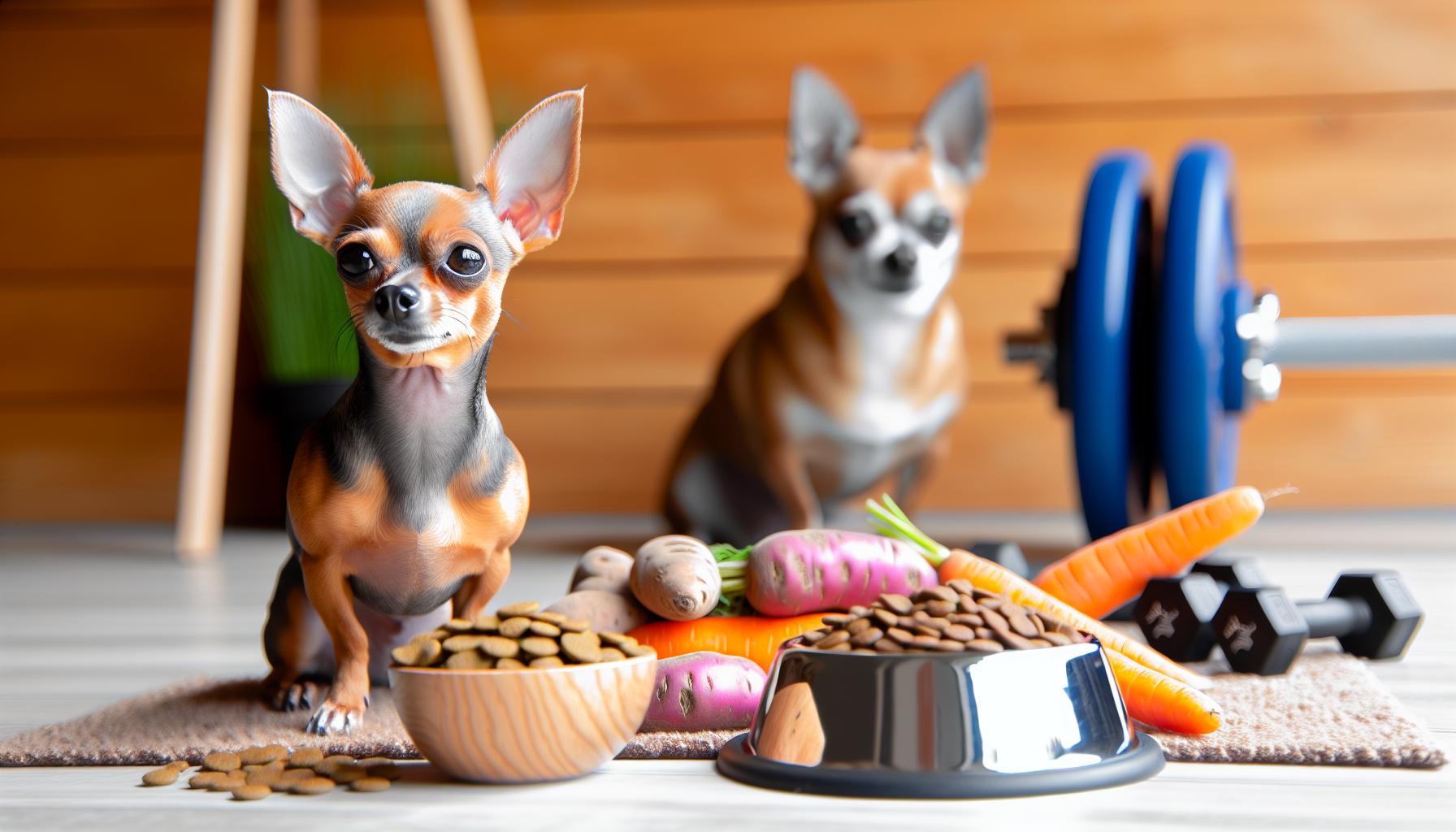
When it comes to the weight of Deer Head Chihuahuas, understanding the underlying factors can pave the way for healthier lives for our tiny companions. These spirited dogs, characterized by their longer heads and larger ears, often find themselves in a weight range between 4 to 8 pounds. However, this range is influenced by various elements that are important for every owner to consider.
Genetics is a primary factor in determining your Chihuahua’s weight. Just like in humans, the traits inherited from their parents can lead to variations in size and shape. Some Deer Head Chihuahuas may take after bulkier parents, while others might be more petite, depending on their lineage. When choosing a Chihuahua, it can be beneficial to ask about the parents’ weights and sizes; it provides a glimpse into what to expect from your little one as they grow.
Diet and nutrition are equally crucial. A balanced diet rich in high-quality ingredients tailored for small breeds can help maintain an optimal weight. Look for well-rounded dog foods that provide the necessary nutrients without excessive calories. Portion control is essential, as Deer Head Chihuahuas can quickly fall into the trap of overeating, especially since their bold and confident nature means they often beg for treats. Owners should pay attention to feeding schedules and avoid leaving food out all day, which can lead to weight gain.
Exercise is another significant component that affects weight. While these little dogs are full of energy, they do require regular physical activity to burn off calories and stay fit. Daily walks, playtime, and engaging games can keep your Deer Head Chihuahua stimulated and help manage his weight effectively. As one Chihuahua owner shared, “My little Bella loves her daily zoomies in the yard; it’s not just exercise for her, it’s our quality time together!”
Lastly, overall health plays a key role. Regular vet check-ups can help ensure that any weight issues are addressed promptly. Conditions such as hypothyroidism can also affect weight, leading to either weight gain or loss. Thus, keeping tabs on your furry friend’s health can help maintain an ideal weight and ward off weight-related health issues that are not uncommon in the breed.
By understanding these factors-genetics, diet, exercise, and health-owners can take proactive steps to ensure their Deer Head Chihuahuas enjoy vibrant, healthy lives filled with laughter and joy.
Key Factors at a Glance
| Factor | Impact on Weight |
|---|---|
| Genetics | Informs overall size based on parent traits. |
| Diet | Quality nutrition helps maintain a healthy weight; portion control is vital. |
| Exercise | Daily activity is crucial for burning calories and keeping fit. |
| Health | Regular vet check-ups can spot issues affecting weight early. |
With this knowledge, you’re better equipped to keep your beloved Deer Head Chihuahua healthy and happy. Celebrate their quirks and enjoy every moment spent together!
Comparing Deer Head and Apple Head Chihuahuas
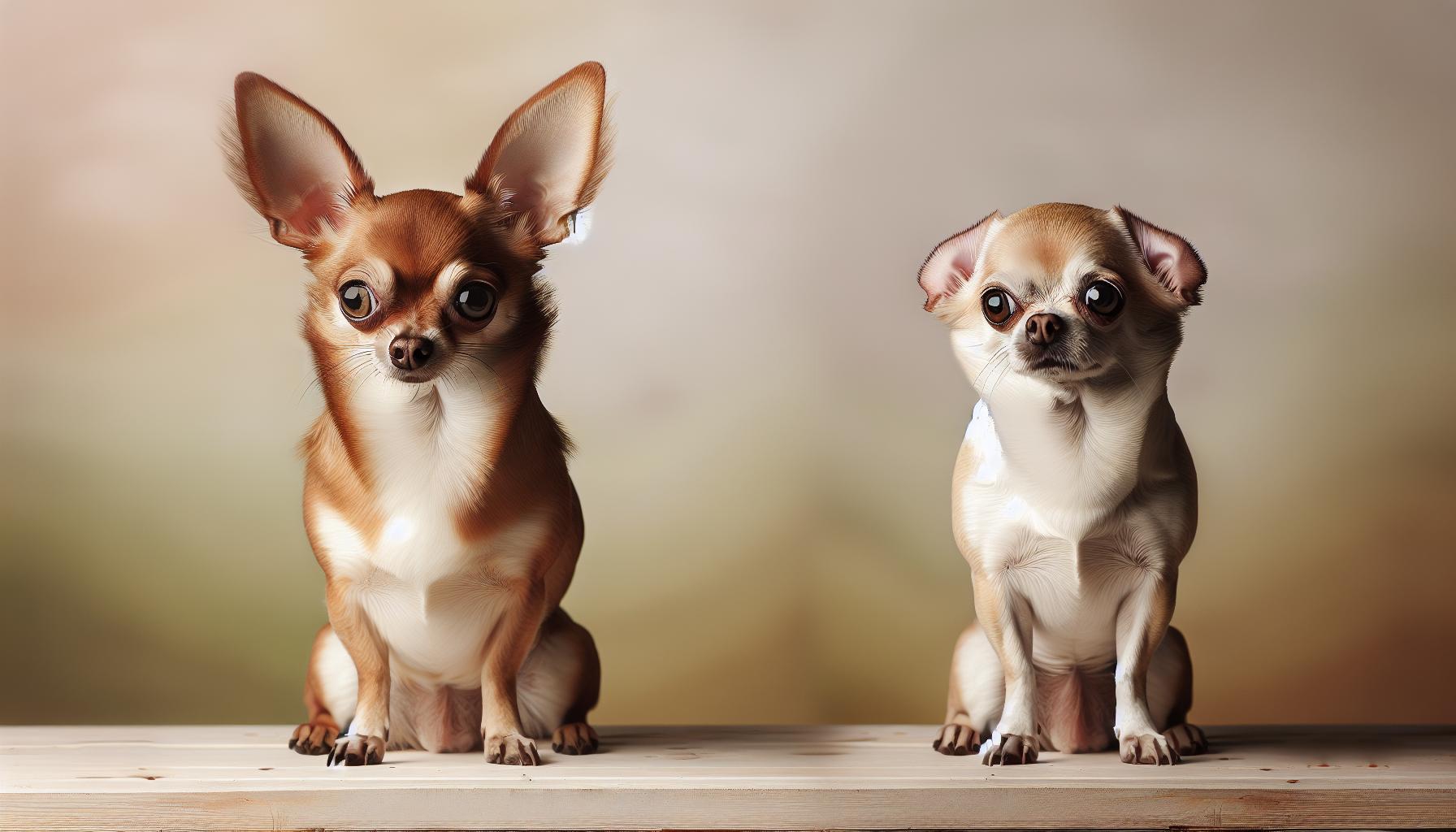
Chihuahuas come in two distinct types that capture the hearts of dog enthusiasts: the Deer Head and the Apple Head. While both types are beloved members of the Chihuahua breed, they exhibit notable differences that go beyond their appearance. Understanding these differences is crucial for owners seeking to provide the best care for their furry friends, especially when it comes to managing weight.
At first glance, one can easily identify the main physical distinction between the two: the head shape. Deer Head Chihuahuas sport a longer, more tapered head and a flatter forehead, resembling the head of a deer, which gives them a unique charm. In contrast, Apple Head Chihuahuas have a rounded skull and a shorter muzzle, creating that characteristic “apple” appearance. This difference can have implications on their overall health, including weight management.
The average weight range for Deer Head Chihuahuas is typically between 4 to 8 pounds, while Apple Heads tend to fall within a similar range. However, owners often report that Apple Heads can be a tad heavier due to their broader build. It’s essential to remember that weight can be influenced by various factors such as genetics, age, and lifestyle. Regardless of the head type, both types can be prone to the same weight-related issues, so maintaining a healthy weight through careful diet and exercise is paramount.
When it comes to behavior, Deer Head Chihuahuas are known for being particularly bold and adventurous, often gaining a reputation for their lively spirits. On the other hand, Apple Head Chihuahuas might display a more reserved demeanor but are equally affectionate and loyal. It’s worthwhile to consider how these personality traits may impact their activity levels and, subsequently, their weight.
As an owner, fostering an understanding of these differences not only aids in effective weight management but also helps personalize care strategies. For example, if your Deer Head Chihuahua is especially active, you might encourage that energy into more vigorous play and variety in exercise. Conversely, ensure that your Apple Head has an engaging but balanced approach to exercise to prevent any tendencies toward a lazy lifestyle.
Ultimately, be observant and adaptable to your Chihuahua’s unique needs, regardless of head type. Engaging in regular vet check-ups and maintaining a balanced diet tailored for their specific traits helps both types thrive while keeping their weights within the recommended ranges. By honoring their individuality, be it through playful escapades or cozy cuddles, you can nurture the bond that makes life with a Chihuahua so enriching.
Quick Comparison
| Characteristic | Deer Head Chihuahua | Apple Head Chihuahua |
|---|---|---|
| Head Shape | Longer, tapered head | Rounded, apple-shaped head |
| Average Weight | 4 to 8 pounds | 4 to 8 pounds |
| Personality | Bold, adventurous, energetic | Reserved, affectionate, loyal |
By recognizing these distinctions and providing thoughtful care, you can help your Chihuahua, regardless of type, lead a happy and healthy life.
Healthy Weight Guidelines for Your Deer Head Chihuahua
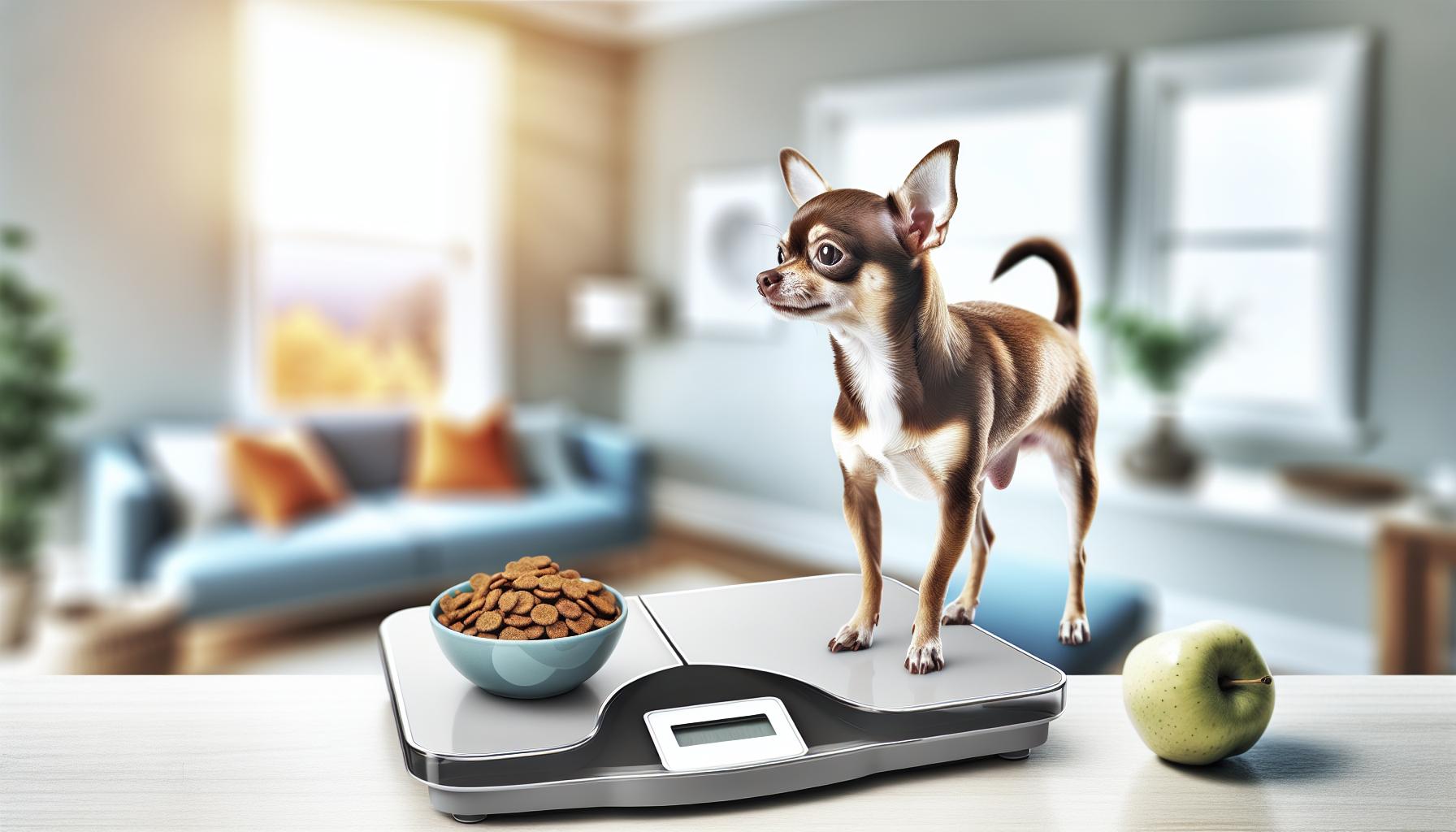
Understanding the right weight range for your Deer Head Chihuahua is crucial for ensuring their health and longevity. With their typical weight falling between 4 and 8 pounds, these little companions boast not just adorable appearances but also vibrant personalities. Striking a balance within this weight spectrum supports your Chihuahua’s active lifestyle and helps mitigate potential health risks often seen in overweight pets. As a proud owner of a Deer Head Chihuahua, being proactive about maintaining a healthy weight encourages a joyful and spirited life for your furry friend.
To achieve optimal weight management, start by familiarizing yourself with your Chihuahua’s ideal weight based on age and build. Factors such as genetics, activity level, and diet all play significant roles. Here are a few practical guidelines to consider:
Recognizing Ideal Weight
- Visual and Physical Assessment: You should ideally be able to feel your Chihuahua’s ribs without excess fat covering them. From a bird’s-eye view, your pet should have a noticeable waistline.
- Weight Checks: Regular weigh-ins can help you keep track of any fluctuations. A scale that can accommodate small animals is ideal. For those who use a vet’s scale, monthly check-ups can offer both you and your vet insight into your pet’s health journey.
Healthy Weight Ranges by Age
| Age | Ideal Weight Range |
|---|---|
| Under 6 months | 2 – 5 pounds |
| 6 months to 1 year | 4 – 7 pounds |
| 1 year and older | 4 – 8 pounds |
Adapting Diet and Lifestyle
Ensuring your Chihuahua remains within the healthy weight range often means adjusting their diet. Offer high-quality dog food options and be mindful of treats-after all, Chihuahuas can be quite persuasive when they set their sights on a snack. Consider incorporating vegetables into their meals as low-calorie filler options. Real owners often mention how adding green beans or carrots made a big difference in their dogs’ weight management without depriving them of tasty treats.
Regular exercise is also essential. Daily walks or engaging play sessions not only help in calorie burning but also keep their adventurous spirit alive. One owner shared how turning playtime into a structured set of activities-like fetch or agility courses-turned their Deer Head Chihuahua into a happy, fit partner.
By keeping an eye on your Deer Head Chihuahua’s weight and being proactive with their diet and exercise, you can nurture their health and happiness. Remember, a well-cared-for Chihuahua reflects the love you pour into their daily lives, resulting in countless joyful moments together.
How to Accurately Weigh Your Deer Head Chihuahua
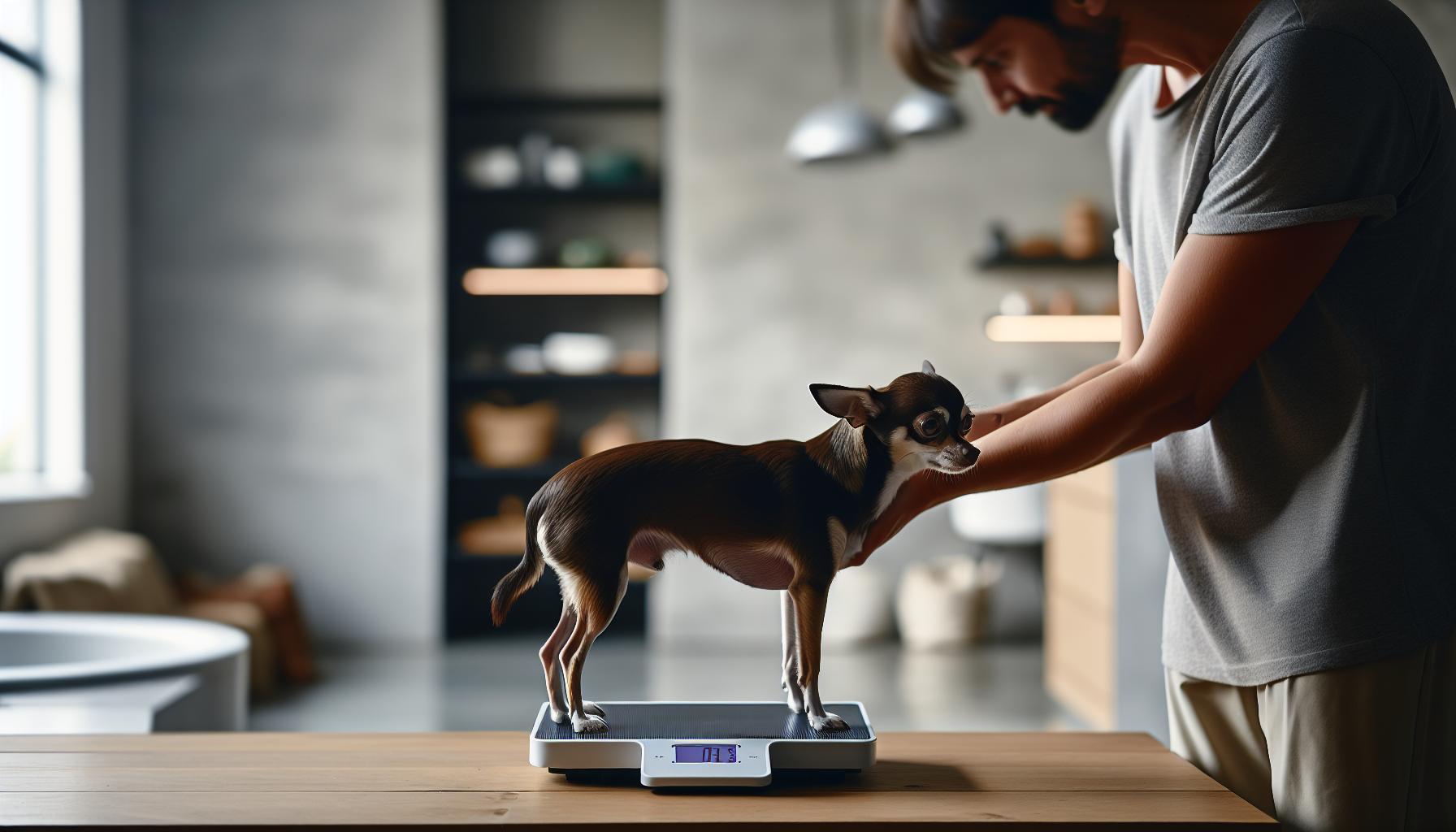
Accurate weight management for your Deer Head Chihuahua begins with reliable methods of weighing him. Regularly monitoring his weight can provide essential insights into his health, helping you catch any potential issues early on. Given that these little companions typically weigh between 4 and 8 pounds, even minor fluctuations can significantly impact their well-being. Understanding how to weigh your Chihuahua correctly ensures he stays within the healthy weight range, both for optimal happiness and longevity.
To get started, consider these practical steps:
Choosing the Right Scale
Using an appropriate scale is vital. Here are a few options to consider:
- Digital Pet Scales: These are specifically designed for small animals, ensuring precision for your Chihuahua’s lightweight frame.
- Household Kitchen Scale: If you have a reliable digital kitchen scale, you can use it by first weighing yourself and then holding your Chihuahua to calculate his weight.
- Veterinary Scales: Regular vet visits often provide access to professional-grade scales. Monthly check-ups are an excellent way to monitor his weight along with other health indicators.
Steps to Weigh Your Chihuahua at Home
If you’re using a digital scale at home, you’re in for a simple yet effective process:
- Prepare the Scale: Ensure the surface is flat and the scale is calibrated. For household scales, make sure it’s set to zero before use.
- Calm Your Dog: Chihuahuas can be a bit feisty or curious. Gently pick up your pup and place him on the scale while providing reassurance. If he’s anxious, you might use a favorite toy or a treat to encourage him to stay still.
- Record the Weight: Once he’s settled and the scale registers a stable weight, note it down. Consistency is key, so weigh him at the same time of day and under similar conditions-ideally before meals when he’s not carrying any extra food weight.
- Regular Monitoring: Make it a habit to weigh him regularly, at least once a month. This routine not only helps track his weight but also fosters a greater awareness of his health and any changes in his behavior.
Using Weight to Inform Health Choices
As you monitor your Deer Head Chihuahua’s weight, remember that maintaining a healthy range is fundamental to his health and lifestyle. By making weight management a part of your regular care routine, you’re investing in his happiness. A real-life experience from a fellow Chihuahua owner highlights this: after consistently weighing her Deer Head Chihuahua and recognizing gradual weight gain, she was able to adjust his diet and increase playtime, ultimately returning him to a healthier weight.
Ultimately, weighing your Chihuahua isn’t just a number on a scale-it’s a crucial part of ensuring your furry friend leads a healthy, spirited life. Adopting these practices ensures you’re tuned in to both his physical health and unique personality, allowing you both to enjoy every joyful moment together.
Common Weight-Related Health Issues in Deer Head Chihuahuas
One of the joys of owning a Deer Head Chihuahua is their lively spirit packed into a compact frame, but it’s important to be aware of the potential weight-related health issues they may face. Given their small size, even minor fluctuations in weight can significantly impact their health. While they’re typically between 4 and 8 pounds, straying outside this range can lead to serious complications. As a responsible owner, keeping an eye on your pup’s weight can help prevent issues before they become serious.
Weight gain can lead to obesity, a condition that brings a multitude of health risks including diabetes, heart disease, and joint problems. Chihuahuas, due to their delicate skeletal structure, are particularly vulnerable to joint stress from excess weight. For instance, a friendly Deer Head Chihuahua named Bella gained a little too much weight when her owner, Maria, introduced high-calorie treats without adjusting her meals. Bella soon struggled with agility during playtime and lacked her usual zest. Learning about obesity’s risks prompted Maria to consult with her vet and adjust Bella’s diet and activity level, helping her return to a healthy weight and restoring her playful demeanor.
Conversely, being underweight can also pose health risks. Factors like stress, illness, or a poor diet can lead to inadequate body weight, making Chihuahuas more susceptible to a weakened immune system and other health problems. Regular weigh-ins can help you catch these changes early. For example, if your Chihuahua’s weight drops unexpectedly, it’s essential to consult with your veterinarian to rule out underlying health issues.
To support your Chihuahua in maintaining a healthy weight, understanding common weight-related health concerns-whether overweight or underweight-is key to prolonging their life and maintaining their vivacious personality. With careful management of their diet and regular exercise, you can help your Deer Head Chihuahua thrive, allowing their joyful spirit to shine through every day.
Maintaining a Healthy Weight for Your Chihuahua
Owning a Deer Head Chihuahua is a delightful journey, packed with love and energy. However, these little companions require diligent care, especially when it comes to maintaining a healthy weight. A well-managed weight is crucial for your pup’s overall well-being, and even small changes can have significant effects. Understanding how to properly care for your Chihuahua’s weight can make all the difference in ensuring a long, happy life for your furry friend.
To start, focus on their diet. Feeding your Chihuahua the right amount of high-quality food is vital. Ideally, choose dog food formulated specifically for small breeds, which will cater to their unique nutritional needs. Portion control is key-measure out meals rather than free-feeding, which can lead to overeating. Many Deer Head Chihuahuas thrive on two meals daily rather than one, which helps maintain steady energy levels and prevents sudden weight gain. Incorporating healthy treats, like small pieces of veggies or fruits, can also be great for training or rewarding good behavior without adding unnecessary calories.
Regular Exercise
Regular exercise is equally important for keeping your Deer Head Chihuahua fit. While they may be small, Chihuahuas are lively and enjoy playtime. A few short walks each day combined with interactive play sessions, such as fetch or tug-of-war, can help keep their weight in check while also fulfilling their need for mental stimulation. Remember, puppies and younger Chihuahuas may require more active play, while older dogs might need gentler activities to avoid injury.
Moreover, it’s essential to monitor their weight regularly. Weigh your Chihuahua at the same time each week to establish a baseline and note any worrying changes. If you’re concerned about their weight, consulting with your veterinarian for tailored advice can help ensure they’re healthy and thriving. For instance, one owner realized his Chihuahua, Max, had lost weight unexpectedly. After a vet visit, it turned out to be due to stress from a recent move. With dietary adjustments and a loving approach, Max quickly regained his sparkle.
By focusing on their diet, providing regular exercise, and monitoring their weight, you’ll create a supportive environment in which your Deer Head Chihuahua can flourish. Each small effort contributes to their overall vitality, keeping them as spirited and joyful as we know and love them to be.
Nutrition Tips for Optimal Deer Head Chihuahua Weight
Feeding your Deer Head Chihuahua the right nutrition is paramount in striving for optimal weight and overall health. Small but mighty, these tiny companions thrive on a diet that meets their specific needs. High-quality dog food formulated for small breeds is your best bet, as it offers the necessary nutrients to support their energetic lifestyle. Pay attention to the protein content; lean meats should be a primary ingredient, and look for wholesome vegetables and grains without fillers.
Portion control is just as important. Unlike larger breeds, Chihuahuas don’t need as much food, and free-feeding can lead to unintentional overeating. It’s wise to measure meals accurately. Most Deer Head Chihuahuas do well on two meals a day, which helps sustain energy levels and mitigate sudden weight gain. As an owner, try to establish a feeding routine, ensuring she has a consistent schedule that includes correctly measured portions. This brings order to mealtime and can reduce anxiety around food, which many Chihuahuas sometimes exhibit.
Treats are a part of the fun, but they should be approached carefully. Opt for healthy, low-calorie options such as small pieces of apple or carrot. These not only serve as excellent training rewards but also keep excess calories at bay. Many owners have found success by incorporating these treats into puzzle toys or interactive feeding toys, making snack time both nutritious and engaging for their clever little minds.
Don’t forget to adjust your Chihuahua’s diet as she ages or if her activity level changes. Regular check-ins with your veterinarian can provide tailored advice to ensure she stays within her healthy weight range. After all, each small effort you make in her nutrition contributes to the long, happy life she deserves, keeping her as joyful and spirited as we know and love our tiny companions to be.
Exercise Recommendations for Deer Head Chihuahuas
Exercise is essential for maintaining a healthy weight in your Deer Head Chihuahua, and given their spunky little personalities, they often need less coaxing to stay active than you might think. Regular physical activity not only helps prevent obesity but also supports their mental health and boosts their overall happiness. These dogs can be quite energetic, so finding suitable ways to incorporate exercise into their daily routine can keep them in tip-top shape.
One of the simplest forms of exercise is a brisk walk. While your Chihuahua may be small, they enjoy exploring the world just as much as larger breeds. Daily walks can be a great way to allow her to socialize with other dogs and encounter new sights and smells. Aim for at least 20-30 minutes a day, broken into shorter sessions if needed, especially if your Chihuahua is still getting used to the routine. During walks, be mindful of her energy levels and comfort; sometimes, she may prefer to be carried after a certain distance!
In addition to walks, consider incorporating playtime using toys designed for small breeds. Chihuahuas love to chase after small balls, engage in tug-of-war with soft toys, or even participate in interactive games like hide and seek around the house. Here are a few engaging ideas to keep things fun:
- Fetch: A light ball that’s easy for her to carry can make for an exciting game of fetch, even in a small backyard or living room.
- Obstacle Course: Create a mini obstacle course using household items. Chihuahuas love to navigate through tunnels made from cardboard boxes or jump over small obstacles.
- Training Sessions: Incorporating training sessions into your routine can enhance her mental agility and allow for some structured exercise. Use positive reinforcement to teach her new tricks, which keeps her mind engaged while also allowing for physical activity.
As a rule of thumb, ensure that exercise is suited to her age and health status. Puppies may require different activities than senior dogs, who may need gentler exercises to avoid stress on their joints. If she starts to show signs of tiredness-like panting excessively or lagging behind-be sure to provide a break. Hydration is important too, especially after exercising.
Remember that each Deer Head Chihuahua is unique. Tailor these activities to fit her personality and preferences, whether she’s a tiny ball of energy or a bit more laid-back. Keeping her engaged not only supports her weight management but also strengthens the bond you share. Embrace the adventure of play and exercise-it’s a joyful part of being a Chihuahua owner!
Signs of Overweight and Underweight in Chihuahuas
Recognizing whether your Deer Head Chihuahua is at a healthy weight is crucial for their overall well-being. These little dogs, known for their big personalities, can easily become overweight or even underweight based on diet, exercise, and lifestyle. As an attentive owner, it’s essential to keep an eye on their body condition to ensure they remain vibrant and active.
To assess if your Chihuahua is overweight, start by checking for visible signs. You should be able to feel her ribs without excessive pressure, and she should have a noticeable waist when viewed from above. An overweight Deer Head Chihuahua might have a rounder belly, and you may notice that her energy levels decrease during playtime or walks. Additionally, she might struggle with agility and seem less enthusiastic about activities she used to love. If she starts panting excessively after short bursts of activity, it could indicate that she’s carrying extra weight.
On the flip side, underweight Chihuahuas can exhibit their own set of signs. A prominent ribcage, lack of body fat, and prominent vertebrae are key indicators that your pup might not be getting enough nutrition. If your Deer Head Chihuahua is losing weight unexpectedly or exhibits signs of lethargy, it may be necessary to consult with a veterinarian. Just like humans, each dog is unique, and factors such as age, genetics, and health can impact an individual’s ideal weight range.
Maintaining open communication with your vet and regularly monitoring your dog’s weight will help catch any potential issues early. Tracking dietary intake and ensuring she gets regular exercise are pivotal in achieving a healthy weight. Remember, your Deer Head Chihuahua is a loyal companion that needs your guidance and support to thrive. Embrace the responsibility with enthusiasm and love-your furry friend will appreciate it!
Transitioning Your Chihuahua’s Weight Safely
To help your Deer Head Chihuahua reach a healthier weight, it’s essential to approach the transition thoughtfully and gradually. Rapid changes can be stressful for these little dogs, and a steady pace ensures that you address her unique needs and lifestyle. Start by assessing her current diet-what she eats, how much, and when-and consider if it aligns with recommended guidelines for her size and activity level. You might find that even small adjustments will make a significant difference over time.
Engaging with your veterinarian is a critical step before starting any weight management program. They provide personalized advice based on your Chihuahua’s age, health status, and specific dietary needs. Together, you can create a tailored plan that might involve:
- Adjusting Portion Sizes: Gradually reduce her food intake instead of making drastic cuts. This can help prevent feelings of hunger that might lead to unwanted begging or scavenging.
- Choosing Quality Ingredients: Opt for high-quality, lower-calorie dog food that satisfies her nutritional needs without the extra calories. Look for options formulated for weight management if needed.
- Incorporating Healthy Treats: Be mindful about treats. Instead of high-calorie snacks, consider healthier alternatives like small pieces of carrot or apple, ensuring that treats make up no more than 10% of her daily intake.
In addition to dietary changes, increasing her activity level gradually helps not only with weight management but also boosts her overall happiness and energy. Chihuahuas have a bold and dynamic nature, so try to incorporate playtime into her routine with engaging activities like fetch or agility exercises in a safe space. Over time, aim for at least 20-30 minutes of activity daily, which can be broken into shorter sessions to keep her stimulated without overwhelming her.
Stay observant throughout the process. Regular weight checks every few weeks help track progress and allow you to adjust your approach as necessary. Celebrate small victories, as a few ounces can mean a lot to her long-term health. Remember, this journey is not just about the scale-it’s about fostering a healthier, happier life for your Deer Head Chihuahua, filled with playful moments and cherished companionship.
Real Owner Experiences: Weight Management Challenges
Navigating the weight management journey with a Deer Head Chihuahua can sometimes feel like a tightrope walk. These little pups have such lively personalities that it’s easy to slip into the habit of indulging them, especially when those soulful eyes gaze up at you. Just ask Sophia, a proud owner of a spunky 4-year-old named Bella. Sophia realized Bella had put on a couple of extra pounds during the pandemic, leading to a challenging but necessary weight loss plan. “The biggest hurdle was changing my mindset. I had to remind myself that I wasn’t depriving Bella, but instead keeping her healthy,” she shares.
One of the essential strategies Sophia found effective was not just adjusting Bella’s diet but also involving the whole family in her exercise routine. They scheduled daily walks and play sessions in the yard, which made a massive difference. “It was amazing to see how Bella would get excited about the extra attention and activity. It made the process not just a task but a fun part of our day!” Routine was vital; consistently weighing Bella every couple of weeks allowed Sophia to celebrate small victories-each ounce lost was a step closer to Bella’s healthier weight.
However, the journey is not without its bumps. Another Chihuahua owner, Jake, faced challenges with treats. Jake’s Chihuahua, Max, could hardly resist the allure of cheese as a reward during training. “I learned quickly how high in calories those treats could be. Now, I opt for tiny bits of carrot and apple, which Max enjoys just as much.” This transition showed Jake how flexible and innovative he could be with treats while aligning them with his dog’s weight management goals.
In reflecting on these experiences, it becomes clear that every Chihuahua has unique needs, and customization is vital. As you embark on this journey, lean on community support, share your struggles, and don’t hesitate to consult with your vet for tailored advice. Each step toward maintaining a healthy weight isn’t just about the numbers; it’s about fostering that loyal companionship and energy that keeps your Deer Head Chihuahua happily frolicking in your life.
Frequently asked questions
Q: What is the average weight of a Deer Head Chihuahua?
A: The average weight of a Deer Head Chihuahua typically ranges from 4 to 6 pounds. Maintaining this weight is crucial for their health and well-being. Always consult with your veterinarian for personalized advice on your Chihuahua’s weight and nutrition.
Q: How can I tell if my Deer Head Chihuahua is overweight?
A: You can determine if your Deer Head Chihuahua is overweight by assessing their body condition. Ideally, you should feel their ribs without excess fat covering them, and they should have a defined waist when viewed from above. Regular weighing can also help monitor their health.
Q: What is considered a healthy weight range for Deer Head Chihuahuas?
A: A healthy weight range for Deer Head Chihuahuas is usually between 4 to 8 pounds. Staying within this range helps prevent health issues. Frequent vet check-ups can help ensure your dog maintains a healthy weight.
Q: Do Deer Head Chihuahuas weigh more than Apple Head Chihuahuas?
A: Generally, Deer Head Chihuahuas can weigh slightly more than Apple Head Chihuahuas. Deer Heads typically range from 4 to 6 pounds, while Apple Heads are often on the lighter side at around 3 to 6 pounds. Weight can vary based on individual health and genetics.
Q: How do breed differences affect the weight of Deer Head Chihuahuas?
A: Breed differences, such as the shape of the head and body structure, can influence the weight of Deer Head Chihuahuas. Their longer legs and bodies may lead to a slightly different weight distribution compared to their Apple Head counterparts.
Q: What are the common health issues related to weight in Deer Head Chihuahuas?
A: Common health issues related to weight in Deer Head Chihuahuas include obesity, which can lead to heart problems and joint issues. Maintaining a balanced diet and regular exercise can mitigate these risks. Keep an eye on their weight to catch potential health problems early.
Q: How should I weigh my Deer Head Chihuahua accurately?
A: To weigh your Deer Head Chihuahua accurately, use a digital pet scale or a standard scale. For the latter, weigh yourself first, then weigh yourself holding your dog, and subtract your weight from that total. Regular weighing helps track their health.
Q: What diet recommendations help maintain the healthy weight of my Deer Head Chihuahua?
A: Feeding your Deer Head Chihuahua a high-quality dog food tailored for small breeds can help maintain a healthy weight. Look for foods with balanced protein and fat levels, and consider portion control to prevent overeating. Always discuss dietary changes with your vet.
In Retrospect
Understanding the weight standards for Deer Head Chihuahuas is just the beginning of your journey into this delightful breed. Remember, each Chihuahua is unique, and factors like diet, exercise, and health play crucial roles in their overall well-being. If you’re looking to delve deeper, check out our guides on “Essential Care Tips for Chihuahuas” and “Understanding Chihuahua Behavior” to enhance your knowledge and ensure a happy life for your furry friend.
Ready to share your Chihuahua’s weight journey? We’d love to hear your experiences-drop your thoughts in the comments! Don’t forget to subscribe to our newsletter for the latest tips and resources tailored just for Chihuahua enthusiasts like you. Each click helps you become a more confident and informed owner, so explore our site for all things Chihuahua today!
Get our latest guides, news, and insights highlighted in your Google Search & AI Overviews.