

Did you know that Chihuahuas are one of the tiniest dog breeds, yet they boast an impressive personality that fills any room? Understanding how many pounds a Chihuahua should weigh is crucial for their health and happiness. This breed typically ranges from 2 to 6 pounds, and knowing their ideal weight can help you ensure they thrive. Whether you’re a first-time owner or a seasoned Chihuahua enthusiast, being aware of your dog’s weight is essential for preventing health issues related to their small size. In this guide, we’ll explore the different factors that can affect your Chihuahua’s weight, from genetics to diet and exercise. Join us as we uncover the perfect weight range for your beloved companion, helping you provide the best care tailored to her unique needs.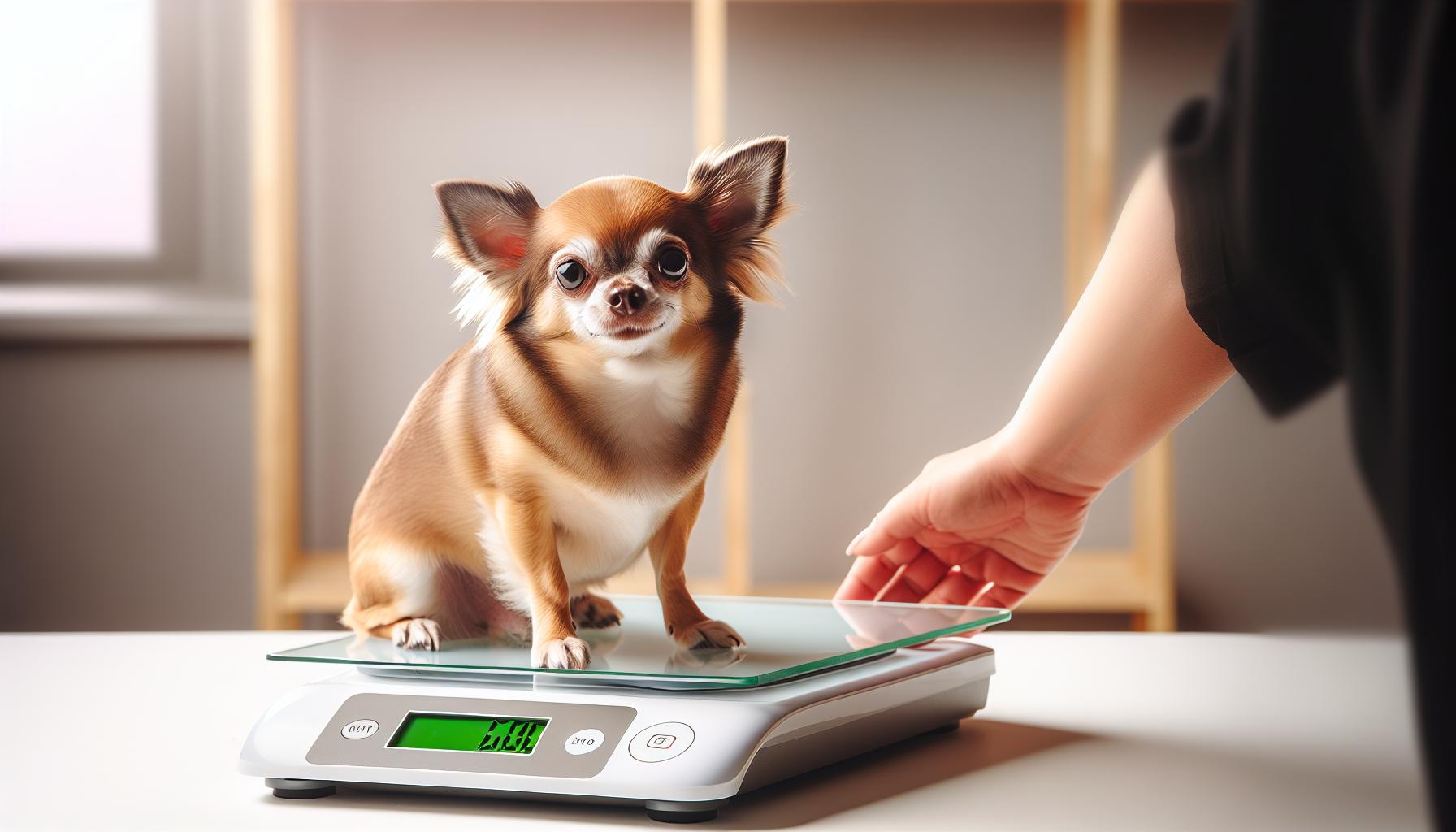
How Much Do Adult Chihuahuas Weigh? Typical Weight Ranges
Adult Chihuahuas are often celebrated for their tiny stature, but don’t let their size fool you-these little companions hold big personalities! On average, most adult Chihuahuas weigh between 2 to 6 pounds. However, the ideal weight can vary based on several factors, including genetics, sex, and body frame. For example, a sleek and agile apple-head Chihuahua may weigh less than his sturdier deer-head counterpart, who often tips the scales at the higher end of the range.
To help you understand where your Chihuahua fits in, consider the following weight averages based on size classifications:
| Type | Typical Weight (lbs) |
|---|---|
| Miniature | 2 – 4 lbs |
| Standard | 4 – 6 lbs |
| Large | 6 – 8 lbs |
When assessing your Chihuahua’s weight, remember that individual differences in diet and lifestyle play a crucial role. Active Chihuahuas may maintain a healthier weight through regular play and exercise, while those who prefer the cozy comforts of home might be more prone to weight gain. It’s always a good idea to monitor your pup’s body condition score and consult with a veterinarian to ensure he or she remains at a healthy weight throughout his or her life.
Embrace your Chihuahua’s delightful uniqueness; whether he’s a feisty little watchdog or your cuddly lap companion, each one has their own ideal weight that suits their distinct personality and needs.
Factors Influencing Chihuahua Weight and Size
Chihuahuas may be small, but their size and weight can vary significantly due to a combination of factors. Understanding what influences your Chihuahua’s weight is crucial in ensuring they stay healthy and happy. From genetics to lifestyle choices, every little detail contributes to their overall size and health.
Genetics plays a pivotal role; some Chihuahuas are naturally leaner while others may inherit a more robust frame. For instance, an apple-head Chihuahua, known for its rounded skull and youthful look, may often weigh less than a deer-head Chihuahua, which tends to have a more elongated muzzle and sturdier body. This difference is often noticeable even when they’re both within the same weight range. Additionally, sex can influence weight; males are often slightly heavier than females, due in part to muscular differences.
Diet and activity level are also critical in managing a Chihuahua’s weight. An active Chihuahua who enjoys regular playtime and exercise is likely to maintain a healthier weight than one who prefers a more sedentary lifestyle. Remember, keeping your pup engaged in play is not only good for their body but also their spirited personality. Making time for fun activities-like short walks or interactive games-can prevent weight gain and foster a strong bond between you and your little friend.
Finally, environmental factors should not be overlooked. The space where Chihuahuas live can influence how much they move around. A larger, open area can encourage more activity, while smaller living environments might lead to a more laid-back lifestyle. Be mindful of how different factors in your Chihuahua’s life might be affecting their weight, and always keep an eye on their overall health and well-being. Regular vet check-ups are also essential to monitor their growth and weight, ensuring they stay within the ideal range for their individual body type.
Understanding Chihuahua Growth Stages
Every Chihuahua owner knows that these pint-sized pups are brimming with personality, but did you know that understanding their growth stages can significantly help you nurture their health and happiness? Chihuahuas typically go through several distinct growth phases, each marked by rapid changes in weight, size, and behavior.
Growth Stages
During the first few weeks of life, a Chihuahua puppy is wholly dependent on its mother. At birth, they usually weigh between 2 to 6 ounces. By the time they reach 8 weeks, they typically weigh about 1 to 2 pounds, which can vary based on genetics and feeding. This stage is critical for socialization; exposing your pup to sounds, sights, and experiences can shape their confidence as they grow.
As your little one matures into the adolescent stage, around 4 to 6 months, significant changes occur. Puppies will generally gain speed and agility, and their weight can increase to about 3 to 5 pounds. During this time, it’s important to balance play and training. Their natural curiosity can lead to mischief; consistent training helps reinforce good behavior. Engaging in daily activities will not only prevent unwanted habits but also help maintain a healthy weight.
The transition into adulthood often occurs between 9 to 12 months, when most Chihuahuas stabilize at their mature weight, which usually ranges from 2 to 6 pounds. It’s essential to evaluate their body condition-keep an eye on their ribs and spine to ensure they’re not under or overweight. You might notice the apple-head Chihuahuas tending to weigh slightly less than their deer-head counterparts due to their variations in body structure.
In summary, understanding these growth stages allows you to provide appropriate care tailored to your Chihuahua’s evolving needs. Each phase presents unique opportunities and challenges, and being proactive will help your furry companion thrive into a healthy, happy adult. Regular vet check-ups are invaluable in monitoring their growth and implementing necessary adjustments in diet and activity levels. Embrace every quirk and milestone-your Chihuahua’s journey is as charming as they are!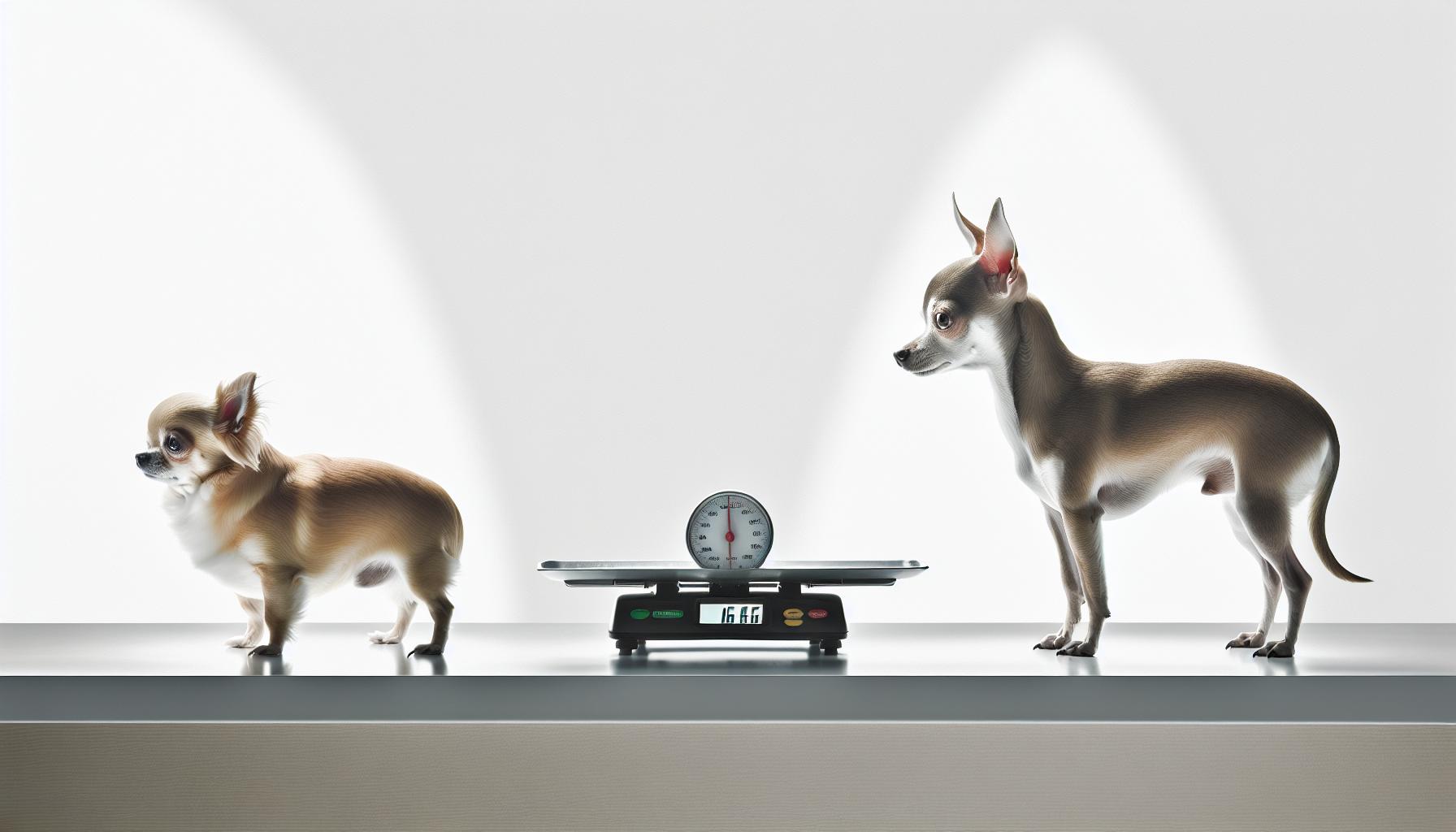
Differences in Weight: Apple-Head vs. Deer-Head Chihuahuas
When it comes to Chihuahuas, their weight can vary significantly based on their head type, which is primarily classified into two categories: Apple-Head and Deer-Head. Understanding these differences not only helps you keep track of your pup’s health but also allows you to appreciate the unique characteristics of each type.
Apple-Head Chihuahuas tend to have a more rounded skull shape and prominent apple-shaped heads. They are generally smaller and can weigh between 2 to 5 pounds as adults. Their compact size often gives them a delicate appearance, but don’t be fooled; they possess a bold and feisty personality. Owners often find that their Apple-Head Chihuahuas have a dramatic flair, showcasing charisma with every bark. This charming personality can lead to some adorable but sometimes overly vocal behavior, so be prepared for a lively little companion!
On the other hand, Deer-Head Chihuahuas are characterized by their longer snouts and leaner bodies. They usually weigh a bit more, ranging from 4 to 6 pounds, making them slightly larger than their Apple-Head peers. With a more streamlined appearance, they embody a graceful elegance. Deer-Head Chihuahuas are often described as being more laid-back and sociable, which can be perfect for families looking for a friendly addition to their home. Their relaxed demeanor might make them less inclined to act as tiny watchdogs, creating a sweet contrast to the more spirited Apple-Head type.
While both types share the same energetic and loving spirit that defines the Chihuahua breed, acknowledging these differences in weight and temperament can help you cater to their specific needs. Regular vet check-ups are essential to monitor their weight, ensuring they maintain a healthy lifestyle tailored to their unique body structure and personality. Whether you have an Apple-Head or a Deer-Head, celebrating their quirks and traits will enrich your bond, making every moment spent with them a delightful experience.
Healthy Weight Management for Chihuahuas
When it comes to managing your Chihuahua’s weight, you’re not just prolonging their life-you’re enhancing the quality of it. These tiny companions, with their vibrant personalities, require careful attention to their weight and health. Maintaining a healthy weight is essential, not only for preventing obesity-related issues but also for ensuring they remain playful and energetic, ready to explore the world by your side.
To effectively manage your Chihuahua’s weight, first, establish a balanced diet. Choose high-quality dog food that meets their specific needs, considering factors such as their age, energy level, and health status. For instance, an Apple-Head Chihuahua, who may weigh on the lighter side at around 2 to 5 pounds, might need different nutrient proportions than a Deer-Head Chihuahua, who typically weighs between 4 to 6 pounds. Always consult with your veterinarian to determine the best nutritional plan tailored to your pup’s unique requirements.
Additionally, regular exercise is crucial. Chihuahuas are known for their spirited nature, so incorporate fun activities that stimulate both their bodies and minds. Short walks, interactive play sessions, or even some indoor games can keep them active without overexerting themselves. Remember that these little dogs can get tired quickly, so aim for multiple short bursts of activity throughout the day rather than one long session.
Monitoring your Chihuahua’s weight should become part of your routine. Weigh her regularly-ideally, once a month-and keep an eye out for any sudden weight changes. Sudden increases in weight may indicate overeating or a lack of exercise, while sudden weight loss can point to health issues. If you notice significant fluctuations, consult your vet promptly.
When it comes to treats, moderation is key. It can be tempting to spoil your Chihuahua with treats, especially given their adorable, pleading expressions. However, opt for lower-calorie options and reserve treats for training or special occasions to avoid unnecessary weight gain. Instead, you might use praise or playtime as rewards, which can be just as effective in reinforcing good behavior.
Incorporating these strategies will help ensure your Chihuahua can enjoy a long, healthy life filled with adventures. Remember, a well-managed weight not only supports their physical health but also contributes to their happiness-after all, a sprightly Chihuahua is a happy Chihuahua!
Common Health Issues Related to Weight
Chihuahuas, with their spirited personalities and tiny frames, may not seem prone to health issues at first glance, but weight-related problems can sneak up on them. Just like with humans, an overweight Chihuahua can face a variety of health challenges that can significantly affect their quality of life. Keeping your furry friend within his ideal weight range is crucial for maintaining his vibrant energy and overall well-being.
One of the most common issues linked to excess weight is joint problems, particularly in the knees and hips. As a small breed, Chihuahuas are already susceptible to luxating patella (where the kneecap slips out of place), and added weight can exacerbate this condition. It’s essential to monitor their activity levels and be mindful of signs of discomfort, as an overweight Chihuahua may be less inclined to engage in play due to pain or strain.
Another health concern is heart disease. Increased body weight puts extra pressure on the heart and lungs, leading to potential respiratory issues, reduced stamina, and a higher risk of heart failure. Chihuahuas are naturally bold and curious, traits that often lead them into playful escapades; ensuring they can enjoy these activities without the hindrance of excess weight is vital. Regular vet check-ups can help catch any early signs of heart problems related to weight so that you can address them proactively.
Diabetes is also a rising concern among overweight Chihuahuas. When dogs are overweight, their bodies can become less sensitive to insulin, which regulates blood sugar levels. Symptoms may include increased thirst and urination, as well as a noticeable change in appetite. Keeping your Chihuahua’s diet in check and ensuring they have plenty of exercise can help prevent this serious condition.
To combat these issues, focus on preventive care through dietary management and regular physical activity. For instance, try incorporating short, fun walks or play sessions throughout the day instead of one long outing-this suits their small size and often short attention spans. Always opt for high-quality dog food, specifically formulated for small breeds, to maintain their nutritional needs without excess calories. Finally, involving your veterinarian in your Chihuahua’s dietary and exercise plan can be invaluable; they can help tailor recommendations based on your dog’s specific needs.
By maintaining a healthy weight, you’re not just preventing potential health issues-you’re enhancing your Chihuahua’s ability to enjoy life to its fullest, allowing his spunky personality to shine through every playful moment.
The Ideal Diet for Maintaining Your Chihuahua’s Weight
To help your Chihuahua maintain a healthy weight, it’s essential to craft a balanced diet that meets their specific nutritional needs while keeping those tiny frames in check. Chihuahuas, often weighing between 2 to 6 pounds, can easily slip into the overweight category without careful management. What they eat plays a pivotal role in their overall health and well-being, so let’s dig into the ideal diet for your little companion.
Chihuahuas benefit from high-quality, nutrient-rich food that supports their active lifestyles. Look for dog food labeled specifically for small breeds, which is formulated to meet their unique energy requirements. When choosing between dry kibble and wet food, consider what your pup prefers; some Chihuahuas thrive on kibble, while others enjoy the taste and texture of wet food. If you opt for kibble, ensure it’s small enough for them to chew easily-large pieces can be difficult for their tiny mouths.
It’s also crucial to monitor portion sizes. Many dog food packages provide feeding guidelines based on weight, which is a helpful starting point. However, you should always adjust based on your Chihuahua’s activity level and metabolism. Generally, feeding your pup two to three small meals a day rather than one large meal can help regulate their appetite and prevent overeating. To further control their weight, consider measuring their food with a cup to ensure consistency.
Don’t forget about treats-they can add up quickly! Choose healthy snacks like carrot sticks or small pieces of apple (make sure to remove the seeds) instead of commercial treats, which can be high in calories and sugar. You can even create training opportunities with treats to keep your Chihuahua engaged while controlling their intake.
Lastly, always keep your veterinarian in the loop regarding your Chihuahua’s diet and weight management. They can provide tailored advice specific to your fur baby’s needs and help adjust their diet as they age or if their activity level changes. Balancing their dietary needs with regular exercise-short walks or playtime-will keep your Chihuahua vibrant, healthy, and full of life. By investing a little time and thought into their diet, you’re contributing to their happiness and longevity.
Tips for Measuring Your Chihuahua’s Weight Accurately
Measuring your Chihuahua’s weight accurately is vital for ensuring her health and happiness. Given their small size-typically between 2 to 6 pounds-it’s easy for a few extra ounces to sneak by unnoticed, leading to potential health issues. Regularly weighing your Chihuahua can help you keep track of her weight during her growth periods and adjust her care accordingly.
To get an accurate measurement, start with a reliable digital scale. If you don’t have a pet-specific scale, you can use a regular bathroom scale. Just weigh yourself first, then pick up your Chihuahua and weigh yourself together. Subtract your weight from the total to find out how much she weighs. For smaller Chihuahuas, you can also use a kitchen scale. Just be sure it can measure down to ounces, as even slight weight changes can be significant for her size.
When weighing her, make sure she’s calm and standing still. It might help to have a favorite treat or toy nearby to keep her engaged. If she’s squirming or jumping around, it can lead to inaccurate readings. It can also be beneficial to weigh her at the same time each week or month, ensuring consistency. Monitor any changes; both weight gain and loss can indicate health problems, so keep an eye out for sudden fluctuations.
If your Chihuahua has a thick coat, you might be tempted to think her weight is more than it actually is. Regular grooming will not only help her maintain a healthy coat but also provide a more accurate weight measurement when she steps onto the scale. Remember, each Chihuahua is unique-consider her overall behavior, appetite, and physical appearance alongside her weight. Regular vet checkups are also essential; your veterinarian can help assess whether her weight is within a healthy range based on her breed type, whether she’s an apple-head or deer-head, and any other specific factors affecting her health.
How to Help an Overweight Chihuahua Shed Pounds
Getting your little one to shed those extra pounds can be a rewarding journey, especially considering that Chihuahuas, weighing typically between 2 to 6 pounds, only need to lose a small percentage of their body weight to see a positive change in their health. Remember, even a few ounces can make a significant difference for such a tiny breed!
To begin this process, it’s crucial to focus on a well-balanced diet tailored for your Chihuahua’s specific needs. Choose high-quality dog food that lists meat as the first ingredient and has appropriate protein and fat levels. Avoid fillers like corn or soy. You can also consider consulting with your vet for a specialized weight-loss diet. Breaking meals into smaller portions throughout the day can help your Chihuahua feel satisfied and less hungry, making weight management easier. Some owners have found success with a calorie-controlled feeding schedule, using a measuring cup to ensure portioning is accurate.
Incorporate Exercise Naturally
Chihuahuas may be small, but they are energetic and playful, so keep their exercise routine fun! Short walking sessions (about 10 to 15 minutes) several times a day are fantastic. They enjoy exploring their surroundings, and regular playtime with toys they love will keep their spirits high while burning calories. Consider games like fetch or hide-and-seek to engage their minds and bodies. A friend of mine uses neighborhood parks where other dogs can join in-what better way to motivate your Chihuahua than socialization?
Track Progress and Stay Consistent
Keeping a journal or using an app to monitor her weight weekly is helpful. Just like us, pups can have plateaus, and regular monitoring will help you adjust their food intake or exercise routines as needed. In addition, once you’ve established a routine, consistency is key. It may take a while, but with dedication, you’ve got the chance to support your Chihuahua in achieving a healthy weight and the vibrant life they deserve.
Lastly, don’t forget to celebrate small victories along the way! Whether it’s a slightly slimmer silhouette or increased energy levels, recognizing your Chihuahua’s progress fosters a positive environment for both of you. Your loyal little companion will continue to thrive, showing off that bold personality as she sheds those extra ounces!
Understanding Weight Variations by Coat Type
Understanding the nuances of how coat type can influence weight in Chihuahuas is vital to appreciating this playful breed. While all Chihuahuas typically weigh between 2 to 6 pounds, the coat type can sometimes correlate with their overall frame and thus their weight. Chihuahuas come in both smooth and long-haired varieties, and each type may affect how much they weigh based on the density and length of their fur.
The smooth-coated Chihuahua generally has a sleeker profile, which can result in a slightly lighter weight in comparison to their long-haired counterparts. Without the added bulk of fur, these petite pups might sit closer to the lower end of the weight spectrum, often showcasing a more delicate frame. On the other hand, long-haired Chihuahuas tend to have more volume due to their flowing coats. This can sometimes make them appear heavier than they truly are, as the fur adds to their overall shape. It’s important for owners to look beyond the coat when considering their pup’s actual weight and health.
Another interesting factor that can affect weight variations by coat type is the individual dog’s body structure. For instance, a long-haired apple-head Chihuahua might weigh more due to a more rounded head and thicker neck, while a deer-head Chihuahua, regardless of coat type, may have a slimmer physique. Understanding this variability helps set realistic expectations for maintaining a healthy weight-something that’s crucial for your Chihuahua’s longevity and well-being.
In terms of practical guidance, it’s essential to monitor your Chihuahua’s weight using a reliable scale. Remember, fluctuations in weight can occur, especially in long-haired Chihuahuas, where the fluff can mislead an owner into thinking their pup is heavier or lighter than they actually are. Regular vet check-ups and weight assessments can help identify any concerns early on. Ultimately, prioritizing a balanced diet and appropriate exercise routines tailored to your Chihuahua’s coat type and overall structure can support a healthier lifestyle for your beloved little companion.
Recognizing When to Consult a Vet About Weight
It’s not uncommon for Chihuahua owners to wonder whether their tiny companions are at a healthy weight, especially given their petite frames and spirited personalities. -related concerns can make a significant difference in your Chihuahua’s health and happiness. If you notice that your furry friend is struggling to keep up during your daily walks, or if he seems less energetic than usual, these can be subtle signs that something might be amiss with his weight. Chihuahuas typically range from 2 to 6 pounds, and while loving owners often spoil their little ones with treats, maintaining a close eye on their weight is crucial.
It’s essential to monitor not just the weight, but also the body condition of your Chihuahua. If you can’t easily feel his ribs without pressing hard, or if he has a noticeable belly, it may be time for a vet visit. Regular check-ups can help assess his weight and overall health, particularly if there are sudden changes. For example, if you switch his diet-either to a healthier option or a calorie-rich treat-make sure to consult your vet to ensure you’re supporting his nutritional needs appropriately.
Additionally, certain health conditions, such as hypothyroidism, can impact a Chihuahua’s weight. If you observe persistent changes-whether weight gain or loss-consulting with a veterinarian is vital. They might recommend blood tests or other diagnostics to rule out underlying health issues. Remember that addressing weight concerns early can help prevent more serious health problems in the future.
Maintaining open communication with your vet and keeping up with regular visits are keys to managing your Chihuahua’s weight. They can provide personalized recommendations tailored to your pup’s unique needs, whether he’s an apple-head or a deer-head with a sleek or fluffy coat. In the world of Chihuahuas, every ounce counts, and your proactive approach to his health can lead to a longer, happier life together.
Celebrating Your Chihuahua’s Unique Size and Personality
There’s something incredibly charming about a Chihuahua’s petite size that captivates everyone. These little bundles of energy might weigh between 2 to 6 pounds, but their personality is larger than life. Whether they’re strutting down the street with confidence, barking at the mailman, or curling up in your lap, Chihuahuas have a way of stealing the spotlight. Their small stature makes them easy to transport, allowing you to take them everywhere – from cafés to parks, their presence brightens any space.
Embracing your Chihuahua’s unique size goes beyond just affection; it plays a vital role in understanding their needs. For instance, their lightweight frame means that gentle handling is essential. This is especially true when they’re interacting with larger dogs or playing with children. Guard your fur baby with love and awareness of their fragility. Owners often share stories of how their Chihuahuas have surprised them with their fierce loyalty and bravery. One owner shared how her tiny apple-head Chihuahua boldly stood her ground against a much larger dog – a true testament to the breed’s fearless nature.
Equally important is recognizing the differences in physical traits, like the distinction between apple-head and deer-head Chihuahuas. Apple-heads typically exhibit larger domed heads and a more compact body structure, while deer-heads often flaunt longer snouts and taller legs. Each type has its own unique charm, contributing to the wide range of personalities within the breed. Regardless of their shape, Chihuahuas come with a specific set of needs, particularly regarding health and nutrition.
To truly celebrate their uniqueness, consider these tips for enhancing your Chihuahua’s life:
- Engage in Socialization: Regularly expose your Chihuahua to various environments and people. This boosts their confidence and reduces anxiety in new situations.
- Tailored Training: Due to their intelligence and spirited nature, invest time in training that suits their size. Short lessons using positive reinforcement work wonders.
- Health Monitoring: Routine vet visits are crucial for early detection of any health issues. Keep track of weight and overall condition, as their small size magnifies health fluctuations.
- Enrichment Activities: Invest in toys that stimulate their minds, like puzzle feeders or interactive games. Chihuahuas thrive on mental stimulation alongside physical activity!
With the right care and attention, your Chihuahua will not only thrive but will also continue to fill your life with joy and laughter. Celebrate their charming quirks, be it their feisty attitude, their love for cuddling, or the way they perk up at the sound of their favorite treat bag. Each moment with a Chihuahua reaffirms that great things truly come in small packages.
Q&A
Q: What is the average weight of a Chihuahua?
A: The average weight of a Chihuahua typically falls between 2 to 6 pounds. This range can vary based on factors such as genetics and overall health, making regular check-ups important to ensure your dog’s well-being.
Q: At what age do Chihuahuas reach their full weight?
A: Chihuahuas usually reach their full weight by 12 months, although some may continue to gain a bit more until around 2 years. Monitoring their growth stages is essential to maintain a healthy weight.
Q: How can I tell if my Chihuahua is overweight?
A: To determine if your Chihuahua is overweight, palpate their ribs-you should feel them without excessive pressure. Additionally, look for a noticeable waist when viewed from above. Regular vet visits can help assess their weight accurately.
Q: What is the weight difference between male and female Chihuahuas?
A: Generally, male Chihuahuas may weigh slightly more than females, with males averaging between 4 to 6 pounds and females around 3 to 5 pounds. Nonetheless, individual weights can vary significantly based on health and genetics.
Q: How often should I weigh my Chihuahua?
A: It’s advisable to weigh your Chihuahua at least once a month, especially during growth stages. Keeping track helps identify any rapid weight changes, allowing you to adjust their diet and exercise as needed.
Q: Do Chihuahuas tend to gain weight in winter?
A: Yes, Chihuahuas, like many small breeds, may gain weight during winter due to decreased activity levels and increased caloric intake. To combat this, maintain regular exercise and monitor their food portions, especially during colder months.
Q: What diet is best for maintaining a healthy Chihuahua weight?
A: A balanced diet rich in high-quality proteins, healthy fats, and low carbohydrates is ideal for Chihuahuas. Consider providing specific breed formulas and avoiding excessive treats to help maintain a healthy weight.
Q: How can I support an elderly Chihuahua’s weight management?
A: For elderly Chihuahuas, it’s crucial to provide a lower-calorie diet while ensuring they stay active with gentle exercises. Regular vet consultations can help tailor a specific plan that meets their unique health needs.
In Retrospect
Now that you know the typical weight range for Chihuahuas, you’re better equipped to understand your furry friend’s health and care needs. Remember, whether your Chihuahua is a bold apple-head or a spunky deer-head, maintaining their ideal weight is crucial for their overall well-being. If you’re still uncertain about your dog’s specific weight or health concerns, consider consulting your veterinarian for tailored advice.
For more insights on caring for your lively companion, check out our articles on Chihuahua health tips and training techniques. Don’t forget to sign up for our newsletter for more breed-specific advice delivered right to your inbox. Share your Chihuahua’s unique quirks in the comments below-we’d love to hear from you! Embrace the joys and challenges of owning a Chihuahua, and explore our site for helpful resources that keep you and your pup thriving together!
Get our latest guides, news, and insights highlighted in your Google Search & AI Overviews.