

Did you know that Chihuahuas, despite their tiny stature, can embody a wide range of weights as they grow? Understanding how heavy a Chihuahua can get is crucial for their health and wellbeing. These spirited little companions, known for their bold personalities and loyalty, can vary significantly in size based on age, genetics, and care. Whether you’re a proud new owner or a seasoned Chihuahua enthusiast, knowing the weight range for different life stages is key to keeping your furry friend healthy. This guide will delve into the typical weight you can expect from your Chihuahua as they age, helping you ensure that your tiny buddy stays within a healthy range. Curious about how to support your Chihuahua’s growth? Let’s explore the fascinating journey of our beloved little dogs together!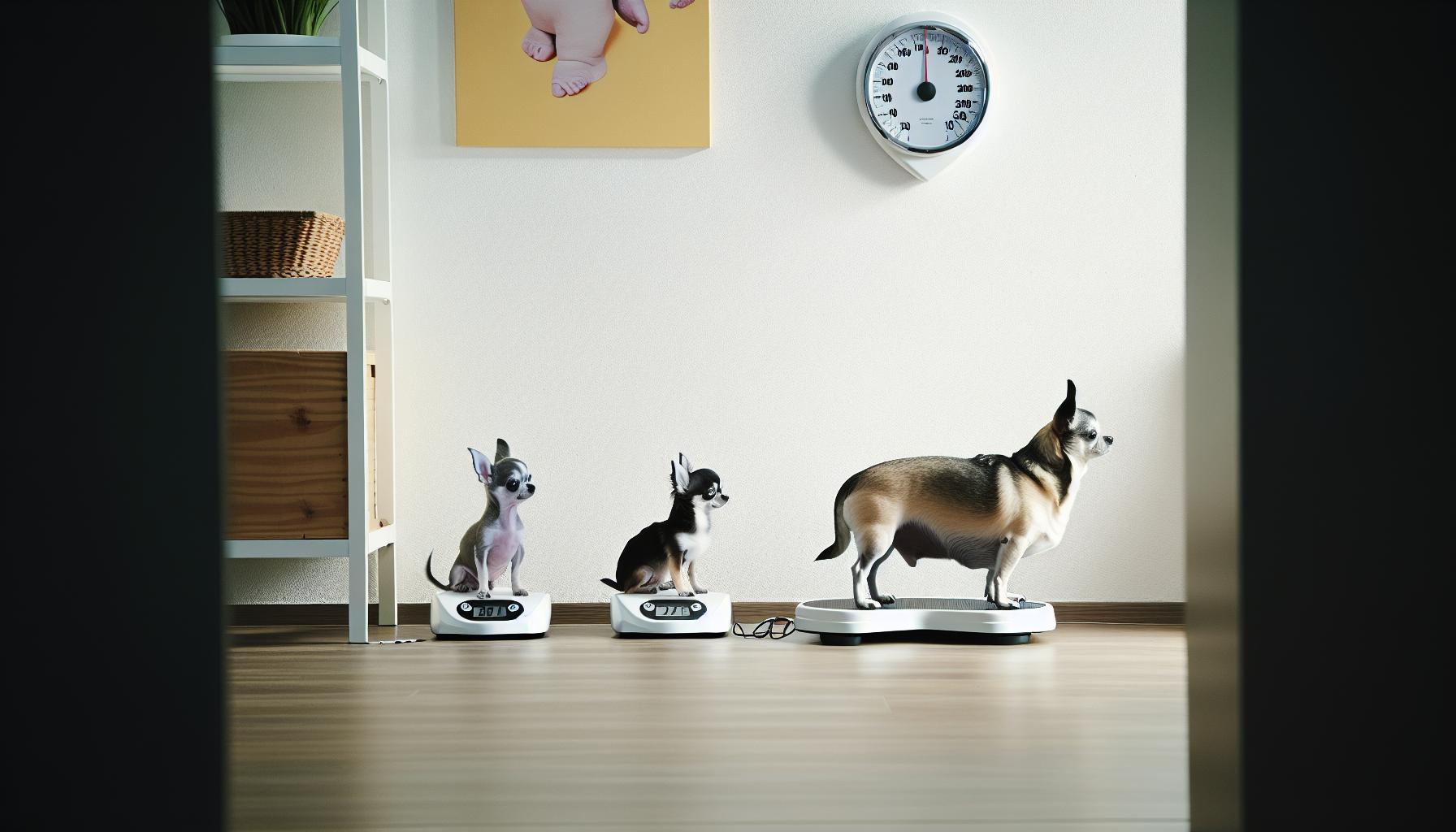
How Weight Varies with Chihuahua Age
Chihuahuas, those tiny bundles of personality, experience significant weight variations as they grow. It’s fascinating to note how their weight can change dramatically from puppyhood through adulthood. Typically, a Chihuahua puppy will weigh around 1-2 pounds at birth and can grow to weigh anywhere from 2 to 6 pounds by the time they reach their first birthday. However, their final weight can depend on a variety of factors, including genetics, diet, and overall health.
Understanding how weight varies with age is essential for any Chihuahua owner. Puppies tend to gain weight quickly, especially in their first few months, so it’s crucial to monitor their growth and ensure they receive the right nutrition. On the other hand, as Chihuahuas transition into adulthood, their growth rate slows significantly. This is not just about numbers; it’s vital to get a sense of what a healthy weight looks like for your pet. Ideally, adult Chihuahuas should maintain a lean, healthy physique, as obesity can lead to serious health problems, including heart disease and diabetes.
Regular weigh-ins can help owners track their Chihuahua’s weight changes and ensure they stay within a healthy range. Also, be aware that different Chihuahua variations, such as the apple-head or deer-head types, may have slight differences in ideal weight ranges. Keeping close attention on their weight throughout their life stages will help you celebrate their unique build and keep them healthy and happy, leading to many joyful years together.
For instance, one owner noted how their apple-head Chihuahua, Bella, was just shy of 4 pounds at 2 years old, while their deer-head dog, Max, hit the scale at about 6 pounds. These small differences underscore the importance of individualized care tailored to each dog’s needs. Therefore, monitoring your Chihuahua’s weight as they age is pivotal in maintaining their overall health and well-being while giving your little friend the best life possible!
Understanding Chihuahua Weight Ranges
Chihuahuas, with their energetic and spunky personalities, have a weight range that is as varied as their individual traits. Understanding the typical weight ranges for these delightful dogs can help you become a more knowledgeable and attentive owner. Generally, a Chihuahua puppy will weigh around 1-2 pounds at birth and, by their first birthday, may reach weights of 2 to 6 pounds. However, it’s essential to recognize that this range can shift based on a few factors including genetics, diet, and overall health, which makes monitoring growth paramount.
As she progresses from puppyhood into adulthood, your Chihuahua will experience fluctuations in weight that are influenced by more than just their age. Factors such as diet, activity level, and even the specific Chihuahua type (for example, apple-head vs. deer-head) can affect how much she weighs. While both types generally fall within the same weight ranges, some owners find differences; for instance, a deer-head Chihuahua might naturally weigh more due to their slightly larger skull structure.
Here are some key points to keep in mind when tracking your Chihuahua’s weight:
- Puppies: Typically gain weight rapidly in the first few months, necessitating frequent weigh-ins to ensure they’re on track for healthy growth.
- Adults: Should ideally maintain a lean physique, often weighing between 2 and 6 pounds, depending on their build.
- Weight Monitoring: Regular weigh-ins are crucial; even small changes can indicate underlying health issues or dietary needs.
For example, one Chihuahua owner shared how her little apple-head, named Daisy, weighed in at 5 pounds at 18 months, which aligned perfectly with veterinary recommendations for her breed. On the other hand, her friend’s deer-head Chihuahua weighed 8 pounds, showing that even within the breed, there can be variations that are perfectly normal.
Ultimately, being aware of these factors not only ensures your furry friend remains healthy but also empowers you to celebrate her unique personality and quirks throughout her life. By keeping a watchful eye on her weight and adjusting her food and activity levels as needed, you’ll promote a happy and fulfilling life together.
Factors Influencing a Chihuahua’s Weight
Understanding what influences your Chihuahua’s weight is essential for promoting a healthy life for your tiny companion. Several factors play a pivotal role, and being aware of them can help you make informed decisions about your dog’s diet, activity levels, and overall care.
One of the most significant influences is genetics. Just like humans, Chihuahuas inherit traits from their parents, including size and weight. For instance, apple-head Chihuahuas typically weigh less compared to their deer-head counterparts, which may be more robust due to their larger frame. This genetic predisposition often sets a baseline for expected weight ranges. Thus, when considering your Chihuahua’s weight, it’s helpful to know his lineage and the weights of his relatives.
The diet that you provide is another crucial factor. High-quality, balanced nutrition tailored to your Chihuahua’s age and activity level is vital. Puppies require more calories to sustain their rapid growth, while adult Chihuahuas benefit from a diet that supports weight maintenance. Some owners find success with high-protein diets that help maintain muscle mass without excess fat. For example, an owner shared that transitioning her adult Chihuahua, Max, to a grain-free diet resulted in improved energy levels and a healthier weight, reinforcing the importance of appropriate nutrition.
Regular exercise also significantly impacts your Chihuahua’s weight. Although these little dogs may appear delicate, they have vibrant energy that needs to be channeled. Daily walks and playtime not only help regulate his weight but also contribute to mental stimulation and socialization. A well-exercised Chihuahua is less likely to experience obesity-related health issues. One owner observed that her Chihuahua, Bella, maintained a perfect weight after she established a routine that included daily playdates with other small dogs.
Finally, it’s essential to keep an eye on your dog’s health changes, as they can indicate whether adjustments are needed in diet or exercise. Regular check-ups with the veterinarian will provide insights and proactive care, allowing you to address any potential health issues early on. If you notice unexplained gains or losses in weight, seeking professional advice can make a significant difference in your Chihuahua’s well-being.
By understanding these influencing factors, you can celebrate your Chihuahua’s unique build while ensuring he stays happy and healthy for years to come.
Weight Differences Between Chihuahua Types
Choosing a Chihuahua is not just about adopting a cute little companion; it’s also about understanding the variety within this beloved breed, particularly how their weights can differ based on physical characteristics and types. While all Chihuahuas are known for their petite size and big personalities, factors like head shape, coat type, and even genetic lineage can significantly influence their overall weight.
Two primary types of Chihuahuas reflect differing weights and structures: apple-head Chihuahuas and deer-head Chihuahuas. Apple-head Chihuahuas, often considered the more “traditional” type, typically weigh between 2 to 6 pounds. They exhibit a round skull and short, apple-shaped heads, attributes that contribute to their lighter stature. In contrast, deer-head Chihuahuas showcase a longer, more elongated head and a less rounded skull, often resulting in a sturdier build. These Chihuahuas usually weigh between 4 to 8 pounds, occasionally exceeding this range if they come from larger lines.
It’s important to take into account that coat type can also play a role in weight. Long-haired Chihuahuas tend to have more body mass than their short-haired counterparts, as the longer fur provides insulation and may result from larger proportions in certain lines. Owners frequently share observations that their long-haired Chihuahuas might appear bulkier, but it’s essential to focus on overall health rather than just fur length.
As you observe your Chihuahua’s weight, remember that factors such as diet, exercise, and genetic background profoundly affect how much he should weigh. Regular vet check-ups should guide you in ensuring your furry friend stays in a healthy weight range, considering his unique type and individual needs. The joy of having a Chihuahua is embracing their quirks, understanding their types, and celebrating their diversity while ensuring they thrive and feel loved!
Tracking Growth: Puppy vs Adult Chihuahua
As your little Chihuahua grows, watching their weight can feel like a high-stakes game of inches and ounces. It’s a joy to see them transition from a clumsy puppy to a confident adult, but each stage of growth comes with its own weight expectations and health considerations. Understanding the typical weight ranges for Chihuahuas at different life stages can significantly impact their health and happiness.
Puppies experience rapid weight gain in their first few months. By about eight weeks, your Chihuahua might weigh anywhere between 1 to 2.5 pounds, as they are still developing their bones and muscles. As they approach four months, you can expect them to weigh around 3 to 5 pounds. This is the ideal time to establish good feeding habits; the right diet will help them grow strong without becoming overweight. For example, an owner of a playful apple-head Chihuahua shared that keeping track of their puppy’s weight during this phase was crucial to ensuring healthy growth and avoiding the dreaded “puppy-chub.”
By the time they reach adulthood at around 12 months, Chihuahuas will typically settle into their ideal weight range: 2 to 6 pounds for apple-heads and 4 to 8 pounds for deer-heads. This is when you need to pivot from a puppy-focused diet to one suited for fully grown dogs. Maintaining a consistent feeding schedule and avoiding overindulgence in treats can help prevent weight issues down the road. Long-haired Chihuahuas, in particular, might appear bulkier due to their fur; keeping a close eye on body shape rather than just the scale can help you recognize what a healthy weight looks like.
Regular check-ins with your veterinarian will help ensure that your Chihuahua maintains a healthy weight as they grow. They might recommend specific portions and types of food that suit your Chihuahua’s particular needs, considering factors like activity level and temperament. With your guidance and care, your beloved companion will thrive at every stage of their extraordinary life!
Common Health Issues Related to Weight
Chihuahuas may be small, but their health can be significantly impacted by their weight. As proud owners, understanding the health issues that can arise from being overweight-or, conversely, underweight-can ensure your tiny companion lives a long, happy life. Obesity is one of the most pressing concerns for Chihuahuas, often leading to a range of related health problems, including heart disease, diabetes, and joint issues. These can severely affect their mobility and quality of life. For instance, a Chihuahua owner noticed that their little one started panting excessively and seemed reluctant to play, which turned out to be linked to excess weight straining his heart.
Consequences of Being Overweight
When Chihuahuas exceed their ideal weight range, they’re at risk for conditions like:
- Heart Disease: Extra weight forces the heart to work harder, potentially leading to heart problems.
- Diabetes: Overweight Chihuahuas are more susceptible to developing diabetes, which can cause further complications if not managed.
- Joint Issues: Extra pounds can lead to arthritis and joint pain, making it difficult for them to enjoy their daily walks.
- Respiratory Problems: As their weight increases, so does the risk of respiratory issues, especially as they age.
On the flip side, underweight Chihuahuas can experience their own set of issues. These may include a weakened immune system, making them more vulnerable to infections; insufficient energy for daily activities; and potential developmental issues in puppies. It’s crucial to identify the cause of weight loss, whether due to poor nutrition, health concerns, or even anxiety.
Owner Insights and Practical Tips
One experienced Chihuahua owner shared a successful strategy: scheduling regular vet check-ups. These visits allow for tailored advice on diet and exercise to suit each dog’s needs. Keeping a daily food journal can also help track what she feeds her Chihuahua, ensuring she maintains a balanced diet without excess calories.
To aid in proper weight management, consider the following practical tips:
- Portion Control: Use measuring cups to prevent overfeeding.
- Healthy Treats: Opt for low-calorie snacks and limit high-fat treats.
- Regular Exercise: Engage in short, frequent play sessions to keep her active and enhance her fitness.
- Monitor Weight: Weigh him regularly to catch any concerning changes early.
Taking the time to understand your Chihuahua’s specific health needs can make a world of difference. Their small size might seem insignificant, but their health depends on you keeping them within a healthy weight range, letting their unique personalities truly shine!
Feeding Your Chihuahua: Diet Tips and Portion Control
Feeding your Chihuahua well is one of the best ways to ensure they lead a long and vibrant life. With their tiny stature, even small adjustments in diet can have a big impact on their health and overall well-being. Proper nutrition plays a crucial role in maintaining a healthy weight, which is essential for avoiding common health issues in the breed, such as heart disease and diabetes. Understanding the right foods and managing portion sizes can help keep your Chihuahua in their ideal weight range by age.
When it comes to selecting food for your Chihuahua, opt for high-quality dog food that lists meat as the first ingredient. Since these dogs are known to have sensitive stomachs, it’s important to choose a food that is grain-free or low in fillers. Many owners find success with specialized brands designed for small breeds, which often contain higher protein content and smaller kibble sizes ideal for their petite jaws. Additionally, incorporating fresh fruits and vegetables like carrots and green beans as occasional treats can provide nutritional benefits without excessive calories.
Portion control is vital to prevent overfeeding, which can lead to obesity. Instead of free-feeding, consider adhering to a strict feeding schedule. Measuring his food using a precise measuring cup keeps quantities consistent and helps prevent those puppy-dog eyes from persuading you into extra treats. The general guideline for adult Chihuahuas is about 1/2 to 1 cup of food daily, divided into two meals, depending on his weight and activity level. Always consult with your veterinarian to tailor these recommendations to your Chihuahua’s specific needs.
Monitoring your Chihuahua’s weight regularly can also help identify any sudden changes. One owner shared that keeping a weekly log of his Chihuahua’s weight allowed her to notice trends and act before any health issues escalated. If your pup starts to feel a bit plumper or too thin, adjusting the portion sizes or changing the food may be in order. Remember, a balanced diet is the foundation of health, so take the time to learn what works best for your little companion and keep them active through fun playtime-another essential ingredient for a happy life!
Exercise Needs for a Healthy Chihuahua
Chihuahuas may be small, but their energy levels and exercise needs can be surprisingly high. Despite their tiny frames, these little companions are known for their vibrant personalities and bold spirits. Regular physical activity is essential not only for maintaining their weight but also for keeping their minds sharp and spirits joyful. A well-exercised Chihuahua is often a happy Chihuahua, and understanding how to meet their unique exercise needs is key to a balanced, healthy life.
Daily walks are a fundamental part of a Chihuahua’s exercise routine. Even a modest 20 to 30 minutes of pacing around the block can work wonders. These outings allow your fur baby to explore scents, see other dogs, and engage with the world, which is mentally stimulating for such a curious breed. Always keep your Chihuahua on a leash, as their tiny size makes them vulnerable, and their fearless nature might tempt them into mischief. Additionally, having a sturdy harness instead of a collar can protect their sensitive necks from strain during walks.
Incorporating playtime into your Chihuahua’s daily routine is another fantastic way to ensure they get sufficient exercise. Games that utilize their instinct to chase-like a small ball or a squeaky toy-are great options. Set aside time each day for a lively play session, whether it’s fetch in the living room or hide-and-seek around the house. Not only does this kind of interaction keep them physically fit, but it also strengthens the bond between you and your furry friend.
Challenge your Chihuahua’s agility with short obstacle courses made from household items, like cushions or cardboard boxes. This not only provides physical exercise but also mental stimulation, as Chihuahuas thrive on problem-solving and exploration. Engaging in interactive toys, such as puzzle feeders, can add variety to their routine and encourage them to work for their treats while also keeping their weight in check.
Remember, the exercise needs of your Chihuahua may vary based on age, health, and energy levels. Puppies usually have bursts of energy to spare, so they might need shorter, more frequent sessions, while seniors may enjoy gentler strolls. Always keep an eye on your Chihuahua during exercise, and consult your veterinarian if you notice any signs of fatigue or discomfort. By understanding and responding to your Chihuahua’s exercise requirements, you set the stage for a happier and healthier life together.
Recognizing Weight Loss or Gain in Chihuahuas
Chihuahuas, despite their petite size, can experience significant fluctuations in weight, and recognizing these changes is crucial for their health and well-being. A sudden increase or decrease in your Chihuahua’s weight can signal underlying health issues or shifts in their lifestyle. For example, a weight gain may arise from overindulgence in treats or lack of exercise, while weight loss could indicate health problems such as dental issues, illness, or stress.
To effectively monitor your Chihuahua’s weight, start by creating a consistent check-in schedule. Weigh your dog regularly-ideally once a week-and maintain a record of these weights. Small Chihuahuas generally weigh between 2 to 6 pounds, so changes may not seem dramatic. However, even a slight fluctuation can indicate a need for adjustments in diet or activity levels. Look for physical signs, such as changes in their shape; if you notice that their ribs are no longer easily felt or that their waistline has vanished, it might be time to reevaluate their feeding and exercise routines.
Furthermore, pay attention to your Chihuahua’s overall behavior. If she seems lethargic, loses interest in play, or shows a decreased appetite, these can be red flags. Conversely, if he appears unusually restless and always begs for food, it may suggest an unhealthy weight trend upwards. Make a habit of observing her energy levels and playfulness, as these can often reflect her current state of health more accurately than the scale alone.
In managing your Chihuahua’s weight, involve your vet in the conversation. A veterinarian can provide personalized recommendations on appropriate weight ranges based on your dog’s age, breed variation, and overall health status. They can help identify if a weight change stems from dietary issues, medical conditions, or just normal aging.
By maintaining an aware and proactive approach to your Chihuahua’s weight, you can ensure she remains the vibrant, playful companion you cherish. Celebrate her unique personalities-the boldness of an apple-head or the cuddly nature of a deer-head Chihuahua-and provide the care she needs to thrive.
When to Consult a Veterinarian About Weight
Your Chihuahua’s health and happiness are closely tied to their weight. It’s vital to maintain awareness of any changes throughout their life, but knowing when to consult your veterinarian can make all the difference. If you notice your Chihuahua is suddenly gaining or losing weight without any changes to their diet or activity levels, it’s time to take action. Although Chihuahuas can be quite the drama queens, unexpected weight change can indicate health issues, such as metabolic disorders or chronic illnesses.
Another sign to watch for is a shift in your pup’s behavior. If your normally playful Chihuahua becomes lethargic or disinterested in favorite activities, it could be more than just a mood swing. Similarly, heightened anxiety around food or aggressive begging could signal discomfort or distress related to weight. For instance, a friend of mine noticed her apple-head Chihuahua, Bella, constantly seeking attention around meal times. After consulting a vet, they discovered Bella had dental issues affecting her willingness to eat properly, leading to unwanted weight changes.
Regular check-ups are crucial, especially as your Chihuahua ages. They may need more frequent visits to ensure their weight and overall health stay on track. If your vet suggests a weight management plan, engage in the conversation; understand the reasoning behind diet changes or prescribed exercise routines. By being proactive and maintaining a dialogue with your vet, you can navigate weight management with confidence, ensuring your Chihuahua remains the lively companion you adore. Remember, small adjustments can have a big impact!
Celebrating Your Chihuahua’s Unique Build
Every Chihuahua is a little marvel, uniquely crafted in size, shape, and personality. The diverse range of builds helps define what makes this breed so endearing. From spirited apple-head Chihuahuas, known for their rounded skulls and big, soulful eyes, to the more elongated deer-head variety, each type presents its own charm and individual quirks. Celebrating these unique attributes not only enriches our appreciation but also enhances the bond we share with our furry companions.
As you observe your Chihuahua’s growth, it’s important to appreciate their distinctive build at every age. Generally, a healthy Chihuahua will weigh between 2 to 6 pounds, with variations depending on genetics and whether they’re more apple or deer-headed. Keeping track of their weight can help ensure they stay within these ranges, but remember, it’s not just about numbers. A Chihuahua’s weight can fluctuate naturally as they grow, especially in the first few months. Young puppies may carry a little extra “puppy fat,” but it generally balances out as they mature into adults.
Understanding your Chihuahua’s specific dietary needs and activity levels is crucial. If you own a lively little sweetheart, he might require more exercise than a couch potato who prefers snuggling. Make sure to tailor their routines and food portions accordingly. For example, small, frequent meals can keep your lively companion energized without overloading them, promoting a healthy weight and preventing obesity-a common concern in this breed.
Whether your furry friend is a proud show dog or a beloved couch companion, embracing their unique build is an opportunity to deepen your relationship. Pay attention to the little things-how her ears perk up when she’s curious or how he struts his stuff when you go for walks. These characteristics make them who they are, so cherish these little aspects as part of the journey of living with a Chihuahua. Remember, every dog is different, and celebrating those differences is what makes your bond with your Chihuahua truly special.
Owner Experiences: Weight Insights and Stories
When it comes to understanding the weight of Chihuahuas and how it varies through their ages, every owner has their own story and insights that can inspire and guide others. For instance, one first-time Chihuahua owner noted, “I was so worried when my little Bella tipped the scales at just over 3 pounds. Was she too heavy? Turns out, she was just perfect for her age and breed type!” This highlights a common concern among new Chihuahua owners – ensuring that their pup maintains a healthy weight as they grow.
As puppies, Chihuahuas can experience rapid weight changes. Many owners find that their adorable little bundles of joy may seem a bit chubby in the early months, only to slim down as they become more active or transition from puppy food to adult food. “I remember when Max was around six months old, he had this ‘puppy fat’ phase. I was advised to keep a close eye on his food intake, and it worked wonders! He now has a sleek physique and is full of energy,” shared a seasoned Chihuahua enthusiast. This anecdote emphasizes the importance of adjustments in feeding as your Chihuahua matures.
Weight differences can also vary depending on the type of Chihuahua. Owners with apple-head Chihuahuas often observe that these little ones tend to be more stocky compared to their deer-head counterparts, who might appear leaner and taller. A proud owner of both types remarked, “My apple-head, Daisy, weighs in at a healthy 5 pounds, while my deer-head buddy, Charlie, is just around 3 pounds. They’re both perfect in their own ways!” This comparison not only illustrates the diversity within the breed but also reassures owners that variation in weight is normal.
Lastly, health and well-being should always be at the forefront of our minds as Chihuahua parents. An owner narrating their experience with weight-related health issues advised, “When I noticed my Chihuahua, Lola, was losing too much weight suddenly, I knew something wasn’t right. A quick vet visit revealed she had dental issues affecting her appetite.” This experience underscores the importance of monitoring weight fluctuations and recognizing when a veterinary consultation is necessary. Sharing these experiences fosters community knowledge and assures each owner that they are not alone in their journey of caring for these spirited little canines.
Frequently Asked Questions
Q: What is the average weight of a Chihuahua puppy?
A: The average weight of a Chihuahua puppy typically ranges from 1 to 6 pounds at birth, depending on the size of the litter and the individual puppy’s genetics. It’s essential to monitor their growth regularly to ensure they are healthy.
Q: At what age do Chihuahuas reach their full weight?
A: Chihuahuas generally reach their full weight by around 12 months of age. Some may continue to fill out slightly until they are 18 months. Regular vet check-ups help track their growth and health during this period.
Q: Why do some Chihuahuas weigh more than others?
A: Weight variations in Chihuahuas can be attributed to genetics, diet, and lifestyle. Factors such as being part of a larger breed mix or variations in feeding habits greatly influence their weight. Owners should focus on balanced nutrition and regular exercise.
Q: How can I tell if my Chihuahua is overweight?
A: To determine if your Chihuahua is overweight, check for a visible waist when viewed from above, feel their ribs easily without excess fat, and observe their energy levels. If you notice a significant change, consult your veterinarian for advice tailored to your dog’s needs.
Q: What is the weight range for a mature Chihuahua?
A: A mature Chihuahua typically weighs between 2 to 6 pounds. Variations exist between types (e.g., apple-headed vs. deer-headed). Understanding your Chihuahua’s type helps set realistic expectations for their weight.
Q: Can weight affect a Chihuahua’s health?
A: Yes, a Chihuahua’s weight can significantly impact their health. Obesity can lead to numerous health issues, such as joint problems and heart disease, while being underweight may indicate health problems. Monitoring their weight can help mitigate these risks.
Q: How much should I feed my Chihuahua based on age and weight?
A: Feeding amounts for Chihuahuas can vary, but generally, puppies require high-quality puppy food at around 1/4 to 1/2 cup daily, divided into meals. Adult Chihuahuas typically need 1/4 to 1/2 cup of high-quality dog food per day, depending on their activity level and weight.
Q: What are the signs of a healthy weight in Chihuahuas?
A: Healthy weight in Chihuahuas includes maintaining an ideal body condition where ribs are easily felt but not visible, a defined waistline, and active engagement in play. Regular vet check-ups can provide further assessment and guidance tailored to your Chihuahua’s weight.
To Wrap It Up
Understanding the weight range of Chihuahuas by age is crucial for their health and overall well-being. Remember, keeping track of your furry friend’s growth can help you identify any potential health issues early. If you’ve enjoyed this guide, consider exploring more about Chihuahua care and health by checking out our articles on “Best Diet for Chihuahuas” and “Common Health Issues in Chihuahuas.”
Don’t hesitate to share your thoughts below-what unique traits does your Chihuahua showcase? Your insights could help fellow Chihuahua owners! For even more tips and support, sign up for our newsletter to stay updated on all things Chihuahua. Embrace the love, loyalty, and vibrant personality of this tiny breed, and ensure he/she thrives in your home. Keep exploring and connecting with our community-your Chihuahua deserves the best!
Get our latest guides, news, and insights highlighted in your Google Search & AI Overviews.