
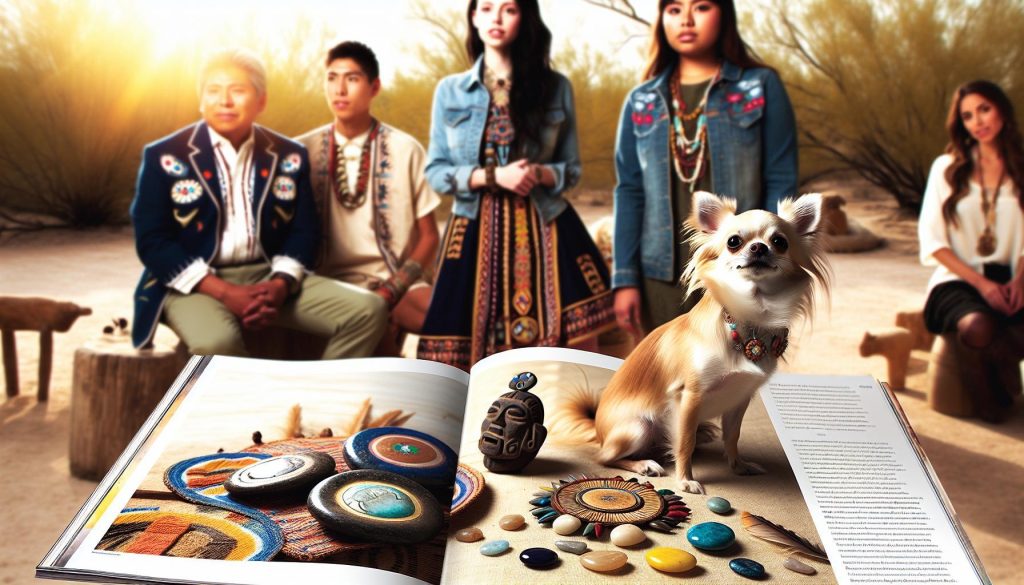
Did you know that the tiny Chihuahua, known for its big personality, has roots that may trace back to the ancient Aztecs? This captivating connection not only reveals a rich history but also highlights how this breed has evolved alongside human companionship. Understanding whether the Aztecs had Chihuahuas can deepen our appreciation for these loyal little companions today. As you explore this intriguing subject, you’ll uncover fascinating insights into the Chihuahua’s health, behavior, and the unique care they require. Whether you’re a first-time owner or a seasoned Chihuahua enthusiast, this journey through history will enhance your bond with your furry friend and celebrate the quirks that make Chihuahuas so special. Let’s delve into the past and see how it shapes our lives today.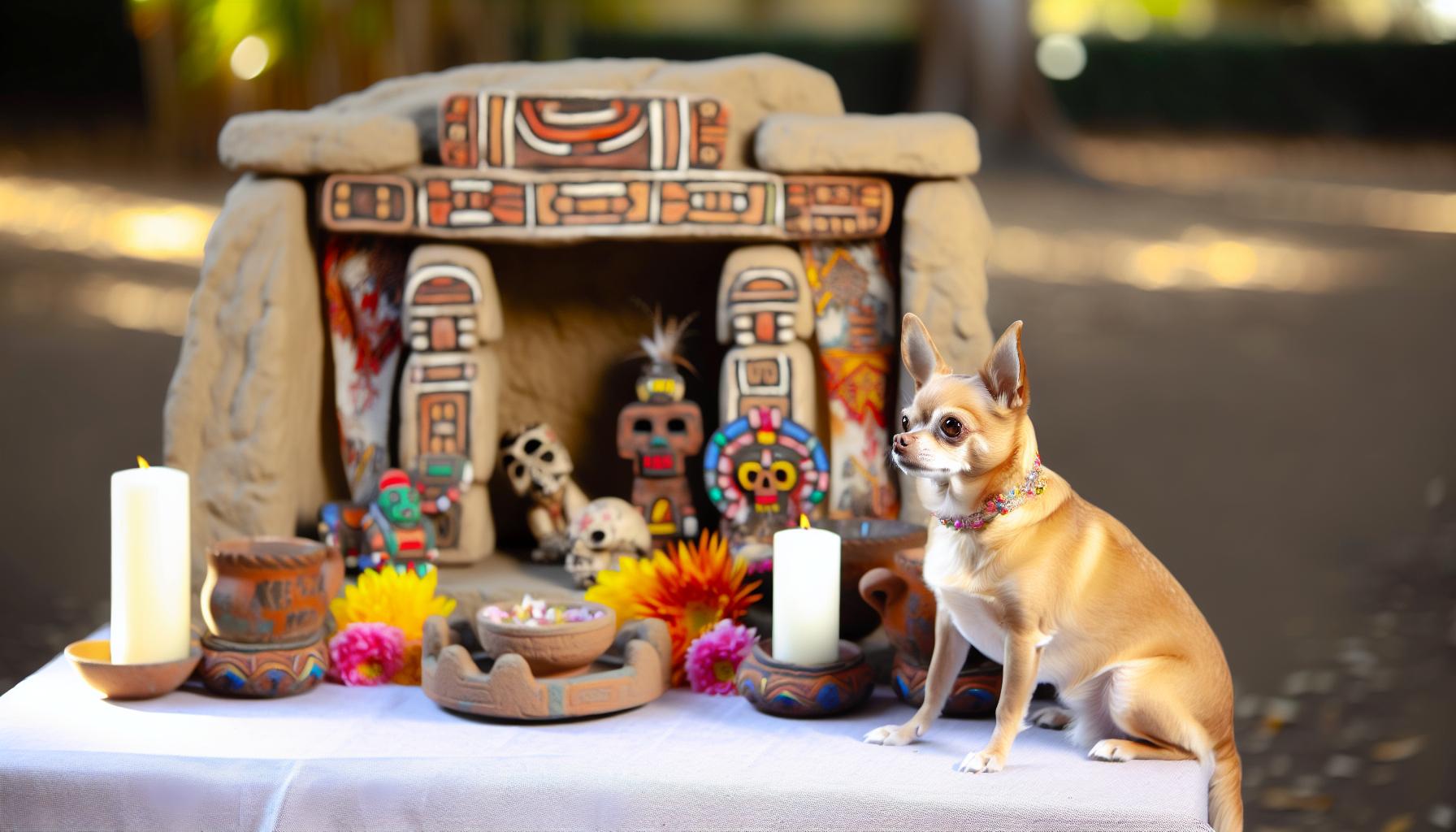
Did Chihuahuas Exist in Aztec Culture?
The mystical allure of Chihuahuas stretches far back into ancient history, captivating hearts long before they became the beloved lapdogs of today. Evidence suggests that the ancestors of modern Chihuahuas, known as Techichi, were integral to the cultures of ancient Mesoamerica, particularly the Aztec civilization. These small dogs were not just pets; they held a sacred status, serving various roles that intertwined them with the fabric of daily life and spirituality.
Aztec society valued dogs for multiple reasons. Techichi were often believed to possess spiritual significance, accompanying their owners in both life and death. In fact, these small canines were frequently found in burial sites, suggesting that they served as companions in the afterlife. Furthermore, they were often used in rituals and were considered guardians of the soul. This deep connection highlights how Chihuahuas, or their ancestors, were revered in a way that few modern pets are.
When examining the physical traits of ancient Techichi, similarities to today’s Chihuahuas become apparent. With their compact size, large expressive eyes, and vibrant personalities, Chihuahuas carry traits that can be traced back to their Techichi predecessors. Owners of modern Chihuahuas often speak of their bold temperament and loyalty, traits that likely have their roots in these ancient companions. Just like their ancestors, today’s Chihuahuas are known to be vocal and fiercely loyal, traits that resonate deeply with their owners.
Understanding the historical significance of Chihuahuas fosters a greater appreciation for their role in contemporary life. Whether in vibrant festivals or cozy homes, these tiny dogs continue to embody the spirit of their ancient lineage, enriching our lives with their charming quirks and devoted companionship. As a Chihuahua owner, embracing this history enhances not only your understanding of the breed but also your appreciation of the unique bond you share with your furry friend.
The Origins of the Chihuahua: Evidence and Myths
The journey of the Chihuahua’s ancestry reveals a fascinating tapestry woven with rich history and cultural significance. Known as Techichi in ancient Mesoamerica, these little dogs were much more than mere companions; they were revered as sacred beings, believed to bridge the gap between the earthly and the spiritual realms. Evidence from archaeological sites suggests that they were an integral part of Aztec society, often placed in tombs alongside their owners, emphasizing their role as spiritual guides in the afterlife.
The origins of Chihuahuas lie shrouded in both history and myth. While many dog breeds evolved over centuries in specific environments, the Techichi thrived in the warm climates of Mesoamerica, adapting to the lives of the indigenous peoples. Some myths suggest that these dogs could heal ailments, serving as protectors not only in life but in death too. Owners often cherished them for their loyalty and vibrant spirits, characteristics that continue to enchant Chihuahua enthusiasts today.
Examining the physical traits of Techichi reveals striking similarities to their modern descendants. Today’s Chihuahuas boast a compact frame and expressive eyes, traits likely passed down through generations. Whether your Chihuahua is an apple-head or a deer-head, each pup carries echoes of the past. Their spirited nature-often vocal and fiercely loyal-echoes the bold temperament of those ancient companions, who were known for their unwavering devotion to their owners.
Understanding this rich history transforms how we see our Chihuahuas today. Recognizing their heritage can deepen the bond you share with your furry friend. From the snuggles on the couch to the playful barks at the mailman, our Chihuahuas carry the essence of a culture that truly valued their spirit and companionship. Celebrating this lineage not only nurtures our love for them but also honors the legacy of the Techichi that preceded them, living on in our homes and hearts.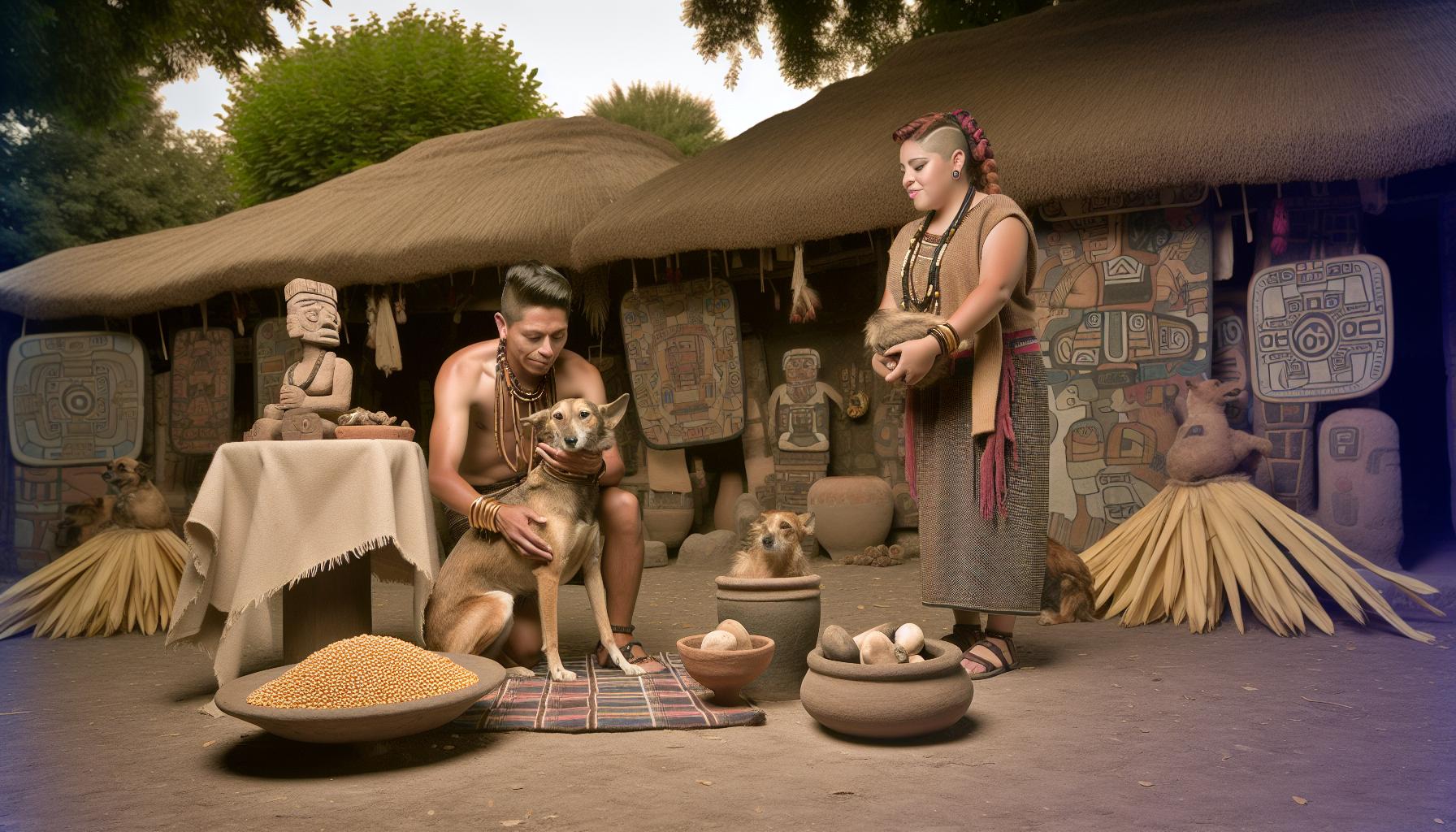
How the Aztecs Treated and Valued Dogs
The bond between the Aztecs and their dogs reveals a deep reverence for these animals, particularly the Techichi, which are considered the ancestors of today’s Chihuahuas. In Aztec society, dogs were not merely pets; they played vital roles in spiritual and practical aspects of life. These small dogs were believed to serve as guides to the underworld, a belief that stemmed from their association with the afterlife. It was common for families to bury their beloved Techichi with them, often placing them in the tombs to accompany their owners in the next life.
Aztecs valued dogs for more than their spiritual significance; they also appreciated their roles in daily life. Dogs were kept for companionship and protection, and they even served as a source of food in some circumstances. This dual purpose illustrates how integral dogs were to the social and economic fabric of Aztec culture. Families often cared for their Techichi with great devotion, as these animals were viewed as sacred beings that offered both spiritual guidance and earthly assistance.
The treatment of dogs in Aztec society highlights their importance. They were typically well-fed and cherished, with some evidence suggesting that special dietary considerations were made. Just as today’s Chihuahua owners treat their dogs as family, Aztec families likely lavished attention on their canine companions, who were known for their loyalty and companionship. The dogs would often roam freely around the household, a testament to the trust and bond they shared with their human counterparts.
In modern times, understanding this historical context illuminates the care we offer our Chihuahuas today. Just as the Aztecs revered their dogs as sacred companions, we celebrate the unique quirks of our Chihuahuas – their boldness, vocal personalities, and fierce loyalty. Recognizing their rich ancestry can encourage us to continue the tradition of treating them with the love, respect, and care they truly deserve. Whether through providing appropriate health care or nurturing their spirited personalities, honoring this legacy remains a vital part of being a responsible Chihuahua owner.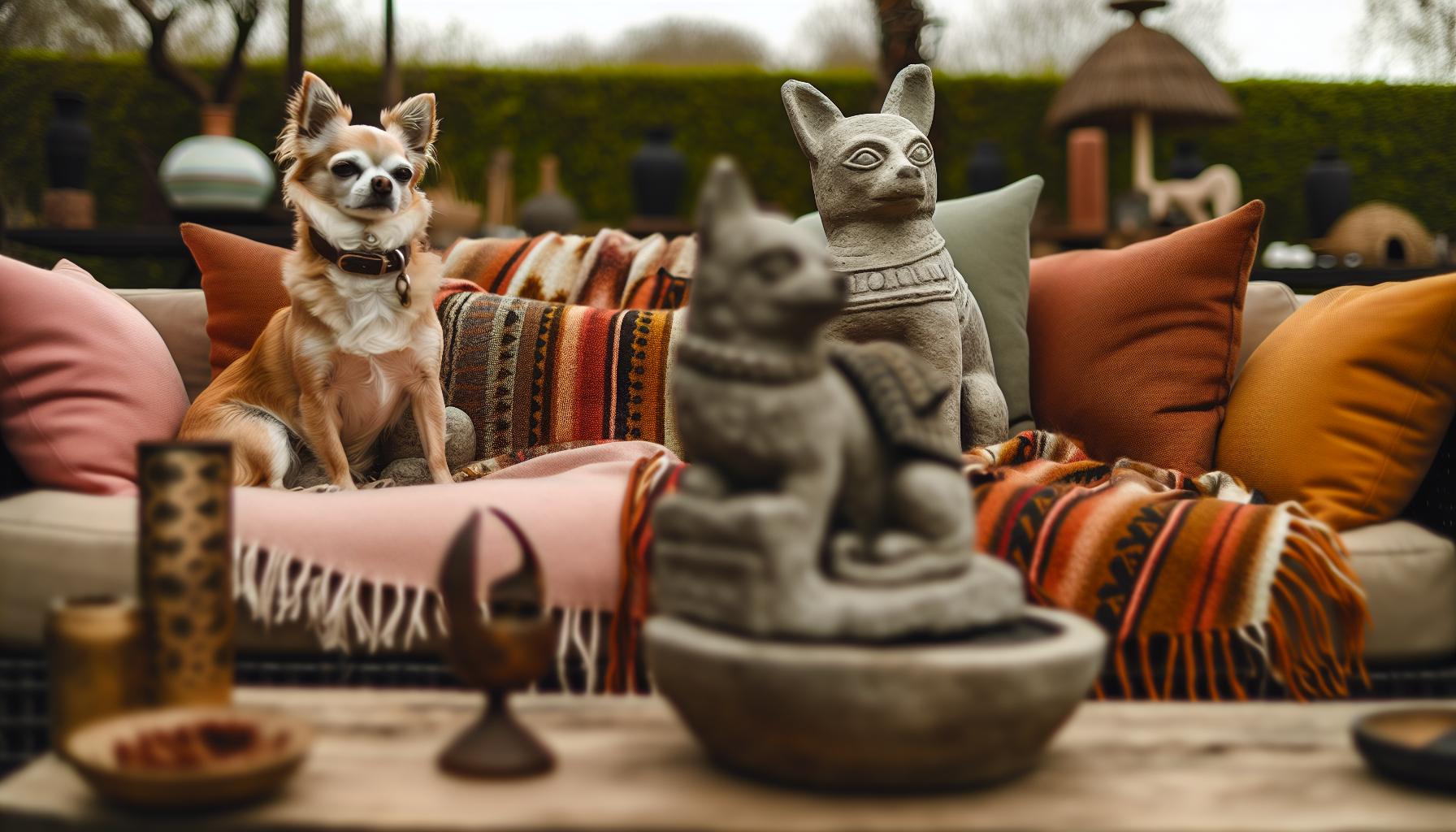
Comparing Modern Chihuahuas to Ancient Companions
The bond between modern Chihuahua owners and their pets reflects a rich history that dates back to the Aztec civilization, where dogs held a prominent place in society as spiritual guides and loyal companions. Today’s Chihuahuas, descendants of the ancient Techichi, share several traits with their ancestors, making them unique among dog breeds. Understanding these similarities can deepen the appreciation we have for our little friends and promote informed care practices.
Modern Chihuahuas, while small in stature, exhibit a bold and spirited personality reminiscent of the Techichi. Known for their vocal nature, today’s Chihuahuas thrive on interaction and companionship, much like how the Aztecs valued their dogs as integral members of the family. For instance, an apple-head Chihuahua often displays confidence beyond its size, showcasing a tenacity that can be traced back to its lineage. Just as Aztec families included their Techichi in daily life, today’s owners frequently involve their Chihuahuas in family activities, emphasizing the enduring bond between humans and dogs.
In terms of care and health, modern Chihuahua owners can learn from historical practices. The Aztecs ensured their Techichi were well-fed and loved, a legacy that continues as owners today prioritize high-quality nutrition and veterinary care. Conditions such as patellar luxation or dental issues are common in Chihuahuas, and being proactive about health screenings can help maintain their lively spirit. Owners are encouraged to provide varied diets and regular exercise, mirroring the diverse roles that Techichi played-whether as guardians or companions.
As we look at the behavioral traits of Chihuahuas, it’s essential to remember their ancient roots. The strong loyalty and protective instincts seen in modern Chihuahuas are traits valued by the Aztecs, who viewed their dogs as both guardians and spiritual beings. Engaging regularly in socialization and training not only fosters good behavior but also honors the rich heritage of these dogs. For example, incorporating positive reinforcement techniques can aid in managing their boldness, helping them develop into well-rounded companions.
By recognizing the historical context of Chihuahuas and the important roles they played in Aztec culture, we can enhance our understanding and appreciation for these remarkable little dogs. Whether it’s through sharing stories or giving them the care they deserve, honoring their legacy contributes to a deeper connection between Chihuahuas and their modern families.
Chihuahua Health Issues: What Owners Should Know
Keeping a Chihuahua healthy is paramount to ensuring she lives a vibrant and fulfilling life. These tiny companions may look delicate, but they often boast a resilient spirit that mirrors their historical roots with the Aztecs, who valued dogs for their companionship and usefulness. Understanding common health challenges can equip owners with the knowledge to provide the best care, allowing their Chihuahuas to thrive as both beloved partners and echoes of their ancient heritage.
One prevalent issue in Chihuahuas is patellar luxation, where the kneecap dislocates. This problem can be exacerbated by their small size and relatively weak leg muscles, particularly in those who are more active and adventurous. Regular veterinary check-ups can help detect this condition early, allowing for intervention before it leads to significant mobility issues. Owners should watch for signs such as limping or a reluctance to jump, which can indicate discomfort. Moderating playtime and weight management are essential strategies to keep her musculoskeletal health in check.
Chihuahuas are also prone to dental problems due to their small mouths, which can lead to overcrowding and misalignment of teeth. Bad breath, swollen gums, and reluctance to eat hard kibble are all indicators that dental care is needed. Incorporating a regular dental hygiene routine, including vet-recommended brushing and dental chews, can mitigate these issues significantly. Many owners have found that introducing oral care early in their Chihuahua’s life not only prevents problems but also facilitates a more cooperative brushing experience down the line.
Additionally, monitoring for hypoglycemia, particularly in young or small Chihuahuas, is crucial. This condition arises when blood sugar levels drop dangerously low, leaving your little one lethargic or disoriented. Owners can prevent episodes by providing frequent small meals and ensuring access to fresh water. Recognizing early warning signs, such as excessive whining or shakiness, allows for quick action-offering sugar water or honey can often remediate milder cases.
Lastly, maintaining an active lifestyle is essential for both physical and mental health. Chihuahuas benefit from daily walks and playtime, which can keep their weight in check and help prevent obesity-related diseases. As one savvy Chihuahua owner put it, “A tired Chihuahua is a happy Chihuahua,” emphasizing the importance of engaging her in various activities.
Recognizing these common health issues with proactive care allows you to nurture the special bond forged throughout history with these spirited little dogs. Embracing a comprehensive approach to health-using modern care practices while honoring their vibrant past-will help your Chihuahua flourish for years to come.
Understanding Chihuahua Behavior and Temperament
Chihuahuas are often regarded as one of the most charismatic breeds, showcasing a blend of bold personality and affectionate companionship that captivates dog lovers. These tiny dogs, descendants of ancient companions once cherished by the Aztecs, possess an intriguing temperamental complexity. With their vocal tendencies, loyalty, and spirited nature, understanding their behavior can greatly enrich your life with them.
To start, it’s crucial to recognize that Chihuahuas are known for their large personalities in small bodies. Often described as “big dogs in a tiny package,” they can be both vocal and assertive, readily expressing their opinions through barking. This vocalization may seem excessive at times, but it’s a key part of their communication. For example, one owner shared that her Chihuahua alerts her to every passing squirrel, demonstrating the breed’s protective instincts and alertness-traits that hark back to their historical roots.
Socialization and Interaction
Socializing your Chihuahua early on is essential. They may develop a tendency to be wary of strangers or other dogs if not properly socialized. Making introductions positive is vital; consider taking her to puppy classes or dog parks where she can interact with various environments and other pets. One Chihuahua owner fondly recounted how her dog, initially shy, blossomed into a playful socialite after several outings, showcasing how positive experiences can transform behavior.
It’s also worth noting the loyalty that defines this breed. Chihuahuas often form strong bonds with their owners, sometimes exhibiting a singular attachment to one person. This loyalty can be both a blessing and a challenge, as they may become overly protective or even jealous if they feel their space is being intruded upon. For this reason, it’s important to foster a stable environment and teach her that visitors are welcome. Training your Chihuahua with patience and consistency will help her feel secure in her relationships, reducing anxiety and fearful behaviors.
Understanding Their Quirks
While they may come with challenges, embracing their quirks is all part of the joy of owning a Chihuahua. They are known for their playfulness and often retain that puppy-like behavior well into adulthood. Engaging in interactive games or providing toys will keep her mentally stimulated and physically active. One owner found that incorporating puzzle toys into her Chihuahua’s routine not only entertained her pup but also helped curb any unnecessary barking by redirecting her energy.
In summary, understanding your Chihuahua’s behavior and temperament means appreciating their vibrant personalities while providing the guidance they need. Nurturing their inherent characteristics and addressing their needs with love and consistency is key to a symbiotic relationship. By creating a supportive environment where your Chihuahua can thrive, you celebrate her connection to an ancient lineage while ensuring she remains a beloved part of your family.
Essential Care Tips for Your Chihuahua
Caring for a Chihuahua brings a unique blend of challenges and joys, especially considering their fascinating history as valued companions in Aztec culture. To ensure your Chihuahua thrives, focus on a few essential care aspects that respect their vibrant individuality and exercise your responsibilities as a loving owner.
Start with nutrition. Chihuahuas have tiny bodies that need high-quality, age-appropriate food to meet their energy requirements. Consider their size and activity level when selecting portions. Owners often find that feeding smaller, more frequent meals helps maintain their energy and prevents stomach issues. Brands that offer a grain-free option tend to be popular, as many Chihuahuas are sensitive to grains. Always keep fresh water available, especially since they can easily become dehydrated.
Regular veterinary check-ups are crucial to monitor for common breed-specific health conditions, such as patellar luxation and dental issues. Dental hygiene is critical for Chihuahuas since their small mouths can lead to overcrowding and subsequent dental problems. Daily tooth brushing with toothpaste made specifically for dogs can help prevent major health issues down the road. Additionally, provide dental chews that can aid in reducing plaque build-up while keeping your pup entertained.
Grooming Needs
Depending on whether your Chihuahua has a smooth or long coat, grooming needs vary. Smooth-coated types may require only occasional brushing, while long-haired varieties benefit from more regular grooming sessions to prevent tangling. Regardless of coat type, all Chihuahuas need routine nail trimming. Many owners recommend doing this every two weeks to avoid discomfort while walking. Bathing should be done sparingly-too frequent can strip their skin of natural oils. Instead, give them a bath when they get particularly dirty or start to smell, using a gentle, dog-safe shampoo.
Social and Mental Stimulation
Chihuahuas thrive on social interactions and mental engagement. They can become anxious or bored if left alone for long periods, which may lead to undesired behaviors like excessive barking or chewing. Incorporating interactive toys or puzzle feeders can help keep them mentally stimulated. Engage them in short, fun training sessions to strengthen their bond with you while teaching tricks or basic commands. As one owner shared, her Chihuahua flourished in a routine that included agility training at home, helping to channel his high energy into something productive.
Finally, don’t forget about their emotional needs. Chihuahuas are known for their loyalty and thrive on companionship. Consider establishing a routine of cuddling or playtime to reinforce their sense of security and belonging. Creating a safe space where they can retreat when feeling overwhelmed can also promote their well-being.
In summary, caring for a Chihuahua means understanding their specific health, grooming, and emotional needs while fostering an engaging environment. With love, patience, and a bit of knowledge about their history and personality, your journey with your tiny companion will be both rewarding and fulfilling.
The Role of Chihuahuas in Aztec Society
In ancient Aztec society, Chihuahuas were more than mere pets; they held a revered status as spiritual companions and practical helpers. These tiny dogs, known for their loyalty and vibrant personalities, played an essential role in the everyday lives of the Aztecs. Evidence suggests that the breed was prized for its companionship and utility, often being included in religious rituals and even burial practices.
Chihuahuas served various functions that made them invaluable to the Aztecs. They accompanied their owners into the afterlife, as evidenced by burial sites where these dogs were found alongside their human companions. This practice indicates a strong belief that Chihuahuas could provide spiritual support and protection. Additionally, their small size made them agile and adept at hunting small game, which complemented the Aztec lifestyle, where food sources were critical.
In terms of how Aztecs treated and valued dogs, historical accounts illustrate a culture that cherished their canine companions. Dogs, including Chihuahuas, were often featured in artwork, suggesting a high level of regard. They were given dedicated names and received care similar to family members. For Chihuahua owners today, understanding this historical bond enhances the connection we feel with our pets. It reminds us that the quirks we love-like their vocal nature and bold spirits-are part of an enduring legacy that began thousands of years ago.
Caring for a Chihuahua echoes some of the practices of ancient Aztecs, emphasizing a relationship built on mutual respect and companionship. Acknowledging their temperament, which often includes being protective and affectionate, helps modern owners cater to their emotional needs. Establishing routines that involve affection and attentive care fosters the same sense of loyalty and trust that the Aztecs cherished in their relationships with these little dogs. By embracing this rich history, you not only honor the lineage of your Chihuahua but also deepen your bond with your furry friend.
Chihuahua Variations: Coat Types and Sizes
Chihuahuas come in a delightful array of coat types and sizes, making them one of the most varied breeds around. These charming little dogs, possibly descendants of those revered by the Aztecs, can have short, long, or even hairless coats. Each variety has its own unique characteristics, offering pet owners a myriad of choices that suit their lifestyles and aesthetic preferences.
Coat Types
Chihuahuas typically fall into three main coat categories:
- Short Coat: This variation features a smooth, sleek coat that requires minimal grooming. These Chihuahuas are often favored for their easy-care nature, making them perfect for first-time owners.
- Long Coat: Offering a more luxurious appearance, long-coated Chihuahuas have soft, flowing fur that requires regular brushing to prevent mats and tangles. Owners of long-haired varieties enjoy the beauty and elegance these dogs bring, though it comes with a bit more maintenance.
- Hairless: The hairless Chihuahua is perhaps the most distinct, boasting exposed skin that requires sunscreen and regular moisturization to prevent irritation. Despite their lack of fur, these dogs are just as warm and affectionate as their coated counterparts.
Sizes and Physical Characteristics
Chihuahuas are known for their petite sizes, typically weighing between 2 to 6 pounds, though some may grow slightly larger. Their small stature, coupled with their bold personalities, allows them to stand out in any crowd. The breed also presents two common head shapes:
- Apple Head: Characterized by a rounded skull and short muzzle, the apple-headed Chihuahua is a popular choice for those seeking that quintessential “cute” look.
- Deer Head: With a longer muzzle and flatter skull compared to the apple head, the deer-head Chihuahua embodies a leaner conformation. This variation often embodies a more energetic and playful demeanor.
Ultimately, every Chihuahua carries the wonderful blend of charm and spunk that makes this breed beloved across generations. Whether you prefer the rich variety of coats or the different sizes and shapes, each Chihuahua offers its own unique flair, resonating with the same reverence the Aztecs had for these tiny companions. As you select your new best friend, understand that each variation comes with its quirks and needs-embrace them, and you’ll find a lifelong companion who fills your life with joy and adventure.
Training Your Chihuahua: Techniques for Success
Training a Chihuahua can be a rewarding journey filled with big personalities packed into tiny bodies. Known for their boldness and loyalty, these little pups can also be stubborn at times. The key to successful training lies in understanding their unique temperament and employing techniques that resonate with their spirits. Whether you have an apple-headed sweetheart or a spunky deer-head, the training methods you choose can significantly impact your bond.
Positive Reinforcement is the golden rule for training Chihuahuas. These eager learners thrive on praise and rewards. Keep training sessions short-around 5 to 10 minutes-to maintain their interest. Use small treats, toys, or even verbal praises such as, “Good boy!” or “Yes! You did it!” to celebrate their successes. This method not only encourages good behavior but also fosters a loving and trusting relationship between you and your Chihuahua.
- Consistency is Key: Dogs flourish with routine, so ensure everyone in your household uses the same commands and reinforces the same behaviors.
- Socialization: Expose your Chihuahua to different people, environments, and other animals early on. This helps them become well-adjusted adults and reduces potential anxiety or aggression.
- Lead with Humor: Be prepared for quirky moments. Chihuahuas often exhibit hilarious behaviors; embrace this light-heartedness in your training sessions to make learning fun!
It’s not uncommon for a Chihuahua to test boundaries, especially given their spirited nature. If your Chihuahua decides that jumping on the couch is a far more appealing option than obeying a “sit” command, you might need to adjust your approach. Reinforcing commands with an interactive game afterward can redirect their focus to you instead of the tempting couch. Remember, patience is vital-every small success is still a step toward progress.
Finally, embrace their endearing quirks. Maybe your little buddy loves to bark at the mailman or insists on being the center of attention during playtime. Celebrate these traits! They are part of what makes Chihuahuas such special companions. By incorporating their unique personalities into your training plan and making it enjoyable, you’ll not only teach them commands but also nurture a deep and lasting connection that honors the rich history these dogs share with cultures like the Aztecs.
Real-Life Stories: Chihuahua Owners Share Their Journeys
Chihuahuas are more than just small dogs; they embody a rich tapestry of cultural history, especially regarding their ties to ancient civilizations like the Aztecs. Stories shared by Chihuahua owners often highlight the breed’s deep-rooted connections to companionship and loyalty, echoing the same sentiments felt by those who treasured these tiny dogs centuries ago. Many owners report that their Chihuahuas seem to possess a unique understanding of human emotions, evoking a sense of warmth and comfort that parallels the affectionate bond seen in ancient times.
One owner, Maria, recalls her little apple-headed Chihuahua named Coco. She describes Coco as “the heartbeat of the home,” often sensing when Maria is feeling down. This intuitive behavior mirrors how the Aztecs revered their dogs, oftentimes treating them as both companions and guardians. Coco’s antics, whether she’s barking at the mailman or snuggling close during movie nights, resonate with the playful spirit that ancient owners might have cherished. Maria feels that owning Coco has enriched her life in ways she never anticipated, creating a shared journey filled with love and laughter.
Another owner, James, shares his experience with Bella, a feisty deer-head Chihuahua who is just as bold as she is small. He reflects on how Bella’s vibrant personality brings joy to his daily routine. “She acts like she owns the place,” he laughs, underscoring the spirited attitude that is quintessentially Chihuahua. James emphasizes that understanding Bella’s quirks-the way she insists on being the center of attention-has deepened his appreciation for the breed’s history as lively companions that once graced the homes of the Aztecs. He believes that Bella’s confident demeanor is a testament to the breed’s heritage, showcasing their ancient role as cherished family members.
Chihuahuas embody the vivacious nature that can transform any household. These little dogs may be petite, but they definitely pack a personality punch, leaving their owners with countless stories filled with love, laughter, and a shared sense of history. Whether adopting a Chihuahua for the first time or cherishing years of companionship, owners across generations continue to discover the lasting impact of these incredible dogs in their lives, reminding us all of the blend of affection and significance Chihuahuas have shared from ancient times to today.
The Chihuahua’s Influence on Contemporary Culture
Chihuahuas, with their charming size and vibrant personalities, have made a significant mark on contemporary culture, echoing the reverence they once garnered from the Aztecs. These small dogs are not just companions; they embody a rich heritage that fascinates modern owners and has sparked a variety of trends and cultural phenomena. Their unique traits-boldness, loyalty, and often an over-the-top sense of self-have made them favorites on social media and in pop culture, showcasing their enduring legacy.
One of the most notable aspects of today’s Chihuahua culture is their presence in media and fashion. Celebrities and influencers often flaunt their tiny companions on platforms like Instagram, turning these dogs into fashion accessories as much as they are pets. This trend mirrors how Aztec nobility valued their dogs, often seen as symbols of status and affection. Furthermore, TV shows and movies featuring Chihuahuas-like the iconic “Legally Blonde” with Elle Woods’ adorable pet, Bruiser-have played a crucial role in cementing the breed’s place in popular culture.
Chihuahuas also influence contemporary art and merchandise. From adorable plush toys to chic apparel designed specifically for them, these tiny canines inspire countless products that celebrate their cuteness and personality. Owners often find joy in expressing their love for the breed through fashion, home decor, and even personalized items that feature their Chihuahuas. On the flip side, this commercialization has also raised awareness about the breed, leading to more informed ownership and appreciation for their unique needs.
Importantly, as beloved members of the family, Chihuahuas teach us valuable lessons about care and companionship. They require special attention to their health due to their petite stature, which can come with specific health challenges. Owners need to stay informed about potential issues such as dental problems or heart disease, as these are common in the breed. This aspect of Chihuahua ownership fosters a community of responsible pet owners who share tips, experiences, and support, reminiscent of how ancient cultures revered their dogs with great care and respect.
Whether you’re a first-time owner or a seasoned Chihuahua enthusiast, it’s clear these little dogs continue to hold a significant place in our hearts and society. They remind us not only of their roots in ancient history but also of the joy and companionship they bring into our modern lives, bridging the gap between past and present.
Faq
Q: Did the Aztecs worship Chihuahuas?
A: Yes, the Aztecs revered dogs, including the Chihuahua, often associating them with spiritual significance. They believed that these small dogs had protective qualities, which is reflected in Aztec art and artifacts, showcasing their importance in society.
Q: What role did Chihuahuas play in Aztec rituals?
A: Chihuahuas were involved in various Aztec rituals, often serving as offerings to the gods. Their presence was believed to provide guidance for the deceased in the afterlife, highlighting their significant spiritual role in Aztec culture.
Q: How were Chihuahuas cared for in Aztec society?
A: The Aztecs took great care of their dogs, providing them with food and shelter. They raised them as beloved companions, sometimes even decorating them with jewelry, showcasing their affection and the dogs’ valued status in daily life.
Q: What was the diet of Chihuahuas in Aztec times?
A: Aztecs primarily fed their Chihuahuas a diet of maize and beans, supplemented with small animals. This balanced diet helped maintain their health, demonstrating the Aztecs’ understanding of nutrition for their cherished pets.
Q: Are there any ancient representations of Chihuahuas?
A: Yes, ancient sculptures and pottery often depict small dogs resembling Chihuahuas. These artifacts serve as historical evidence of the breed’s presence and importance in Aztec culture, offering insight into their lifestyle and values.
Q: How did the Aztecs view the health of their Chihuahuas?
A: The Aztecs recognized the importance of maintaining the health of their dogs. They utilized herbal remedies and natural treatments to help ensure the well-being of their Chihuahuas, illustrating their commitment to animal care.
Q: What is the connection between Aztec dogs and modern Chihuahuas?
A: Modern Chihuahuas are descendants of the small dogs that existed in Aztec society. Genetic studies show that these ancient dogs have influenced the breed’s characteristics, maintaining traits like their small size and loyal temperament.
Q: How can I honor the legacy of Chihuahuas in my care routine?
A: To honor the legacy of Chihuahuas, adopt a holistic care approach. Focus on balanced nutrition, regular exercise, and understanding their unique behaviors. Engaging with their history can deepen your bond and enrich their well-being.
Key Takeaways
As we’ve uncovered the fascinating connections between the Aztecs and Chihuahuas, remember that these tiny companions are rich in history and personality. Their playful spirit and loyalty make them not just great pets, but also a window into ancient traditions. Interested in enhancing your understanding of Chihuahua care? Check out our guides on Chihuahua nutrition and training techniques to ensure your furry friend thrives.
Don’t stop here-join our newsletter for more insights into dog care and history, and explore our blog for posts about other beloved breeds and their unique stories. Your Chihuahua deserves the best, and by engaging with our community, you’ll find the support and resources you need. Share your thoughts in the comments below-what’s your favorite Chihuahua quirk? Together, we can celebrate these delightful dogs and their remarkable past!
Get our latest guides, news, and insights highlighted in your Google Search & AI Overviews.