

Chihuahuas are not just tiny companions; they are dynamic dogs with big personalities. Understanding their temperament is crucial for both new and seasoned owners to nurture a loving relationship with their pet. Known for their loyalty and boldness, Chihuahuas can be vocal and fiercely protective, making them delightful yet sometimes challenging to manage. By exploring what makes these little furballs tick- from their playful nature to their occasional stubbornness- you’ll better tailor your care to suit their needs. Join us as we dive into the fascinating world of Chihuahua temperaments, equipping you with tips and insights to enhance your bond and ensure your Chihuahua thrives.
Understanding Chihuahua Temperament: Key Traits Explained
Chihuahuas are fascinating little companions, known for their boldness and spirited personalities. Each one possesses a unique character that often belies their small size. These dogs are not just adorable lap warmers; they can be fiercely loyal, intelligent, and, yes, a bit sassy! Understanding what makes your Chihuahua tick can lead to a wonderful bond and a well-adjusted life together.
One of the standout traits of Chihuahuas is their loyalty. They often form incredibly strong attachments to their owners, sometimes choosing one person in the household as their favorite. This devotion can manifest in protective behaviors-your little friend will likely be your personal guard dog, alerting you to anyone who dares approach your home. However, this loyalty can also lead to anxiety. Many Chihuahuas experience separation anxiety when left alone. It’s best to ease this by gradually getting them accustomed to short periods alone, rewarding them when you return.
Another key aspect of Chihuahua temperament is their vocal nature. Many owners joke that if you want a quiet breed, a Chihuahua is not for you! They love to express themselves, whether it’s barking at a passing squirrel or voicing their excitement when you come home. To manage excessive barking, consider training techniques that promote quieter behaviors, like rewarding silence with treats or redirecting their attention when they start to get loud.
Socialization plays a crucial role in shaping your Chihuahua’s confidence. Early exposure to various people, pets, and environments helps them develop into well-rounded adults. Taking your Chihuahua on frequent outings or inviting friends over can help mitigate potential behavioral issues stemming from overprotectiveness or fearfulness. Remember, a well-socialized Chihuahua is not only happier but also more confident in handling new situations.
In summary, while Chihuahuas can be headstrong and vocal, their loyalty and affectionate nature make them wonderful companions. Careful training and socialization are essential in guiding their behaviors, ensuring they thrive in a loving home. With patience and understanding, you will foster a deep bond with your spirited little friend.
The Bold and Spirited Nature of Chihuahuas
Chihuahuas are often celebrated for their larger-than-life personalities, which can be an endearing surprise for those unfamiliar with the breed. These tiny dogs pack a big punch with their bold and spirited nature, often exhibiting confidence that you’d expect from a much larger breed. A Chihuahua’s tenacity and zest for life are not just charming-they’re integral to their unique temperament.
One of the most striking aspects of a Chihuahua’s character is their fearlessness. Whether it’s tackling a backyard squirrel or boldly strutting around in a busy park, Chihuahuas don’t shy away from challenges. Their size belies a heart that is fiercely protective of their family. Many owners report how their Chihuahuas take on the role of a watchful guardian, alerting them to anything that might seem out of the ordinary, all while standing their ground, fearless and confident. This bravery, however, can sometimes lead to overprotectiveness; early socialization is essential to help them navigate the world comfortably without unnecessary anxiety.
Alongside this boldness, Chihuahuas have a wonderfully spirited approach to life. Their small stature makes them highly expressive, and they often communicate their feelings with enthusiasm. These little dogs can be vocal, using barks, yips, and excited yelps to engage with their surroundings or simply let you know they’re ready for attention or playtime. Engaging in consistent training can help channel their vocal nature positively, teaching them when it’s appropriate to bark and when to be quiet. For example, owners might employ frequent reward sessions to reinforce calm behavior when guests arrive, turning vocal outbursts into moments of learning and bonding.
Embracing their spirited personality also means accepting their quirks. Many owners find that their Chihuahuas are sometimes a tad stubborn, wanting to have their own way when it comes to playtime or snuggling. This requires a patient approach to training, as Chihuahuas respond best to positive reinforcement. Offering treats for following commands or displaying desired behaviors can yield excellent results. Moreover, their playful nature makes them delightful companions; engaging in games of fetch or agility exercises not only stimulates them mentally but helps to strengthen the bond you share.
Ultimately, the bold and spirited disposition of Chihuahuas allows them to be vibrant, loving companions. Their personalities shine brightly within their compact frames, and understanding their nature enables owners to provide the care, training, and love that fulfills their spirited little hearts. Embrace the quirks, enjoy the sass, and watch as your Chihuahua’s personality enriches your life in countless ways!
Coping with a Vocal Chihuahua: Tips and Tricks
Chihuahuas are famously vocal, and while their spirited barks can be endearing, they can also become overwhelming if not managed appropriately. Understanding that a Chihuahua’s vocal nature stems from their strong personality and their innate desire to communicate is the first step in effective management. You might find that your little one seems to have an opinion about everything-from passing cars to the mailman-so it’s essential to approach this with patience and creativity.
Establishing a consistent routine is one of the most effective methods to help manage your Chihuahua’s barking. This schedule can include specific times for walks, play, and quiet time. Chihuahuas thrive on structure, and knowing what to expect can reduce their anxiety and help curb excessive barking. During playtime, for instance, providing engaging toys or participating in active games can help channel their energy into positive outlets.
Additionally, structured training sessions are crucial. Focus on teaching commands such as “quiet” or “enough” and always reinforce these commands with positive reinforcement-like treats or praise-when they respond correctly. Take for example, Emma, an experienced Chihuahua owner who found success by rewarding her apple-head Chihuahua, Bella, for being quiet whenever someone approached the door. Within weeks, Bella learned to associate calmness with praise, significantly reducing her vocal reactions.
A vital aspect of addressing vocalization is ensuring that your Chihuahua is adequately socialized. By introducing your little friend to various environments, sounds, and people, you can help them become more comfortable and reduce unnecessary barking. Consider organizing playdates with other dogs or taking trips to dog-friendly cafes. Each new experience can build their confidence and enrich their social skills, ultimately leading to a calmer companion at home.
Remember, it’s about balance. A little bit of barking is part of your Chihuahua’s charm, so instead of aiming for complete silence, your goal should be to minimize excessive barking while celebrating their unique personality. With patience and a consistent approach, you can help your Chihuahua express themselves in a way that doesn’t disrupt your household, allowing you both to enjoy a harmonious life together.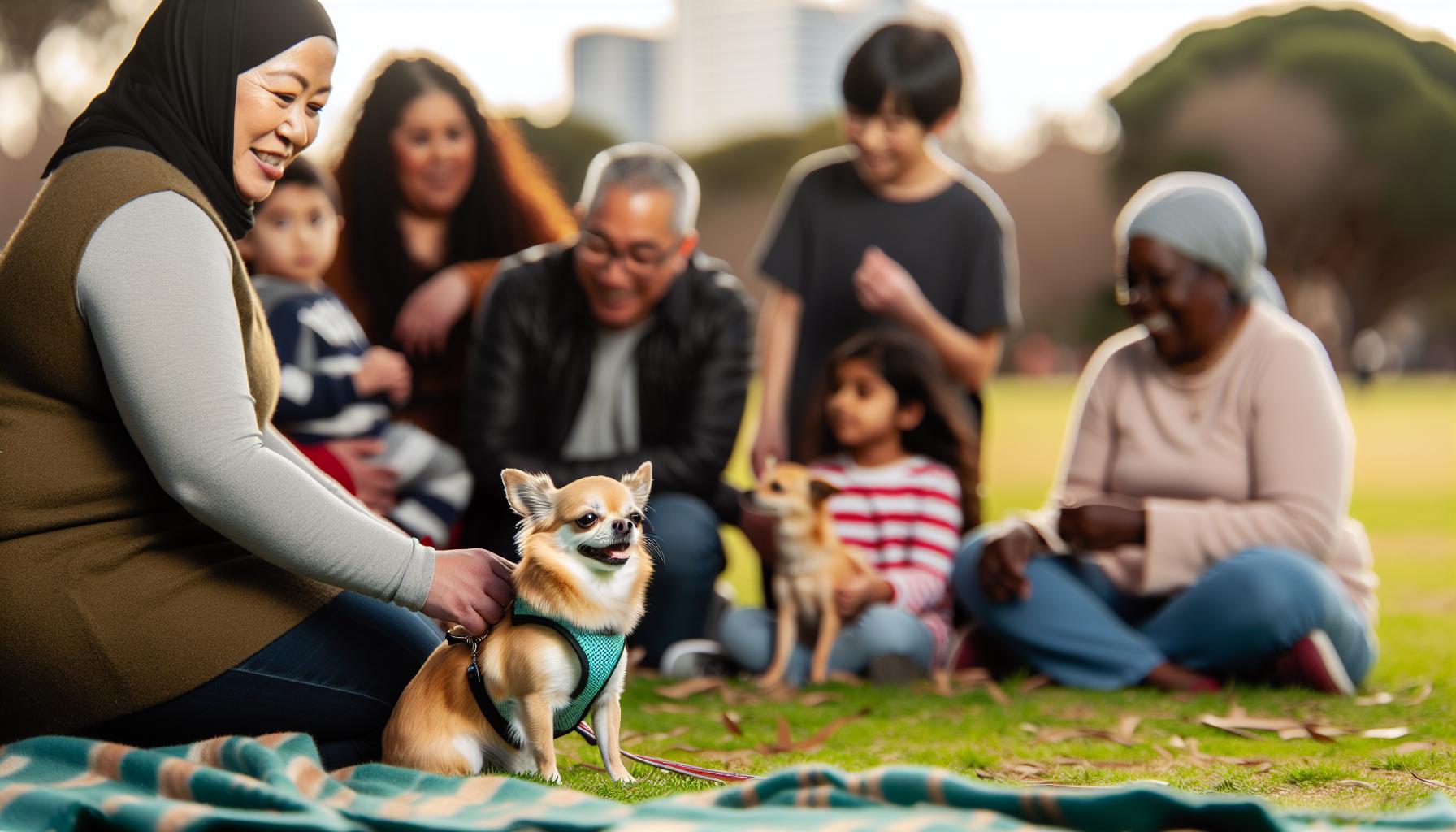
Socialization Tips for Your Chihuahua’s Confidence
Building your Chihuahua’s confidence through socialization is essential, as these little dogs can be quite sensitive to their environments. A well-socialized Chihuahua not only feels more secure but also tends to exhibit more balanced behavior. Start early, as puppies are typically more adaptable and open to new experiences, which can be beneficial in shaping their interactive skills and reducing anxiety later in life.
One effective approach is to expose your Chihuahua to a variety of environments, sounds, and people. This means taking your little companion on trips to dog-friendly spaces, where he can meet other dogs and people. Consider local parks or even pet stores that welcome furry visitors. Organize playdates with other friendly pets to promote positive interactions. The aim is to create an array of experiences that build comfort and familiarity with the world around him.
It’s not just about physical socialization; mental stimulation is equally important. Chihuahuas love exploring their surroundings. Try incorporating different textures-like sand, grass, or pavement-under his paws during walks, as this can help him gain confidence in new situations. Also, add in short car rides to different locations or events, like fairs where he can hear various sounds and see new sights.
Think about structured activities like puppy classes or dog training sessions, which are excellent platforms for socialization. These environments often provide a controlled setting where your Chihuahua can learn how to interact with other dogs and people under the guidance of an experienced trainer. Positive reinforcement during these sessions, such as treats or praises for calm behavior, can solidify the chances of making these interactions rewarding and enjoyable.
Lastly, consistency is key. Regular exposure to different environments and situations will help your Chihuahua grow into a more confident adult. Remember to celebrate his successes, no matter how small, as this encouragement will further strengthen the bond you share while fostering an adventurous spirit in your beloved companion. Your commitment to socialization will ensure that your Chihuahua is not just a vocal guardian of your home, but also a well-adjusted, confident presence that enjoys the world to its fullest.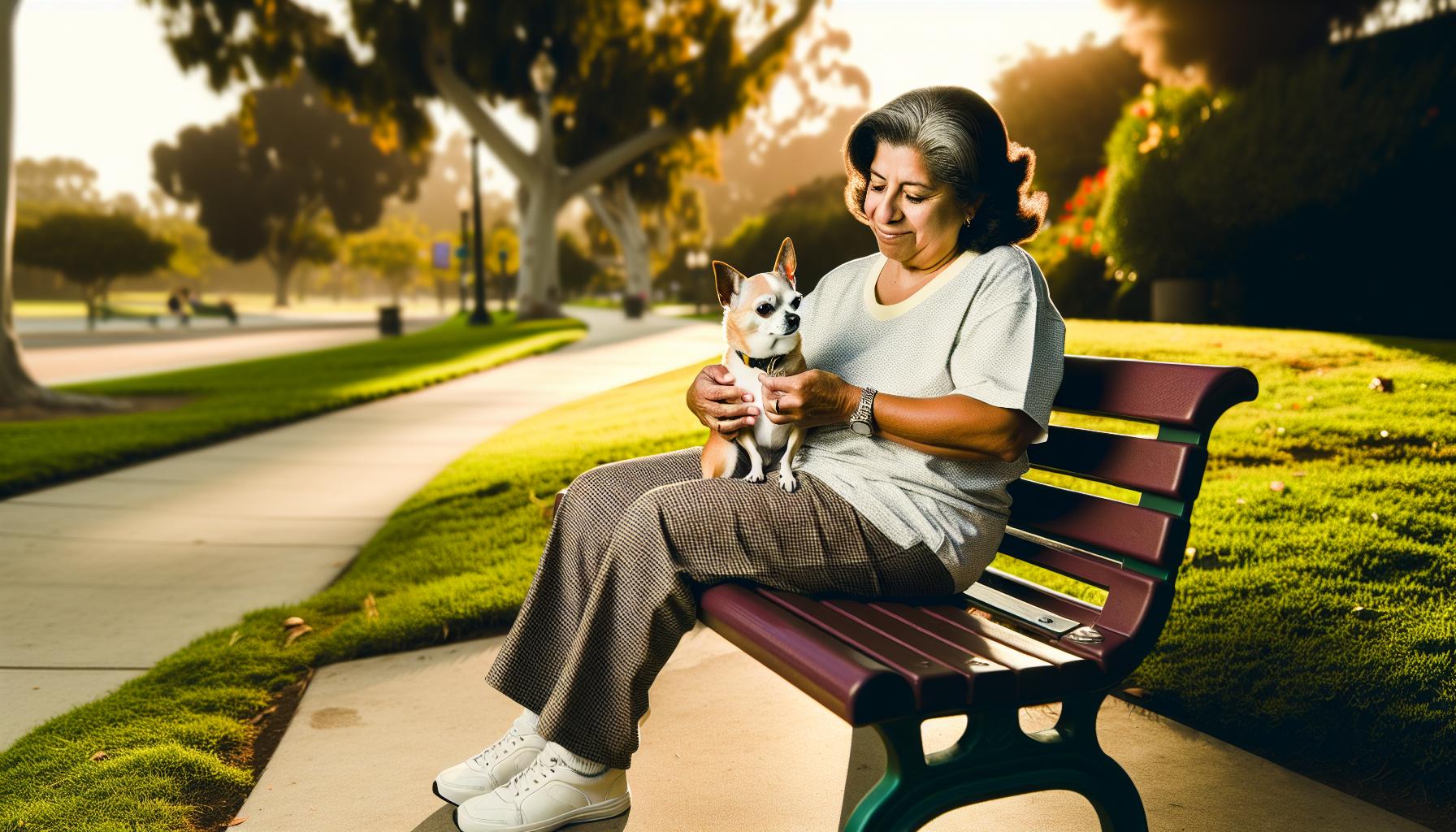
Exploring Chihuahua Loyalty: A Deep Bond with Owners
The loyalty of Chihuahuas is perhaps one of the most endearing qualities of this small but mighty breed. Known for their bold demeanor and big personalities, these tiny companions forge incredibly deep bonds with their owners. Chihuahuas view their humans as their family, often displaying a devotion that can be both heartwarming and humorous. When a Chihuahua chooses to snuggle up next to you or follows you around the house, it is not just a display of affection; it’s a testament to their unwavering loyalty.
Chihuahuas express their loyalty in several unique ways. One common behavior is their tendency to be protective of their owners. This small breed might bark at strangers or even act a bit standoffish until they feel assured of your safety. This instinct to protect reflects their bond and desire to look out for you. However, it’s essential to balance this protective nature with socialization, as it can sometimes morph into over-guarding or excessive vocalization. Regularly exposing your Chihuahua to new experiences and people helps establish a calm disposition while reinforcing that you are the center of their world.
Another beautiful aspect of Chihuahua loyalty is their ability to sense your emotions. Many owners share stories of their Chihuahuas acting as cuddly comforters during tough times, jumping into their laps or snuggling closer when they notice their owner is feeling down. This emotional intelligence is a hallmark of the breed. For instance, my own Chihuahua, Bella, can tell when I’m upset; she’ll climb up beside me and give soft whimpers, as if she knows that her presence can make it a little better.
Creating a bond filled with mutual respect can enhance this loyalty even further. Simple activities, such as shared playtime, cuddling, or training sessions, create opportunities for connection. Chihuahuas thrive on positive reinforcement, so rewarding them during training not only teaches them commands but also deepens the love and trust between you. As you nurture this relationship, your Chihuahua will continue to show their loyalty in richer and more profound ways, solidifying the unique bond that only this marvelous breed can offer.
Managing Anxiety in Chihuahuas: Causes and Solutions
Chihuahuas are known for their bold personalities, but this high-energy breed can also be prone to anxiety. As small as they are, their feelings can be quite large, leading to behaviors that may indicate they are feeling anxious or overwhelmed. Understanding what causes anxiety in Chihuahuas is the first step towards helping them feel more secure and relaxed in their environment.
A variety of factors can contribute to a Chihuahua’s anxiety, including separation from their owners, loud noises like thunderstorms or fireworks, or even changes in their daily routine. These little dogs are sensitive creatures who thrive on routine and familiarity, making sudden changes particularly stressful for them. Keeping a calm and consistent environment is crucial. You can assist your Chihuahua by establishing a daily routine that includes regular feeding times and consistent walking schedules. This sense of predictability can greatly reduce their anxiety levels.
To help your Chihuahua cope with anxiety, consider the following approaches:
- Safe Space: Create a cozy retreat for your Chihuahua-a bed or a crate in a quiet room where she can feel safe and secure when overwhelmed.
- Desensitization: Gradually expose her to the stimuli that cause anxiety, such as loud noises, in a controlled manner. Start with lower volumes and gradually increase as she becomes more comfortable.
- Positive Reinforcement: Reward calm behavior during stressful situations with treats and praise. This will help her associate positive experiences with things that previously caused anxiety.
- Interactive Toys: Providing engaging toys can distract your Chihuahua and keep her occupied, especially during times of anticipated stress, such as when you’re away from home.
- Consult a Vet: In some cases, anxiety may be severe enough to require professional intervention. Discussing the situation with your vet can lead to helpful suggestions or even behavioral therapy or medication if necessary.
Additionally, stay attuned to your Chihuahua’s body language. Signs of anxiety can include excessive barking, hiding, or destructive behavior. By recognizing these signs early, you can intervene before anxiety escalates. For example, if your Chihuahua starts to bark excessively during a storm, gently re-direct her attention to a favorite toy or engage in a comforting activity like a snuggle or a gentle game.
Creating a happy, relaxed environment for your Chihuahua doesn’t just enhance their quality of life; it strengthens your bond. By being attentive to their needs and making small adjustments, you can help your little friend thrive-both mentally and physically.
Playful or Possessive? Navigating Chihuahua Behavior
Chihuahuas are renowned for their big personalities packed into tiny bodies, making them delightful companions. Their playful nature can easily capture your heart, but it can also blur the line between playfulness and possessiveness. Understanding these behaviors is crucial for fostering a happy and balanced relationship with your Chihuahua.
When your little friend engages in play, it’s not just about fun; it’s also a way for him to assert his personality and test boundaries. Playtime can involve bursts of energy, enthusiastic barking, and even a bit of sassy attitude. However, a playful Chihuahua can sometimes exhibit possessive traits, particularly when toys or food are involved. It’s essential to differentiate between playful behavior and possessiveness. For instance, if your Chihuahua growls or snaps when you approach his toy, he might be asserting ownership in a way that’s not acceptable.
To nurture a positive play experience while managing possessive tendencies, consider the following strategies:
- Establish Play Rules: Set clear boundaries during playtime. Teach your Chihuahua to share his toys by rotating them and rewarding him when he lets you or others engage with them.
- Encourage Socialization: Help him learn that sharing and taking turns can be fun by introducing him to other dogs or people in a controlled environment.
- Implement Training Techniques: Use commands such as “drop it” or “leave it” during play. This not only enhances obedience but also fosters better behavior when it comes to sharing.
- Regular Exercise: A well-exercised Chihuahua is more likely to be relaxed and less possessive. Incorporate daily walks and interactive play sessions to channel his energy appropriately.
It’s important for you, as a Chihuahua owner, to recognize the signals your pet is sending. While some vocalization is normal, excessive barking, especially in possessive scenarios, indicates a need for intervention. Should you observe signs of territorial behavior, gently redirect his attention with play or treat distractions. Through consistent, positive reinforcement and understanding, you can help your Chihuahua balance his playful spirit with cooperative behavior.
These little dogs, particularly apple-head varieties with their unique facial features, can be wonderfully charming yet full of surprises. By thoughtful engagement and pro-active training methods, you will not only enhance his playful demeanor but also strengthen the bond you share, turning every wag and bark into a cherished moment together.
Training Your Chihuahua: Effective Methods That Work
Training a Chihuahua can be both a joyful adventure and a unique challenge due to their spirited nature. These tiny dogs are incredibly smart and quick to learn, but their independent streak means they might not always follow commands as eagerly as larger breeds. By embracing their quirks and tailoring your approach, you can establish effective training methods that resonate with your furry companion.
Begin with positive reinforcement, which is particularly effective for Chihuahuas. They thrive on praise and rewards, so using treats, toys, or affectionate verbal cues can motivate them to obey commands. Start with simple commands like “sit” or “stay.” For instance, when your Chihuahua successfully follows a command, reward him immediately. This helps him associate the action with the positive outcome, reinforcing good behavior.
Socialization is Key
Socialization is an essential aspect of training that can significantly influence your Chihuahua’s temperament. Early exposure to different people, pets, and environments fosters a well-rounded canine. Consider enrolling him in puppy classes or organizing playdates with friendly dogs. This not only helps him gain confidence but also curbs potential anxiety and defensiveness that some Chihuahuas may exhibit. Positive interactions help him learn social cues while reinforcing his bond with you as his trusted guide.
Consistency and Routine
Establishing a consistent training routine is crucial for Chihuahuas. They flourish when they understand what is expected of them. Incorporate short but regular training sessions into your daily routine-five to ten minutes each session is ideal to keep their attention. Use a firm yet friendly tone; Chihuahuas are sensitive to your emotions and respond better to a calm, patient demeanor. By gradually increasing the complexity of commands, you’ll keep your pup engaged while building on what he already knows.
Addressing Behavioral Issues
Chihuahuas can sometimes develop behavioral quirks such as excessive barking or possessive tendencies, particularly when it comes to toys or food. To combat these behaviors, reinforce commands like “no” or “leave it” effectively. For example, if he barks excessively when someone knocks at the door, redirect his attention to a toy, rewarding his silence. Teaching him that calm behavior leads to rewards can significantly mitigate barking and help him feel secure.
By understanding your Chihuahua’s unique personality and quirks, you can create a training experience that’s tailored to his needs. Whether you’re a first-time owner or a seasoned trainer, embracing their vibrant spirit and celebrating small victories will lead to a strong, loving bond. With patience and consistency, you’ll guide your Chihuahua to become a well-mannered companion who brings joy to your life every single day.
Health Considerations Impacting Temperament
Chihuahuas are not just feisty companions; their health plays a crucial role in shaping their overall temperament and behavior. It’s essential for owners to recognize that several health considerations can significantly influence how your Chihuahua interacts with the world. From dental issues to heart conditions, these health factors can lead to anxiety, irritability, and other behavioral problems if not addressed properly.
One common issue in Chihuahuas is dental disease. Due to their small size, these dogs often have overcrowded mouths, leading to plaque buildup and gum disease. This discomfort can make a normally friendly Chihuahua more irritable and less willing to engage. Regular dental check-ups and proper oral care, including brushing your dog’s teeth and providing dental treats, can help manage these issues. Owners often find that attending to their Chihuahua’s dental health can enhance their overall demeanor and make them more sociable.
Additionally, one must consider the effects of patellar luxation-a genetic condition in which the kneecap dislocates. This issue can lead to significant discomfort and pain, potentially causing your little friend to become withdrawn or aggressive. Keeping an eye on their mobility and ensuring they receive regular vet check-ups is crucial. If you notice your Chihuahua limping or hesitating to jump, seeking veterinary advice promptly can lead to effective management and help maintain their positive temperament.
The risk of heart problems, particularly mitral valve disease, is another concern for this breed. Early signs might include coughing or lethargy, which can affect your Chihuahua’s willingness to participate in play or social activities. Regular examinations can catch these issues early, allowing for treatment that helps keep your dog lively and engaged, reinforcing the bond you share.
Lastly, remember that monitoring your Chihuahua’s weight is vital for their health and well-being. Obesity can lead to a host of health issues, potentially causing anxiety and behavioral changes. Maintaining a balanced diet and incorporating regular exercise can keep your Chihuahua healthy and happy, ultimately supporting a stable temperament.
In summary, a Chihuahua’s health directly influences their behavior and temperament. By prioritizing their physical well-being through regular vet visits, dental care, and proper nutrition, you can ensure your spirited companion remains the lively, loyal friend you adore. With a little effort and attention, you’ll foster a joyful and confident Chihuahua who is ready to take on the world by your side.
Common Behavioral Issues in Chihuahuas and How to Resolve Them
Understanding your Chihuahua’s behavior can be one of the most rewarding aspects of dog ownership. However, Chihuahuas can present a unique set of challenges that may lead to common behavioral issues. Recognizing these patterns early and applying effective solutions will significantly enhance your relationship with your spirited companion.
One frequent issue is excessive barking. Chihuahuas are naturally vocal, often barking in response to unfamiliar sounds or to alert you about perceived dangers. While their keen senses can be a protective trait, it can also become disruptive. To manage this behavior, consistently reward your Chihuahua for quiet moments, using treats or praise. For instance, when he stops barking on command, reinforce that behavior rather than scolding him for being vocal.
Another common challenge is separation anxiety. Given their strong loyalty to their owners, being left alone can lead to distressing behaviors such as destructive chewing or incessant whining. To ease this, start by gradually increasing the time you leave her alone. Creating a cozy environment with her favorite toys and engaging in pre-exit play can also help her feel secure when you are not around.
A frequently observed behavior in Chihuahuas is possessiveness over toys, food, or even their humans. It’s essential to communicate clear boundaries. Incorporate training exercises that promote sharing, such as using treats to encourage him to give up a toy in exchange for something more interesting. This teaches your Chihuahua that sharing is rewarding and can help mitigate aggressive tendencies.
Lastly, independent and sometimes stubborn, Chihuahuas can be challenging when it comes to training. Employing positive reinforcement techniques works wonders. For instance, if your Chihuahua successfully learns a command, promptly reward her with a treat or affection. Short, consistent training sessions-five to ten minutes-are often more effective than longer ones, catering to their shorter attention spans.
By being proactive and understanding their unique characteristics, you will create a more harmonious living environment for both you and your Chihuahua. Celebrate their quirks, and remember that with patience, love, and the right strategies, you can address and resolve common behavioral issues.
Understanding the Unique Personality of Apple-Head Chihuahuas
The Apple-Head Chihuahua stands out not just for its distinct physical features but also for its captivating personality. With a rounded head and a short muzzle, these tiny companions bring a bundle of joy that belies their small stature. But what truly sets them apart is their spirited temperament, which can be both endearing and challenging. Apple-Head Chihuahuas are known for their boldness, intelligence, and remarkable loyalty, traits that make them both delightful pets and dedicated companions.
One significant aspect of their personality is their strong attachment to their owners. These little dogs form deep bonds and often follow their people everywhere. This loyalty can sometimes lead to anxiety when separated, making it essential for owners to help their Apple-Head feel secure. Incorporating a consistent routine and engaging in positive reinforcement training can ease separation anxiety. For example, leaving them with a favorite toy or blanket when you step out can provide comfort during your absence.
Apple-Head Chihuahuas are also highly vocal, expressing their opinions about everything around them. Their barks can serve as a warning or a signal for attention. It’s crucial to channel this behavior positively; rewarding quiet moments or teaching commands can help manage their vocalize instances effectively. Owners have found success using techniques such as teaching the “quiet” command paired with treats, fostering a calmer environment while acknowledging their natural instinct to alert.
Their playful yet possessive nature can sometimes lead to challenges, especially regarding food or toys. Establishing clear boundaries will help mitigate possessiveness. Engaging them in games that encourage sharing or swapping toys can foster a sense of cooperation. For instance, using a treat to coax them into giving up a toy teaches that sharing can be rewarding rather than a loss.
means celebrating their quirks while providing them the guidance they need to thrive. With the right nurturing, these little bundles of joy will not only be lively companions but also affectionate and well-adjusted members of your family.
Tips for Adopting or Rescuing a Chihuahua: What to Know
Adopting or rescuing a Chihuahua can be one of the most rewarding decisions you’ll ever make, especially given their vibrant personalities and unwavering loyalty. These little companions bring immense joy and love into any home, but it’s important to understand their specific needs before diving in. Chihuahuas, particularly the Apple-Head variety, tend to form deep bonds with their owners. This affinity can lead to anxiety when left alone, so readiness to provide companionship is key.
When considering adoption, it’s essential to assess whether your lifestyle aligns with the Chihuahua’s requirements. They thrive in environments where they are treated as family members, enjoying ample attention and engagement. Prepare your home for a curious and vocal little friend; their bold nature means they may bark at new sounds or visitors. A quiet, secure space can help them feel more comfortable as they adjust. Providing a cozy bed, plenty of toys, and safe spaces for exploration will encourage confidence and reduce anxiety.
Educate yourself on the health considerations specific to Chihuahuas. They are prone to dental issues due to their small size, so establishing a routine for dental care early on is vital. Regular vet check-ups will keep her health in check and ensure that any potential behavioral issues are addressed promptly. Additionally, a balanced diet specifically formulated for small breeds can help maintain her energy levels and overall well-being.
It’s also crucial to think about socialization. Chihuahuas can be wary of unknown people or animals. Early socialization practices can mitigate this, making outings delightful instead of stressful. Engaging in group training classes or puppy playdates can significantly benefit her comfort levels in social situations. Real owner examples highlight how consistent exposure to various environments can make a difference. Remember, patience is essential-celebrate small victories as your new friend learns to embrace her world.
In summary, adopting a Chihuahua is about more than just providing a home; it’s about creating an environment that nurtures their spirited personality and meets their unique needs. With love, patience, and a deep commitment to their care, you’ll likely find that a Chihuahua becomes an irreplaceable member of your family, enriching your life in more ways than one.
Faq
Q: What are common signs of anxiety in Chihuahuas?
A: Common signs of anxiety in Chihuahuas include excessive barking, destructive behavior, trembling, and attempts to hide. To help your Chihuahua, create a safe space with familiar toys and consider calming products. Regular socialization and gentle training can significantly reduce anxiety levels.
Q: How do Chihuahuas typically respond to new environments?
A: Chihuahuas often react cautiously to new environments due to their sensitive nature. They may hesitate to explore or might bark as a way to express discomfort. Gradually introducing them to new places and ensuring positive experiences can help them adjust and feel more secure.
Q: What is the ideal living situation for a Chihuahua?
A: An ideal living situation for a Chihuahua includes a cozy, secure space, preferably indoors where they can bond with family members. Despite their small size, they need a safe area for play and exercise, along with companionship to thrive emotionally and socially.
Q: Are Chihuahuas good with children or other pets?
A: Chihuahuas can be good with children and other pets if properly socialized from an early age. Their bold temperament may lead them to assert dominance, so supervision and gradual introductions are crucial. Always teach children how to interact gently with them.
Q: What can cause behavioral issues in Chihuahuas?
A: Behavioral issues in Chihuahuas can arise from factors like lack of socialization, inconsistent training, or anxiety stemming from environmental changes. Identifying triggers and using positive reinforcement training methods can help mitigate these challenges effectively.
Q: Why do Chihuahuas tend to bond closely with one person?
A: Chihuahuas often form strong attachments to one person due to their loyal nature. This loyalty is rooted in their history as companions. To nurture this bond, spend quality time together and offer consistent training, making your Chihuahua feel secure and valued.
Q: How can I enhance my Chihuahua’s socialization skills?
A: Enhancing your Chihuahua’s socialization skills involves exposing them to various environments, people, and other animals regularly. Positive experiences, such as playgroups or obedience classes, will help them build confidence and develop a well-rounded temperament.
Q: When is a Chihuahua considered full grown?
A: A Chihuahua is generally considered full grown by about 1 year of age, though they may continue to fill out and develop until around 18 months. Understanding their growth stages can help in managing their diet and training effectively.
For more in-depth guidance on Chihuahua care and behavior, check out the relevant sections in our main article. Your journey with your furry friend can be rewarding with the right knowledge and support!
The Way Forward
Now that you understand the unique temperament of Chihuahuas, you’re ready to appreciate the joy of owning one of these vibrant companions. Remember, whether you’re a first-time owner or a seasoned pro, their health, behavior, and care needs are paramount to a thriving relationship. Don’t miss out on discovering how to enhance your fur baby’s well-being with our guide on Chihuahua Health Tips or learn about their Playful Personality Traits that make them such delightful pets.
If you’re eager to keep the momentum going, sign up for our newsletter to receive expert insights and resources directly to your inbox. Have questions or experiences to share? Join the conversation in the comments below-your input is invaluable to our community of Chihuahua lovers! The journey of understanding these tiny, bold companions is just beginning, so explore more content to deepen that bond and ensure a happy life together.
Get our latest guides, news, and insights highlighted in your Google Search & AI Overviews.