
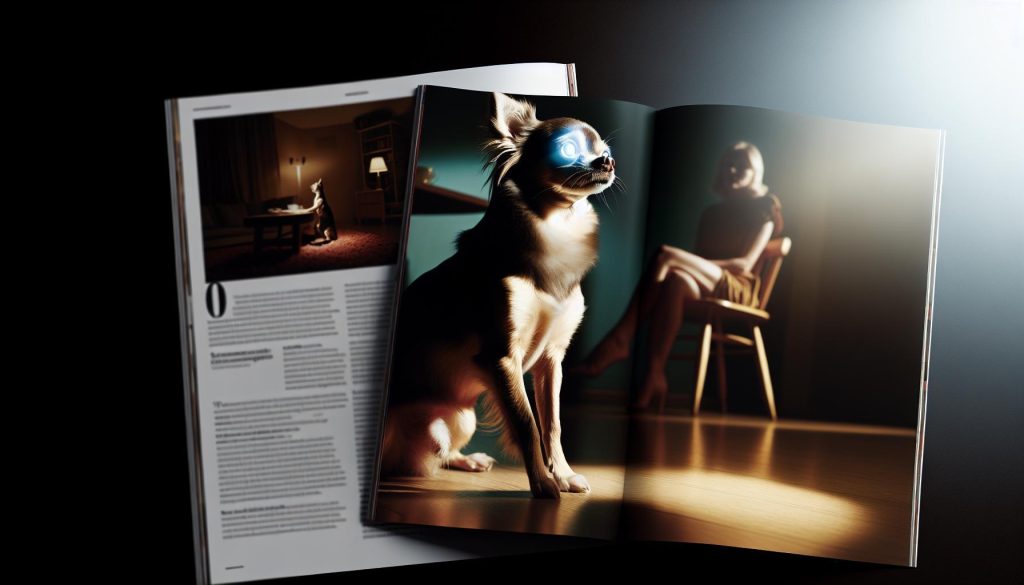
Did you know that Chihuahuas have a unique way of seeing the world, especially in low-light conditions? As a proud Chihuahua owner, understanding how your tiny companion perceives their surroundings can significantly enhance your bond with them. You might wonder if their little eyes can actually see in the dark as well as bigger breeds. This knowledge is not just fascinating-it’s essential for ensuring their safety and comfort at night. In this article, we’ll explore the intricacies of a Chihuahua’s vision, shedding light on how their size, eye structure, and natural behaviors play a role in their nighttime capabilities. Get ready to discover the secrets behind your pup’s peering gaze and what it reveals about their remarkable, yet sometimes quirky, nature!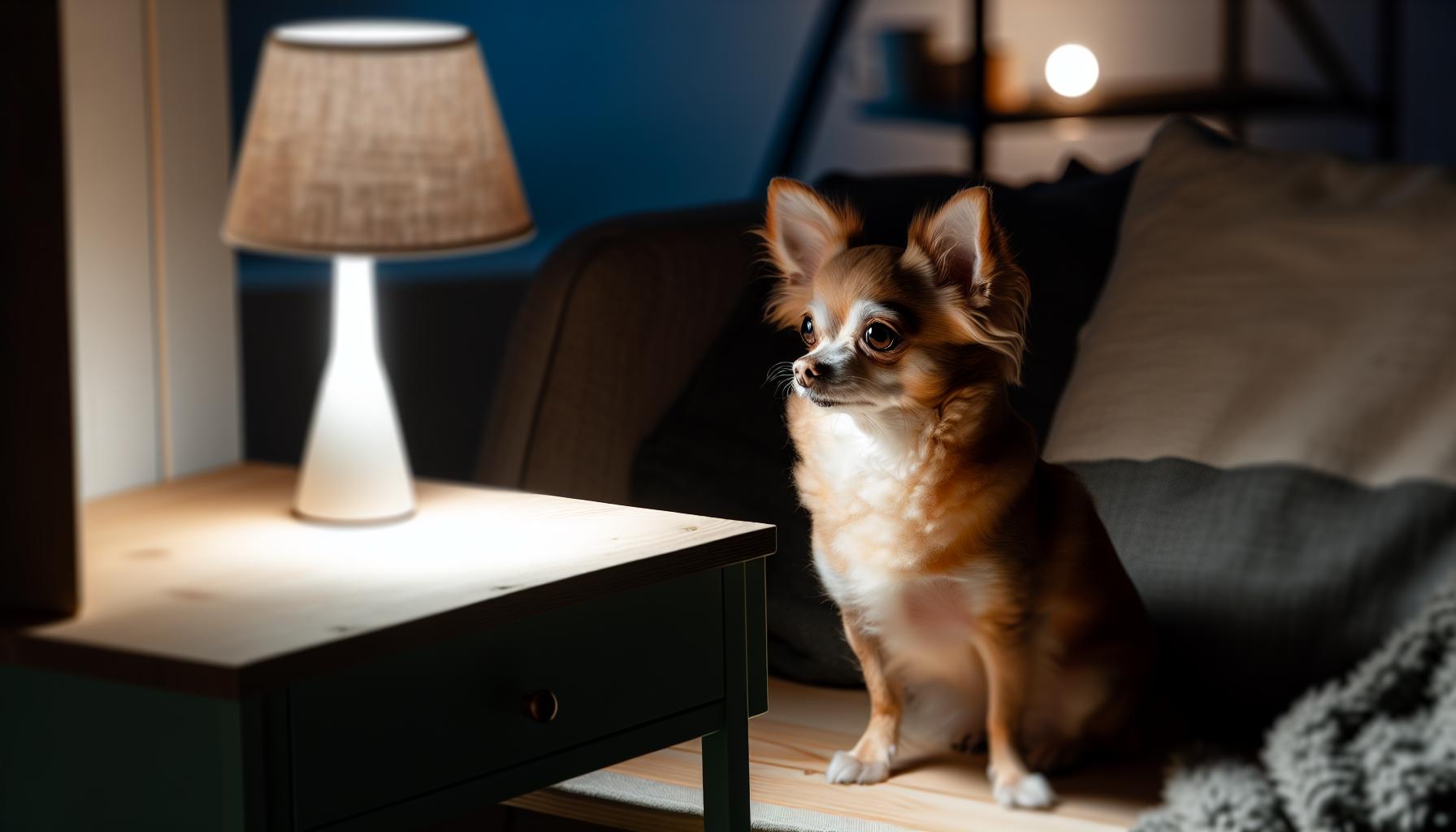
Can Chihuahuas See in the Dark? Understanding Their Night Vision
Though they may be small, Chihuahuas have unique vision attributes that allow them to navigate their surroundings, even in dim lighting. While they don’t possess true night vision like some other breeds, Chihuahuas can see reasonably well in low-light conditions thanks to the structure of their eyes. Their retinas have a high number of rod cells, which enhance their ability to detect movement and shapes in the dark, although this doesn’t mean they’ll navigate perfectly.
When the sun goes down, your little companion may still rely on their acute sense of hearing and smell, which are heightened compared to their visual capabilities. That said, many owners notice that their Chihuahuas tend to be more cautious during nighttime walkabouts, likely due to the visual limitations that come with their size and breed characteristics. This is particularly evident with apple-head Chihuahuas, who might have a slightly different eye structure, potentially affecting their sight more than the deer-head variety.
To help your Chihuahua feel more comfortable in low light, consider using reflective gear or lights on their collars during evening strolls. You can also create a well-lit environment at home, especially in areas they frequent. Training them to navigate by associating specific actions, like following a flashlight or a gentle guidance hand, can also boost their confidence in darker settings. Remember, your furry friend relies not just on their sight but also on their other senses to explore and connect with their world.
The Science Behind Chihuahua Vision
Chihuahuas possess a unique visual system that is finely tuned to their needs as small, alert companions. Their eyes contain more rod cells compared to cone cells, which enables them to detect motion and shapes effectively in low-light situations. This rod-rich retina provides them with a degree of night vision, though not as advanced as that found in some other breeds known for their hunting prowess, such as Retrievers or German Shepherds. While Chihuahuas may not see as clearly in the dark as those breeds, their ability to discern movement helps them navigate their environment better than many realize.
The structure of a Chihuahua’s eye plays a significant role in how they perceive their surroundings. For instance, apple-head Chihuahuas tend to have slightly different eye shapes compared to deer-head varieties. This structural nuance can influence their vision, particularly in low-light conditions. Owners often notice that their tiny companions are more cautious at night, possibly due to the heightened reliance on their other senses-like hearing and smell-during these hours.
A practical tip for enhancing your Chihuahua’s experience in darker environments is to consider their unique sensory perception when choosing to walk them at night. Using a harness and lighted collar or reflective gear can provide visibility and safety, giving both you and your Chihuahua peace of mind. Additionally, encouraging playtime with toys that make sounds can stimulate their other senses and help them feel more confident in dimly lit spaces. By understanding the intricacies of your Chihuahua’s vision, you can foster a supportive environment that caters to their needs, ultimately ensuring they remain comfortable and engaged, even when the sun goes down.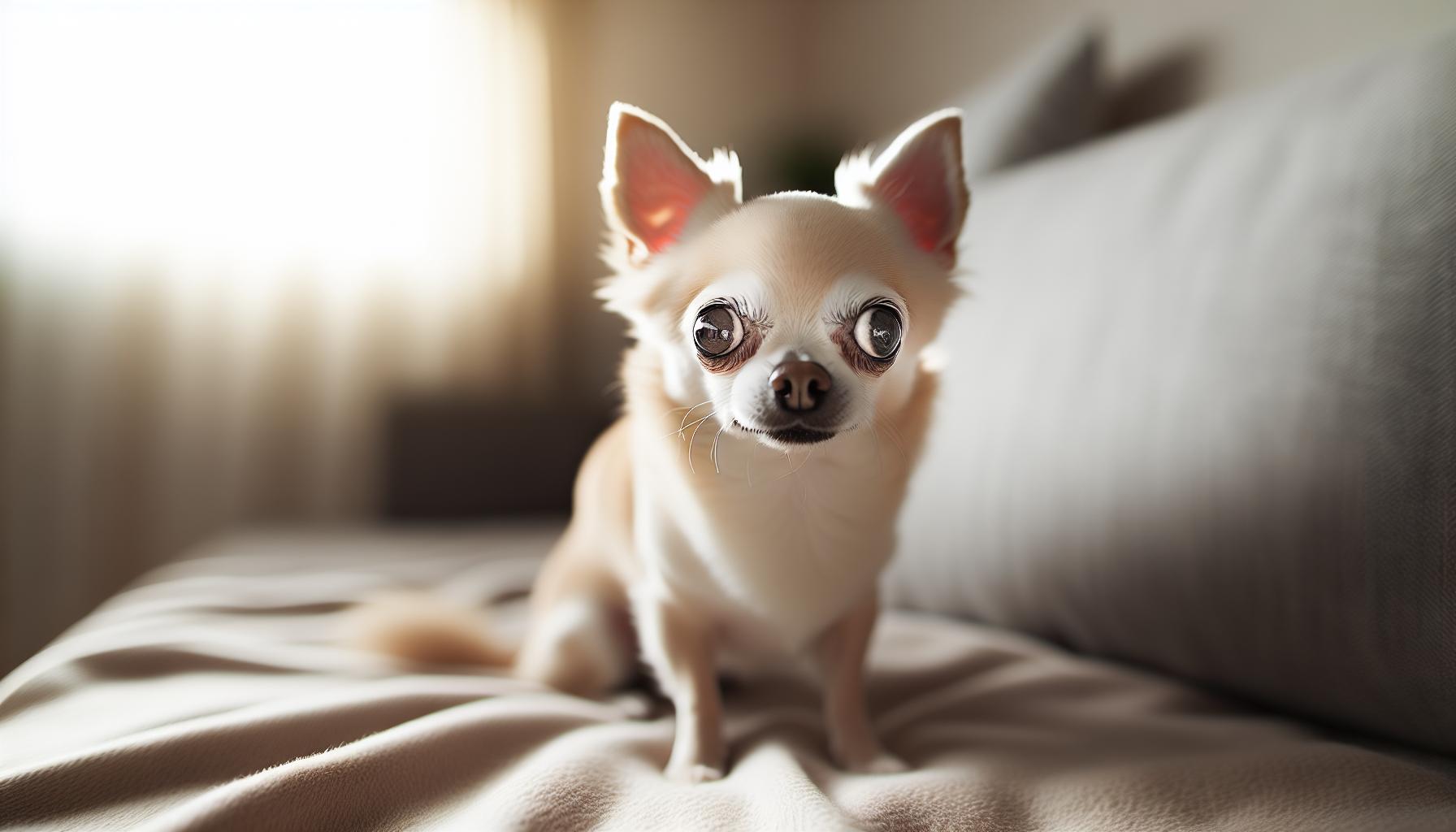
Characteristics of Chihuahua Eyes
Chihuahuas have some truly fascinating characteristics when it comes to their eyes, making them uniquely adapted as the spirited companions we adore. One standout feature is their eye composition, which is rich in rod cells. These cells are crucial for detecting movement in low-light situations, giving Chihuahuas a certain edge when navigating their world after dusk. Although they may not have the night vision prowess of larger breeds, their ability to perceive shapes and movements helps them feel more secure, whether it’s prowling through your living room or exploring the backyard as twilight falls.
The physical structure of a Chihuahua’s eyes can vary depending on their type-apple-head versus deer-head. Apple-head Chihuahuas typically have rounder eyes and a broader forehead, giving them a cute, expressive appearance. This eye shape may enhance their ability to spot movement, even if the overall clarity isn’t as sharp as in other breeds. In contrast, the deer-head variety often features longer legs and a more streamlined face, which can influence the angle at which they perceive light and movement. This nuanced difference can affect how they interpret their environment, especially in dim lighting where every flicker and shadow can be more pronounced.
Keeping your Chihuahua’s eye health in check is essential for maintaining their vision, especially as they age or if they develop breed-specific conditions. Regular veterinary check-ups can help catch potential issues early. Always watch for signs like squinting, excessive tearing, or unusual behaviors that may indicate discomfort or vision problems. Additionally, creating a safe nighttime environment can support their navigation skills; consider using nightlights or engaging in soft play with toys that emit sounds to help guide them more confidently through the dark.
Understanding these traits not only enhances your bond with your little companion but also empowers you to cater to their unique needs. Knowing how their eyes function can help you make informed choices in their care and create a comfortable, secure space for adventurous nighttime escapades.
How Chihuahua Eyes Compare to Other Breeds
Chihuahuas possess unique eye characteristics that play a significant role in how they perceive their surroundings, especially when compared to other dog breeds. Their eyes, often larger in proportion to their body size, are well-developed for spotting movement, a trait that serves them well despite their diminutive stature. Unlike breeds known for their outstanding night vision, such as the Alaskan Malamute or German Shepherd, Chihuahuas benefit from a heightened sensitivity to light and movement because of their rod cell-rich retinal structure. This allows them to navigate in lower light conditions, albeit not as effectively as larger breeds.
When examining Chihuahua eyes alongside other breeds, it’s fascinating to note differences in eye shape and size. Apple-head Chihuahuas typically showcase round, expressive eyes that add to their charming appearance. These eye shapes may enhance their ability to detect movement from various angles, helping them remain aware of their environment. In contrast, breeds like Beagles have a wider field of vision due to their longer facial structure and eye positioning, giving them a broader visual sweep. However, their night vision might not be as finely tuned for detecting subtle movements, compared to Chihuahuas who rely on quick reflexes to respond to their surroundings.
Additionally, coat color can influence vision slightly. Chihuahuas come in a wide array of colors, and pigmentation can affect the amount of light that penetrates the eye. Lighter-coated Chihuahuas may be more sensitive to bright light, while darker-colored ones might have better contrast in shadowy environments, aiding their navigation after sunset. This highlights the importance of understanding your individual Chihuahua’s needs, particularly if you take them out during twilight hours, where their inherent visual traits can help or hinder their exploration.
In everyday situations, owners can bolster their Chihuahua’s ability to thrive in low-light settings. For instance, providing familiar pathways or using soft, illuminated toys can guide your little explorer safely around the home at night. The interplay of Chihuahuas’ unique eye structures and their environmental experiences underlines their adaptability, showcasing not only how they cope in the dark but how they embody a spirited blend of charm and resilience that is cherished by their devoted owners.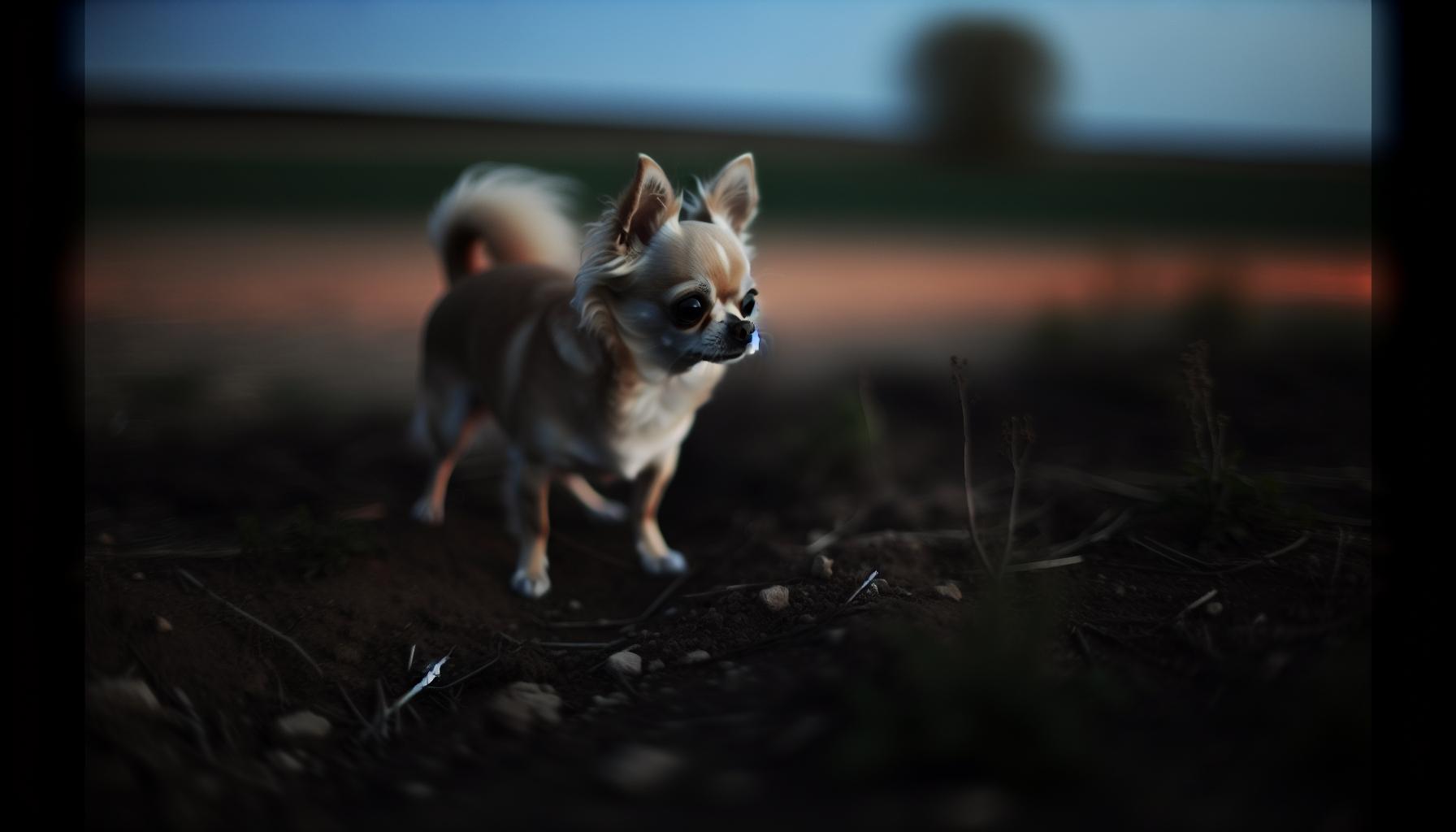
Do Chihuahuas Have Night Vision Capabilities?
Chihuahuas, despite their tiny size, possess some intriguing visual capabilities. Their eyes are equipped with a substantial number of rod cells, which are sensitive to low light. This means that while Chihuahuas don’t have night vision in the way larger breeds do-like the German Shepherd who seems to glide through the dark-your little companion can certainly navigate better than you’d expect when the sun sets.
What enhances a Chihuahua’s ability to see in dim environments is their keen sense of movement. For instance, an apple-head Chihuahua, with its round eyes, can detect quick motions more readily than a Beagle, which may have a broader field of vision but less sensitivity to subtle movements. If your Chihuahua spots a rustle in the bushes during twilight, it’s not just because of broader shadows; it’s likely due to her finely-tuned reflexes and visual acuity.
However, lighting conditions can vary greatly depending on the Chihuahua’s coat color. Lighter-coated Chihuahuas may be more dazzled by bright lights, affecting how they perceive their surroundings at night. In contrast, darker Chihuahuas often find contrasts in low light to be advantageous, enabling them to identify objects and navigate around potential obstacles more effectively. To enhance your Chihuahua’s nighttime adventures, consider using softly lit toys or keeping the home illuminated in safe areas to guide her through her evening explorations.
To help your Chihuahua become more comfortable in the dark, training him to follow familiar pathways can be invaluable. By creating a safe, known route within your home, she’ll feel more secure moving around after dark, not to mention reduce the chances of bumping into furniture. Remember, every little step can help your brave little explorer feel more at ease, allowing her big personality to shine even when the lights go low!
Factors Influencing a Chihuahua’s Vision Ability
Chihuahuas, those miniature warriors with big personalities, have a fascinating setup when it comes to their vision. Different factors contribute to how well your tiny companion can see, especially in low light. Understanding these can help you appreciate your Chihuahua’s quirks and provide better care to keep their eyes sharp and healthy.
The structure of a Chihuahua’s eye plays a pivotal role. Chihuahuas have relatively large eyes for their head size, which can enhance their ability to gather light. Their eyes are rich in rod cells-photoreceptor cells that are highly sensitive to dim lighting. This unique trait allows them to detect movement better in lower light conditions, a skill crucial for a breed known for its keen alertness and responsiveness.
Additionally, age can significantly affect your Chihuahua’s vision. As they grow older, just like humans, their eyesight may decline. Conditions such as cataracts or retinal degeneration can be more common in senior Chihuahuas. Regular veterinary check-ups are essential to monitor their ocular health and to catch any issues before they affect your pup’s quality of life.
Another factor influencing vision is the Chihuahua’s coat color. Studies suggest that lighter-coated Chihuahuas may experience more glare in bright environments, while darker ones may have an advantage in discerning contrasts in low light. This can impact how well your Chihuahua navigates various environments, particularly at dusk or during the nighttime. Setting up familiar pathways in your home can boost their confidence in low-light situations.
Lastly, your Chihuahua’s mood and behavior during nighttime also play a role in their vision perception. A naturally anxious little one may hesitate to move around in the dark, even if they can see somewhat well. Keeping environments cozy and familiar, paired with consistent routines, can encourage positive exploration and help your pup feel secure, which enhances their natural visual abilities.
Tips for Helping Your Chihuahua Navigate in Low Light
To help your Chihuahua navigate in low light, it’s essential to understand both their capabilities and the environment you create for them. While Chihuahuas possess some ability to see in dim conditions-thanks to their large eyes and abundance of rod cells-they can still struggle with visibility compared to humans. Therefore, implementing a few practical strategies can make a significant difference.
Creating a familiar environment is crucial. Chihuahuas are creatures of habit and thrive in spaces where they are comfortable. To facilitate their navigation, consider the following tips:
- Consistent Pathways: Ensure that your Chihuahua has familiar routes in your home. Keep furniture in the same positions and avoid clutter that might cause them to trip or bump into things.
- Night Lights: Installing soft, low-level night lights in areas where your Chihuahua spends time can make a world of difference. This gentle illumination can help guide them without being too bright or harsh.
- Use Sound and Smell: Encourage your Chihuahua to follow verbal cues or familiar sounds. Whistling or tapping lightly can draw their attention, and using scent trails with their favorite treats can help guide them towards a desired location.
- Textured Surfaces: You can place rugs or mats along their walking paths. The difference in texture can help them feel their way around, providing both comfort and security.
Additionally, consider your Chihuahua’s temperament. Some may feel anxious in the dark, which can hinder their ability to explore. Providing a cozy and secure sleeping area with their favorite blanket can help alleviate anxiety. If your little one seems particularly nervous at night, using a calming product such as a pheromone diffuser or anxiety wrap might provide extra comfort.
Lastly, ensure that their vision is regularly checked by a veterinarian, especially as they age. Early detection of possible issues can help maintain their quality of life and ensure that your Chihuahua remains as sprightly and adventurous as ever, even in low light. By taking these proactive steps, you’ll empower your tiny companion to confidently navigate his world, day or night.
Dispelling Myths About Chihuahua Night Vision
Many Chihuahua owners believe their little companions are extraordinary night vision experts, capable of seeing perfectly in the dark. While they do have some advantages when it comes to low-light environments, several myths surround their actual visual capabilities that need clarification. Understanding the truth helps you provide the best care for your furry friend.
First, it’s a common misconception that Chihuahuas can see in total darkness. Like most dogs, Chihuahuas possess more rod cells in their retinas than humans, which enhances their ability to see in dim light. However, this does not mean they can see without any light at all. Instead, they rely on minimal illumination, which allows them to recognize shapes and movements better than we can. For example, if you have a soft night light in your home, your Chihuahua will likely be able to navigate safely, but complete darkness will still pose a challenge.
Another myth is that all Chihuahuas are the same when it comes to night vision capability. Individual factors play a significant role, including age, health, and even the specific eye shape that varies within the breed, such as apple-head versus deer-head Chihuahuas. Older Chihuahuas or those with eye conditions may have diminished vision, making low-light environments particularly daunting for them. It’s crucial to monitor your Chihuahua’s vision over time, as changes can happen gradually.
To truly support your Chihuahua in low-light situations, it’s essential to create an environment that accommodates their needs, as previously discussed. By understanding the realities of Chihuahua night vision, you can better equip your home and your pet to navigate comfortably and confidently. Don’t forget to celebrate your dog’s unique quirks and characteristics, like their bold personalities and strong loyalty, while also acknowledging their limitations.
Chihuahua Behavior: Understanding Their Nighttime Activity
While you might expect your little Chihuahua to be a nocturnal explorer, they often exhibit some intriguing behaviors during the night that can be a mix of playfulness and instinct. These tiny companions are naturally alert and can remain vigilant long after the sun sets, but their nighttime activity levels can vary widely between individuals. Some may curl up quietly for a cozy night’s sleep, while others may take on a more adventurous role, patrolling your home in search of the unexpected.
Chihuahuas are known for their bold and spirited personalities, and this can play out in their nighttime behavior. You might notice your pup darting around the room, investigating every sound, and “talking” to the shadows. Their strong sense of hearing often comes into play during these moments, as they pick up on noises that may go unnoticed by you. This heightened awareness isn’t just a quirk; it stems from their instinct to protect their territory, even in the dark.
However, nighttime can also be a source of anxiety for some Chihuahuas, particularly those that are more timid. If a Chihuahua is stressed by the darkness or unfamiliar sounds, it’s essential to create a calming environment. Consider providing a cozy blanket or their favorite toy in a designated sleeping spot. You might also try using night lights to ease any anxiety that comes from low visibility, making them feel more secure in their surroundings.
Understanding your Chihuahua’s unique nighttime patterns can help you cater to their needs better. For instance, keeping a consistent bedtime routine can foster a sense of security, making it easier for them to settle down each night. Engaging in interactive games or short training sessions in the early evening can also help expend some of that energetic spirit, likely leading to a quieter night. With these insights, you can help your little friend navigate the night with comfort and confidence, celebrating their individual personality while addressing their needs.
How to Care for Your Chihuahua’s Eyes and Vision
Chihuahuas are known for their spirited personalities and keen senses, and their eye care is just as important as any other aspect of their health. Keeping your little friend’s eyes healthy not only enhances their vision but also ensures a high quality of life. Regular veterinary check-ups are essential to monitor for any changes in eyesight or early signs of eye issues, such as cataracts or retinal problems, which can affect their ability to see in lower light conditions.
Maintaining a clean environment is key. Chihuahuas, especially those with long hair, often have hair that can irritate their eyes or develop into tear stains. Wiping their eyes gently with a clean, damp cloth can help keep any discharge at bay. Additionally, consider using specialized eye wipes designed for pets if your Chihuahua is prone to tear stains. Keeping your living space free of dust, smoke, and allergens will also help minimize irritants that can affect their vision.
Nutrition and Vision
Feeding your Chihuahua a well-balanced diet enriched with essential nutrients supports eye health. Foods high in vitamins A, C, and E, as well as omega-3 fatty acids, can be beneficial for maintaining good eyesight. Look for high-quality dog foods that list real meat and fresh vegetables as primary ingredients. You might also want to consult your veterinarian about incorporating supplements that promote eye health if your pup is older or has a predisposition to vision problems.
Protecting Their Eyes
When you take your Chihuahua outdoors, particularly on windy days or in sunny conditions, consider using pet-safe sunglasses or visors to protect their eyes. Their small size makes them more susceptible to debris and UV exposure. After outdoor adventures, inspect their eyes for any signs of irritation or embedded debris, and don’t hesitate to wash them out gently with saline solution if needed.
By focusing on these care techniques and being proactive in monitoring your Chihuahua’s eye health, you’ll not only help preserve their vision but also contribute to their overall well-being. A little effort goes a long way in keeping those bright, expressive eyes sparkling with health and vitality.
Signs of Vision Issues in Chihuahuas
When it comes to our little Chihuahuas, their bright, expressive eyes are not just adorable; they’re essential for navigating their world. However, it’s crucial to monitor for signs of vision issues that could impede their quality of life. Recognizing the early indicators of eye problems can make a big difference in maintaining their health and happiness.
One of the first signs to watch for is changes in behavior. If your Chihuahua starts to bump into furniture, hesitates before jumping off furniture, or avoids playing in dimly lit areas, these could be red flags. You might notice changes in their willingness to explore new spaces or engage in activities they once loved. For instance, an apple-head Chihuahua named Bella used to dart around her owner’s home with reckless abandon but became hesitant after experiencing minor vision issues. Paying attention to such shifts can help identify potential problems early.
Another important indicator is eye appearance. Look for signs like excessive tearing, cloudiness, or redness in the eyes. Some Chihuahuas may develop cataracts that appear as a cloudy or bluish tint. If you notice your pup squinting or displaying excessive tearing, it’s a signal that a trip to the veterinarian is necessary. Regular check-ups can help catch these issues before they worsen.
Moreover, watch for changes in their response to commands or visual cues. If your Chihuahua seems to struggle with recognizing toys, locating treats, or following your movements, she may be experiencing vision difficulties. A seasoned Chihuahua owner might recall when his dog, Coco, began to ignore his favorite squeaky toy-something she used to chase eagerly. Such changes can highlight a bigger issue with her eyesight.
Lastly, keep an eye on your dog’s nighttime behavior. If your Chihuahua is more anxious or restless at night than usual, this could be due to difficulty seeing in low light. Chihuahuas, with their unique eye structure, may not see as well in the dark as larger breeds, so it’s important to create a comfortable environment for them. Soft night lights can help ease their navigation and reduce anxiety.
By being observant and proactive, you can help ensure that your Chihuahua maintains good vision throughout her life. Regular veterinary visits, a clean living environment, and attentiveness to her behavior can go a long way in preserving her enchanting eyes and spirited demeanor. Your little one relies on you to read the signs and keep her world bright!
Enhancing Your Chihuahua’s Comfort at Night
Chihuahuas, with their petite frames and big personalities, need a cozy space to unwind at night-especially since they often struggle with low-light visibility. These little companions are not just tiny; they’re also deeply sensitive to their environments. A few thoughtful adjustments in your home can create a haven of comfort for your Chihuahua during the night, helping him feel secure even in the shadows.
Start by providing a soft, well-padded bed located in a quiet area away from household noise. Consider choosing a bed with raised edges, which not only offers a snuggly spot for your Chihuahua to curl up but can also serve as a comforting enclosure that helps him feel protected. Many owners swear by beds that cater to their dog’s natural instincts, such as cave-style beds or those with waterproof liners-great for Chihuahuas who love to burrow or may have occasional accidents.
It’s equally important to illuminate their nighttime surroundings. Soft, warm night lights can significantly ease your Chihuahua’s navigation in the dark. This gentle glow creates a safer environment and alleviates any anxiety your little friend might feel when trying to move around at night. Ensure the lights aren’t too bright, as a soft ambiance is more soothing. Experiment with different placements to find the most effective way to gently light your home for him.
Adding familiar comforts can also aid in your Chihuahua’s nighttime relaxation. Keep his favorite toys nearby and perhaps a cozy blanket with your scent on it. This can provide emotional reassurance. Redirecting any anxiety into a routine can help too. For instance, if he’s more active at night, a short evening walk can facilitate a smoother transition to a restful state once back home.
Lastly, regular nighttime rituals can also enhance feelings of security. Engage in calming activities like gentle grooming or quiet cuddle time before bed. These moments not only strengthen your bond but also signal to your Chihuahua that it’s time to wind down. Each step taken to promote his emotional and physical well-being will contribute to a peaceful night’s sleep for both of you, making your evenings enjoyable and restful.
FAQ
Q: Can Chihuahuas see better in the dark than humans?
A: Yes, Chihuahuas can see better in low light than humans due to having more rod cells in their retinas, which are sensitive to dim light. However, they don’t have night vision like some other animals. This ability helps them navigate effectively during twilight and nighttime.
Q: What factors affect a Chihuahua’s vision at night?
A: A Chihuahua’s vision in the dark can be influenced by several factors, including age, health, and environmental conditions. Older Chihuahuas may experience vision decline, while health issues like cataracts can significantly impair their ability to see in low light.
Q: Do Chihuahuas have color vision?
A: Chihuahuas have limited color vision, seeing primarily in shades of blue and yellow. They lack the ability to see reds and greens well, which affects their perception of colors in various lighting conditions, including dim environments.
Q: How can I help my Chihuahua feel safe in the dark?
A: To help your Chihuahua feel secure at night, provide night lights or a familiar blanket. Establishing a nighttime routine can also ease their anxiety. Creating a comfortable and cozy environment will help them navigate their space better in low light.
Q: Are there any myths about Chihuahua night vision?
A: One common myth is that Chihuahuas have superior night vision compared to all dog breeds. While they see better than humans in dim light, they are not nocturnal animals and have less night vision capability than breeds specifically adapted for it, like Bloodhounds.
Q: What signs indicate my Chihuahua might have vision problems?
A: Signs that your Chihuahua might be experiencing vision issues include swerving while walking, reluctance to jump, or bumping into objects. If you notice these behaviors, it’s essential to consult a veterinarian for an evaluation.
Q: Can poor lighting affect my Chihuahua’s behavior?
A: Yes, poor lighting can affect your Chihuahua’s behavior, causing anxiety or confusion. They might become more vocal or seem disoriented in very low light. Ensuring adequate lighting or familiarizing them with their environment can help alleviate this.
Q: How do Chihuahua eyes compare to larger breeds?
A: Chihuahua eyes are proportionally larger relative to their size compared to many larger breeds. This helps with their ability to see in various light conditions, but their overall vision capabilities might not match those of larger breeds that are specifically bred for sight.
The Way Forward
Understanding your Chihuahua’s vision at night is crucial for their care and well-being. While they may not see in total darkness, their remarkable ability to navigate in low light can warm your heart, as they rely on their keen instincts and large eyes. If you have any lingering questions about your furry companion’s health or behavior, check out our articles on Chihuahua care tips and common health issues.
Ready to learn more about what makes your Chihuahua special? Dive into our resource section for expert advice and tips tailored to your breed. Don’t forget to subscribe to our newsletter for exclusive insights and community stories! Share your experiences in the comments below; we love hearing from fellow Chihuahua enthusiasts. Remember, together we can celebrate the unique personality of these bold little dogs!
Get our latest guides, news, and insights highlighted in your Google Search & AI Overviews.