
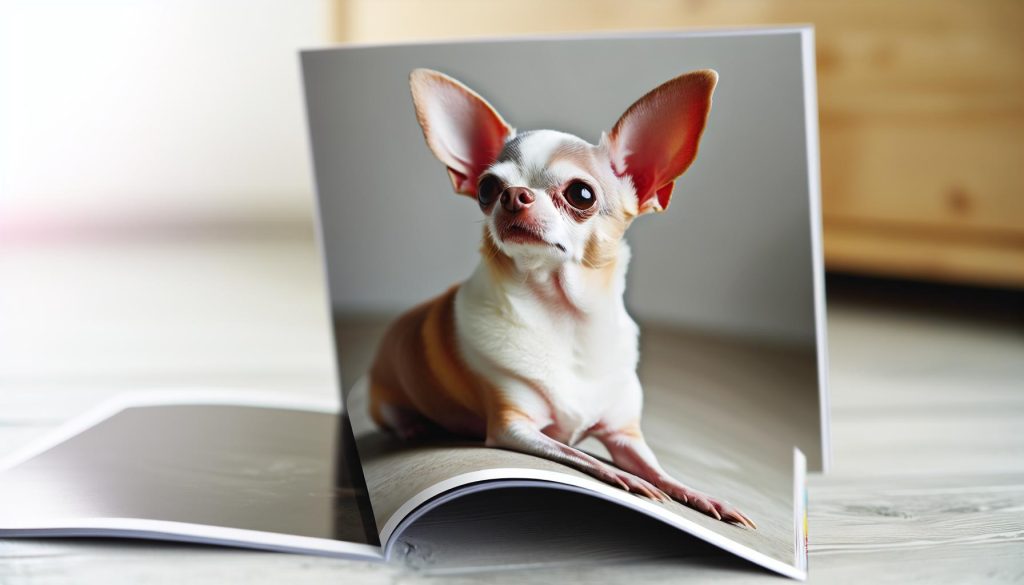
Did you know that Chihuahuas have some of the largest ears relative to their body size in the canine world? This unique feature isn’t just about cuteness-those big ears play a significant role in their anatomy and behavior. As a Chihuahua owner, understanding why these tiny companions have such prominent ears can help you better appreciate their health, communication, and overall well-being. From enhancing their hearing to regulating body temperature, the structure of a Chihuahua’s ears is a fascinating aspect of this beloved breed. Whether you’re a seasoned Chihuahua owner or a first-time parent, exploring the reasons behind this quirky characteristic will deepen your connection with your furry friend and provide insights into what makes them truly special. Let’s dive into the anatomy of your Chihuahua’s ears and uncover the secrets behind their oversized charm!
Why Are Chihuahuas’ Ears So Big? Understanding Their Unique Anatomy
The Chihuahua’s large ears are not just an adorable quirk; they serve significant purposes that are rooted in the breed’s unique anatomy. Chihuahuas have proportionately larger ears compared to their body size, a trait that can be traced back to their ancestry and development. These distinctive features are not merely for show; they play a crucial role in both communication and sensory perception. While other breeds may have varied ear sizes mainly for aesthetic purposes, in Chihuahuas, big ears enhance their ability to hear and notice subtle sounds, which is vital for a breed known to be alert and vocal.
Understanding the anatomy behind these large ears helps to appreciate their functionality. Chihuahuas’ ears are thin and delicate, with a wider canal that allows sound waves to enter more effectively. This shape and structure amplify their hearing ability, enabling them to pick up on sounds that might go unnoticed by other breeds. In many cases, Chihuahuas will perk up their ears, turning them in different directions to gather information about their environment, a behavior that is both instinctual and cultural in relation to their alert nature.
Additionally, the ear size contributes to social interactions within the breed. Chihuahuas often communicate with their ears – from perked up for excitement or curiosity, to flattened against the head in moments of fear or submission. Owners can learn a lot about their furry friend by observing these subtle signals. As a new Chihuahua owner, take some time to watch how your dog’s ears move in different situations; this can provide insight into their emotional state and help nurture a strong bond between you.
Overall, the Chihuahua’s large ears are a fascinating aspect of their anatomy, contributing to their unique personality and bolstering their abilities as loyal companions. By understanding this trait, you can better appreciate the quirks and characteristics that make Chihuahuas so special.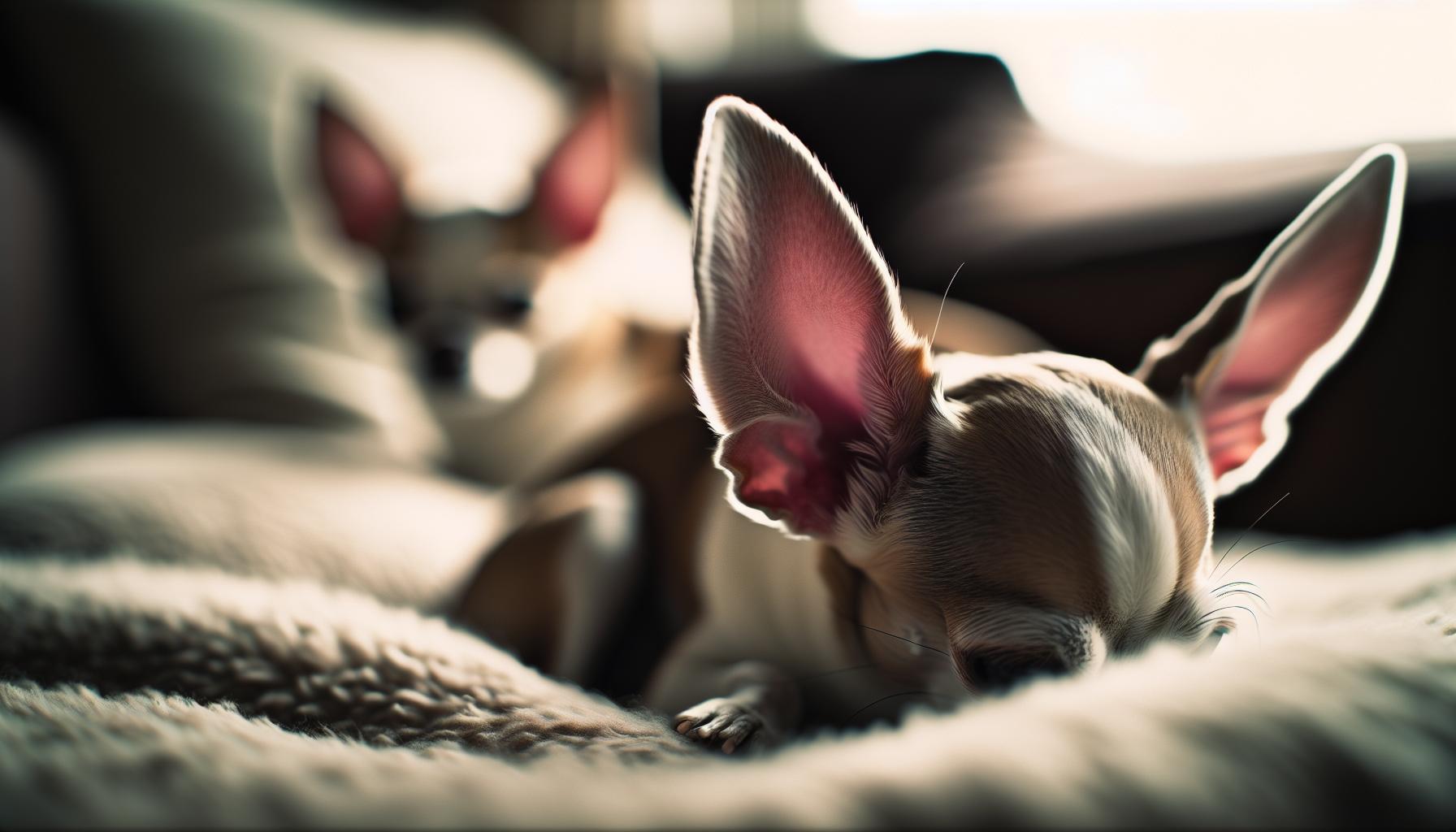
The Role of Ear Size in Chihuahua Communication
Chihuahuas are known for their vibrant personalities, and one of the most expressive features they have is their large ears. These oversized appendages are not merely adorable-they play a pivotal role in how Chihuahuas communicate. A Chihuahua’s ears are as much a part of their emotional language as their barks, yips, and body movements. When you understand what those ears are saying, you’ll be better equipped to connect with your furry friend.
Chihuahuas can convey a range of emotions through their ear positioning. For example, when your Chihuahua’s ears stand tall and alert, it indicates curiosity or excitement. In contrast, if you notice the ears flattening against the head, it can signify fear or submission. Watching your Chihuahua’s ears during different situations, like meeting new people or encountering unfamiliar animals, can reveal insights into their mood and comfort level. Remember, this breed is notoriously devoted and vocal, so their ears are a key communication tool, expressing everything from joy to anxiety.
Their auditory anatomy also enhances their ability to interpret the world around them. Chihuahua owners often marvel at how quickly they can react to even the slightest sounds. This heightened hearing capability, combined with their expressive ears, allows them to pick up on cues that might go unnoticed by larger breeds. This knack for sound helps them respond to their environment in ways that appear almost instinctual, making them seem more aware and responsive than other dogs.
As a Chihuahua owner, fostering this line of communication can be beneficial for training and bonding. Recognizing what your Chihuahua’s ear movements mean can help you respond more appropriately to their needs, whether it’s comforting them during a stressful moment or engaging them when they’re excited. Pay attention to their ears and be mindful of your responses; this form of non-verbal communication strengthens your connection and nurtures trust, ensuring that your tiny companion feels safe and understood. By celebrating the role of their ears in communication, you embrace a deeper understanding of what makes Chihuahuas uniquely special, reinforcing the bond that many Chihuahua owners cherish.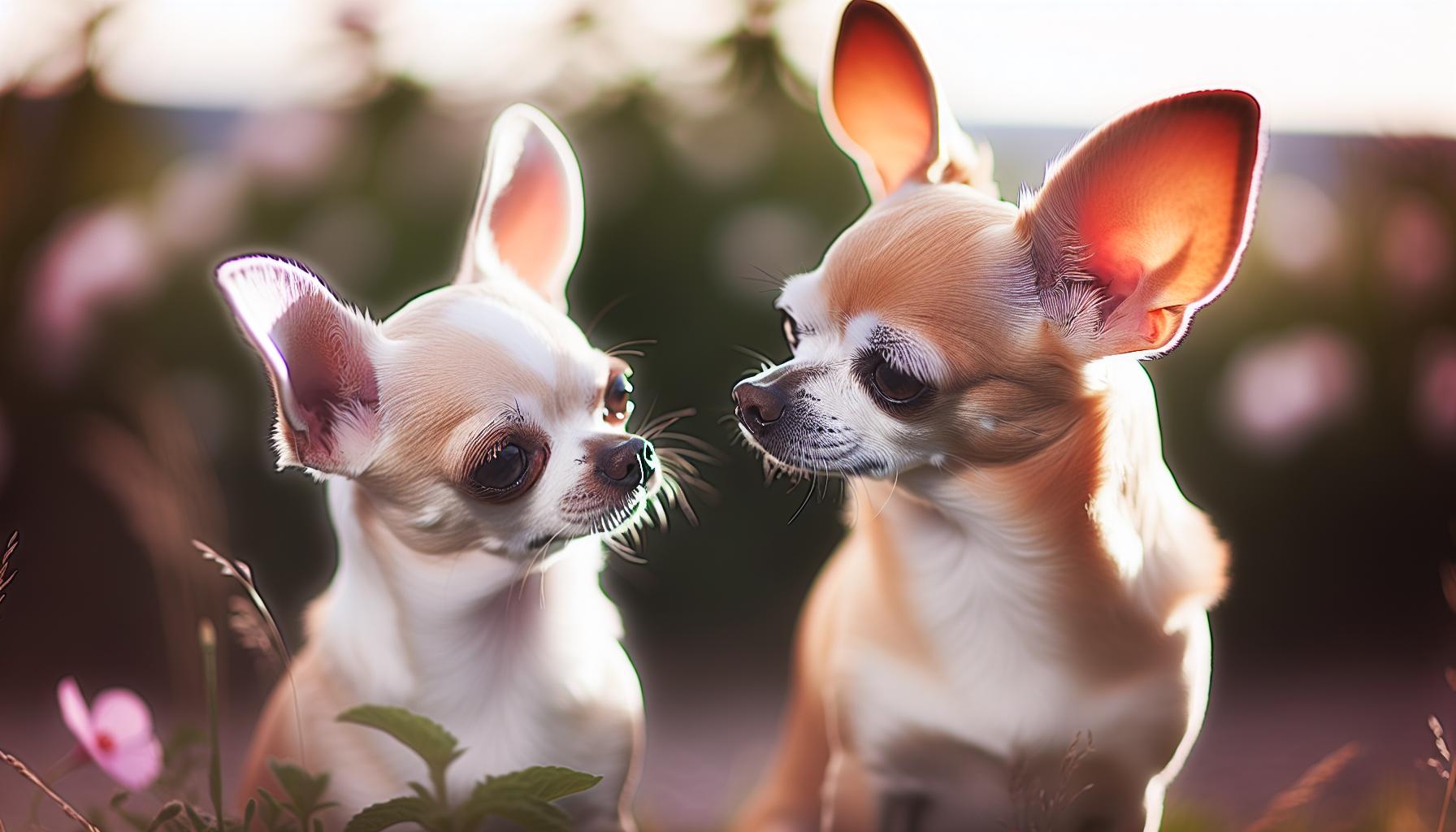
How Chihuahua Ear Anatomy Affects Their Hearing
Chihuahuas are fascinating creatures, and one of the most remarkable aspects of their anatomy is, of course, their ears. These oversized ears are more than just charming features; they play a crucial role in how Chihuahuas experience and interact with their world. Designed specifically to enhance their hearing capabilities, the structure of a Chihuahua’s ears enables them to detect sounds at higher frequencies than many larger breeds. This acute hearing makes them incredibly aware of their surroundings, allowing them to respond to even the faintest noises-which can sometimes be both a blessing and a curse in a bustling household.
The anatomy of Chihuahua ears contributes significantly to their extraordinary hearing abilities. The large, upright shape helps to funnel sounds into the ear canal, amplifying even the subtlest sounds. This feature allows Chihuahuas to detect sounds more effectively, which helps them respond to cues from their environment with remarkable quickness. For instance, a Chihuahua may perk up at the sound of a doorbell or a rustling leaf long before you even notice something is amiss. Owners often share stories about their Chihuahuas instinctively sensing intruders or alerting them before they’ve had a chance to see what’s happening, showcasing the breed’s natural alertness.
Understanding the distinctive features of your Chihuahua’s ears can also aid in care and training. Knowing that their heightened sensitivity to sound means they might become startled by loud noises can help you create a more comfortable environment. Stronger, unexpected sounds-think thunder or fireworks-might be overwhelming for your little friend. If you’re planning a gathering or expect loud commotion, it might be wise to provide a quiet space for your Chihuahua to retreat to, where they can feel safe and secure.
Ultimately, the combination of their unique ear anatomy and their instinctual behaviors makes Chihuahuas exceptionally perceptive companions. Embrace this remarkable aspect of your Chihuahua, and you’ll not only appreciate their acute sense of hearing but also develop a deeper bond based on mutual understanding and care.
The Connection Between Ear Size and Chihuahua Personality
Chihuahuas are known for their big personalities, and their ears play a significant role in shaping those traits. The distinct size and shape of a Chihuahua’s ears not only enhance their hearing but are also closely linked to their demeanor and behavior. Owners often notice how their Chihuahua responds and interacts with the world around them, and much of this can be attributed to their remarkable auditory abilities shaped by those oversized ears.
The extra-large ears of a Chihuahua allow them to pick up on subtle sounds that many other breeds might overlook. This heightened sensitivity can lead to a personality that is both alert and sometimes slightly anxious, as their keen hearing makes them acutely aware of their environment. For example, a Chihuahua might bark at the slightest noise-a leaf falling or a distant thud-showing off their protective nature. This trait can manifest as an intensely loyal companion who is always aware of their owner’s movements and the surrounding area, further deepening the bond between you and your furry friend.
Moreover, the ear size and stance often reflect the dog’s mood and personality. When your Chihuahua’s ears are perked up, they are likely curious or attentive, indicating engagement and interest. On the other hand, if their ears are pinned back, they might be feeling anxious or shy, providing insight into their emotional state. Owners can learn to interpret these signals, allowing for better communication and understanding. For instance, if you notice your Chihuahua becoming startled or nervous, you might consider introducing calming training techniques or providing her with a cozy, quiet space to retreat to when she needs reassurance.
Living with a Chihuahua means embracing their quirks, including how their ears influence their role as companions. Many people love the vocal and spunky nature that comes along with these little dogs. Encouraging positive behavior through understanding ear signals and promoting confidence can greatly enhance your relationship. Remember, each Chihuahua is unique-celebrate their individuality while considering how their ear size not only relates to their auditory skills but also to their charming and sometimes dramatic personalities.
Exploring the Genetic Factors Behind Big Ears
Chihuahuas are fascinating little creatures with a plethora of unique traits, one of the most prominent being their notably large ears. These oversized ears are not just a quirky feature; they come with a genetic backdrop that reflects the breed’s history and evolutionary adaptations. Understanding the genetic factors behind the size of a Chihuahua’s ears can deepen your appreciation for these tiny companions and help you care for them better.
The size of a Chihuahua’s ears is largely influenced by selective breeding practices over generations. Historically, Chihuahuas originated from the Techichi, a companion dog of the ancient civilizations in Mexico. Breeders sought specific traits, including ear size, to enhance their aesthetic appeal and functionality. The larger ear size is believed to come from a natural selection process where dogs with more pronounced ear features were favored for their ability to hear better, potentially enhancing their roles as companions and watchdogs. This means that the enhanced auditory capabilities you see today are a direct result of genetics.
Another factor contributing to the ear size in Chihuahuas is the breed’s overall size. Since Chihuahuas are one of the smallest dog breeds, their proportions emphasize their features, making their large ears appear even more pronounced. These ears are not merely decorative; they serve a practical purpose. Larger ears can capture sound waves more efficiently, allowing a Chihuahua to be hyper-aware of their environment, which is essential for their protective nature. For instance, if you’ve noticed your Chihuahua being particularly alert to sounds in the house or yard, it’s their genetic make-up at work, sharpening their senses as they were originally bred to guard their owners.
Furthermore, the genetic diversity within the breed can lead to varying ear shapes and sizes. Some Chihuahuas may present with “rose” ears, which fold over, while others have perfectly upright ears. Each variation provides insights into their lineage, with certain traits more prominent in specific lines. It’s essential to embrace your Chihuahua’s unique ear characteristics, as they contribute to his personality and charm. Observing how your Chihuahua’s ears change with different emotions can also offer you insights into his mood and well-being, fostering a deeper bond between you.
In conclusion, the large ears of a Chihuahua are a celebration of their genetic history, highlighting their evolution as companions. By understanding the roots of these features, you can appreciate not just their aesthetics but the inherent qualities they bring to your home. Every ear flop and perk not only adds to their adorable character but also tells a story of their ancestry, enhancing the joy of sharing life with such a distinctive breed.
Common Ear Issues in Chihuahuas: Prevention and Care
Chihuahuas are known for their bold personalities and endearing quirks, but their large ears, while charming, can also lead to some specific health concerns. These delicate structures are prone to a variety of issues, and understanding how to prevent and care for them is crucial to keeping your little companion healthy and happy.
One common issue is ear infections, which can occur due to moisture buildup or wax accumulation. Because Chihuahuas have larger ears proportionally, they can trap dirt and moisture more easily, providing a breeding ground for bacteria and yeast. To prevent this, be sure to clean your Chihuahua’s ears regularly using a vet-recommended ear cleaning solution. Aim to do this every couple of weeks or as advised by your veterinarian. After cleaning, gently dry the ears with a soft cloth to prevent moisture retention, and always check for any signs of redness or irritation.
### Signs of Ear Issues
Pay attention to your Chihuahua’s behavior and any physical signs that could indicate ear problems, such as:
- Excessive scratching: If your Chihuahua is frequently pawing at his ears, it may signal discomfort.
- Head shaking: Noticeable shaking of the head can be a sign of irritation or infection.
- Unpleasant odor: A foul smell can indicate an underlying infection that needs veterinary attention.
- Abnormal discharge: Any fluid or debris coming from the ears is a cause for concern.
### Promoting Ear Health
Routine vet check-ups are your best ally in ensuring that your Chihuahua’s ears stay healthy. During these visits, your vet can assess the ears for signs of infection or other conditions. Additionally, helping your Chihuahua maintain a balanced diet rich in Omega fatty acids can improve overall skin health, thus potentially reducing ear problems.
If you do notice an issue, it’s essential to consult your vet promptly. Ear problems can escalate quickly in Chihuahuas, given their sensitivity. Treatment may include cleaning and medication, and in some cases, dietary adjustments may be necessary.
Embrace your Chihuahua’s unique ear characteristics and ensure a comfortable life for him. A little proactive care can go a long way in maintaining those adorable ears and the joyful spirit they accompany!
How to Care for Your Chihuahua’s Delicate Ears
Chihuahuas, with their delightfully oversized ears, require special care to keep those adorable flaps in top shape. Their anatomy, coupled with the potential for ear-related health issues, makes it vital for every owner to understand a few fundamental practices. Regular ear maintenance not only contributes to your dog’s overall health but can also prevent discomfort or infections that might arise from their unique ear structure.
Cleaning your Chihuahua’s ears should ideally be a part of your grooming routine. Using a vet-recommended ear cleaner, gently apply a small amount into each ear canal. Massage the base of the ear gently to help the solution break down any wax or debris. After a minute or two, let your pup shake his head to remove the loosened dirt, and then use a soft, clean cotton ball to wipe away any excess. Avoid using cotton swabs, as inserting them too deeply can damage the ear canal. Aim to do this every couple of weeks, or as your veterinarian directs, to prevent accumulation and keep infections at bay.
In addition to regular cleaning, vigilance is essential. Look for signs that could indicate your Chihuahua is experiencing ear troubles. Are they scratching their ears frequently? Is there shaking of the head or a foul odor coming from their ears? Addressing these signs early will help in managing any potential health concerns. Also, incorporate routine vet check-ups into your care regimen; during these visits, the vet can assess the health of your dog’s ears and provide personalized advice based on your Chihuahua’s individual needs.
With a proactive approach to ear care, you can help ensure that your Chihuahua remains comfortable and healthy. The joy that comes from interacting with your joyous little companion makes all the effort worthwhile. Regular maintenance of those floppy ears supports their spirited personality and keeps them feeling their best, allowing you to relish the unique bond you share.
Comparing Chihuahuas to Other Breeds: Ear Size Differences
Chihuahuas are often recognized not just for their bold personalities but also for their strikingly large ears, which can be quite different from those of many other dog breeds. This distinctive feature serves various purposes that are integral to their anatomy and behavior. While many small breeds do sport prominent ears, none seem to embrace this trait quite like the Chihuahua, and understanding why can provide insight into everything from their communication to their health.
When comparing Chihuahuas to breeds like Poodles or Dachshunds, it’s clear that each breed has unique ear shapes and sizes that correspond to their genetic backgrounds and purposes. For instance, the Dachshund’s ears are broader and lower, designed to help trap scents while hunting. In contrast, the Chihuahua’s large, upright ears help enhance their hearing and communication capabilities. They’re designed to pick up on even the softest sounds, which is crucial for a breed that can be both alert watchdogs and lively companions.
The size of a Chihuahua’s ears can also influence their interactions with both humans and other dogs. These oversized ears allow them to express a range of emotions; when a Chihuahua is excited, happy, or curious, you’ll see their ears perk up and move independently. This expression is different from a Shih Tzu, whose ears are more neutral and floppy. Consequently, Chihuahuas can communicate much more subtly and effectively with their ears, making them quite engaging companions for those who learn to read their signals.
Additionally, larger ears can sometimes be a breeding ground for health issues if not cared for properly. While some breeds like French Bulldogs may have smaller ears more prone to ear infections due to their shape, Chihuahuas require diligent ear maintenance to prevent dirt and debris from causing blockages. Regular cleaning and attention to ear health can make all the difference in ensuring your Chihuahua remains healthy and vibrant, allowing her to continue charming everyone around her with those endearing flaps.
By understanding the differences in ear size and shape among breeds, you not only appreciate your Chihuahua’s unique characteristics but can also contribute to her health and happiness through better care and attention.
Chihuahua Ear Shapes: What Do They Mean?
Chihuahuas are known for their adorable large ears, and these distinctive shapes can say quite a bit about their personality and emotional state. The two primary ear shapes you’ll often see are the “rose” and “upright” ear types. Each has its own unique charm and function, and understanding these can help you connect better with your furry friend.
Understanding Rose Ears
Rose ears are characterized by the soft, rounded shape that folds at the top, resembling the petals of a rose. Chihuahuas with rose ears often exhibit a more laid-back and gentle demeanor. They might be a little less vocal and more reserved than their upright-eared counterparts. Owners often find that these Chihuahuas enjoy cuddling and spending quality time close to their humans. If your Chihuahua has rose ears, take note of how she communicates-she may rely more on body language than vocalizations.
The Charm of Upright Ears
On the other hand, upright ears stand tall and pointy, giving Chihuahuas an alert and lively appearance. This ear shape helps enhance their hearing, making them keen little watchdogs. If your Chihuahua has upright ears, you might notice she’s often more vocal and expressive, particularly when she’s excited or curious about something. These dogs tend to be very engaging and often enjoy playing and exploring their surroundings. For instance, many owners marvel at how their upright-eared Chihuahuas can hear a treat bag rustling from across the room!
Why Shape Matters
Understanding these ear shapes not only enriches your appreciation for your Chihuahua’s unique look but also provides insights into her temperament. When you see those ears perk up, you can better interpret her mood and what she might be trying to convey.
If you ever find yourself wondering what your furry friend is trying to say, remember to look at her ears. Whether she’s a gentle soul with rose ears or a spirited charmer with upright ears, each dog is wonderfully unique and deserving of your love and attention. By being observant, you’ll be more equipped to care for her needs and nurture that special bond you share.
The Impact of Ear Size on Training and Behavior
Chihuahuas’ big ears do more than just add to their undeniable cuteness; they play a vital role in training and behavioral expression. Their prominent ear size enhances their ability to hear a range of sounds, making it easier for them to react to commands and environmental cues. When engaging with your Chihuahua, be it during playtime or training sessions, harness their excellent hearing by ensuring you use clear, distinct commands. For instance, when teaching your dog to “sit” or “stay,” a firm tone can grab their attention more effectively due to their acute hearing.
Chihuahuas are known for their spirited personalities and vocal tendencies, traits that are often magnified by their ear size. With their upright ears, these little dogs are not just quick to hear commands but also quick to respond with enthusiasm. Owners frequently observe that during training sessions, Chihuahuas with upright ears tend to be more alert and responsive, as they can pick up the faintest sounds, like the rustling of a snack bag or the jingle of a favorite toy. Encourage this trait by pairing their eager responses with lots of positive reinforcement-praise, treats, or playful interactions make for effective motivators.
Furthermore, ear size can influence how a Chihuahua perceives their surroundings, impacting their behavior in communal settings. Those with rose ears might approach situations more cautiously, relying on their keen senses but exhibiting slight hesitance. This can sometimes require a gentler training approach, focusing more on building confidence through encouragement rather than just obedience. In contrast, the upright-eared Chihuahuas may appear more confident and ready to take on challenges, making it crucial to channel their energy positively.
Ultimately, understanding the impact of ear size not only enhances training effectiveness but fosters a deeper bond with your Chihuahua. Every time those big ears perk up, a world of communication opens up between you. Pay attention to their responses, and tailor your training methods accordingly, using the unique auditory capabilities of your furry friend to create a fulfilling experience for both of you.
Fun Facts About Chihuahuas’ Ears That Every Owner Should Know
Chihuahuas are known for their charming personalities and, of course, their signature large ears. These adorable features serve more than just a fashionable purpose; they play a crucial role in your Chihuahua’s everyday life and health. Understanding the significance of those prominent ears can make you a more informed and engaged owner.
One fascinating aspect of Chihuahua ears is their incredible sensitivity. Did you know that these little pups can hear sounds at a frequency as high as 65,000 Hz? In contrast, humans can only hear up to about 20,000 Hz. This heightened auditory capability is why Chihuahuas often seem to pick up on noises that are imperceptible to us, from the faintest rustle of a snack wrapper to the high-pitched squeak of a toy. It’s no wonder they can’t resist barking at every little sound they hear!
Moreover, the shape of a Chihuahua’s ear can tell you a lot about their personality. For instance, those with upright ears tend to be more alert and curious, while those with rose-shaped ears might display a more laid-back demeanor. Understanding these distinctions can help you tailor your training and enrichment activities. If your Chihuahua has upright ears, they might thrive in interactive games that challenge their keen hearing, while those with rose ears may prefer quieter, gentler activities.
Caring for those big ears is also essential for your Chihuahua’s health. Regular inspections and cleanings can prevent common issues such as wax buildup or infections, which Chihuahuas are prone to due to their ear shape. Make it a routine to check your pup’s ears weekly; look for any redness, discharge, or unusual odors that might need veterinary attention. Using a soft, damp cloth or a vet-recommended ear cleaner can help keep your Chihuahua’s ears healthy and happy.
In summary, your Chihuahua’s large ears not only enhance their lovable appearance but also contribute significantly to their communication and sensory experience. By appreciating the role that these ears play, you can foster a deeper understanding of your furry companion and ensure they live a happy, healthy life.
FAQ
Q: What are the specific benefits of large ears in Chihuahuas?
A: Large ears in Chihuahuas serve several benefits, including enhanced hearing ability, better temperature regulation, and increased communication cues. These features help them sense their environment and relate more effectively with their owners or other pets. For further insights, check “The Role of Ear Size in Chihuahua Communication.”
Q: How does ear size impact a Chihuahua’s ability to hear?
A: A Chihuahua’s large ears optimize their hearing range, allowing them to detect higher frequency sounds that might go unnoticed by smaller-eared breeds. This increased sensitivity makes them alert and aware of their surroundings, crucial for their protective instincts.
Q: Can ear size in Chihuahuas affect their health?
A: Yes, the size of a Chihuahua’s ears can influence their health. Larger ears can be prone to issues such as ear infections due to the increased surface area and internal folds. Regular ear cleaning and veterinary check-ups can help maintain their ear health.
Q: Are there different ear shapes in Chihuahuas and what do they indicate?
A: Chihuahuas can have various ear shapes, such as erect, folded, or butterfly. Each shape may indicate different genetic lines or can reflect the dog’s mood or health. Understanding these shapes can provide insight into your Chihuahua’s temperament and genetic background.
Q: How can I tell if my Chihuahua’s ears are healthy?
A: Healthy ears in Chihuahuas should look clean, pale pink, and odor-free. Regularly check for any redness, swelling, or discharge. If you notice these signs, consult a veterinarian. Maintaining ear hygiene contributes to overall health and comfort.
Q: Do Chihuahuas with larger ears have different personality traits?
A: While ear size does not directly dictate personality, some owners report that Chihuahuas with larger ears tend to be more expressive and sociable. Their ear size complements their communication abilities, possibly making them more engaging with their families.
Q: What common ear problems should Chihuahua owners watch for?
A: Chihuahua owners should be vigilant for signs of ear infections, which include scratching, shaking their heads, or unusual odors. Regular cleaning and monitoring can prevent many common issues that arise from their unique ear anatomy.
Q: Is ear size an indicator of other physical traits in Chihuahuas?
A: Yes, ear size in Chihuahuas can correlate with other physical traits such as head size and overall body structure. Understanding these links can help owners select a Chihuahua that fits their desired aesthetic and health profile.
For more engaging insights about your Chihuahua’s unique anatomy and care, explore our article on “Common Ear Issues in Chihuahuas: Prevention and Care.”
Final Thoughts
Understanding why Chihuahuas have such large ears enhances our appreciation for their unique anatomy and playful personalities. These adorable features not only contribute to their hearing but also play a key role in their communication. If you’re a proud owner, consider how proper care and training can further enrich your Chihuahua’s life. Don’t miss our related articles on best practices for Chihuahua grooming and training tips-links below will guide you there!
Join our community by signing up for our newsletter, where we share valuable insights and tips tailored just for Chihuahua enthusiasts like you. Feel free to share your experiences and questions in the comments-we love hearing from fellow Chihuahua owners! Don’t forget to explore our resources on Chihuahua health and behavior to support your furry friend. Your little companion deserves the best care possible!
Get our latest guides, news, and insights highlighted in your Google Search & AI Overviews.