
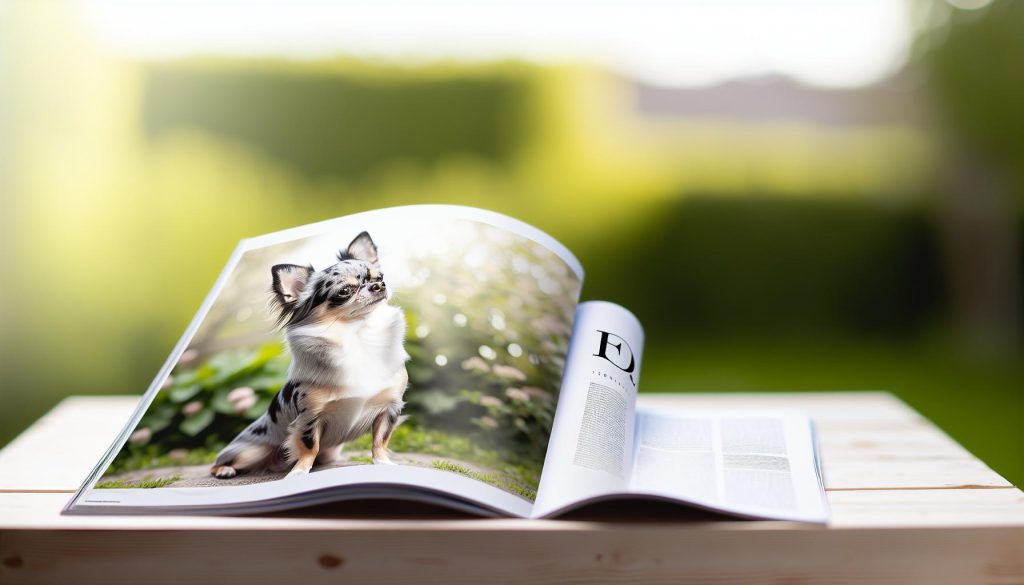
When it comes to Chihuahua colors, the merle pattern is a captivating subject that sparks curiosity among owners and enthusiasts alike. Merle Chihuahuas feature a unique blend of mottled shades that can be both striking and beautiful. Understanding whether this color pattern is recognized and how it affects the breed’s health is essential for potential owners and current Chihuahua enthusiasts. Many new and seasoned owners wonder how genes influence these vibrant differences, and whether they should actively seek out a merle-coated friend or avoid potential health complications associated with this pattern. In this article, we’ll delve into the specifics of Chihuahuas and the merle pattern, exploring its genetic background, implications for breed standards, and what caring for a merle Chihuahua entails. Join us as we uncover the facts and help you make informed decisions about this eye-catching coloration in our beloved tiny companions.
Do Chihuahuas Come in Merle? Understanding the Color Pattern
Chihuahuas can indeed come in a stunning merle color pattern, which is as unique as the breed itself. If you’ve ever spotted a Chihuahua with a mesmerizing marbled coat of blues, grays, and blacks, you’ve likely encountered the captivating merle pattern. This coloration is not just visually striking; it reflects a specific genetic makeup that brings about the swirls and patches of color that make merles so desirable. Unlike more common colors like fawn or black, the merle pattern adds a touch of artistry and individuality to each Chihuahua, reminiscent of a canvas painted by nature.
The merle coloration manifests as a unique pattern where dark patches are interspersed with lighter spots, giving each dog its own distinctive look. This pattern can appear in various shades, from traditional blues and reds to chocolate and lavender merles. Each appearance is different, making every merle Chihuahua a one-of-a-kind companion. For owners looking to identify this pattern, understanding the subtleties-like the base coat color underneath the marbling-is essential. Merles can sometimes appear with additional features like blue eyes, adding to their charm and uniqueness.
When considering a merle Chihuahua, it’s essential to be aware of breeding practices as well. Responsible breeding focuses not only on aesthetics but also on the health of the dog. Some breeders may unfortunately prioritize the merle pattern without regard for potential health issues that can arise from certain gene combinations. Therefore, it’s vital to choose breeders who prioritize the overall well-being and genetic health of their Chihuahuas, ensuring that your new companion is not only beautiful but also healthy.
In summary, the merle pattern in Chihuahuas is a fascinating topic for dog lovers. Yes, they come in merle-a beautiful testament to the breed’s diversity-but it’s crucial to approach ownership with a keen eye on health, responsible breeding practices, and the unique quirks that our tiny companions bring to our lives.
What is the Merle Color Pattern in Dogs?
The merle color pattern in dogs is truly captivating, known for its distinct marbled appearance that can include a variety of shades such as blues, grays, and blacks. This unique coloration arises from a specific genetic variant in the dog’s DNA, creating swirls of contrasting colors that set merle dogs apart visually from their more traditionally colored counterparts. For Chihuahua lovers, spotting a merle can feel like discovering a rare gem within the breed, blending beauty with individuality.
Merle dogs exhibit a coat that typically features darker patches interspersed with lighter spots, giving each Chihuahua a signature look that is unlike any other. For instance, you might find a merle Chihuahua with a chocolate base adorned with lovely cream swirls, or a striking blue and smoke pattern that showcases the genetic artistry at play. These visual differences are not only aesthetically pleasing; they often reflect the diverse backgrounds of the breed itself, which has evolved to embrace such variations.
To identify a merle Chihuahua, it’s essential to pay attention to the nuances of the coat. The base color plays a pivotal role in the overall appearance, as it serves as a canvas for the unique marbling. Additionally, some merle Chihuahuas may have blue or odd-colored eyes, further adding to their charm. As a responsible owner, understanding how to distinguish the merle pattern not only enhances your appreciation of the breed but also allows you to communicate effectively about your furry friend to others, celebrating the rich variety within Chihuahuas.
The Genetics Behind Merle in Chihuahuas
The captivating merle pattern in Chihuahuas isn’t just a visual treat; it’s the result of specific genetic mechanisms at play. The merle color pattern arises from the presence of a gene that alters the pigment distribution in the dog’s coat. Essentially, this gene causes some areas of the hair to be lighter, while others remain dark, resulting in a stunning marbled effect. In Chihuahuas, this means that owners may encounter various hues and patterns, such as a blend of chocolate and cream or striking gray and black combinations that make their little companions stand out.
Understanding the genetics behind merle coloration is crucial for any Chihuahua enthusiast. The merle gene, denoted as “M” in genetic terms, is a dominant allele, meaning that a single copy of the gene can cause the merle pattern to appear. When two merle Chihuahuas are bred, however, there’s a risk of producing puppies with double merle genetics, which can lead to severe health issues. This occurs because a double merle can inherit two copies of the merle gene, which can lead to problems such as vision and hearing impairments. Responsible breeding practices are essential to avoiding these complications, ensuring that the unique beauty of merle Chihuahuas does not come at the cost of their health.
The merle gene can interact with other genes responsible for coat color, resulting in a variety of patterns and appearances. For example, a merle Chihuahua might have a solid color base with patches of a lighter hue interspersed, creating a beautifully unique look. As you delve into the world of merle Chihuahuas, it’s essential to familiarize yourself with these genetics, not only for making informed decisions as a breeder or potential puppy owner but also to appreciate the rich diversity and beauty these little dogs bring into our lives. Always consider asking breeders for genetic testing results to ensure responsible breeding and the healthiest puppies possible.
Health Implications of Merle Chihuahuas
Merle Chihuahuas, while beautiful and captivating with their unique coats, come with some important health considerations that potential owners should be aware of. The merle gene can significantly impact their well-being, primarily when it comes to vision and hearing. Puppies inheriting two copies of the merle gene, known as double merles, are at a much greater risk for serious health problems. This can include congenital issues like blindness, deafness, or other neurological impairments. It’s crucial for prospective owners to understand that not all merle Chihuahuas will experience these issues, but the risk is significantly elevated in those with the double merle genotype.
Therefore, responsible breeding practices are essential when it comes to merle Chihuahuas. A conscientious breeder will typically conduct genetic testing to avoid breeding two merles together, helping to mitigate the risk of double merle puppies. When considering a merle Chihuahua, always inquire about the genetic health of the parents and ensure that the breeder prioritizes the health of their dogs over coloration.
Another point of consideration is the potential for skin issues. Some merle dogs may be more susceptible to conditions such as sunburn due to the lighter areas in their coat. Thus, proper care should be taken when exposing a merle Chihuahua to sunlight. Providing shaded areas during playtime and perhaps using dog-safe sunscreen for short periods of sun exposure can be helpful in protecting their skin.
These beautiful little dogs also deserve the best in care and attention. Understanding the implications of the merle gene allows you, as a thoughtful owner, to provide a loving and healthy environment for your Chihuahuas. Always prioritize their well-being over aesthetics and accept the uniqueness that these colors bring to their vibrant personalities.
How to Identify a Merle Chihuahua
To recognize a Merle Chihuahua, one must first gaze upon their stunning coat. Merle is a unique color pattern characterized by patches of diluted pigment, producing a marbled effect throughout the fur. This pattern can manifest in various color combinations, such as blue merle, chocolate merle, and black merle, creating visually striking appearances that set them apart from their more uniformly colored counterparts. A key feature of a Merle Chihuahua is the presence of irregular dark and light patches, sometimes accompanied by a solid color, showcasing a delightful blend of hues. Traditionally, merle Chihuahuas can also exhibit a distinct ‘pale’ or ‘faded’ appearance, enhancing their overall charm.
When identifying a Merle Chihuahua, it helps to understand the specific markings associated with this pattern. Here are some tips for identifying them:
- Patchy Fur: Look for areas of lighter coat intermingled with darker fur-this is the hallmark of the merle gene.
- Eye Color: Many merle Chihuahuas have striking blue or partially blue eyes, although brown eyes can also be present.
- Coat Texture: Typically, Merle Chihuahuas have a smooth coat, but this can vary depending on the individual’s genetics.
In addition to visual cues, being aware of the breed’s physical traits will assist in confirming if a Chihuahua is merle. Chihuahuas, known for their spirited nature and bold personalities, often carry these traits regardless of coat color. An apple-head shape is common, and they should be small and compact, standing between 6 to 9 inches tall and weighing around 2 to 6 pounds.
Remember, confirming a Chihuahua’s merle status often goes beyond mere appearance; consulting a knowledgeable breeder who can provide documentation of lineage may also verify the merle gene’s presence. By embracing the unique beauty of Merle Chihuahuas while understanding their distinct characteristics, you can become a more informed and responsible owner, ensuring that your delightful pet is not only cherished for their appearance but understood for their unique genetic background.
Caring for a Merle Chihuahua: Unique Considerations
Caring for a Merle Chihuahua requires a blend of understanding their unique genetic characteristics and providing thoughtful care tailored to their specific needs. As a proud owner of this stunning color pattern, you’ll find that merle Chihuahuas are not just beautiful but also possess an energetic and vibrant personality that deserves the best of care.
One important aspect to consider is their health. The merle gene can sometimes be associated with certain health issues, including hearing and vision problems, particularly if a merle is bred from two merle parents. Regular veterinary check-ups are essential to monitor any potential issues early on. It’s also crucial to ensure that your Merle Chihuahua maintains a healthy weight, as they are prone to obesity, which can exacerbate health problems. Providing a balanced diet, appropriate for their age and size, and keeping them active through daily walks and playtime can help keep them healthy.
Socialization is another key element of care for your Merle Chihuahua. These dogs are typically bold and confident, but they also need positive experiences with other dogs and people to ensure they don’t become overly aggressive or fearful. Introduce your little one to different environments, sounds, and sights gradually and positively. This will help them develop into a well-rounded and sociable pet. Remember, consistent training and reinforcement of desirable behaviors go a long way, and the playful nature of Chihuahuas makes training a fun activity for both you and her.
Lastly, grooming and coat care are vital for maintaining the health and appearance of your Merle Chihuahua. Their unique coat may require regular brushing to minimize shedding and mats, particularly if they have a longer coat. Bathing should be done as needed, but be careful not to overdo it, as too many baths can lead to dry skin. Pay close attention to their ears and teeth-both areas that are susceptible to issues in Chihuahuas-by cleaning them regularly and ensuring a good dental hygiene routine.
By embracing the quirks and charms of your Merle Chihuahua while addressing their specific needs, you’ll foster a healthy and happy environment that lets her thrive. Celebrating their uniqueness not only enhances your bond but ensures that your spirited little companion remains as lively and loving as ever.
Is Merle Recognized in Chihuahua Standards?
The merle color pattern in Chihuahuas is visually striking, creating a unique appeal with its mottled coat. However, when it comes to breed standards, the recognition of merle can get somewhat tricky. Traditionally, major kennel clubs and breed organizations, including the American Kennel Club (AKC), do not officially recognize the merle pattern in Chihuahuas. This omission stems from concerns regarding the health implications associated with breeding for this pattern, particularly when two merle dogs are bred together, which increases the risk of serious genetic issues.
Despite being a popular choice among enthusiasts for their distinctive looks, merle Chihuahuas are not eligible for conformation shows under the AKC. This is due to the organization’s focus on maintaining the genetic health and integrity of the breed. What’s essential for owners to understand is that while a merle Chihuahua can be a cherished pet and have a vibrant personality, they may not meet the all-breed standards that prioritize health over aesthetics.
Owners should consider the importance of health testing and responsible breeding practices when seeking out a merle Chihuahua. It’s advisable to work with breeders who prioritize genetic health and who are transparent about the lineage of their dogs. Many owners find satisfaction beyond the show ring, enjoying the companionship and quirky traits of their merle Chihuahuas, and participating in performance events or community activities instead. Understanding that your merle Chihuahua may not fit into the standard mold can shift the focus from purebred accolades to celebrating the individuality and joy of owning such a unique dog.
In summary, while merle Chihuahuas are captivating and beloved by many, current breed standards do not recognize them, raising the need for careful breeding practices and awareness of potential health issues. Embracing this pattern within your own family just means celebrating their spirit rather than focusing on conformation.
Common Misconceptions About Merle Chihuahuas
There’s a lot of buzz around merle Chihuahuas, but unfortunately, that buzz is often accompanied by misinformation. One of the most common misconceptions is that merle is an official color recognized in Chihuahuas. While these dogs are undeniably striking with their mottled coats, the truth is that major breed organizations, like the American Kennel Club (AKC), do not officially recognize the merle pattern. This lack of recognition stems from serious concerns about health risks associated with breeding merles, particularly when two merle parents are involved. Such pairings can lead to significant genetic issues that affect the puppies’ health.
Another widespread myth is that merle Chihuahuas are less healthy or inherently defective compared to other color patterns. While it’s true that the merle gene can lead to an array of health issues, it’s essential to remember that any Chihuahua’s health largely depends on responsible breeding practices. A well-bred merle can be just as healthy and vibrant as any other Chihuahua. Moreover, these little dogs often showcase the same charming traits-vocal personality, loyalty, and quirky behaviors-that make Chihuahuas beloved companions.
Similarly, some potential owners assume that owning a merle Chihuahua will guarantee them a unique and rare pet. However, with increasing popularity, more breeders are producing merle Chihuahuas, which dilutes the idea of them being “rare.” Therefore, it’s crucial to look beyond the color and focus on finding a breeder committed to overall breed health and genetic testing, rather than solely capitalizing on the aesthetic appeal of a specific coat pattern.
Understanding these misconceptions can empower you as a prospective owner. It allows you to appreciate the individuality of a merle Chihuahua while ensuring that you’re prioritizing health and responsible breeding over appearance alone. Embrace your little companion’s unique charm and personality, and remember that every Chihuahua, regardless of coat color, deserves love and careful attention.
Are Merle Chihuahuas More Prone to Health Issues?
There’s an undeniable allure to the merle coat pattern, but it comes with a responsibility that every potential owner must consider. Understanding the possible health implications associated with merle Chihuahuas can empower you to make informed decisions. Unlike other colors, merle is a genetic variation that can lead to specific health concerns, particularly when two merle Chihuahuas are bred together. This situation can result in what is termed “double merle” puppies, who may face severe health challenges, including blindness, deafness, and other serious defects.
The presence of the merle gene affects not only coat pattern but also can influence internal development. For instance, merles may have a higher likelihood of encountering eye issues such as retinal problems or decreased vision. Additionally, merle Chihuahuas might be at greater risk for skeletal issues, especially if they are not bred responsibly. Therefore, it’s crucial to seek out breeders who perform health screening and prioritize the overall well-being of their dogs over the appeal of unusual coat colors.
While merle Chihuahuas can be incredibly charming with their unique coloration, being a knowledgeable and responsible owner involves more than just admiration for their beauty. Engage with reputable breeders who can provide health clearances and insights into the potential genetic traits of their puppies. Remember, every Chihuahua brings its own set of quirks and needs. Focus on ensuring your little buddy is not just beautiful but also healthy and full of life-after all, her vibrant personality and loving nature are what make her truly special.
Training Tips for Merle Chihuahuas: Behavioral Traits
When it comes to training your merle Chihuahua, understanding her unique behavioral traits is crucial for ensuring a harmonious relationship. Merle Chihuahuas, like their solid-colored counterparts, exhibit the characteristic loyalty, boldness, and vivaciousness of the breed. However, they may display heightened sensitivity due to the genetics associated with the merle pattern. This makes early socialization and positive reinforcement even more important for this particular coloration.
Positive Reinforcement Techniques
Using positive reinforcement is vital for teaching your merle Chihuahua commands and tricks. This little dynamo will thrive on praise, treats, and toys as rewards. For example, when she performs a desired action, like sitting or coming when called, immediately shower her with affection or a small treat. This method not only builds her confidence but also encourages repetition of the good behavior.
Consider organizing short training sessions throughout the day, focusing on one command at a time. Merles can have a playful, sometimes stubborn streak, so keeping the sessions fun and engaging will help her stay focused. You might say, “Let’s practice ‘sit’ again!” and use a favorite toy to capture her attention.
Socialization is Key
Socialization is particularly important for merle Chihuahuas to help them develop into well-rounded adults. Expose her to different environments, people, and other animals gradually to prevent fear or anxiety about new experiences. Start with calm settings and slowly introduce her to the hustle and bustle of parks or pet stores. A great way to enhance her confidence is by allowing her to interact with other friendly, well-mannered dogs.
Communication with Your Chihuahua
Chihuahuas are known for their vocal personalities, and your merle is likely no exception! Understanding her barks and behaviors can provide insights into her mood and needs. For instance, a high-pitched bark can indicate excitement or a desire for attention, while a lower growl might signal discomfort or fear. Recognizing these cues allows you to respond appropriately, curbing unwanted behaviors while meeting her emotional needs.
Addressing Issues Calmly
If training sessions aren’t going as planned or if she shows signs of stress, it’s essential to stay calm and patient. Merle Chihuahuas can be sensitive, and yelling or showing frustration can lead to anxiety or behavioral issues. Instead, take a break, regroup, and try again later. Creating a positive, stress-free atmosphere will work wonders in encouraging her to learn and adapt.
Each Chihuahua, especially one with a striking coat pattern like a merle, comes with her own set of quirks and charms. With the right training techniques and understanding of her unique behavioral traits, you can help her thrive. Embrace her individuality, and celebrate the journey as you create lasting memories together!
Merle Chihuahuas in Popular Culture and Media
Chihuahuas, particularly those with the striking merle color pattern, have carved out a notable niche in popular culture and media. This unique coat pattern-characterized by a mottled effect that mixes patches of color with light and dark shades-has caught the attention of dog lovers and designers alike, making merle Chihuahuas vibrant representatives of the breed.
You may have noticed that merle Chihuahuas often appear in social media posts, showcasing their eye-catching looks that stand out even among the already adorable Chihuahua breed. Instagram accounts dedicated to this coloration have amassed large followings, where owners share everything from daily antics to fashionable outfits that perfectly highlight their dog’s lively personalities. For instance, hashtags like #MerleChihuahua and #ChihuahuaLife bring together a community of enthusiasts celebrating these pups’ quirks-whether it’s their bold bark or sassy demeanor.
In television and film, merle Chihuahuas also get their moments in the spotlight. While the breed has been popularized by famous characters like the taco-loving “Gidget” from the Taco Bell commercials, the merle variety is gaining traction, appearing more frequently in dog-related content that emphasizes their unique characteristics. These media portrayals contribute to a growing awareness that merles, in addition to their beauty, can have distinctive behavioral traits influenced by their coloration, making them subjects of intrigue for pet owners and trainers.
Moreover, the merle pattern has inspired merchandise and fashion lines tailored specifically for dog lovers. From chic collars to stylish clothing, many brands recognize the allure of merle Chihuahuas as trendsetters within the canine fashion world. As more people become enamored with this captivating coloration, it not only reserves a special place in the hearts of dog owners but also reinforces the importance of celebrating diversity within breeds-encouraging responsible breeding and awareness of health implications.
With the spotlight shining on them in various forms of media, merle Chihuahuas not only embody the playful spirit of the breed but also help shed light on responsible pet ownership and training, fostering a community that appreciates all Chihuahuas, regardless of their coloration.
Where to Find Responsible Breeders of Merle Chihuahuas
Finding a responsible breeder of merle Chihuahuas is essential if you’re considering adding one of these unique pups to your family. The merle coat pattern is not only visually stunning but can also come with specific health concerns, so choosing a knowledgeable and ethical breeder is critical. Responsible breeders prioritize the health, temperament, and socialization of their puppies, going beyond mere aesthetics.
When searching for a breeder, start by looking for breeder associations that specialize in Chihuahuas. Organizations like the American Kennel Club (AKC) or the Chihuahua Club of America can provide directories of recognized breeders who adhere to the highest standards. These associations often have codes of ethics that breeders must follow, ensuring they prioritize the breed’s health and well-being.
You can also tap into online communities and forums dedicated to Chihuahuas. Engaging with other Chihuahua enthusiasts can yield valuable recommendations for breeders who are not just selling puppies, but are also committed to education and responsible practices. Look for breeders who are transparent about their breeding practices, offer health guarantees, and frequently communicate with their puppy buyers long after the adoption.
Ask prospective breeders the following questions:
- What health testing do you perform? Ensure they test for common health issues associated with the merle gene, such as hearing and vision problems.
- Can I meet the puppy’s parents? This helps you assess the temperament and health of the breeding stock.
- How do you socialize your puppies? Socialization is critical for Chihuahuas, as they need to be comfortable around people and other pets.
Lastly, visit the breeder’s facility if possible. A responsible breeder will be open to showcasing their environment and the care they provide. Remember, taking the time to find the right breeder will lead to a healthier, happier, and well-adjusted merle Chihuahua who will bring joy and companionship for many years.
Faq
Q: What are the common colors found in Merle Chihuahuas?
A: Merle Chihuahuas can display a variety of colors, including blue, chocolate, red, fawn, and black. The Merle pattern alters these base colors, creating unique marbled effects. Knowing these colors helps in identifying Merle Chihuahuas and appreciating their distinct beauty.
Q: Can Merle Chihuahuas be bred with other colors?
A: Yes, Merle Chihuahuas can be bred with other coat colors. However, it’s crucial to avoid breeding two Merles together, as this can lead to significant health issues in puppies. Responsible breeding improves health outcomes and ensures a good temperament.
Q: Are there specific health tests recommended for Merle Chihuahuas?
A: Yes, it’s advised that Merle Chihuahuas undergo health screenings such as eye exams and hearing tests. These tests help identify potential genetic issues, promoting a healthier life for your dog. Regular veterinary check-ups are also essential for ongoing health monitoring.
Q: What is the life expectancy of a Merle Chihuahua?
A: The life expectancy of a Merle Chihuahua is typically around 12 to 20 years, similar to other Chihuahuas. Factors influencing lifespan include genetics, health care, diet, and overall living conditions. Regular veterinary care can help maximize their lifespan.
Q: How does the Merle pattern affect a Chihuahua’s temperament?
A: The Merle pattern does not directly affect a Chihuahua’s temperament; however, each individual dog’s behavior can vary based on genetics, training, and socialization. Early socialization and positive reinforcement training are crucial for developing a well-adjusted Chihuahua, regardless of color.
Q: What should I consider when adopting a Merle Chihuahua?
A: When adopting a Merle Chihuahua, consider their health background, the credibility of the breeder, and the dog’s temperament. It’s essential to gather information regarding their lineage to avoid genetic health issues. Always prioritize adoption from responsible breeders or shelters.
Q: Are Merle Chihuahuas more expensive than other Chihuahuas?
A: Merle Chihuahuas generally come at a higher price due to their unique coloring and demand in the market. Prices may vary based on breeder reputation, location, and the dog’s lineage. Always ensure you are purchasing from reputable sources to support ethical breeding practices.
Q: Can Merle Chihuahuas participate in dog shows?
A: Merle Chihuahuas are often not recognized by major breed organizations for show purposes due to breed standards. It’s important to check specific kennel club regulations if you are considering showing your Merle. Understanding these guidelines helps ensure compliance with exhibition rules.
To Conclude
As we’ve explored, Chihuahuas can indeed come in a stunning merle pattern, which adds a unique flair to their already vibrant personalities. This eye-catching coloration showcases the breed’s variety and charm. If you’re considering adding a merle Chihuahua to your family, remember that their spirited nature paired with their tiny size makes them fantastic companions, full of love and loyalty.
Curious to dive deeper into Chihuahua care? Check out our article on “Chihuahua Health Essentials” to ensure your furry friend stays happy and healthy. If you’re passionate about learning more about the breed’s quirks and behaviors, don’t miss our guide to “Understanding Your Chihuahua’s Temperament.” Also, join our community by signing up for our newsletter for tips, stories, and resources tailored for Chihuahua owners.
Your Chihuahua deserves the best, and we’re here to help you every step of the way. Feel free to share your thoughts in the comments-what has your experience been with merle Chihuahuas? Let’s celebrate these wonderful little companions together!
Get our latest guides, news, and insights highlighted in your Google Search & AI Overviews.