
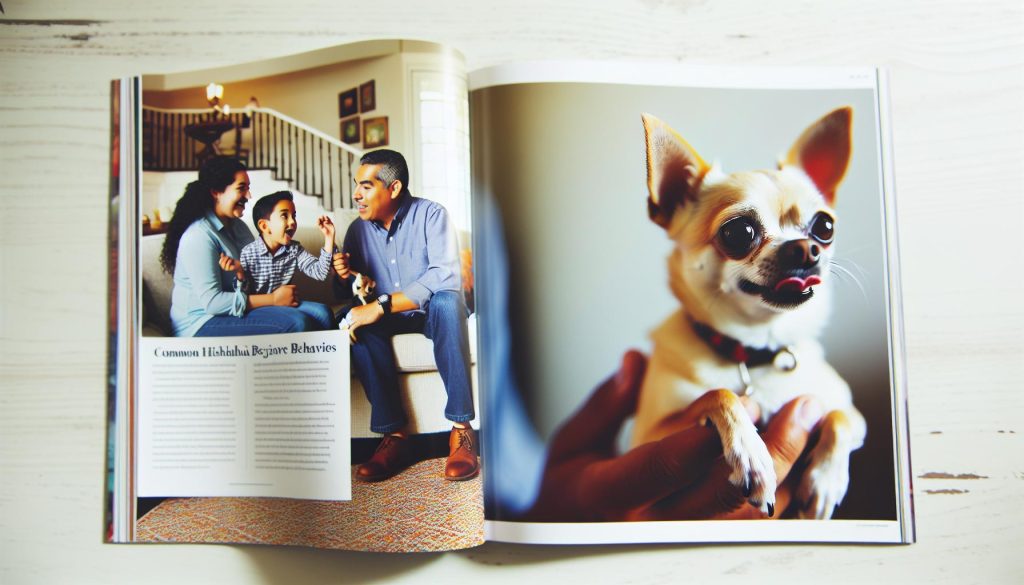
Chihuahuas, those spirited little companions, often puzzle their owners with their unique behaviors. Understanding why your Chihuahua barks at shadows or insists on being the center of attention is key to deepening your bond. These tiny dogs boast big personalities-vocal, affectionate, and fiercely loyal. Whether you’re a first-time owner or a seasoned Chihuahua enthusiast, grasping their common quirks and needs can lead to a happier, healthier life for both of you. In this guide, we’ll break down the most typical behaviors in a straightforward manner, empowering you to respond effectively and nurture your beloved companion’s well-being. Dive in, and let’s explore the delightful world of Chihuahua behaviors together!
Understanding Chihuahua Behavior: The Basics
Chihuahuas are not just tiny dogs; they embody a vast range of personalities, emotions, and quirks that both entertain and challenge their owners. Understanding the basics of Chihuahua behavior is crucial for providing the best care and nurturing a loving relationship. From their boldness to their vocal nature, every Chihuahua showcases unique traits that are part of their charm. These tiny companions often exhibit larger-than-life personalities, making them both captivating and sometimes perplexing.
One of the most defining characteristics of Chihuahuas is their loyalty. They tend to form strong bonds with their humans and often display affection through behaviors such as following you from room to room, cuddling, or even sitting on your lap. On the other hand, their naturally protective instinct can lead to excessive barking, especially if they feel their territory is threatened. It’s essential to recognize that this behavior stems from their deep-seated need to protect their loved ones, rather than malice.
Chihuahuas also have a reputation for being feisty and sometimes stubborn. This tenacity can manifest in various ways, from a refusal to walk when they don’t want to, to expressing their opinions loudly when displeased. Understanding these quirks can lead to better training strategies and a more harmonious household. Daily socialization, combined with consistent training and positive reinforcement, can help manage their spirited nature and encourage confidence in different situations.
Lastly, recognizing the subtleties in their behavior, such as changes in energy levels or social interactions, can reveal much about their health. For example, a sudden shift toward lethargy or aggression might indicate an underlying health issue that requires attention. Being observant and attentive to these signals ensures that you address potential problems early on, maintaining your Chihuahua’s wellbeing and happiness throughout their life.
Common Reasons for Excessive Barking
Chihuahuas are known for their spirited personalities, and their vocal nature is one of their most charming-yet sometimes challenging-traits. Excessive barking can often be a puzzle for Chihuahua owners, but understanding the reasons behind this behavior can help foster a calmer environment for both you and your little companion.
One primary reason for barking is their instinctive protective nature. Chihuahuas are fiercely loyal and tend to see themselves as the guardians of their home. If they sense unfamiliar sounds, sights, or even people nearby, they may start barking to alert you to the potential ‘threat.’ This isn’t just a quirk; it’s a deeply ingrained behavior that stems from their desire to protect their loved ones. For instance, many owners report that their Chihuahuas bark loudly when someone knocks at the door or when a neighbor passes by. Understanding this instinct can help you address the barking in a way that is supportive rather than punitive.
Another common trigger for excessive barking is anxiety or fear. Many Chihuahuas, due to their small size, can feel overwhelmed in new situations or environments. This can lead to barking as a way to express their discomfort. For example, if you’ve recently moved or introduced a new pet into the home, your Chihuahua may react by barking more than usual. To help manage this, ensure your dog has a safe, quiet space to retreat to when feeling anxious, and gradually expose them to new experiences in a controlled manner.
### How to Manage Excessive Barking
Here are a few practical tips to help manage your Chihuahua’s barking:
- Positive Reinforcement: Reward your Chihuahua when they are quiet. Use treats or praise to reinforce calm behavior.
- Training Commands: Teach commands like “quiet” or “enough.” Practice these commands during times when they are prone to barking, such as when someone comes to the door.
- Provide Enrichment: Engage your Chihuahua in regular play and mental stimulation. A tired pup is often a quieter pup!
- Socialization: Gradually expose your Chihuahua to new people, pets, and environments to help reduce anxiety over time.
Remember, your Chihuahua’s barking is a form of communication. By understanding the reasons behind this behavior and addressing the underlying issues with compassion and patience, you can build a more enjoyable relationship with your vocal little companion. Embrace their quirks, and with the right approaches, you’ll often find that their barking can be managed mindfully, transforming it from a challenge into a better understanding of their unique personality.
Why Your Chihuahua Displays Fear or Anxiety
Chihuahuas, with their bright eyes and bold personalities, are often seen as little bundles of joy, but their dainty size can lead to moments of fear and anxiety. It’s important to understand that these feelings can stem from various sources, as your tiny companion navigates a world that sometimes feels much larger and more intimidating than they are. For many Chihuahuas, each new experience-from a loud noise to strange people-can trigger an anxious response that may manifest as cowering, excessive barking, or even hiding.
One major contributor to fear and anxiety in Chihuahuas is their sensitivity to their surroundings. Their keen hearing can pick up sounds that we humans might not even notice, causing them to react with worry or fear. This is particularly common in the case of thunderstorms, fireworks, or bustling environments where unfamiliar scents and sounds abound. For example, a Chihuahua may tremble or attempt to hide under the bed during a loud party, overwhelmed by the influx of new stimuli. Understanding this trait allows owners to create a more comforting environment that minimizes these triggers.
To help your Chihuahua feel more secure, creating a safe haven is crucial. A cozy bed in a quiet corner can serve as their retreat when they feel stressed. Additionally, engaging in gradual desensitization training can ease their fears. This involves slowly introducing your Chihuahua to new experiences in a controlled manner, rewarding them with treats and praise for calm behavior. It’s about building their confidence, so every positive experience lays the groundwork for a more well-adjusted pup.
Another effective technique to reduce anxiety is through increased socialization. Regular, positive interactions with other dogs and people can help your Chihuahua learn that the world isn’t as threatening as it may seem. Start with short, positive sessions, and be sure to monitor your dog’s comfort level. Over time, as they learn to trust and adapt, their confidence will grow, leading to a happier, more relaxed Chihuahua.
By being attuned to your Chihuahua’s emotional state and providing them with the support they need, you can navigate their fears together, fostering a profound bond built on trust and understanding. Celebrate their bold spirit, but also recognize when they need a little extra reassurance; this balance is key to a happy, healthy life for your furry friend.
Signs of Affection: How Chihuahuas Show Love
Chihuahuas may be small in stature, but their capacity for love is immense! These little companions express their affection in unique and delightful ways that are unmistakable to those who know what to look for. From their endearing antics to the warmth of their cuddles, Chihuahuas have a special flair for showing love that can melt any heart.
One of the clearest indicators of affection in Chihuahuas is their tendency to follow you closely. If your Chihuahua is glued to your side, whether you’re in the kitchen or moving to the living room, it’s a sure sign that they want to be near you. This loyalty can be attributed to their instinct as pack animals-they thrive on close bonds with their humans. When they snuggle up next to you, often choosing the warmest spot, they are seeking comfort and connection. Their little sighs of contentment as they curl up reflect how safe and loved they feel with you.
Another affectionate gesture many Chihuahuas exhibit is playful behavior. When your furry friend brings you their favorite toy, it’s not just a game-it’s an invitation to share a moment of joy together. They might perform little dances or zoomies around the room, displaying energetic love and enthusiasm for being part of your life. Keep an eye out for playful nips, too; these are often affectionate in nature, though it’s important to redirect them if they get too nippy!
Vocalizations can also be a big part of how your Chihuahua communicates love. While some owners might see excessive barking as a nuisance, many times it’s their way of expressing happiness or excitement. A series of happy barks or even a gentle “yip” when you walk through the door can indicate joy at your presence. Similarly, the soft whines or grunts as they nestle up to you are often signs of affection, signaling their desire to be closer.
Lastly, watch for your Chihuahua giving you gentle kisses. These sweet pecks are one of their ways of bonding, often accompanied by a wagging tail and bright eyes. A Chihuahua showing you their belly is another classic sign-they trust you and want to engage!
Understanding these affectionate behaviors will enhance your relationship with your Chihuahua, deepening the bond you share as you celebrate their unique ways of showing love. Embrace these heartwarming moments, for they reflect the joy that our tiny companions can bring into our lives!
Understanding the Chihuahua’s Playfulness
Chihuahuas are known for their playful spirit, and this trait is one of the many reasons they capture our hearts. Despite their small size, these little dogs have boundless energy and a zest for play that can brighten any day. You’ll often find your Chihuahua exhibiting a playful demeanor, whether it’s dashing around the living room in a flurry of excitement or engaging you with their favorite toy. This playful behavior isn’t just for fun; it plays a crucial role in their overall well-being and strengthens the bond you share.
One common playful behavior in Chihuahuas is their love for games. Many Chihuahuas enjoy fetch, tug-of-war, or chasing laser pointers. If you’ve ever watched your beloved pup zoom around the house chasing after a ball, you know how joyful it can be! When playing, they often perform adorable little spins and quick pivots, showcasing their agility. Remember to keep play sessions varied and interactive to maintain your Chihuahua’s interest. For instance, try rotating toys weekly to keep things fresh and exciting. Engaging with your Chihuahua during playtime not only satisfies their physical needs but also stimulates their mental faculties, keeping them sharp and content.
Another facet of their playfulness is their social nature. Chihuahuas thrive on interaction, not just with their favorite humans but also with other dogs. Incorporating playdates into your Chihuahua’s routine can enhance their social skills and help them feel secure. When they encounter fellow Chihuahuas or friendly dogs, you may witness the charming sight of them play-bowing, engaging in friendly wrestling, or just simply running side by side. This interaction teaches them important lessons about communication and boundaries, vital for preventing unwanted behaviors like aggression.
Finally, it’s essential to recognize that playtime can also provide a platform for teaching your Chihuahua more than just fun tricks. Use these moments to reinforce basic commands like “sit,” “stay,” or “come” while keeping the atmosphere light and enjoyable. Incorporating training into play helps reinforce good behavior and increases your Chihuahua’s obedience in a way that respects their playful nature. After all, a happy and stimulated Chihuahua is a well-behaved one, ready to shower you with love and companionship. Embrace these playful moments; they are an integral part of your Chihuahua’s personality and an invitation to deepen your relationship.
How to Address Aggression in Your Chihuahua
Addressing aggression in your Chihuahua can feel challenging, especially given their bold personality packed into such a tiny frame. These little warriors may exhibit aggressive behaviors like growling, lunging, or even snapping when they feel threatened, scared, or simply over-protective. Understanding the root cause of their aggression is the first step toward helping them feel more secure and relaxed.
Start by identifying potential triggers. Common reasons for aggression include fear of strangers, territorial instincts, or the desire to protect their favorite people and belongings. For example, if he tends to bark fiercely when someone approaches your home, he might be asserting his territory. Observing your Chihuahua’s behavior in various situations can help you pinpoint what sets him off. Keep a journal tracking his reactions during encounters to better understand his patterns.
Once you identify triggers, gradual desensitization is a helpful strategy. Begin by exposing him to the trigger at a safe distance where he feels comfortable. For instance, if he reacts aggressively to other dogs, arrange controlled meet-and-greets with well-behaved, calm dogs to foster positive interactions. Use treats and praise to reinforce calm behavior, gradually reducing the distance as he becomes more at ease. This slow and positive exposure can help him learn that not all encounters are threats.
Consistency in training is crucial. Basic commands like “sit,” “stay,” and “leave it” can keep aggressive behaviors in check. Implementing these commands during heightened situations-like when visitors arrive-can redirect his focus and diffuse tension. Remember to reward him for engaging in calm, non-aggressive behaviors.
Lastly, don’t hesitate to seek professional help if needed. An experienced trainer who understands Chihuahua behavior can provide personalized strategies to address aggression and improve your pup’s social skills. Regular visits to a dog park where he can interact with other dogs under supervision can reinforce appropriate behaviors and offer a safe space for him to learn.
Incorporating these practices into your routine not only promotes good behavior but also nurtures a trusting bond between you and your furry companion. With time, patience, and a bit of creativity, you can help your Chihuahua flourish into a well-adjusted and happy little companion.
Socialization Tips for Your Tiny Companion
To nurture a well-socialized Chihuahua, it’s vital to recognize that these pint-sized pooches, while often tenacious and bold, can exhibit a range of behaviors shaped by their social experiences. Early exposure to various environments, people, and other animals is essential, as it can significantly influence your Chihuahua’s demeanor and comfort level in different situations. Did you know that positive early experiences can prevent future behaviors like fear or aggression? Here’s how you can make effective socialization a part of your Chihuahua’s routine.
Start with controlled introductions. Choose safe, calm environments where your Chihuahua can meet new people and pets. Use puppy socialization classes or dog-friendly parks as great venues for these encounters. Always monitor their interactions closely-Chihuahuas, particularly the apple-head variety, can appear more fragile. Keep introductions brief and positive, gradually increasing the duration as your pup becomes more at ease. Treats and praise are excellent tools for reinforcing good behavior during these meetings.
Be mindful of your Chihuahua’s body language. Signs of anxiety-like trembling, barking, or hiding-should signal that it’s time to retreat and try again later. A positive experience is key; if your Chihuahua feels overwhelmed, it’s important to provide them with a safe space to relax. Use a calm voice, and give them time to adjust when exposing them to new experiences. If your Chihuahua seems more nervous than curious, seeking a quieter environment may help.
As your Chihuahua explores the world, encourage playdates with other dogs but choose ones that share a similar energy level. You may find that a younger, more playful Chihuahua will engage more effectively than an older, larger breed. Look for opportunities to explore various settings together-be it bustling city streets, pet-friendly cafes, or nature trails. Each new adventure can build confidence and reduce anxiety, allowing him to adapt positively to different stimuli.
Remember, consistent and patient interactions will go a long way. Regular socialization sessions not only aid your Chihuahua in forming healthy relationships but also solidify the bond between you two. Engage your Chihuahua in new experiences and monitor their reactions-patience is the name of the game when it comes to socializing your tiny companion. With a thoughtful approach, your Chihuahua can thrive socially, becoming a well-rounded and confident little friend.
Recognizing Health-Related Behavior Changes
When it comes to our beloved Chihuahuas, understanding changes in their behavior can be key to ensuring their well-being. These tiny dogs are often expressive, but sudden shifts in their habits or demeanor may signal underlying health issues. For instance, if your usually energetic Chihuahua begins to display lethargy, it could indicate anything from a simple cold to a more serious condition like heart disease, which is particularly common in this breed. Being attentive to these changes is crucial for their health and happiness.
Chihuahuas are known for their vocal nature. If your furry friend suddenly becomes quieter than usual, it might be worth investigating. A decrease in barking could imply pain or discomfort. For example, if your Chihuahua is avoiding play, not engaging with other pets, or showing reluctance to move, these are potential signs of discomfort or distress. Keep an eye out for any changes in appetite as well-whether they are eating less or drinking more water than normal-which can also point to health problems that require veterinary attention.
Another significant behavior to watch for is changes in bathroom habits. If your Chihuahua is experiencing frequent accidents indoors or demonstrating difficulty while eliminating, it could indicate urinary tract infections or gastrointestinal issues. Additionally, bouts of vomiting or diarrhea are also cause for concern and should prompt a visit to the vet. Remember, these little ones are known for their unique personalities; any behavior that feels out of character could be your dog’s way of communicating that something isn’t quite right.
Ultimately, being a responsible Chihuahua owner means staying attuned to the subtle cues your dog provides. Regular veterinary check-ups, coupled with your keen observations, can help diagnose health concerns early. Making note of any behavior that deviates from the norm, and discussing these with your veterinarian, will help ensure your Chihuahua remains healthy and happy throughout their life. Familiarize yourself with the typical behaviors of your breed, and you’ll be better equipped to recognize when something is off, allowing for prompt intervention and care.
Managing Your Chihuahua’s Energy Levels
Chihuahuas may be small, but they come packed with energy and a vivacious spirit that can surprise even the most seasoned dog owners. These little bundles of joy are known for their zest for life and tendency to be quite active-which is both delightful and sometimes a challenge! Managing their energy levels is essential not only for their physical health but also for their mental well-being. By understanding their needs, you can ensure your Chihuahua remains happy, healthy, and well-adjusted.
Being proactive about your Chihuahua’s exercise needs is crucial. A daily routine that includes a mix of walks, playtime, and mental stimulation will go a long way in managing their energy. Short walks of about 15-30 minutes can be quite sufficient, combined with indoor play. Toys that challenge their intellect, like treat-dispensing puzzles, can keep them occupied while providing mental stimulation. Chihuahuas thrive on interaction, so even a simple game of hide and seek using their favorite toy can help burn off some of that energy.
Another important aspect is to create a safe space for them to play. Chihuahuas love to explore and often have bursts of energy where they want to zoom around. If you have a yard, a small, fenced area where they can run freely is ideal. If not, your living room can serve as a makeshift playground! Just ensure there are no hazards they could bump into. Incorporate soft surfaces for them to jump on, and encourage them to chase balls or their favorite squeaky toys. However, it’s essential to supervise these play sessions, as their tiny size can make them more prone to injuries.
Finally, keeping an eye on their body language will help you gauge if their energy levels are balanced. If your Chihuahua seems restless, barks excessively, or attempts to initiate play more than usual, these could be signs they need more activity. On the other hand, if your usually active Chihuahua becomes lethargic, it could point to health issues that warrant a visit to the vet. Remember, every Chihuahua is unique, so observe what works best for your furry friend and adjust their activities accordingly. With the right balance and support, you’ll both enjoy a fulfilling and enjoyable companionship, all while embracing the spirited personality of your tiny companion.
Why Does My Chihuahua Demand Attention?
Chihuahuas have a charming personality that often comes with one prominent trait: they love to be the center of attention. It’s not uncommon for these tiny canines to demand affection, and their methods can range from sweet to downright persistent. This behavior stems from their innate desire for companionship and their need to be reassured of their importance in your life. Chihuahuas are extremely loyal, and to them, nothing feels quite as comforting as being close to their favorite human.
One reason your Chihuahua may be seeking your attention is simply because they thrive on social interaction. These dogs are known for their bold and vocal nature, often expressing their feelings quite loudly. Whether it’s a little bark or a mischievous nip, they’ll find ways to capture your focus. For instance, if you’re engrossed in a task, don’t be surprised if your Chihuahua jumps into your lap or nudges your hand with their nose-a clear invitation to play or cuddle. If you frequently respond to these demands, your fur friend learns that this behavior gets them the attention they crave, reinforcing their actions.
Tiredness and boredom can also trigger attention-seeking behaviors. Chihuahuas possess high energy levels, and if they don’t have enough physical or mental stimulation, they might resort to demanding your time. Consider integrating more engaging activities into their daily routine-like short walks, puzzle toys, or interactive games. This not only helps meet their exercise needs but can also reduce their urge to seek attention in disruptive ways.
Moreover, health issues can sometimes influence a Chihuahua’s behavior. If your usually sprightly companion suddenly becomes overly clingy or demanding, it may indicate discomfort or stress. Monitoring changes in your Chihuahua’s behavior is crucial; if their antics seem out of character, a visit to the vet could rule out health concerns.
In summary, understanding why your Chihuahua demands attention is key to nurturing a harmonious relationship. Embrace their quirks, provide plenty of love, and maintain an engaging routine, and you’ll foster a wonderfully affectionate bond with your tiny companion.
Training Tips for Obedient Chihuahuas
Training your Chihuahua can be a rewarding adventure. These spirited little dogs are known for their intelligence and willingness to please, but their bold personalities can sometimes make training a challenge. To ensure your small companion grows into a well-behaved member of the family, consider these essential tips.
Start with positive reinforcement. Chihuahuas respond best to kindness and encouragement rather than harsh discipline. Use treats, praise, or playtime as rewards when your Chihuahua follows a command or exhibits good behavior. For example, if she sits on command, immediately reward her with a favorite treat and lots of enthusiastic praise. This approach not only strengthens your bond but also makes learning fun for her.
Consistency is crucial. Establish a routine and stick to it. Use the same commands and signals for specific actions. If you consistently use “sit” for the sitting command, don’t switch to “down” the next day. This consistency helps your Chihuahua understand what you expect and reinforces learning. Consider involving the whole family in training, so everyone uses the same commands and rewards. This unified approach can prevent confusion and help your Chihuahua learn faster.
Short training sessions are more effective. Chihuahuas, while bright, have short attention spans. Aim for sessions lasting about 5-10 minutes and incorporate them into her daily routine-perhaps after walks or playtime. This keeps the training relaxed and enjoyable. You can teach a variety of commands from basic ones like “come” and “stay” to fun tricks such as “spin” or “high five,” which not only stimulates her mind but enhances her confidence.
Lastly, be patient and embrace the quirks that make Chihuahuas unique. Some days, progress might feel slow, but remember that every small victory counts. Celebrate her bold spirit and individuality; it’s part of what makes her special. With time, love, and persistence, you’ll cultivate a well-mannered Chihuahua who not only listens but also radiates the unmistakable charm that draws everyone to her. Embrace the joy of training, and watch as your Chihuahua flourishes into a delightful companion.
Embracing the Quirks of Your Chihuahua
Chihuahuas are a breed defined by their big personalities packed into tiny bodies. Their quirks can be endearing and at times perplexing, often leaving their owners amused and sometimes exasperated. From their bold attitudes to their surprisingly loud barks, these little dogs embody a unique charm that’s hard to resist. Understanding and embracing these delightful oddities not only fosters a deeper bond with your Chihuahua but also enhances the overall experience of having them as your companion.
One of the most noticeable traits of Chihuahuas is their vocal nature. They often use barking to express excitement, fear, or simply to capture your attention. Instead of viewing this behavior as a nuisance, try to engage with them during these moments. For instance, if your Chihuahua barks when someone approaches the door, use it as an opportunity to reward them when they stop barking on command. This recognition helps them feel heard and gives you a chance to teach them desirable behaviors.
Another standout characteristic is their tendency to form strong bonds with their humans, often following them around and seeking comfort in familiar settings. This loyalty can translate into separation anxiety, especially if they feel unsure about their surroundings when left alone. To mitigate this, create a safe space for your Chihuahua where they can feel secure while you’re away. Items like a favorite blanket or a piece of your clothing can help them feel more at ease. Consider setting up a special routine that signals your departure but keeps it low-key so they don’t get anxious anticipating your exit.
Chihuahuas often display their affection in subtle yet profound ways. They might curl up beside you when you’re relaxing, or they could be found following you from room to room. These small gestures are their way of showing love, and it’s crucial to reciprocate with gentle petting or even engaging in playful cranial massages that many Chihuahuas adore. This not only fulfills their need for connection but also reinforces your bond.
Finally, being mindful of their energetic nature is essential. Despite their small stature, Chihuahuas can be quite spirited and require regular playtime. Engaging in short bursts of play, like fetch with a small toy, can effectively manage their energy levels and keep them content. Remember that a tired Chihuahua is often a well-behaved one.
By celebrating these traits and understanding the reasons behind them, you can create a nurturing environment that accommodates your Chihuahua’s unique needs, ultimately leading to a happier and healthier life together.
Q&A
Q: Why does my Chihuahua shake or tremble?
A: Chihuahuas may shake due to a variety of reasons including excitement, anxiety, or cold temperatures. Ensure your dog is warm and comfortable, and if shaking persists, consult a veterinarian to rule out any underlying health issues. Understanding your Chihuahua’s body language can greatly help in addressing this behavior.
Q: What does it mean when my Chihuahua growls?
A: Growling can indicate various emotions including discomfort, fear, or playfulness. Always assess the context; if your Chihuahua is growling during play, it’s likely just being playful. However, if the growl is in response to handling, consider giving them space and consulting a trainer for further guidance.
Q: Why does my Chihuahua bark at everything?
A: Chihuahuas are known for being vocal and may bark at perceived threats or out of boredom. To reduce excessive barking, provide engaging toys and regular exercise. Understanding the triggers for your Chihuahua’s barking can assist in addressing and redirecting this behavior effectively.
Q: How can I tell if my Chihuahua is happy?
A: Signs of a happy Chihuahua include wagging tails, relaxed bodies, and playful behavior. They might seek your attention with playful nudges or cuddles. Regularly engaging with your Chihuahua through playtime or walks can help foster their happiness and strengthen your bond.
Q: Why is my Chihuahua suddenly fearful?
A: Sudden fearfulness in Chihuahuas can stem from trauma, changes in environment, or health issues. Ensure your dog feels secure in their surroundings and consider consulting a vet to address potential health concerns. Gradual desensitization and positive reinforcement can also help reduce anxiety over time.
Q: What do I do if my Chihuahua is aggressive towards other dogs?
A: Addressing aggression requires understanding and patience. Start by socializing your Chihuahua in a controlled environment and using positive reinforcement. Consulting a professional dog trainer can provide tailored techniques to help mitigate aggressive tendencies while ensuring safety for all involved.
Q: Why does my Chihuahua follow me everywhere?
A: Chihuahuas are naturally clingy and loyal companions, often following their owners due to affection or separation anxiety. To manage this, provide independence training, allowing your Chihuahua to feel secure when alone. Consider incorporating toys or treats to engage them during your absence.
Q: How do I know if my Chihuahua is bored?
A: Common signs of boredom in Chihuahuas include excessive barking, chewing, or lethargy. Providing regular mental and physical stimulation through playtime, walks, and puzzle toys can significantly reduce boredom and promote a more contented demeanor. Always strive to balance their energy levels!
Final Thoughts
Thank you for exploring the fascinating world of Chihuahua behavior with us! Understanding your furry friend’s quirks not only strengthens your bond but also enhances their happiness and well-being. Remember, addressing common behaviors-like their bold nature and vocal tendencies-can transform challenges into joyful experiences.
If you’re looking for more insights, check out our articles on “Chihuahua Health Essentials” and “Training Tips for First-Time Chihuahua Owners” for further guidance. Don’t forget to subscribe to our newsletter for the latest tips tailored just for you and your little companion. We love hearing your stories, so share your experiences in the comments below! Together, let’s celebrate the unique personality of your Chihuahua and ensure they thrive in a loving home. Your journey to becoming the best Chihuahua parent starts now!
Get our latest guides, news, and insights highlighted in your Google Search & AI Overviews.