

Chihuahuas often face a wave of negative perceptions, but these tiny dogs are more than what meets the eye. Did you know that despite their bold personalities and vocal nature, Chihuahuas are one of the most loyal companions you can find? Understanding the roots of their bad reputation-often stemming from misunderstandings about their behavior and health-can empower both current and prospective owners. By addressing common misconceptions, we can highlight the affectionate, spirited, and unique traits that make Chihuahuas special. Whether you’re a first-time owner or a seasoned aficionado, this exploration into the stigma surrounding Chihuahuas will provide valuable insights, celebrate their quirks, and ensure you appreciate the true charm of this beloved breed. Let’s dive deeper into why these little companions deserve our love and respect, dispelling myths one bark at a time.
Understanding the Chihuahua’s Unique Personality Traits
Chihuahuas are often misunderstood, largely due to their small size and bold personalities. Despite their tiny stature, Chihuahuas have a presence that can often be mistaken for aggression. What many people fail to realize is that this breed is known for its vivaciousness and loyalty. These spirited little companions can be incredibly vocal, and their barks often reflect their strong personalities-they are not afraid to express their thoughts or defend their territory, regardless of how small they are. This boldness is one trait that can be misinterpreted, leading to the stereotype of Chihuahuas as aggressive.
Understanding a Chihuahua’s unique personality involves recognizing their loyalty and attachment to their owners. Chihuahuas are notorious for developing strong emotional bonds, often forming a deep attachment to one particular person. This devotion can be both heartwarming and challenging, as they may become protective and wary of strangers. An owner might find that their Chihuahua isn’t just a pet; he is a friend and confidant who provides constant companionship. Owners often share stories of how their Chihuahuas will bark at unfamiliar faces or become anxious when away from their favorite humans, illustrating the depth of their loyalty.
To celebrate this breed’s quirks, it’s essential to embrace their uniqueness. Many Chihuahuas exhibit distinct behaviors, such as burrowing under blankets or showcasing a playful side during bursts of energy. For instance, an apple-headed Chihuahua named Bella might thrill her owner with her playful antics, showcasing her affection through cuddles and boisterous play. Such behaviors highlight the loving and comedic nature of Chihuahuas that often gets overlooked in public perception.
In building an interaction with your Chihuahua, consider their need for socialization and mental stimulation. Engaging activities like teaching tricks, participating in interactive games, and socializing with other dogs can not only enhance their confidence but also diminish any potential negative behaviors stemming from anxiety or territorial instincts. By understanding and nurturing their unique traits, you can cultivate a fulfilling and joyful relationship with these remarkable dogs.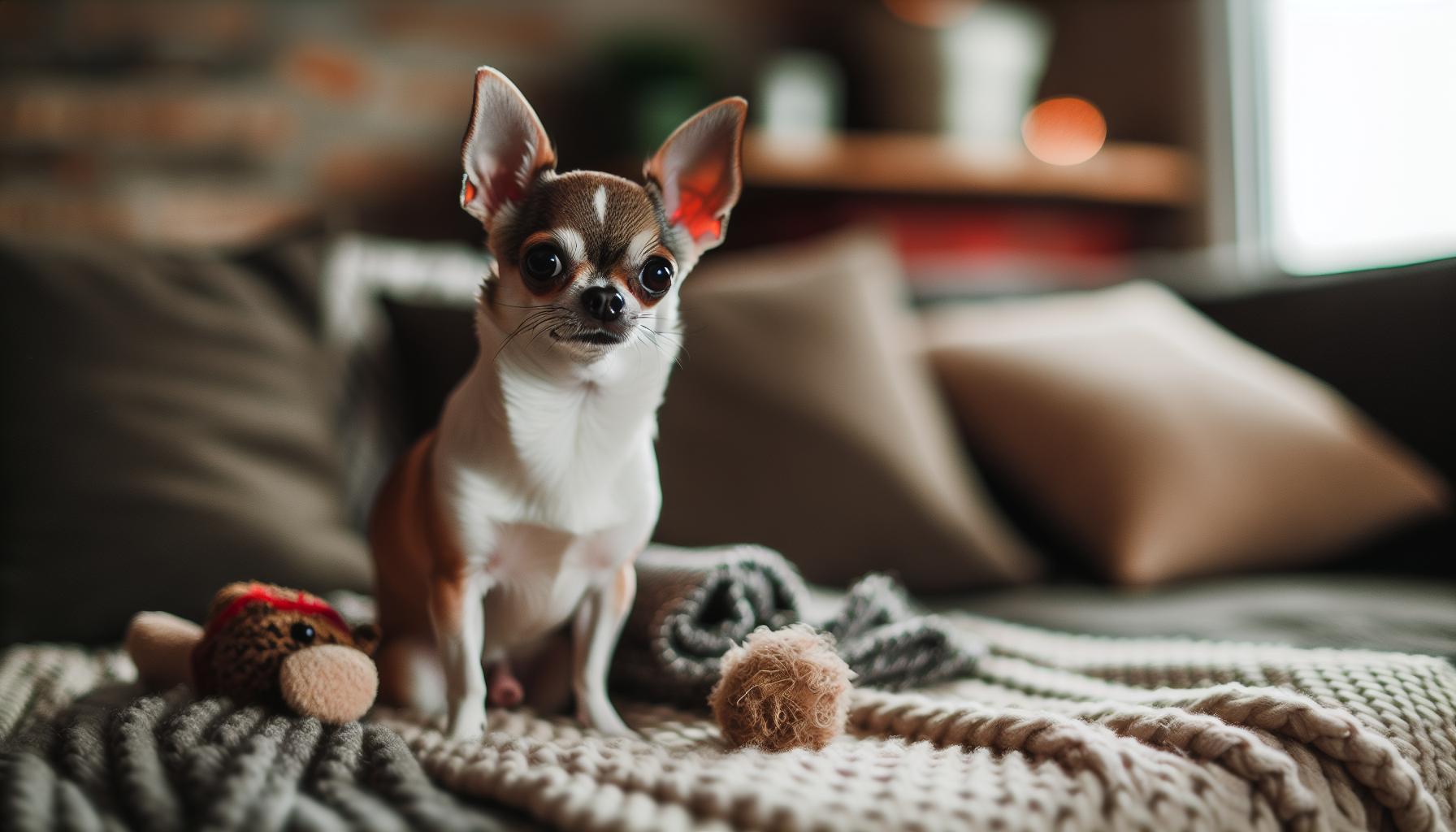
Common Misconceptions About Chihuahuas
Chihuahuas often draw mixed reactions due to a series of widespread misconceptions that perpetuate a negative stigma surrounding the breed. One common belief is that Chihuahuas are inherently aggressive. Many people misconstrue their vocal nature and territorial instincts as signs of aggression when, in fact, these behaviors stem from their protective nature and deep loyalty toward their owners. It’s crucial to understand that a well-socialized Chihuahua can be just as friendly and affectionate as any larger breed, and their “little dog syndrome” is often a reflection of their environment and training rather than their innate temperament.
Another misconception is that Chihuahuas require less care or attention because of their small size. On the contrary, they thrive on interaction, mental stimulation, and exercise. Owners might mistakenly think they can skimp on walks or socialization simply due to their stature. However, regular physical activity and engagement are essential for maintaining a Chihuahua’s health and well-being. Neglecting these aspects can lead to behavioral issues that reinforce negative stereotypes.
Additionally, the idea that Chihuahuas are not suitable for families is another false narrative. Many Chihuahuas form strong bonds with all members of the household, including children, when properly introduced and supervised. They can be playful and gentle family pets, enjoying playful interactions to the delight of kids and adults alike. Ensuring that a Chihuahua receives the care, attention, and training he deserves will dispel these myths and showcase the breed’s true personality. Being proactive in socialization from an early age can help your Chihuahua develop into a well-rounded companion who meshes beautifully into family life.
Ultimately, the key to transforming these misconceptions is education and understanding. By sharing personal stories and positive experiences with Chihuahuas, we can highlight their loyal, loving nature, and celebrate their quirky behaviors-like snuggling under blankets or their delightful little barks. Advocating for the breed through firsthand experiences helps create a more accurate portrayal of Chihuahuas, allowing more people to appreciate the unique charm they bring to our lives.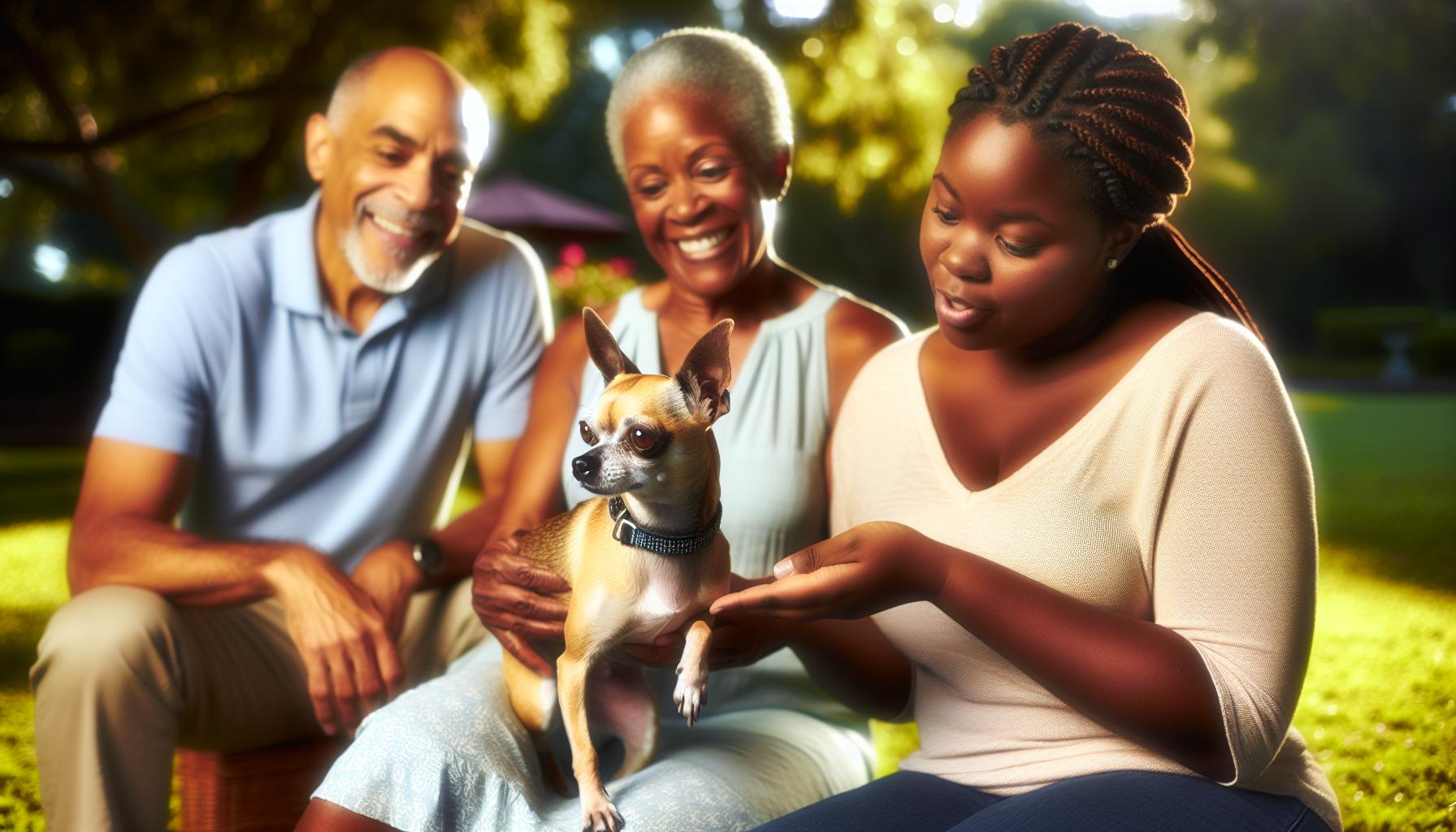
Why Chihuahuas Are Often Misinterpreted as Aggressive
Certain behaviors commonly exhibited by Chihuahuas can lead to misunderstandings about their temperament, often resulting in the breed being unfairly labeled as aggressive. These little companions are known for their vocal nature; they have a strong tendency to bark at perceived intruders or unfamiliar situations. To a casual observer, this persistent barking can seem aggressive, but it’s essential to recognize that it is more an expression of their protective instincts than inherent aggression. Chihuahuas are fiercely loyal and bond deeply with their owners, resulting in a natural inclination to defend their territory.
Many people also overlook the significance of socialization in shaping a Chihuahua’s behavior. A poorly socialized Chihuahua may react negatively to new environments or people, which can be mistaken for aggression. Early socialization plays a vital role in helping them understand acceptable behaviors. For example, introducing them to various situations, people, and other pets can foster confidence and mitigate fearful reactions that might come off as aggressive. Engaging in positive reinforcement training helps guide behavior-rewarding her for calm interactions reinforces her comfort around new experiences.
Chihuahuas often don’t recognize their own size relative to other dogs, which can create challenges. Their bold personalities lead them to stand up for themselves or their owners, regardless of the size of their opponent. Their courageous demeanor, combined with their tenacious bark, can be misinterpreted as a tendency to aggressiveness, especially by those unfamiliar with the breed. For instance, a Chihuahua defending her owner from a larger dog might bark fiercely, but this reaction stems from a genuine protective instinct rather than a desire to engage in a fight.
To counteract these misconceptions, it is essential for Chihuahua owners to share their experiences and educate others about their pets’ true nature. Countless owners celebrate the quirks that make Chihuahuas special-like their quirky little gestures and enthusiastic greetings. Through understanding and compassion, we can help change the narrative that surrounds this remarkable breed and celebrate their loyalty and love as much as their vocal personalities.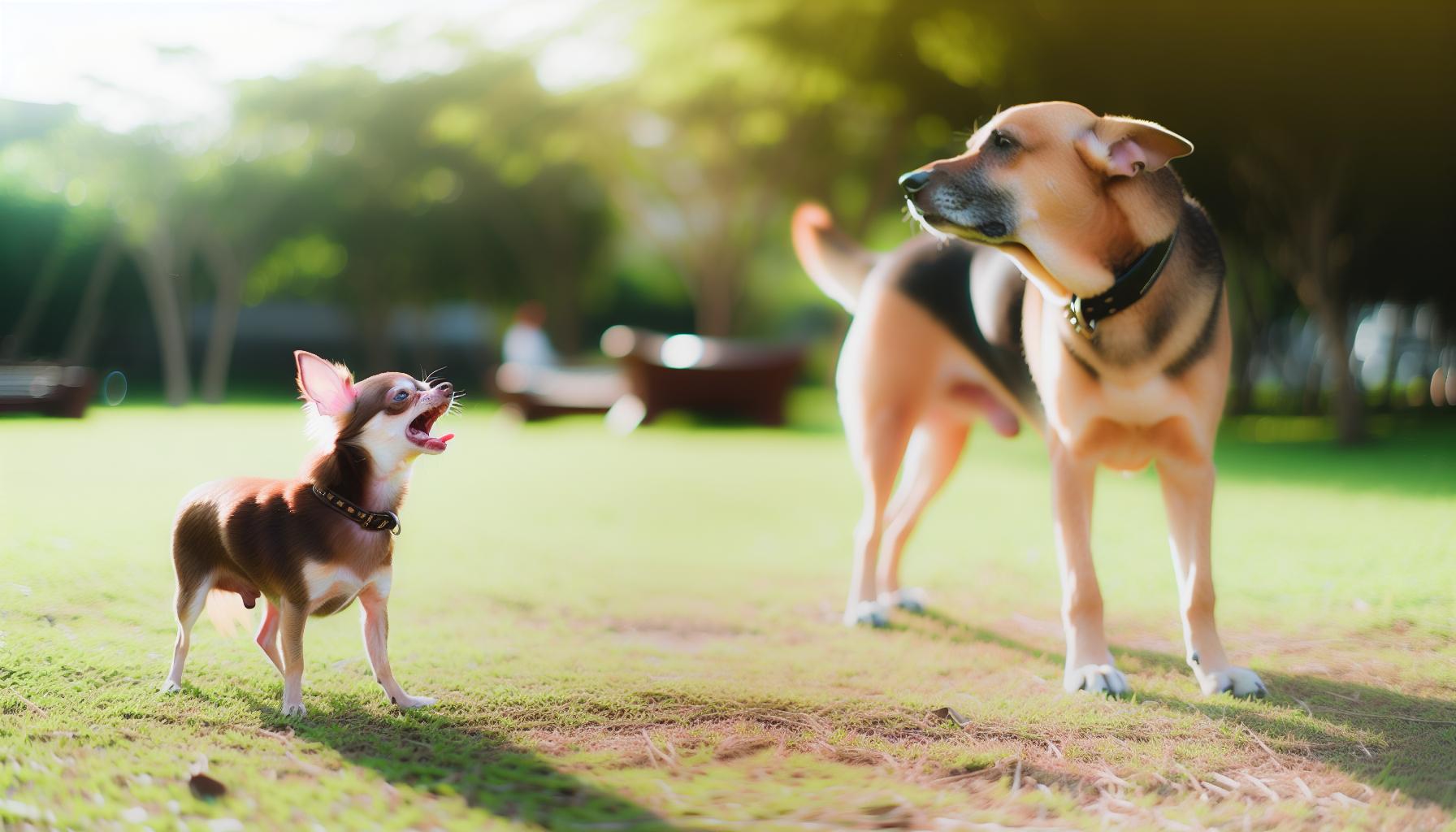
The Impact of Size on Perception: Small But Mighty
Chihuahuas may be small, but their personalities are anything but diminutive. This breed often prompts a variety of perceptions due to its size, and many people can misinterpret their behavior simply because they are little. While a Great Dane might command respect through sheer size, a Chihuahua’s boldness and lively spirit can be easily overlooked. This contradiction is at the heart of why small dogs like Chihuahuas are sometimes unjustly labeled as aggressive or yappy.
Chihuahuas are spirited and make themselves heard. Their barking, often seen as annoying or a sign of aggression, is usually a testament to their fierce loyalty and protective nature. For example, a Chihuahua may bark at a passerby to defend their home, showcasing their instinct to protect rather than an intent to attack. Understanding that this vocalization is a behavior rooted in their personality can help shift the conversation from fear or disdain to appreciation of their spirited nature.
Owners must remember that size does not dictate capability or temperament. Chihuahuas, with their fearless attitude, often confront much larger dogs with unyielding confidence. This boldness is a quirk that endears them to many owners, as these little companions often embody a small-dog mentality that believes they can conquer the world. Encouraging this confidence through positive socialization can help alleviate misunderstandings, allowing the dog to thrive and grow more comfortable in various settings.
Consider the experience of one Chihuahua owner who noticed her dog’s fierce defense of her territory. When a neighbor’s large dog approached, her Chihuahua barked energetically, drawing attention to her bravery. This reaction, rather than stemming from aggression, was a proud demonstration of love and protectiveness. By knowing how to guide their actions and celebrating these unique traits, Chihuahua owners can foster an environment where their pets feel safe and understood, reinforcing the notion that small dogs can have big hearts and even larger personalities.
Emotional Bonding: Why Chihuahuas Are So Loyal
When it comes to loyalty, few breeds rival the fervent devotion of Chihuahuas. This small breed is notoriously known for forming deep emotional bonds with their human companions. Unlike some larger breeds that may exhibit a more subdued attachment, Chihuahuas wear their hearts on their sleeves-often leading others to misinterpret their affections as possessiveness or aggression. It’s crucial, therefore, for both current and potential owners to understand the unique ways in which Chihuahuas express their loyalty and love.
Chihuahuas are not just lapdogs; they thrive on companionship and intimacy. They follow their owners from room to room, seeking not just safety but also a deep emotional connection. An owner once shared how her Chihuahua would refuse to settle down unless he was tucked into her lap, a position he held as his own from which he could keep a watchful eye on her. This dedication is indicative of their nature: Chihuahuas see their humans as part of their pack and are fiercely protective of that bond.
Another aspect of their loyalty is their ability to sense their owner’s emotions. Chihuahuas can pick up on subtle cues-if you’re feeling down, your little companion might snuggle closer or nuzzle you gently, offering comfort in a uniquely loving way. Understanding and recognizing these behaviors is integral in strengthening that bond. Engage in playtime, reinforce positive behavior through treats, and provide plenty of affection and attention; these small gestures significantly enhance the trust between you and your Chihuahua.
Additionally, consistent training and socialization are critical. A well-socialized Chihuahua who feels secure in various environments will be even more loyal and loving. For instance, one Chihuahua owner illustrated how her dog’s confidence blossomed after being exposed to different experiences, which made him more relaxed and affectionate, further solidifying their emotional bond. Ultimately, nurturing these relationships creates a loving environment where Chihuahuas can express their loyalty fully and, in turn, thrive alongside those they cherish.
Caring for Your Chihuahua: Health and Behavior Concerns
Chihuahuas, with their vibrant personalities and undeniable charm, sometimes face a negative stigma that doesn’t reflect their true nature. These tiny companions are packed with quirks that make them uniquely wonderful, but caring for them requires understanding their specific health and behavior needs.
To start with, it’s essential to recognize that Chihuahuas are prone to certain health concerns due to their size and breed characteristics. Issues like patellar luxation, heart problems, and dental disease can be more common in smaller breeds, including Chihuahuas. Regular vet check-ups are vital for early detection and management of these conditions. For example, ensuring proper dental care-such as regular cleanings and providing dental chews-can help mitigate oral health issues, which are often overlooked but can lead to more serious health problems.
Chihuahuas are also sensitive to fluctuating temperatures. Their small size and thin coat make them prone to feeling cold easily, so investing in a snug dog sweater or coat for outdoor walks during colder months can be a game changer. One owner shared how her Chihuahua thrived once she started using a small dog carrier for chilly outings, helping her little friend stay warm and comfortable.
Behaviorally, understanding the Chihuahua’s unique personality is crucial for helping them flourish. This breed is known for being vocal and bold, often exhibiting a larger-than-life attitude. Such behavior can be misinterpreted as aggression, especially by those unfamiliar with the breed. However, these traits stem from their protective instincts and deep loyalty to their families. Providing positive reinforcement training, socialization opportunities, and managing their environment can aid in reducing unwanted territorial barking. For instance, consistent exposure to different people and environments can help a Chihuahua feel at ease in various situations, diluting the misunderstandings others might have about their temperament.
Lastly, Chihuahuas thrive on companionship and affection. Engaging with your Chihuahua through play, cuddling, and gentle interactions fosters a strong bond and enhances their sense of security. Remember, Chihuahuas aren’t just pets-they’re family members that deserve love, attention, and the chance to express their charming quirks without the burden of stigma. By understanding the specific health concerns and behavioral traits of your Chihuahua, you can not only support their well-being but also celebrate the joy they bring into your life.
Debunking Myths: Chihuahuas and Their Social Skills
Chihuahuas are often misunderstood when it comes to their social skills. Many people mistakenly believe that these little dogs are inherently unfriendly or aloof. In reality, Chihuahuas can be incredibly social, forming strong bonds with their families and often demonstrating affection in endearing ways. Their vocal nature, which can be perceived as aggressive or annoying, is often a reflection of their enthusiasm rather than hostility. These tiny companions may bark with excitement or alertness, showcasing their protective instincts toward their loved ones.
To help your Chihuahua thrive socially, exposure is key. Regular interactions with various people, pets, and environments will help her develop confidence. Use careful introductions when socializing your dog with new friends or unfamiliar animals. For example, one owner shared that her Chihuahua became more approachable after attending weekly dog meetups, allowing her to gradually understand how to behave around other dogs and people. Positive experiences will not only reduce your Chihuahua’s apprehension but also enrich her social skills.
When engaging with a Chihuahua, it’s essential to remember her unique personality traits. Chihuahuas are known for their strong sense of loyalty, often choosing one person to form a particularly tight bond. This connection can lead to a strong protective instinct, which might come off as standoffish to outsiders. To nurture a positive image, reinforce gentle behaviors and encourage her to be open to new experiences. Training classes can be a fantastic way to promote social interactions while reinforcing commands, making outings less intimidating and more enjoyable for your little companion.
Ultimately, nurturing a Chihuahua’s social skills is all about patience and understanding. With the right guidance and a commitment to regular, positive experiences, your Chihuahua can demonstrate the vibrant social life that her personality craves. Embrace her quirks, celebrate her boldness, and watch as she surprises you with her social prowess.
Celebrating Chihuahuas: The Quirks That Make Them Special
Chihuahuas are not just tiny dogs; they’re a bundle of personality wrapped in fur, and their quirks make them incredibly special companions. These little canines possess a vibrant energy that can light up any room, often leaving a lasting impression far greater than their size suggests. It’s easy to misunderstand them due to stereotypes, but celebrating their unique traits reveals why they’re so beloved by their owners.
One of the most endearing qualities of Chihuahuas is their remarkable loyalty. Many owners describe their Chihuahua as a shadow, always following them around the house or cuddling up on their lap. This unwavering devotion often means that your little friend won’t hesitate to protect you, which can come across as sassy or overly assertive to outsiders. For instance, a Chihuahua named Bella became famous in her neighborhood for “keeping watch” over her owner, barking at anyone who dared to come too close, showcasing the breed’s fierce but loving nature.
These dogs are also surprisingly vocal. Their barks may be loud, but this is just part of their bold character. Chihuahuas express themselves with yaps of excitement, barks of alertness, and even little growls when they’re being playful. Embracing these vocalizations as expressions of their feelings and personalities is essential. Many owners share stories of their Chihuahuas “talking” back during conversations, adding charm and humor to daily life.
Additionally, Chihuahuas come in various types, with distinct looks and personalities. From the beloved apple-head to the more elongated deer-head, each Chihuahua has its own unique flair. Their wide range of coat colors and patterns, whether smooth-coated or long-haired, further adds to their individuality, giving owners countless opportunities to celebrate their pet’s uniqueness in style. Engaging with these quirks enhances the bond you share and allows you to appreciate them deeply.
In summary, embracing the quirky nature of Chihuahuas is integral to understanding and loving them. Their combination of loyalty, vocal expression, and varied appearances forms the fabric of their personalities and helps debunk the negative stigma often associated with the breed. Their unique traits not only dazzle their owners but also remind everyone that greatness can indeed come in small packages.
Real-Life Experiences: Owners Share Their Love for Chihuahuas
In the world of dog ownership, Chihuahuas often stir strong opinions; some adore them while others perpetuate negative stereotypes. Yet, the shared experiences of their owners illuminate the truth: these pint-sized pups are full of love, character, and unforgettable moments. For instance, Jessica, a proud Chihuahua parent, recounts how her little apple-head, Milo, transformed her lonely days into vibrant adventures. His playful antics, like chasing after his favorite squeaky toy with boundless enthusiasm, bring a smile to her face. Jessica points out that people often overlook the deep emotional connection Chihuahuas can build, attributing more to their size than to the vast love they offer.
Chihuahuas are fiercely loyal companions. Consider Tom and his beloved deer-head Chihuahua, Ruby. He describes how she warms up to visitors with cautious curiosity, often tilting her head as if assessing their intentions. When Tom had a tough day, Ruby would sense his mood and nestle close, providing comfort with her gentle presence. These real-life stories break down the misconception that Chihuahuas are aggressively protective; instead, they reveal a devoted spirit desperate to defend their loved ones from perceived threats.
Moreover, the unique quirks of Chihuahuas often lead to humorous interactions that leave a lasting impression. Maria shares a delightful tale about her long-haired Chihuahua, Coco, who has a penchant for “talking back.” Every morning, as Maria prepares breakfast, Coco makes a chorus of soft yaps, seemingly offering her two cents on what should be served that day. These vocalizations, often mistaken for aggression, reflect a vibrant personality eager to communicate, not hostility.
Creating a supportive environment for Chihuahuas means appreciating their individual personalities. Owners recognize that their love extends beyond training quirks; understanding their needs-like proper socialization and mental stimulation-demonstrates the commitment they possess. As we celebrate these remarkable dogs, it becomes clear that the vibrant love and loyalty of Chihuahuas far outweigh any stigma. Embracing their charming nature lets both owners and dogs thrive together in a bond that’s anything but superficial.
Tips for Integrating Chihuahuas into Family Life
It’s crucial to recognize that integrating Chihuahuas into family life can be a highly rewarding experience, despite the misconceptions surrounding their behavior. Understanding their unique personality traits can help break down the stigma that often unfairly categorizes them as aggressive or unfriendly. Chihuahuas are observant, affectionate, and, above all, deeply loyal companions. Establishing a welcoming and secure environment is essential for helping your tiny friend flourish in a bustling family setting.
Begin by introducing your Chihuahua to family members gradually, allowing them to approach her on her terms. Because Chihuahuas are naturally cautious, it’s important not to force interactions. Encourage gentle petting and soft voices, demonstrating that love and affection are abundant in your household. This gradual approach not only reduces stress for your Chihuahua but also helps family members understand her unique responses to social situations. For example, Sarah found that her apple-head Chihuahua, Bella, flourished once her kids learned to give her space and allow her to engage when she felt comfortable.
Creating a safe space within the home can also greatly benefit your Chihuahua. Designate a cozy corner with a comfortable bed and some familiar toys. This can serve as her retreat when the household becomes overwhelming, offering her a sense of security. Regularly encouraging family members to respect this safe zone fosters an understanding of her needs and reinforces positive behaviors. Additionally, time spent engaging with interactive toys can help channel her energy constructively, building confidence in her surroundings while strengthening her bond with family.
Engaging the whole family in playtime is another wonderful way to build connections and debunk myths about Chihuahuas. Incorporating games that involve gentle fetch or brain teaser toys can be particularly effective. These activities not only provide mental stimulation but also highlight your Chihuahua’s delightful personality and bold spirit. Carlos, who adopted a long-haired Chihuahua named Luna, shared how teaching her new tricks together as a family turned bonding into a joyful routine, effectively shifting his family’s perception of small dogs as fragile.
Ultimately, fostering patience and appreciation for your Chihuahua’s quirks-like her vocalizations or spirited nature-can transform family life and create a harmonious atmosphere. Remember, your Chihuahua may be tiny, but her capacity for love and loyalty is immense. As you create lasting connections based on understanding and respect, the negative stereotypes will easily be dispelled, allowing her vibrant spirit to shine within your family.
Engaging Activities for You and Your Chihuahua
Engaging with your Chihuahua can be one of the most rewarding experiences, especially when you consider their vibrant personalities and unique quirks. These little dynamo dogs thrive on interaction, and finding activities that channel their energy can also serve to debunk some of the negative perceptions about the breed. With their bold nature, Chihuahuas are anything but fragile; in fact, they revel in being active participants in family life.
One great way to bond with your Chihuahua is through interactive play. Consider games like hide and seek, where you can hide treats around the house for your furry friend to find. This stimulates their natural hunting instincts and provides mental exercise. For instance, Mia, a proud owner of a smooth coat Chihuahua named Max, found that when she made treat hunting into a family event, Max became more confident and open to new experiences, leaving behind the anxious behavior triggered by previous negativity.
Physical activities tailored to your Chihuahua’s size can also be engaging and fun. Short walks or light leash training can help expel excess energy while strengthening your bond. Chihuahuas can excel in agility courses set up in your backyard or even indoor obstacle courses using cushions and tunnels. These activities not only improve fitness but also build your dog’s confidence and skills. For example, Jake incorporated a mini agility course for his apple-head Chihuahua, Coco, which helped her express her personality and show off her bravery, transforming her into a little superstar in the neighborhood.
It’s also essential to enrich their lives with mental stimulation through puzzle toys or training sessions. Chihuahuas are intelligent and enjoy learning new tricks, which can also help challenge the stereotype of being just decorative companions. Use positive reinforcement, such as treats or praise, to encourage them. Linda shared that teaching her long-haired Chihuahua, Daisy, new tricks not only provided entertainment but also deepened their emotional connection, allowing Daisy to shine as a clever and affectionate member of the family.
Incorporating these engaging activities into your routine not only improves your Chihuahua’s well-being but also helps shift the negative narrative surrounding this delightful breed. By fostering a dynamic and interactive environment, you highlight their loyalty, bravery, and unique personality, reminding everyone-your Chihuahua is much more than just a small dog; she is a vibrant joy waiting to be celebrated.
Frequently Asked Questions
Q: Why do some people find Chihuahuas annoying?
A: Some people perceive Chihuahuas as annoying due to their vocal tendencies and hyperactive nature. This breed often barks excessively, especially when excited or anxious. Providing adequate training and socialization can help mitigate these behaviors, making Chihuahuas more enjoyable companions. Refer to our section on “Caring for Your Chihuahua” for tips on effective training.
Q: What are common stereotypes about Chihuahuas?
A: Common stereotypes include that Chihuahuas are unfriendly, aggressive, or only suitable for women. These stereotypes often stem from misinterpretations of their behavior. Understanding their unique personalities can help challenge these misconceptions. Insights can be found in “Common Misconceptions About Chihuahuas.”
Q: How can Chihuahuas be good family pets despite their size?
A: Despite their small stature, Chihuahuas can be excellent family pets. They are known for their loyalty and protective instincts, often forming strong bonds with family members. Proper socialization and supervision during interactions with children can ensure a harmonious relationship. Explore our “Tips for Integrating Chihuahuas into Family Life” for specific strategies.
Q: Do Chihuahuas require a lot of exercise?
A: Chihuahuas need regular exercise, but their small size means they don’t require much. Daily walks and playtime in a secure area can keep them physically healthy and mentally stimulated. Engagement is crucial to avoid behavioral issues. For fun activities, see “Engaging Activities for You and Your Chihuahua.”
Q: Are Chihuahuas prone to specific health issues?
A: Yes, Chihuahuas are prone to certain health issues, including dental problems and patellar luxation. Regular veterinary check-ups and a focused diet can help manage these risks. Being proactive about health care is essential for their well-being. For more details, read “Caring for Your Chihuahua.”
Q: Can Chihuahuas live harmoniously with larger dogs?
A: Yes, Chihuahuas can live with larger dogs if properly introduced and supervised. Their vocal nature may cause larger breeds to initially misinterpret their behavior. Ensuring positive experiences during interactions helps build compatibility. More tips can be found in our section on “Debunking Myths: Chihuahuas and Their Social Skills.”
Q: What should new Chihuahua owners know before adopting?
A: New Chihuahua owners should know that this breed thrives on companionship and can experience anxiety when left alone. Training and socialization are critical from an early age to prevent behavioral issues. Check out “Real-Life Experiences: Owners Share Their Love for Chihuahuas” for firsthand insights.
Q: How do Chihuahuas express affection?
A: Chihuahuas express affection through snuggles, wagging tails, and often by following their owners around. They enjoy close physical contact, reinforcing their loyal nature. Understanding these behaviors enhances the bond between the dog and its owner. For deeper insights, refer to “Emotional Bonding: Why Chihuahuas Are So Loyal.”
In Conclusion
Thanks for joining me in debunking the myths surrounding Chihuahuas! Remember, these spirited little companions can be incredibly loyal and loving with the right care. If you’re considering welcoming one into your home, be sure to check out our guides on Chihuahua health and training tips; they can make a world of difference in your experience.
Before you go, share your thoughts in the comments! Have you had any surprising experiences with Chihuahuas? Your story could help others understand their unique charm. Don’t forget to explore our resources on Chihuahua coat care and nutrition-you’ll be amazed at how much more there is to learn about this vibrant breed. Join the community, and let’s celebrate the quirks that make Chihuahuas so special together!
Get our latest guides, news, and insights highlighted in your Google Search & AI Overviews.