

Did you know that Chihuahuas can be some of the most vocal dogs despite their tiny size? If you’ve ever wondered why your little companion growls more than other breeds, you’re not alone. Understanding the reasons behind this behavior is essential for both new and seasoned Chihuahua owners. From expressing excitement to warning off perceived threats, their vocalizations are packed with meaning. By decoding these growls, you can strengthen your bond with your furry friend and provide them with the care they need. Join us as we explore the fascinating world of Chihuahua vocalizations, and discover how to interpret what your brave little guardian is trying to say!
Why Do Chihuahuas Growl? Unpacking Their Unique Vocalizations
Chihuahuas are renowned for their big personalities, and their vocalizations are a fascinating part of their charm. If you’ve ever wondered why your tiny companion growls, you’re not alone. This breed has a strong propensity for expressing themselves vocally, and understanding the nuances of their growls can enhance your bond and improve your communication with them. Growling among Chihuahuas might be instinctive, reflecting their bold and often fearless nature, but there are specific reasons behind this vocal behavior that every owner should recognize.
A Chihuahua’s growl can serve multiple functions, ranging from a warning sign to playful banter. These little dogs are territorial and can feel threatened by unfamiliar sights or sounds. When they growl, it can be a protective response, letting others know they’ve perceived a potential danger. Alternatively, your Chihuahua might growl during playtime, which often signals excitement rather than aggression. Recognizing these different contexts is crucial for any owner. For instance, if your Chihuahua growls when a new person enters your home, it might be a sign of caution rather than aggression.
Chihuahua vocalizations can also reflect their emotions, influenced by their personality and environment. Some Chihuahuas may growl more than others depending on their temperament and past experiences. For example, a Chihuahua that has been socialized well may be less inclined to growl out of fear compared to one that has had limited interaction with new people or pets. Observing your dog’s body language while they growl can provide additional insights. If their tail is wagging and they’re playful, it’s likely a friendly growl, but a stiff body and raised hackles may indicate a more defensive stance.
To foster a positive environment and minimize unwanted growling, it’s essential to engage in training, focusing on satisfying their need for security and attention. Socialization from an early age can help reduce fear-based growling. Introducing your Chihuahua to new experiences, people, and other dogs can make them more comfortable and less prone to growling out of fear or anxiety. By understanding the complexities of your Chihuahua’s vocalizations, you can not only improve their interactions but also enjoy the vibrant personality that makes Chihuahuas such delightful companions.
Understanding Chihuahua Vocalization: What Do Growls Mean?
Chihuahuas, with their feisty personalities and distinctive vocalizations, express a wide range of emotions through their growls. This bold breed often vocalizes to communicate their feelings or reactions to their environment. Understanding what these growls mean can deepen your bond with your little companion and help you respond appropriately to their needs.
Growling can serve various purposes for Chihuahuas. At its core, a growl might signal discomfort or a protective instinct, especially in response to perceived threats. For example, if your Chihuahua growls when a stranger approaches, it could be a warning, indicating that they feel their territory is being encroached upon. Alternatively, your furry friend might adopt a playful growl during a lively game of tug-of-war, demonstrating excitement instead of aggression. Recognizing the context of the growl is crucial; for instance, if your Chihuahua is jumping around and wagging their tail, their growl is likely playful, whereas a tense stance coupled with a growl suggests fear or defensiveness.
The emotional spectrum of your Chihuahua influences their vocalizations. Factors such as breed traits, early socialization, and individual experiences shape how frequently your Chihuahua may growl. For instance, a well-socialized Chihuahua who is used to meeting new people might growl less frequently than a shy or anxious one. Paying attention to your dog’s body language while they vocalize helps clarify their intent: relaxed ears and a wagging tail reflect happiness, while stiff body posture and raised hackles indicate readiness to defend.
To foster a harmonious relationship, it’s vital to address unwanted growling through training and socialization. Encourage positive interactions with new people and pets to build your Chihuahua’s confidence. This proactive approach will help reduce fear-based growling, allowing you both to enjoy all the joys of life together. Understanding the nuances of your Chihuahua’s growls enriches your communication and ensures your bond remains strong-celebrating all the quirks that make Chihuahuas such delightful companions.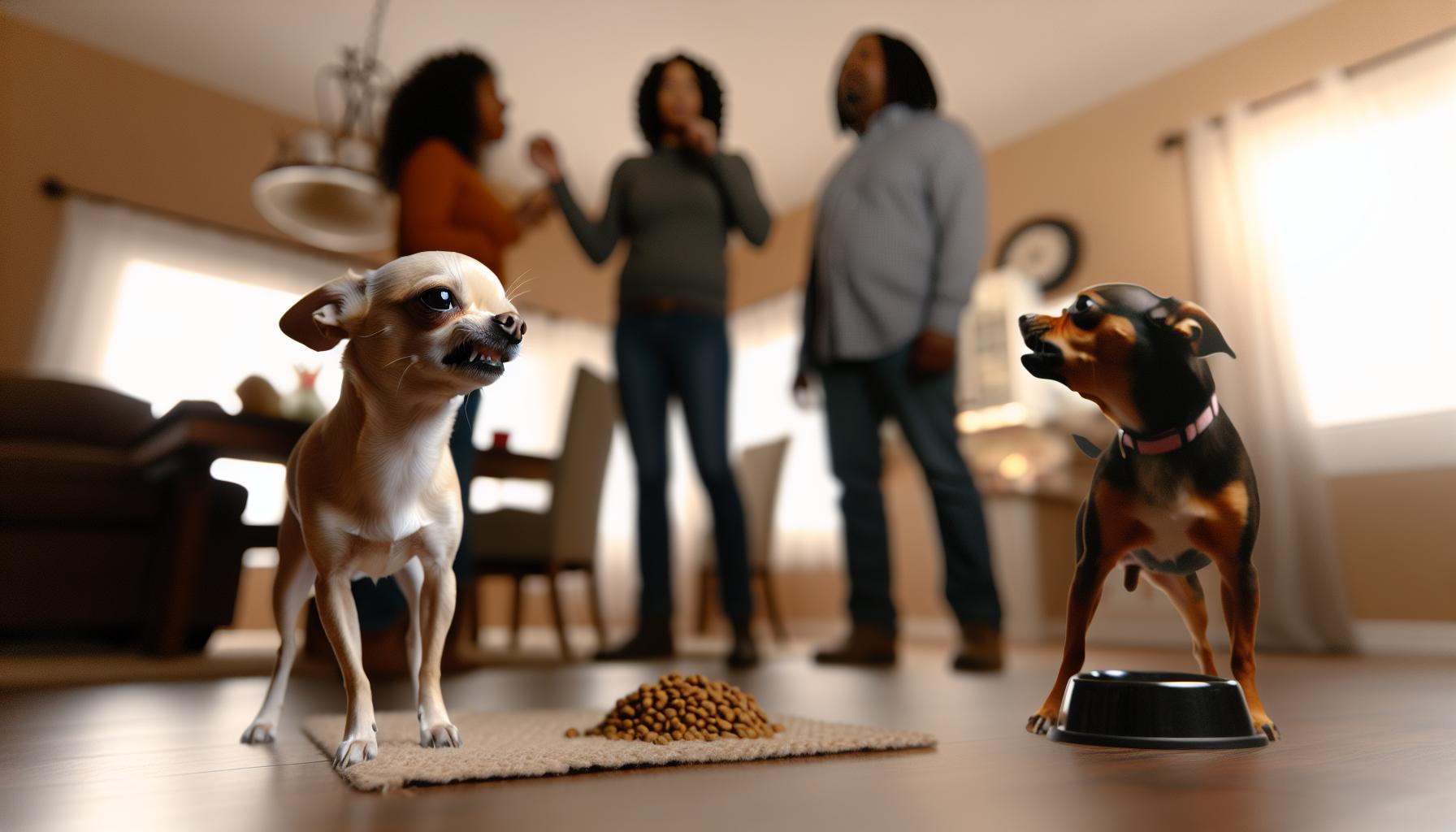
Common Reasons Chihuahuas Growl: Fear, Protection, and More
Chihuahuas are known for their bold personalities, and their growls often reflect a complex mix of emotions and intentions. Understanding why your furry friend growls can help strengthen your bond and enhance your communication. This vocalization can arise from different situations, and it’s essential to recognize the underlying causes.
One common reason your Chihuahua might growl is fear. This small breed often feels threatened due to their size, making them vocalize defensively in response to larger dogs, unfamiliar people, or sudden movements. For instance, if a new guest enters your home and your Chihuahua growls, it could indicate anxiety or discomfort with the unfamiliar presence. It’s vital to reassure them in these situations, perhaps by holding them close or allowing them to retreat to a safe space.
Another reason for growling is protection. Chihuahuas are fiercely loyal and may see it as their duty to guard you and your home. If they growl while a stranger approaches or during interactions with other pets, they might be signaling potential danger or claiming their territory. This instinctual behavior can be especially pronounced in apple-headed Chihuahuas, who tend to be particularly vigilant. Owners can help mitigate this protective behavior through confidence-building training exercises that expose their Chihuahuas to various scenarios in a controlled way.
Additionally, playfulness can sometimes be mistaken for aggression. During playtime, your Chihuahua may growl as a form of excitement, like when they are happily tugging at a toy or engaging in a game of chase. For example, if your Chihuahua is wagging his tail and jumping around while growling, it’s likely he is just having fun. However, distinguishing between playful and agitated growls is crucial. Observing their entire body language-tail position, ear orientation, and overall demeanor-can provide significant clues about their emotional state.
By being attentive to these behaviors and situations, you can gain insight into your Chihuahua’s feelings and intentions, ensuring a smoother interaction between you and your spirited little companion. Creating a nurturing environment where your Chihuahua feels safe will not only minimize unwanted growling but also deepen your relationship, allowing you both to enjoy each other’s company to the fullest.
When Growling is a Warning: Recognizing Aggressive Signals
When your Chihuahua growls, it can be a moment of confusion, particularly if you’re new to the breed’s vocalizations. Chihuahuas are wonderfully expressive, but their small size often leads them to feel vulnerable in various situations. Recognizing when growling shifts from playful to a warning can be essential in managing your furry friend’s behavior and ensuring the safety of both your pet and those around them.
While growling may sometimes signal fear or excitement, it can also be a clear indication of aggression. Pay attention to the context: if your Chihuahua is barking and growling while standing their ground, this might signify that they feel threatened or are protecting their territory. For example, if your Chihuahua growls at a larger dog during a walk, it’s likely expressing a need to assert its presence. In these cases, understanding the nuances of your dog’s body language is crucial. Look for signs such as a stiff body posture, raised hackles, or a fixed stare-these often accompany defensive growling and indicate that your Chihuahua is on high alert.
Another crucial determinant is the situation. If your Chihuahua growls when someone approaches you or intrudes into their space, they might be feeling the need to protect their person. Owners should be vigilant in these scenarios to prevent escalation into aggression. The best response is to calmly redirect your Chihuahua’s attention, perhaps with a favorite toy or treat, and create a comfortable distance from the perceived threat. This can help diffuse the situation before it escalates, allowing both you and your dog to feel more secure.
Always remember that Chihuahuas, especially apple-headed ones, can display protective tendencies more fervently than other breeds due to their loyal nature. By understanding the language of their growl, you can create an environment where your little guardian feels secure and understood while also keeping interactions with others safe and pleasant. If you’re uncertain about your Chihuahua’s signals, consider consulting a professional trainer who specializes in small breeds, as they can provide tailored strategies for fostering positive behaviors.
Playful vs. Aggressive Growling: How to Tell the Difference
When your Chihuahua starts to growl, it’s crucial to decipher whether this vocalization stems from playfulness or aggression. Understanding this difference can create a safer and more enjoyable environment for both you and your furry companion. Chihuahuas, with their big personalities and tiny frames, exhibit a wide range of growling behaviors, each conveying a nuanced message.
Playful growling often accompanies an enthusiastic wag of the tail, and the overall body posture will appear relaxed. Imagine your charismatic apple-head Chihuahua engaging in a spirited game of tug-of-war – they’re likely growling in excitement, not hostility. Their cheeks may be slightly puffed, and they might dart around joyfully, inviting you to join in the fun. If your little buddy is rolling onto their back, this is a classic sign of playfulness, even if it comes with some enthusiastic growls!
In contrast, aggressive growling carries a more stiff demeanor. During these moments, you might notice a tense body posture, raised hackles, and a direct stare. For instance, if your Chihuahua confronts a stranger or another dog in the park, their growling may signal a protective instinct. This type of growl is typically deeper and more sustained, embodying a warning that your little guardian feels threatened by the intrusion. Always pay attention to these physical clues, as they’re key to experiencing the full communication of your Chihuahua.
Taking note of the context is equally important. If you’re playing with a toy and your Chihuahua growls while attempting to grab it, it’s likely all in good fun. However, if that same growl occurs when someone approaches you during a walk, your Chihuahua may be trying to assert their presence. Understanding these scenarios enables you to respond appropriately, whether by redirecting with play or reassuring your pup that all is well.
Ultimately, building a rapport with your Chihuahua means recognizing the spectrum of their vocalizations. Use positive reinforcement when they exhibit playful growling, and ensure they feel secure in situations that might provoke aggression. The more attuned you become to their behavior, the richer your relationship will be, allowing your bold little companion to thrive in a loving, understanding home.
Chihuahua Communication: Beyond Growling – Other Vocalizations
When it comes to vocalizations, Chihuahuas are impressively expressive dogs, using a range of sounds beyond just growling. Each bark, whine, or yip carries its own significance, reflecting their feelings and surroundings. Understanding these vocalizations can deepen your bond and enhance your ability to meet your furry friend’s needs.
Chihuahuas are known for their little yips and barks, often serving as a form of alertness or excitement. For instance, a short, sharp bark may mean they’ve spotted a squirrel outside or are simply eager for a walk. Meanwhile, a series of rapid barks may indicate joy or a desire for attention. During playtime, expect joyous yips as they engage in their favorite games, showcasing their spirited nature. Engaging with your Chihuahua when they vocalize can reinforce their communication style and strengthen your connection.
Another common vocalization is whining, which can be indicative of various emotions. If your Chihuahua is whining while pawing at you, they might be seeking comfort or expressing boredom. The key is to pay attention to the context: is it close to meal time? Perhaps they’re excited for their next snack! Additionally, whining can sometimes signal anxiety-if your Chihuahua is left alone for extended periods, for example. To help reduce this stress, consider providing them with toys that challenge their minds or cozy spaces where they can feel secure.
Understanding your Chihuahua’s body language is equally critical in interpreting their vocalizations. For example, if your Chihuahua emits a soft whine or yip while lying down with a relaxed posture, it’s likely a sign of contentment. Conversely, if they’re vocalizing while standing tall with raised ears and a stiff tail, it might suggest they’re alerting you to something they perceive as a threat or simply being curious. Always look for these visual cues to get the complete picture of what your little companion is trying to communicate.
By learning the different sounds and the meanings behind them, you empower yourself to respond to your Chihuahua’s needs effectively. Whether it’s a bark signaling excitement, a yip inviting play, or a whine asking for attention, embracing this vibrant vocalization spectrum can create a happier, more communicative environment for both you and your tiny, spirited friend.
Training Your Chihuahua to Minimize Unwanted Growling
To help your Chihuahua minimize unwanted growling, it’s essential to understand that this behavior often stems from anxiety, fear, or a desire to assert their territory. Chihuahuas, despite their tiny stature, are known for their big personalities and vocal tendencies. This can sometimes escalate into unnecessary growling, especially in unfamiliar situations or when they feel threatened.
One effective approach is to create positive experiences around the situations that trigger growling. For instance, if your Chihuahua growls when meeting new people, gradually desensitize him by introducing him to calm and friendly individuals in a controlled environment. Use treats and praise to reinforce calm behavior during these introductions. This positive reinforcement can help him associate new experiences with goodness rather than fear.
Another important aspect is to establish clear commands and boundaries. Teaching commands such as “quiet” or “enough” can redirect his attention and disrupt the growling behavior effectively. Pair these commands with a firm but gentle tone, and be consistent. Whenever he stops growling on cue, reward him immediately to reinforce that behavior. Chihuahuas are intelligent dogs that thrive on mental stimulation, so incorporating training into play sessions can make learning fun and engaging for him.
Socialization is key to a well-adapted Chihuahua. Regularly exposing him to various environments, people, and other pets can reduce the likelihood of growling due to fear or insecurity. Aim for positive interactions by creating a safe space for him during these socialization attempts-such as carrying him in your arms if he’s nervous. Remember, each Chihuahua is unique. Adjust your approach based on his specific reactions and needs, and don’t hesitate to consult a professional trainer if necessary. With patience and the right techniques, you can guide your Chihuahua toward better vocal habits, enhancing both his well-being and your relationship.
Socialization Tips for Reducing Growling in Chihuahuas
While Chihuahuas may be small in stature, their vocalizations often command attention. These spirited little dogs can growl for various reasons, primarily related to fear or insecurity. The key to minimizing this behavior lies in effective socialization. By introducing your Chihuahua to different environments, people, and situations at a young age, you can help him build confidence and reduce the likelihood of growling.
Start by gradually exposing your Chihuahua to calm and friendly individuals. If he seems anxious, you might consider keeping him in your arms initially, ensuring he feels secure as he encounters new faces. Positive experiences are crucial-rewarding him with treats or praise when he remains calm builds an association with new experiences as safe and enjoyable.
Group classes or puppy playdates offer fantastic opportunities for socialization. These settings allow him to interact with various dogs and people under controlled conditions. Always monitor his body language; if he appears uncomfortable, don’t hesitate to step in. Create a safe space for him during social outings. He might appreciate having a cozy spot or an escape route to retreat to if the situation feels overwhelming.
Remember, each Chihuahua has a unique temperament. Pay attention to what makes your companion tick. If he reacts negatively in certain scenarios, adjust accordingly, and introduce exposure over time. The bond you build through these experiences not only lessens growling but also fosters trust and confidence between you and your pup, making every outing a positive adventure.
The Role of Body Language in Chihuahua Vocalization
While it’s easy to focus solely on the sounds our Chihuahuas make, understanding their body language is equally essential in interpreting those vocalizations. Chihuahuas are full of personality, and their small size often leads them to express themselves vividly through both growls and their physical demeanor. For instance, when a Chihuahua is feeling threatened, you might notice a low growl accompanied by a stiff body posture. Understanding these subtle signals can help us respond appropriately and reduce anxiety for our little companions.
When observing your Chihuahua, pay attention to their tail position and ear orientation. A tail held high and wagging might indicate excitement or happiness, whereas a lowered or stiff tail could signal discomfort or defensiveness. Ears perked up and forward can mean they are alert and engaged, while ears pinned back often indicate fear or aggression. Recognizing these signs allows us to gauge the context of a growl better – is your pup feeling protective, scared, or just trying to initiate play?
Chihuahuas also rely on their facial expressions as part of their communication toolkit. A relaxed, open mouth and soft eyes typically mean your little friend is feeling at ease. In contrast, an open mouth with bared teeth or tense eyes suggests a warning that should be taken seriously. By combining vocalizations like growling with these physical cues, you can get a clearer picture of how your Chihuahua is feeling and what they might be trying to communicate.
For example, if your Chihuahua growls during an interaction with a new person but exhibits soft eyes and a wagging tail, it might just be nervous excitement rather than aggression. Conversely, if the growl is coupled with a stiff body and raised hackles, it may indicate a genuine threat response. By developing an understanding of these nuances, you can help your Chihuahua feel more secure in their environment and foster better communication between the two of you.
Understanding the Chihuahua Temperament: What Influences Growling?
Chihuahuas are a breed renowned for their big personalities, and their vocalizations-especially growling-are a significant part of how they express themselves. Understanding the temperament of this tiny dog can shed light on why they growl. Chihuahuas, often described as bold and protective, can be quick to vocalize their feelings, and their growl can serve a multitude of purposes. It is not just a response to threat; it can also be a byproduct of excitement or anxiety, reflecting the complex emotional landscape of your little friend.
Several factors can influence a Chihuahua’s tendency to growl. First and foremost, socialization plays a crucial role. Chihuahuas that have been well-socialized from a young age are typically more confident and less likely to perceive strangers or new experiences as threats. If your Chihuahua is exposed to different environments, people, and other animals early on, they may develop a more well-balanced demeanor. For instance, a Chihuahua raised in a lively household with visitors often will be more relaxed around new people than one used to a quieter environment.
Additionally, breed temperament significantly affects vocalization behaviors. Many Chihuahuas possess a strong instinct to protect their territory and family, which means they may growl as a warning to perceived intruders. This protective nature often leads them to take on an oversized role in the household dynamic, barking or growling to assert their presence. You might notice this if your furry friend growls at delivery personnel or unfamiliar faces while safely behind the door. Their strong sense of loyalty and guardianship is admirable but can lead to excessive growling if left unchecked.
Consider also the context in which growling occurs. If your Chihuahua growls while playing with you, it might indicate excitement rather than aggression-especially if accompanied by a wagging tail and playful posture. On the other hand, a low, guttural growl paired with a stiff body could signal discomfort or fear. Paying close attention to these nuances will help you respond appropriately to your Chihuahua’s vocal signals.
Lastly, the health and wellness of your Chihuahua can influence their behavior. Pain or discomfort can lead to increased irritability, resulting in growling when they are approached or handled. Regular veterinary check-ups and monitoring any changes in behavior are essential to ensure that growling is not a sign of underlying health issues.
Understanding these aspects of Chihuahua temperament can greatly enhance your relationship with your little one. Emphasizing socialization, paying attention to context, and being aware of your dog’s health will help you decipher their vocalizations better and respond in a way that reassures and comforts them. Every growl tells a story; it’s our job as devoted owners to listen.
Expert Insights: Veterinarian Perspectives on Chihuahua Behavior
Chihuahuas are often described as the little dogs with big attitudes, and their vocalizations, especially growling, can tell us a lot about their feelings and needs. Veterinarians note that vocalizations in Chihuahuas are not simply a reaction to external stimuli but rather an integral part of their communication style. Understanding these vocal cues is crucial for caregivers aiming to respond effectively to their tiny companions.
Veterinarians highlight that growling can serve multiple purposes, often depending on the context. For example, many Chihuahuas growl when they’re playing or feeling excited. This playful growl differs significantly from a growl that communicates discomfort or fear. Dr. Lisa, a veterinarian specializing in small breeds, emphasizes paying close attention to your Chihuahua’s body language. “If they’re wagging their tail and bouncing around, it’s likely playful. But if their body is tense and they’re hackled, that’s a clear signal something is off,” she explains. Understanding these distinctions can prevent confusion and promote healthier interactions.
Another critical factor influencing growling is the Chihuahua’s health. It’s essential to recognize when growling might indicate pain or discomfort. For instance, an owner named Jamie shared how her Chihuahua, Bella, began to growl when approached after a recent dental procedure. Jamie noted the growl seemed protective and anxious, rather than aggressive. Consulting a vet confirmed that Bella had been hurting, illustrating how sometimes, vocalizations serve as alerts for underlying health issues. Regular veterinary check-ups are vital to ensure that growling isn’t a symptom of something more serious.
Lastly, veterinarians stress the importance of early socialization in mitigating excessive or inappropriate growling. Exposure to various situations, people, and pets can help shape a Chihuahua’s temperament. A well-socialized Chihuahua is generally more confident and less likely to perceive harmless encounters as threats. Dr. Emily, who works with new Chihuahua owners, suggests, “Introduce them to different environments gradually while ensuring positive experiences. This helps them feel secure and understand their world better.”
By embracing the quirks of our Chihuahuas and understanding their vocalizations, owners can foster a deeper bond with their little guardians, ultimately leading to a more harmonious home environment. It’s all about listening and responding to their unique “language.”
Caring for Your Vocal Chihuahua: Tips for Happy Owners
Caring for a Chihuahua with a vocal personality is as much about understanding their unique way of communicating as it is about providing the basic needs every dog requires. These spirited little dogs, known for their big personalities, often use growling to express themselves, whether it’s out of excitement, discomfort, or even just for fun. Recognizing the context behind their vocalizations is crucial for ensuring a happy and healthy life together.
To foster a positive environment, start by honing in on your Chihuahua’s body language. For instance, when your furry friend growls while playing, observe if there’s a wagging tail or a playful bounce. These indications can mean they’re just having fun rather than feeling threatened or aggressive. Owners like Sarah, who owns a spirited apple-head Chihuahua named Oliver, found that understanding his playful growls during fetch helped deepen their bond. She ensures play sessions are enjoyable and rewarding, reinforcing positive interactions.
A balanced routine that combines physical exercise with mental stimulation is also essential. Chihuahuas thrive on activity, and a tired dog is usually a quieter one. Incorporate daily walks, short play sessions, and interactive toys that challenge their minds. Use puzzle toys filled with treats to engage them mentally, which can significantly reduce unwanted vocalizations stemming from boredom or anxiety. Jamie, a first-time Chihuahua owner, discovered that her pup Bella calmed down considerably after she began incorporating regular walks and fun games into their daily routine.
Socialization plays a vital role in reducing excessive growling, particularly during their formative months. Expose your Chihuahua to various environments, people, and other dogs to help develop their confidence. Take them to dog parks, pet-friendly cafes, or even on car rides to new places. All positive experiences will shape their temperament, making them less reactive to unfamiliar situations. As Dr. Emily suggests, start small and build up to more complex interactions to avoid overwhelming them.
Lastly, regular veterinary check-ups are crucial in addressing any underlying health issues that may contribute to excessive growling. Chihuahuas can experience a variety of health concerns, from dental issues to spinal problems, that may affect their vocal behavior. Staying ahead with your vet will not only maintain their health but also reassure you about their wellbeing, leading to a happier, healthier, and more vibrant companion. By embracing and understanding your Chihuahua’s vocalizations, you can create a nurturing environment where both of you thrive.
FAQ
Q: What does it mean when a Chihuahua growls?
A: A growl in Chihuahuas can indicate various emotions, including fear, annoyance, or the desire to assert dominance. Understanding the context and other accompanying body language is essential for interpreting their growls accurately. For more insights, check out the “Understanding Chihuahua Vocalization” section of the article.
Q: How can I differentiate between playful and aggressive growling in Chihuahuas?
A: Distinguishing between playful and aggressive growling involves observing their body language. Playful growling is often accompanied by a wagging tail and playful posture, while aggressive growling may show teeth and tense body language. Refer to the “Playful vs. Aggressive Growling” section for detailed tips.
Q: Why does my Chihuahua growl when I pick him up?
A: If your Chihuahua growls when picked up, it may express discomfort, fear, or a desire for personal space. Respect his boundaries and try to create a positive association with being held by rewarding him with treats or praise.
Q: Is growling a sign of a bad temperament in Chihuahuas?
A: Not necessarily; growling is a form of communication rather than an inherent sign of a bad temperament. It’s crucial to understand the context of the growl and address any underlying issues, which are discussed in the “Understanding the Chihuahua Temperament” section.
Q: What should I do if my Chihuahua growls at strangers?
A: If your Chihuahua growls at strangers, gradually socialize him to positive experiences with new people. Consider rewarding calm behavior and ensure he feels secure. The “Socialization Tips for Reducing Growling” section offers further guidance.
Q: Can training help reduce excessive growling in my Chihuahua?
A: Yes, training plays a vital role in reducing excessive growling. Positive reinforcement techniques and consistent training can encourage desired behaviors. Explore the “Training Your Chihuahua to Minimize Unwanted Growling” section for specific strategies.
Q: Why do some Chihuahuas growl when they play with toys?
A: Growling during play with toys can showcase excitement and insecurities about possession. Encourage safe play and establish clear rules to avoid aggressive behaviors during fluff or fetch sessions.
Q: How does a Chihuahua’s body language relate to their growling?
A: A Chihuahua’s body language serves as a critical indicator of their emotional state. Tense posture and raised hackles during growling may signal fear or aggression, while a relaxed demeanor could indicate playfulness. Explore “The Role of Body Language in Chihuahua Vocalization” for more information.
The Way Forward
Understanding your Chihuahua’s vocalizations can transform your relationship with this lively breed. Remember, growling manifests from a mix of emotion-be it excitement, fear, or frustration. If you’re still uncertain about your dog’s growling behavior, consider diving deeper into our related articles, such as “Understanding Your Chihuahua’s Body Language” and “Top Tips for Training Your Vocal Chihuahua.”
Don’t miss out on more expert insights tailored just for you and your furry friend; subscribe to our newsletter for regular tips on Chihuahua care and behavior! Embrace the uniqueness of your loyal, vocal companion. Share your experiences below-how does your Chihuahua express himself? Let’s celebrate the bold personalities of Chihuahuas together!
Get our latest guides, news, and insights highlighted in your Google Search & AI Overviews.