

Have you ever wondered why your tiny Chihuahua seems to have a lot to say? These pint-sized pooches, with their big personalities, often express themselves through barking and crying, leaving many owners puzzled. Understanding the reasons behind this vocal behavior is key to fostering a harmonious home. In “Why Do Chihuahuas Cry So Much: Vocal Behavior Decoded,” we’ll explore the various motivations behind your Chihuahua’s sounds-from excitement and anxiety to attention-seeking. By decoding these vocalizations, you can better meet your furry friend’s needs, improving your bond and ensuring a happier, more peaceful environment for both of you. Whether you’re a seasoned Chihuahua owner or welcoming one into your family for the first time, this understanding will empower you to respond effectively to your little companion’s unique communication style. Let’s dive in and unravel the charming yet sometimes overwhelming world of Chihuahua vocalizations!
Understanding Chihuahua Vocalizations: An Overview
Chihuahuas are often known for their vibrant personalities, which are frequently expressed through their vocalizations. These little dogs, despite their tiny stature, have a big voice. In fact, many owners are taken aback by the variety of sounds a Chihuahua can produce, each carrying its own significance. Understanding these vocalizations isn’t just about deciphering a chorus of barks and whines; it’s about deepening the bond you share with your furry friend.
One crucial aspect of your Chihuahua’s vocal behavior is that it can serve as their primary form of communication. Unlike larger breeds that might use body language more prominently, Chihuahuas rely heavily on sound to express themselves. Whether they’re alerting you to visitors, expressing excitement, or demonstrating displeasure, each sound can convey a wealth of information. For instance, a high-pitched yip might signal happiness and playfulness, while a low growl could indicate discomfort or fear. This clear differentiation can help you address your Chihuahua’s needs more effectively.
Another important factor to consider is the individual personality of your Chihuahua. Some may be naturally more vocal than others, influenced by factors like the environment they’re raised in and their unique genetic traits. For example, apple-head Chihuahuas, known for their cute round skulls, may have distinct vocal habits compared to deer-head Chihuahuas. Engaging in a conversation with your dog through vocal cues can be enriching. When she barks at you, respond in a happy tone, mirroring her excitement to encourage further interaction. This not only reinforces your bond but also creates a happy and engaging atmosphere for both of you.
In summary, decoding your Chihuahua’s vocalizations is a rewarding endeavor. Being attentive to each sound your little companion makes will help you meet her needs while celebrating her unique character. Over time, you’ll find that your communication becomes more intuitive, fostering a trusting and loving relationship that truly enriches your lives together.
The Reasons Behind Your Chihuahua’s Whining

Chihuahuas are known for their playful and outspoken nature, but their whining can sometimes leave owners puzzled. This particular vocalization is often a key indicator of your furry friend’s emotional state. For many Chihuahuas, whining is their way of communicating distress, excitement, or a variety of needs, and understanding these motives can greatly enhance your relationship with your tiny companion.
One common reason for whining is attention-seeking behavior. Chihuahuas, being affectionate and social, may whine when they feel neglected or want you to play with them. If you notice your Chihuahua whining while you’re busy, consider giving her a few minutes of your time to play or cuddle. This engagement can help satisfy her need for interaction and reinforce your bond. For example, one owner recounted how her Chihuahua would whine when she was on video calls, and a little acknowledgement was all it took to calm her down.
Another important factor to consider is anxiety or fear. Chihuahuas are often more sensitive than larger breeds and can easily become overwhelmed by changes in their environment. If you’ve recently moved, introduced a new pet, or even rearranged furniture, your Chihuahua might express her discomfort through whining. Creating a safe space with her favorite blanket or toys can help alleviate this stress. For instance, providing a cozy spot in a quiet room can give her a refuge to retreat to when feeling anxious.
Physical pain or discomfort can also trigger whining. Chihuahuas are prone to certain health issues, including dental problems or patellar luxation, which can cause them considerable pain. If your Chihuahua’s whining seems unusual or persistent, it’s essential to consult your veterinarian. They can help identify any underlying health concerns that may necessitate treatment. Owners should always be vigilant; a shift in vocalization might signal that your pet is in distress and needs immediate attention.
In conclusion, recognizing is crucial for effective communication. By paying close attention to her vocalizations and behaviors, along with providing a nurturing environment, you can create a comforting atmosphere that caters to her needs, ensuring she feels secure, valued, and loved.
Communication Styles: How Chihuahuas Express Themselves
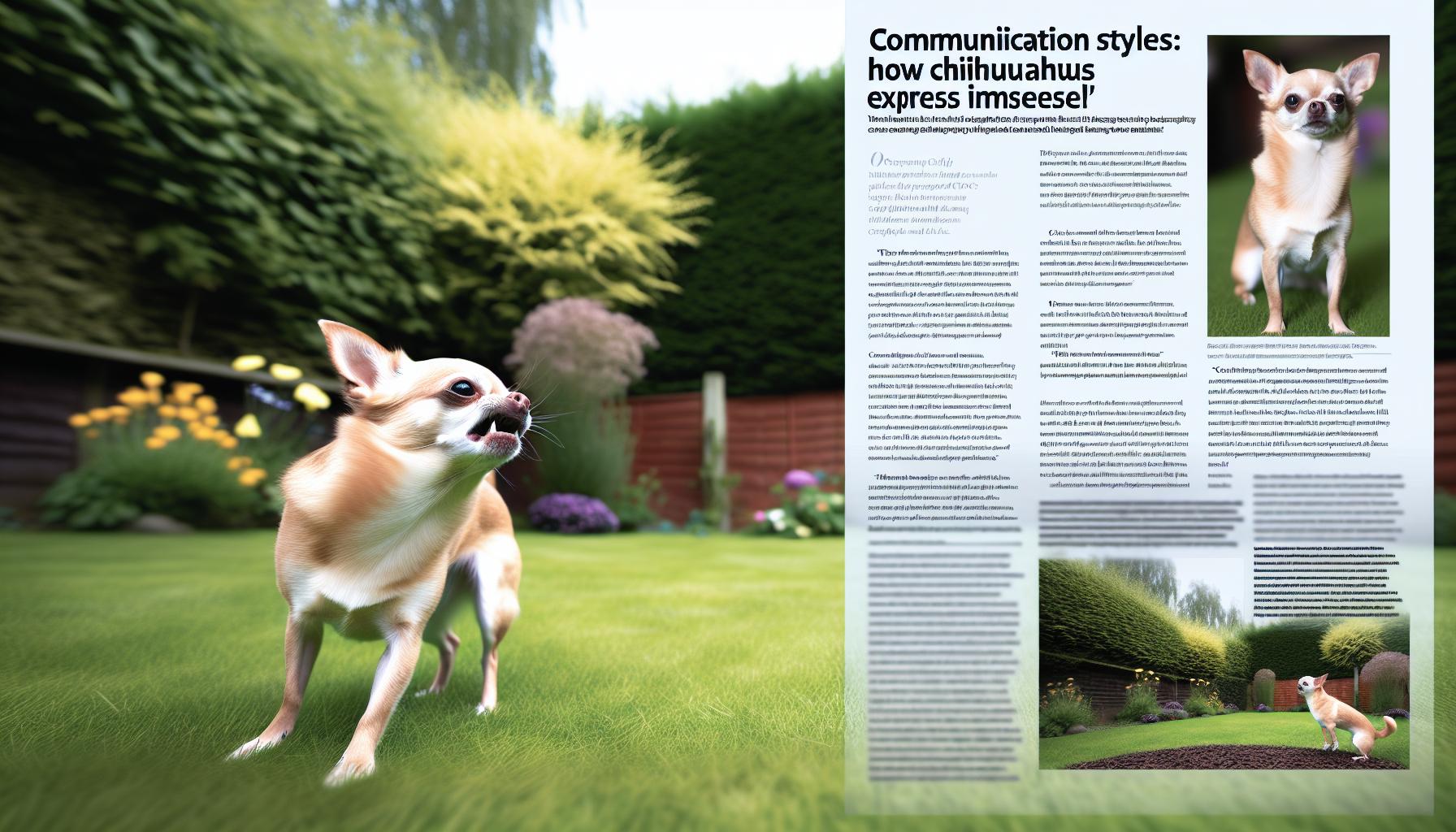
Chihuahuas have a rich tapestry of vocalizations that serve as a primary mode of communication. With their bold personalities packed into tiny frames, these little dogs express a wide range of emotions-from excitement to anxiety-through their unique sounds. Understanding how your Chihuahua expresses itself is key to fostering a deeper bond and enhancing your interactions.
One prominent form of expression is through barking, which Chihuahuas often use to assert their presence. While this can sometimes be a nuisance, it’s really just their way of saying, “Hey, I’m here!” This breed’s innate protective instincts often lead to barking when they perceive a potential threat or even just a passerby. For instance, one proud Chihuahua owner shared how her pup would bark at the mailman daily, not out of aggression but rather to announce his domain and protect his human.
Aside from barking, whining represents another crucial aspect of their emotional vocabulary. As mentioned previously, whining can indicate a need for attention, comfort, or response to stressors. The subtlety in their whines can vary significantly-an excited whine versus a distressed whine can sound quite different. Many owners have noted that a soft, high-pitched whine often means their Chihuahua is eager for playtime, while a more drawn-out, lower whine might indicate that something is wrong, such as discomfort or anxiety.
Chihuahuas are also known for their grunting and growling. These sounds are often context-dependent. A playful growl can signify that your pup is ready for a lively game of tug-of-war, while a low grunt may be an expression of annoyance or discontent. It’s essential to pay attention to the surrounding circumstances when your Chihuahua vocalizes in these ways, as they can often be cues to adjust your activities together.
Ultimately, observing the body language that accompanies these vocalizations is equally important. For instance, a Chihuahua wagging its tail rapidly while barking is likely happily alerting you to something exciting. Conversely, a tucked tail alongside a whine could indicate fear or submission. By watching for these visual cues, you can better understand what your furry friend is communicating and respond appropriately, enhancing both your relationship and your Chihuahua’s emotional well-being.
Identifying Specific Sounds: What Each Cry Means

Chihuahuas are incredibly expressive little companions, and understanding the sounds they make can enhance both your communication and bond with them. Each vocalization tends to convey a particular message, tapping into their tiny but mighty personalities. From joyful yips to anxious whines, these barks and cries are more than mere noise; they are the channels through which Chihuahuas express their needs, emotions, and reactions to their environment.
The classic bark is often the first sound that comes to mind. A short, sharp bark usually indicates excitement or alertness. For example, if your Chihuahua barks enthusiastically when visitors arrive, he may be expressing his excitement to see them or his desire to protect ‘his’ territory. In contrast, a series of rapid, high-pitched barks can signify agitation or anxiety-perhaps he’s feeling threatened by the vacuum cleaner or the neighbor’s cat lurking too close to “his” space.
Whining is another vocalization that can signal various emotions. A high-pitched, frantic whine often stems from anxiety or a need for attention, especially when your pup follows you around the house or tugs at your pant leg. For instance, many Chihuahua owners have noticed that their pets might whine softly when they’re ready to snuggle or craving a play session. Alternatively, if the whine is lower and more drawn out, it might indicate discomfort or a plea for assistance, particularly if the whining persists beyond a few moments.
In the realm of grunts and growls, these sounds can be a bit more nuanced. A playful growl might emerge when your Chihuahua is engaged in a game, showing he’s ready to wrestle or fetch. Conversely, a low grunt could denote annoyance, perhaps during bath time or when he’s being moved from his cozy spot on the couch. Observing your dog’s body language during these sounds-such as relaxed ears and a wagging tail versus a stiff stance and laid-back ears-can provide further context for the message he’s trying to convey.
Ultimately, actively listening and monitoring your Chihuahua’s vocalizations can deepen your understanding of his needs and feelings. Each sound serves as a valuable insight into his experience, allowing you to respond appropriately-whether that means engaging in play when he’s excited, offering snuggles when he whines, or providing comfort during stressful situations. By being attuned to these sounds, you will not only nurture a special bond but also celebrate the vibrant personality of your little companion.
The Influence of Breed Traits on Vocal Behavior

Chihuahuas are renowned for their vocal nature, and understanding how breed traits influence their sounds can provide insights into their behavior. This delightful breed, which often boasts a bigger personality than its small stature suggests, exhibits vocalizations that reflect its unique characteristics. The Chihuahua’s heritage as a companion animal influences its need for interaction and communication with its humans. Because they were bred to be close companions, they thrive on social engagement, which is often expressed through their vocal behavior.
One key trait is the breed’s inherent protective instinct. Even though he might weigh only a few pounds, your Chihuahua often feels the need to guard his territory passionately. This instinctual drive means that he may bark frequently at strangers or new environments to alert you of perceived threats. For instance, if your small companion barks fiercely at the mail carrier, it’s his way of saying, “I’m watching out for you!” This protective behavior can lead to increased vocalizations, especially if he perceives something unusual in his surroundings.
Additionally, Chihuahuas are known for their strong bond with their owners. They often voice their feelings of happiness, anxiety, or even frustration through various sounds, such as whines, yips, and grunts. An apple-headed Chihuahua, known for its larger head and expressive face, may whine for attention when feeling ignored, making it clear that he wants to play or cuddle. On the other hand, if he feels uncertain in a new situation, his cries may become more pronounced as he seeks reassurance from you. Recognizing these vocal cues and understanding their connection to your dog’s breed traits can enhance your communication, ensuring you can respond appropriately and maintain a strong bond.
Chihuahuas also exhibit a wide range of vocalizations influenced by their environment and socialization experiences. For example, those who have been well-socialized may use their voices less aggressively than those who haven’t, reflecting their comfort level in various situations. As a caring owner, you have the power to shape these behaviors through careful training and socialization from an early age. Ensuring your Chihuahua encounters diverse situations, people, and pets can help mitigate excessive barking and lead to a more balanced, well-adjusted pet.
Ultimately, celebrating your Chihuahua’s vocal behavior means embracing the unique traits that contribute to his big-hearted personality. By keenly observing and responding to his sounds, you foster deeper understanding and connection, enriching both your lives together. Whether he’s eagerly barking to greet a friend or softly whining for your attention, each vocalization is a testament to the vibrant spirit of your little companion.
Health Issues That Can Cause Excessive Crying
Chihuahuas are not just peppered with personality; they can also be prone to various health issues that may contribute to excessive crying. Understanding these potential problems is essential for any loving owner, as it allows for prompt intervention and ensures your little companion remains healthy and happy. While Chihuahuas are incredibly resilient, their petite frames make them susceptible to a few specific health concerns that might trigger those vocal outbursts.
One common issue is pain or discomfort. Chihuahuas, especially older ones, may suffer from dental problems, joint issues like patellar luxation, or even spinal disorders. These conditions can lead to increased vocalization as your Chihuahua expresses distress. For example, if your resourceful apple-headed friend has suddenly started crying when jumping or running, this could signal a potential injury or arthritis. Regular vet check-ups and dental care, alongside a careful watch for signs of discomfort, will help you manage these issues effectively.
Another significant factor is anxiety or stress-related disorders. Chihuahuas are especially sensitive to their environment, and situations that might seem trivial to us-like a new visitor or changes in routine-can trigger feelings of insecurity. If your little one is whining more than usual during thunderstorms or firework displays, he could be experiencing noise phobia. In such cases, employing calming techniques, such as creating a safe space or using anxiety wraps, can be beneficial to help soothe his worries.
Problems related to hormonal imbalances can also lead to unusual crying behaviors in Chihuahuas. For instance, females in heat may vocalize differently due to hormonal changes, while unneutered males might develop marking behaviors that lead to increased vocalization. Keeping up with spaying and neutering can dramatically reduce these issues and contribute to a quieter home environment.
Lastly, be mindful of medical conditions, such as urinary tract infections or gastrointestinal problems, which can cause discomfort, leading to vocalization. If your Chihuahua is whining excessively and hasn’t shown prior signs of distress, it may be worth scheduling a veterinary visit to rule out hidden health issues.
By staying attentive to changes in your Chihuahua’s behavior and vocalizations, you can provide the right support and care. Always listen closely-your little friend is speaking volumes, and understanding those cries can help ensure a happy, healthy life together.
Environmental Factors Affecting Your Chihuahua’s Noise Level
Chihuahuas are known for their big personalities, and their vocalizations are just one of the ways they express themselves. But did you know that their environment plays a significant role in how often they vocalize? Factors such as noise levels, space, and even the presence of other animals can all influence your Chihuahua’s comfort and volume.
Noise Sensitivity
Chihuahuas are particularly sensitive to loud noises. This tiny breed often has acute hearing, making them reactive to sounds that might go unnoticed by us. For example, the rustle of leaves, doorbells, or the hum of a vacuum can trigger vocal responses. If your Chihuahua starts barking or whining when the lawnmower is running, it could be due to noise phobia. Consider creating a calm environment by playing soothing music or using white noise machines to help mask disruptive sounds.
The Importance of Space
Living arrangements can also affect a Chihuahua’s noise levels. Chihuahuas thrive in cozy spaces where they feel secure, so it’s essential to provide a designated area of their own, complete with their favorite blanket or bed. Open-concept living can be overwhelming for these little ones, and they might bark more as a way of expressing their discomfort. Ensuring they have a quiet retreat can help them feel safe, reducing unnecessary vocalizations.
Interaction with Other Pets
The dynamics between your Chihuahua and other pets can greatly influence their noise levels. If introduced to a new pet, your Chihuahua may bark or whine to assert dominance or to express anxiety. Observe how interactions go and consider creating separate spaces for each pet, especially during initial introductions. Structured playtimes can also help reduce feelings of jealousy or competition, allowing your Chihuahua to relax more calmly.
By being mindful of these environmental factors, you can make adjustments that significantly decrease your Chihuahua’s vocalizations. Fostering a serene and secure environment not only helps filter out stressors but also lets your little companion thrive with comfort and confidence. Enjoy the unique sounds your Chihuahua makes-after all, each cry tells a piece of their story!
Training Techniques to Reduce Unwanted Vocalizations
Chihuahuas are not just charming companions; they are also known for their distinctive vocalizations that can sometimes become overwhelming. It’s crucial to remember that vocal behavior is an intrinsic part of their personality. Understanding and addressing unwanted vocalizations doesn’t have to be a daunting task. With the right training techniques, you can help your little friend express themselves in a more controlled manner.
One effective method is the Positive Reinforcement Technique. When your Chihuahua starts barking unnecessarily, calmly redirect their attention to a toy or treat. Wait for them to cease barking, even if it’s just for a moment, and then reward them with praise or a treat. This approach reinforces the idea that quiet behavior leads to positive outcomes. For instance, if your apple-head Chihuahua barks while you are watching TV, gently encourage her to sit quietly beside you and reward her when she stops barking. Over time, she will learn that being quiet garners more attention and treats than barking.
Another strategy involves the “Quiet” Command. This involves training your Chihuahua to associate the word “quiet” with stopping barking. When she barks, calmly say “quiet” in a firm but gentle voice. Once she stops, even for a few seconds, reward her immediately. With consistent practice, she will begin to understand what “quiet” means and feel motivated to comply. To help solidify this training, practice in varied environments so she learns to respond to sounds even in the presence of distractions, like the mailman or other dogs.
Socialization is also key in managing vocal behavior. Expose your Chihuahua to different environments, people, and other animals at a young age. A well-socialized Chihuahua is less likely to feel threatened or anxious, which can lead to excessive barking. For example, enroll him in puppy classes or arrange playdates with other dogs, ensuring he learns to feel comfortable and secure in different situations.
Finally, establish a routine. Like humans, Chihuahuas thrive on predictability. Regular feeding times, walks, and play sessions can significantly reduce anxiety and the compulsive need to vocalize for attention. When they know what to expect, they are more likely to feel secure and less inclined to express their feelings through excessive barking.
Training a Chihuahua to reduce unwanted vocalizations takes patience and persistence, but by applying these strategies, you will cultivate a more peaceful home environment-one that celebrates the unique charm of your vocal little friend!
The Role of Socialization in Barking Behavior
Socialization plays a pivotal role in shaping how your Chihuahua interacts with the world, and this in turn significantly affects their barking behavior. Chihuahuas are naturally alert and can be quite vocal because of their protective instincts. If they encounter new situations or individuals without prior exposure, they may feel threatened or anxious, which can lead to excessive barking. Therefore, introducing your little companion to a variety of environments, people, and other pets at an early age is crucial.
To start, consider enrolling your Chihuahua in puppy socialization classes. These classes not only allow your dog to meet other puppies in a controlled environment, but they also help instill confidence. For instance, an apple-head Chihuahua who meets a variety of larger dogs will learn to gauge appropriate responses and might even become less hesitant to interact. Additionally, take daily walks in different locations where your pup can encounter new sights, sounds, and smells. Each new experience teaches your Chihuahua that not everything is a threat, lessening the tendency to bark out of fear or alarm.
It’s also beneficial to arrange playdates with other dogs, ideally those that are well-mannered and offer a good influence. Watching and mimicking their behavior can teach your Chihuahua important social cues. Don’t forget the value of human interaction. Exposing her to people of all ages can demystify strangers and help reduce barking triggered by unfamiliar faces. You might find that after a few encounters, your once bark-happy friend becomes more reserved and selective in her vocalizations.
Incorporating positive reinforcement during these socialization experiences will further help reduce unnecessary barking. Each time your Chihuahua behaves calmly in a new situation, reward her with praise or treats. This technique validates her feelings and shows her that there’s no need to resort to barking to communicate her discomfort. Over time, as she becomes more acclimated to various circumstances, her confidence-and quietude-will blossom, allowing her to express herself in ways that are less disruptive to your household.
By fostering a well-socialized Chihuahua, you not only enhance her quality of life but also promote a harmonious living environment, where vocalizations are meaningful rather than excessive. Nurturing her unique personality while helping her adapt to the world around her celebrates the essence of what it means to be a proud Chihuahua owner.
When Crying Becomes a Concern: Knowing When to Seek Help
It’s not uncommon for Chihuahuas to express their emotions through vocalizations, but excessive crying can sometimes be a cause for concern. As owners, it’s essential to differentiate between normal vocal behavior and signs that might indicate an underlying issue. Understanding the nuances of your Chihuahua’s cries can help you provide the best care and support for your furry companion.
First and foremost, consider the context of the crying. Is your Chihuahua constantly whining when left alone or during certain times of day? This could signify separation anxiety, a prevalent concern among the breed. Chihuahuas are known for their loyalty and attachment to their owners, making them prone to distress when they feel isolated. If this seems to be the case, providing some comforting routines or safe spaces can help alleviate their anxiety. For example, leaving a favorite toy or blanket can provide comfort when you have to be away.
Pay attention to changes in your Chihuahua’s cry. If her vocalizations become more frequent, intense, or are accompanied by other behaviors like pacing or excessive panting, it might be time to consult with a veterinarian. Such behaviors may indicate discomfort or pain, which is particularly important to address given Chihuahuas’ small size and frailty. Health issues such as dental problems, gastrointestinal distress, or even allergies can manifest through increased vocalization, so a check-up is always a wise step if anything seems amiss.
Another important aspect relates to your Chihuahua’s age and health history. Senior Chihuahuas, or those with pre-existing conditions, may vocalize more often due to confusion or discomfort related to age. As they age, their needs evolve, and they may require different forms of support. For example, adjustments in diet, exercise, or even the introduction of calming supplements can greatly improve their quality of life.
Incorporating proactive strategies into your Chihuahua’s routine can also help mitigate excessive crying. Engaging her in regular exercise and mental stimulation is essential. Chihuahuas thrive on interaction and play, so setting aside time for games or training can occupy her mind and reduce nervous energy. Additionally, ensuring she has a secure and comfortable space to retreat to when feeling overwhelmed can make a significant difference.
In summary, understanding when your Chihuahua’s crying signifies a problem is crucial for her overall well-being. By observing her vocal patterns, keeping an eye on her health, and providing positive reinforcement through engaging activities, you can foster a harmonious environment that celebrates her unique voice while addressing any concerns that arise.
Celebrating Your Chihuahua’s Unique Personality Through Sound
Chihuahuas are not just small dogs; they are vibrant personalities wrapped in fur. Their vocalizations are one of the most endearing aspects of their character, often expressing a range of emotions from joy to anxiety. Understanding and celebrating these sounds allows owners to connect on a deeper level with their pups. From tiny yips to enthusiastic barks, each sound your Chihuahua makes can be a unique reflection of their thoughts and feelings.
Chihuahuas, whether they are apple-heads or deer-heads, each have distinctive sounds that often convey much more than words can express. For instance, a high-pitched yip may signal excitement or a desire for attention, while a low growl could indicate a warning or discomfort. Take a moment to observe how your Chihuahua communicates. You may find, for example, that your little companion whines softly when they want to cuddle – a clear signal that they enjoy your company and crave closeness. Celebrating these vocal expressions not only acknowledges their individuality but also strengthens the bond you share.
Interpreting these sounds can also be fun! Consider keeping a journal of your Chihuahua’s different vocalizations and the contexts in which they occur. This can help you identify patterns and better understand what your furry friend is trying to tell you. Is that a little bark they use to alert you when someone is at the door? Or perhaps a long whine that means it’s time for a walk? By paying attention to these nuances, you can respond more aptly to their needs, creating a more harmonious environment at home.
To enhance your appreciation for their vocal charm, engage in activities that foster their natural instincts. Regular playtimes not only reduce anxiety-induced barking but also provide your Chihuahua with a stage to express their playful spirit. Games like fetch, hide-and-seek, or simply a good old-fashioned tug-of-war can elicit a variety of sounds that showcase their joy. Each playful yip and triumphant bark becomes a joyous celebration of the unique personality that defines your Chihuahua. Embrace these sounds and the stories behind them; they are the delightful reminders of why you love having this quirky little friend by your side.
Q&A
Q: Why does my Chihuahua cry at night?
A: Your Chihuahua may cry at night due to anxiety, loneliness, or discomfort. Chihuahuas are social animals and can feel insecure when left alone. To help, create a cozy sleeping area and consider gradually increasing their alone time to build confidence. Learn more in the section on environmental factors affecting noise levels.
Q: How can I tell if my Chihuahua’s crying is a sign of pain?
A: If your Chihuahua’s crying is persistent and accompanied by other signs like limping, loss of appetite, or hiding, it may indicate pain. Monitor their behavior closely and consult a veterinarian if you’re concerned. Refer to our section on health issues that can cause excessive crying for more insights.
Q: Do Chihuahuas cry for attention?
A: Yes, Chihuahuas often cry to get attention, especially if they feel neglected or want to engage with their owners. To curb this behavior, reward quiet behavior and engage in regular playtime. Check our training techniques to reduce unwanted vocalizations for effective strategies.
Q: Is it normal for a Chihuahua to whine when meeting new people?
A: Yes, it’s common for Chihuahuas to whine when meeting new people as it reflects their excitement or nervousness. This behavior can be managed by encouraging calm behavior during introductions and using treats for positive reinforcement. See the section on communication styles for more tips.
Q: When should I be worried about my Chihuahua’s crying?
A: If your Chihuahua’s crying is sudden, intense, or accompanied by changes in behavior, it may indicate a medical issue. It’s important to seek veterinary advice if the crying persists. For more guidance, visit our section on when crying becomes a concern.
Q: Can training reduce my Chihuahua’s excessive barking?
A: Yes, consistent training can significantly reduce excessive barking. Techniques such as positive reinforcement and distraction can be effective. Explore more methods in our section on training techniques to reduce unwanted vocalizations to help manage barking behavior.
Q: What are common sounds my Chihuahua makes besides crying?
A: Besides crying, Chihuahuas may bark, whine, or yip based on their emotions. Each sound conveys a different message, such as excitement, alertness, or discomfort. Understanding these sounds can enhance your communication-see our section on identifying specific sounds for detailed explanations.
Q: How does my Chihuahua’s breed affect their vocal behavior?
A: Chihuahuas are naturally vocal due to their breed traits, including their instinct to alert owners of changes in their environment. Embrace this characteristic by providing proper socialization and training. Check the influence of breed traits on vocal behavior section for more on this topic.
Key Takeaways
Understanding why Chihuahuas cry is crucial for enhancing your bond with your little companion. Their vocal behavior often stems from a mix of love, anxiety, and a desire for attention. By tuning into your Chihuahua’s needs and providing both emotional support and proper training, you’ll cultivate a happier, more secure pet. Don’t wait-start observing their unique quirks today.
If you’re eager to dive deeper, check out our guide on “Chihuahua Training Tips for New Owners” and explore effective strategies to manage barking behavior. Interested in keeping your Chihuahua healthy? Our article on “Essential Chihuahua Health Care” is just a click away! Share your experiences or ask questions in the comments; your insights can help fellow Chihuahua enthusiasts. Together, let’s celebrate the vibrant personalities of our beloved Chihuahuas!
Get our latest guides, news, and insights highlighted in your Google Search & AI Overviews.