

Are you considering bringing a Chihuahua into your home, or do you already share your life with one of these pint-sized companions? Known for their bold personalities and unwavering loyalty, Chihuahuas can be both charming and challenging. Understanding their unique traits is essential for ensuring a harmonious relationship. In this article, we’ll delve into whether Chihuahuas are nice, exploring their quirks, vocal tendencies, and affectionate natures that can make them both endearing and perplexing. You’ll gain insights into their behavior, care needs, and how to nurture a loving bond with your tiny friend. Read on to discover the captivating world of Chihuahuas and find out if they’re the right fit for you!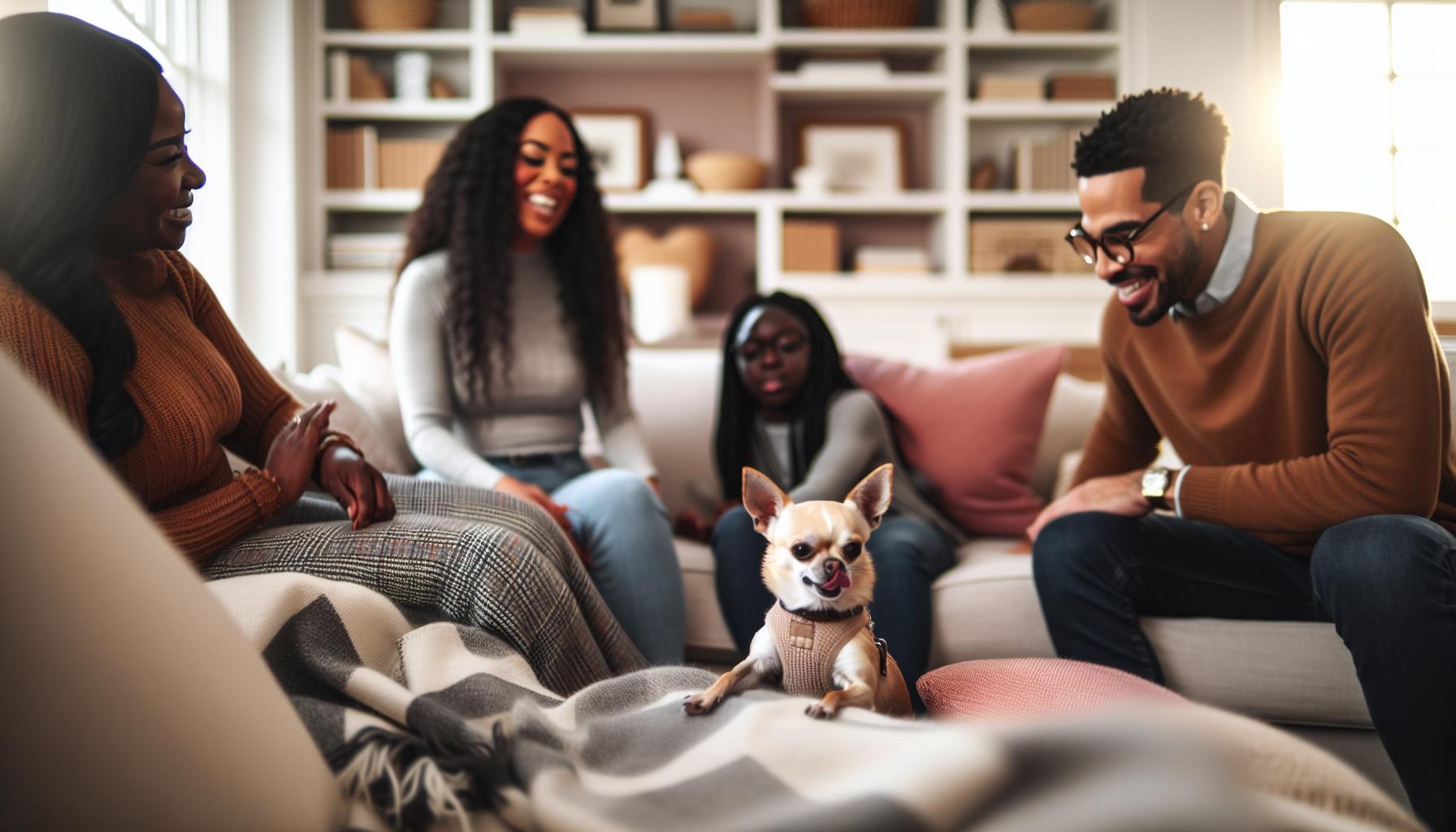
Are Chihuahuas Naturally Affectionate and Friendly?
Chihuahuas often surprise their owners with their capacity for affection and friendliness, defying the stereotype of being yappy or standoffish. These small companions are renowned for their deep bond with their humans, often seeking out cuddles and companionship. Many Chihuahua owners attest to their pups following them from room to room, curling up on their laps at every opportunity, and showering them with love. This breed’s loyalty can be attributed to their strong attachment to their owner, stemming from their history as companion animals. They thrive on social interaction, so the more affection and attention you give, the more they will reciprocate.
Chihuahuas are unique in their affectionate approach, displaying a blend of boldness and warmth that captures the hearts of many. For instance, consider a gentle apple-head Chihuahua named Bella, who greets her owner with excited yips and little jumps whenever she comes home. This exuberance showcases their friendly nature; it’s not uncommon for Chihuahuas to exhibit such endearing behavior. However, they can also be discerning. Socialization plays a critical role in how affectionate a Chihuahua becomes. A well-socialized Chihuahua is typically more open and friendly towards strangers, while one lacking exposure may be more reserved.
It’s essential to understand that every Chihuahua has its own personality influenced by genetics, environment, and training. While many Chihuahuas are naturally affectionate, others may exhibit a more reserved demeanor. First-time owners should be prepared for this variability and approach each Chihuahua as an individual. Consistent socialization and positive reinforcement training can help foster a more affectionate demeanor in even the shyest of Chihuahuas.
In conclusion, while Chihuahuas can be fiercely loyal and affectionate, their behavior is influenced by various factors including socialization and early experiences. By surrounding them with love and positive interactions, you can nurture their friendly nature and create a rewarding bond that celebrates the unique quirks of this charming breed.
Understanding Chihuahuas: The Basics of Their Temperament
Chihuahuas are often seen as bold little guardians bundled in a tiny package. Their vibrant personalities can sometimes lead to misconceptions, as many people assume their small stature makes them less affectionate or approachable. In reality, Chihuahuas are fiercely loyal and form incredibly strong bonds with their humans. They thrive on companionship and often express their affection through cuddles, playful antics, and vocalizations. It’s not uncommon to see a Chihuahua eagerly following their owner from room to room, always eager to be a part of every moment.
One of the most notable aspects of a Chihuahua’s temperament is their blend of confidence and warmth. While some may exhibit a discerning attitude towards strangers, a well-socialized Chihuahua demonstrates friendly and engaging behavior, often winning hearts with their playful greetings and charming personalities. For instance, many owners share stories of their Chihuahuas barking excitedly at new visitors before quickly shifting to cuddles. This surprising mix of boldness and affection makes them unique companions.
Understanding your Chihuahua’s temperament involves recognizing the significant influence of genetics and socialization. Each dog is an individual, and while some Chihuahuas may be naturally reserved, others can be outgoing and gregarious. It’s essential for owners, especially first-timers, to be aware of this variability. Regular exposure to different environments, people, and other animals will help foster a more confident demeanor. Engaging in positive reinforcement training also helps enhance their affectionate nature. Owners often report much success by rewarding their pups for calm behavior in new situations, gradually building their confidence.
Providing a nurturing environment that encourages regular social interaction is vital. Chihuahuas require not only physical care but also emotional support to flourish. This can involve daily playtime, training sessions, and simply spending quiet moments together. Emphasizing affectionate interactions while respecting their need for personal space helps create a well-rounded companion who is both loving and independent. Remember, the quirks of Chihuahuas-whether it’s their signature yapping or their dramatic personality shifts-are part of what makes them endearing to so many owners. Embrace these traits, and you’ll enjoy a rewarding relationship with your tiny, spirited friend.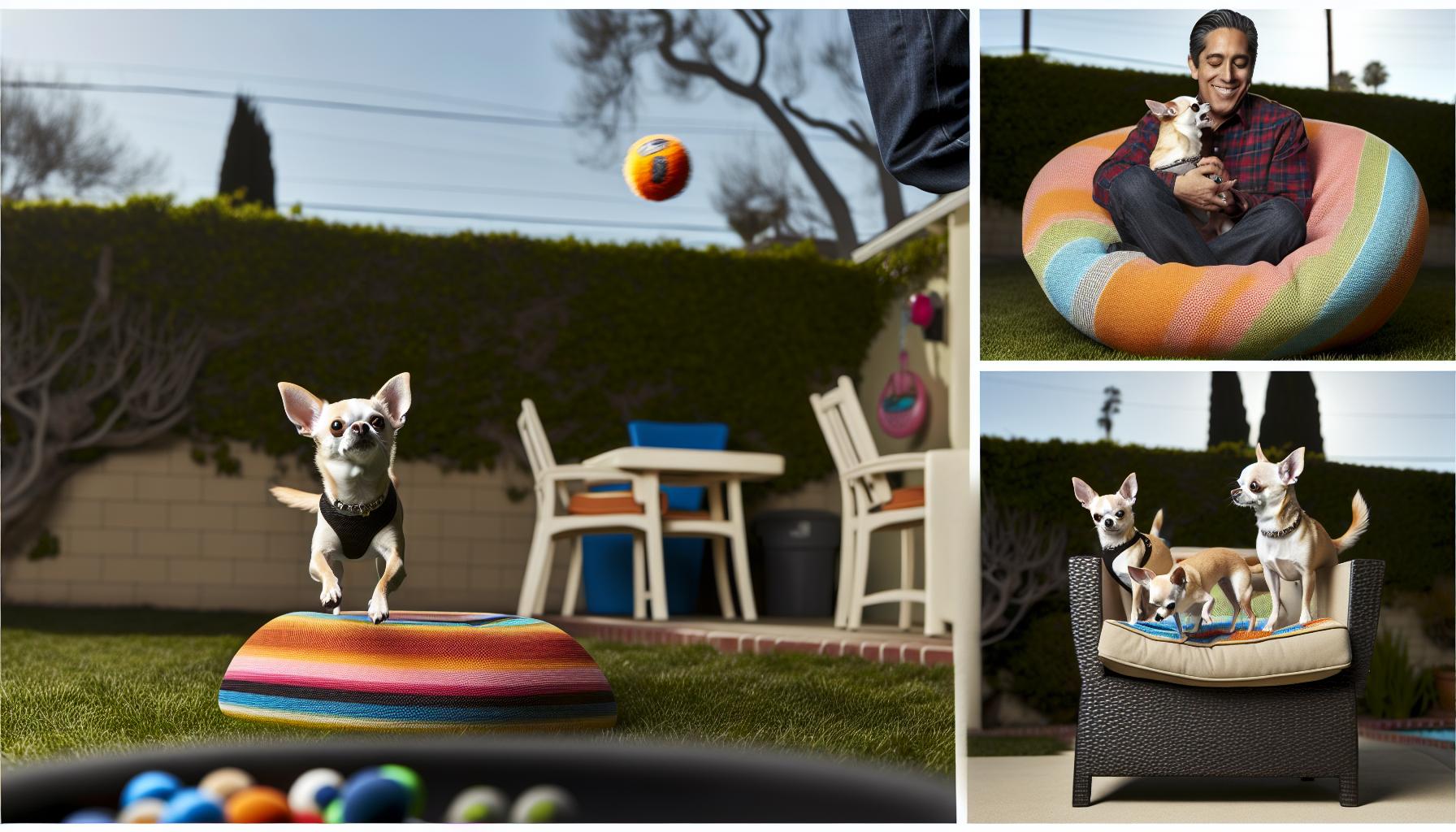
Key Personality Traits of Chihuahuas Explained
Chihuahuas are a delightful blend of contrasting traits that make them both endearing and dynamic companions. Known for their spirited personalities, these tiny dogs pack a significant emotional punch in a small package. One of their most striking features is their profound loyalty; Chihuahuas often form deep bonds with their humans, eagerly following them around the house and always seeking close companionship. This fierce attachment, however, can lead to some quirky behaviors-Chihuahuas are known to display a protective side, often acting as vigilant little guardians of their homes and families.
Another notable characteristic of Chihuahuas is their remarkable confidence. Despite their small size, they often carry themselves with a bold demeanor that can surprise those unfamiliar with the breed. This confidence can manifest in many ways, such as barking at unfamiliar noises or people with little hesitation. Interestingly, many Chihuahua owners share stories of their dogs transitioning from cautious observers to enthusiastic participants in social situations. For example, a well-socialized Chihuahua may initially bark at newcomers but, given time and positive interactions, they quickly warm up, often becoming the life of the party with their charming antics.
While their confidence is admirable, it’s also important to recognize the variability in temperament within the breed. Factors such as genetics, upbringing, and early socialization play crucial roles in shaping a Chihuahua’s personality. Some may be more reserved and cautious, while others exhibit outgoing and playful traits. This highlights the need for engaging with Chihuahuas in a nurturing manner. For instance, positive reinforcement training can significantly enhance their loving and affable nature, helping them become well-adjusted companions. Owners often note that establishing routines that incorporate playtime, training, and social exposure make a substantial difference in their dogs’ behavior.
Ultimately, the true beauty of a Chihuahua lies in its unique quirks and ability to form deep emotional connections. Their vocal expressions, adorable size, and nature of exuberance can turn everyday moments into memorable ones. To cultivate a harmonious relationship with your Chihuahua, prioritize their need for social interaction, training, and love. By embracing their spirited personalities and quirks, you’ll discover the joys of having a loyal, affectionate companion by your side.
How Socialization Affects a Chihuahua’s Behavior
Socialization is a critical aspect of raising a Chihuahua, significantly influencing their overall behavior and temperament. A well-socialized Chihuahua typically showcases a charismatic blend of confidence and approachability, transforming from a cautious observer into a vibrant participant in everyday life. When exposed to various environments, people, and other animals early on, Chihuahuas can develop a well-rounded personality that embraces new experiences rather than shies away from them.
To achieve this ideal, start socialization as early as possible, ideally while they’re still puppies. Bring your puppy to different settings-like parks, cafes, and pet-friendly stores-where he can interact with various sights and sounds. For example, many owners of apple-headed Chihuahuas report that routine trips to dog-friendly places help reduce their dog’s tendency to bark at strangers. Positive interactions during these outings lay the groundwork for him to be more adaptable and less fearful.
It’s important to keep interactions positive and low-pressure. Reward him with treats and praise when he bravely approaches a new person or sniffs another dog. Consistency is key; regularly scheduled playdates with other well-mannered dogs can foster a strong sense of socialization. Additionally, enrolling in puppy kindergarten classes can provide structured environments for your Chihuahua to learn appropriate behaviors alongside his peers.
However, not all Chihuahuas will respond to socialization in the same way. Some may be naturally more reserved and take longer to warm up. Patience is essential here; gradual exposure and encouraging confidence should be the focus. A timid Chihuahua may initially be overwhelmed in new situations. In such cases, respect his comfort zone while gently encouraging him to explore. Owners have found that using toys or engaging in play can often lure a hesitant Chihuahua from behind their owner’s legs to join in the fun.
In summary, effective socialization greatly enhances a Chihuahua’s happiness and behavior, making her a beloved member of the family rather than a fearful introvert. Social experiences, combined with positive reinforcement and loving support, will bring out her playful and affectionate nature, allowing her true personality to shine.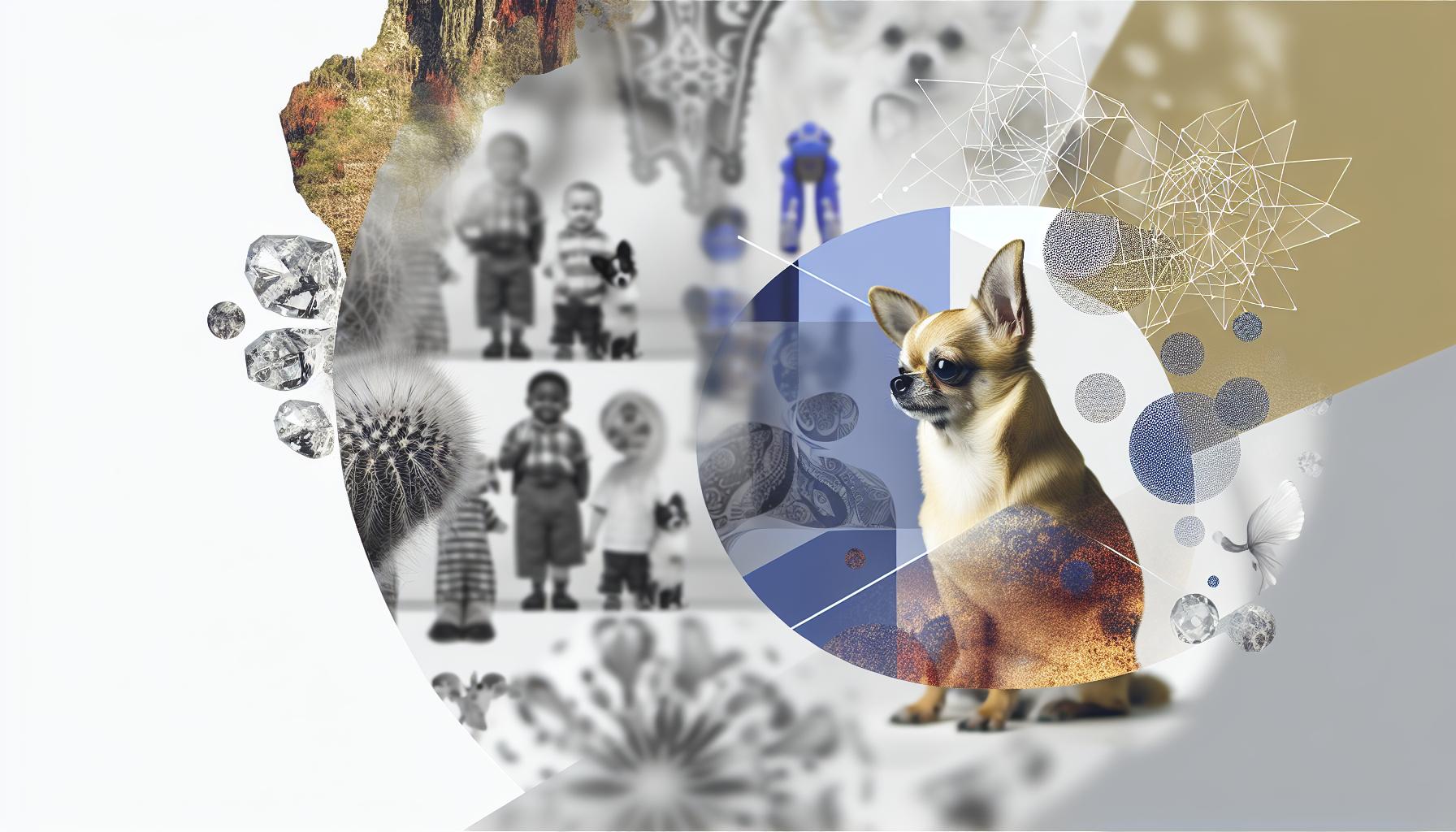
Common Misconceptions About Chihuahua Behavior
There’s a perception that Chihuahuas are all about attitude, with many believing they are naturally aggressive or unfriendly due to their boldness and vocal nature. However, this isn’t the whole story. The truth is that Chihuahuas have complex personalities that can be affectionate and friendly, but they often express these traits differently than larger breeds. Understanding their behavior requires a closer look at their unique quirks and tendencies.
One common misconception is that Chihuahuas are inherently jealous or prone to aggression, especially towards other pets. While it’s true that some may feel the need to protect their territory or their owners, this behavior is often rooted in a lack of proper socialization. For instance, an apple-headed Chihuahua named Bella often barked fiercely at other dogs, leading her owner to believe she was mean. With consistent socialization and positive interactions at dog parks, Bella transformed into a playful companion who enjoyed the company of her peers.
Another prevalent myth is that Chihuahuas are not good family pets. In reality, many Chihuahuas thrive in family settings and form deep bonds with their human companions. They are often incredibly loyal and protective, which can make them excellent loving companions for people of all ages. However, it is essential to supervise interactions with young children, as some Chihuahuas can feel overwhelmed or threatened by rough play due to their small size.
It’s also a misconception that Chihuahuas do not require training. Like any breed, they benefit greatly from consistent training that includes socialization and basic commands. Training should be approached with positive reinforcement, as this encourages desired behavior while building confidence. Owners who have engaged in training their Chihuahuas often report seeing a reduction in undesirable behaviors, such as excessive barking or stubbornness.
Finally, some people believe that Chihuahuas are exclusively lap dogs and cannot be active or playful. This is simply not true. Many Chihuahuas love to play, run, and explore their surroundings. Activities like agility training or simple games of fetch can help channel their energy positively and enhance their bond with their owners. By treating them as the vibrant companions they are, you can help dispel the myths that often surround this beloved breed.
In conclusion, while Chihuahuas have their quirks and unique behaviors, recognizing their affectionate and friendly nature can lead to enriching relationships. Understanding and addressing common misconceptions can empower owners to nurture a well-rounded, happy Chihuahua, celebrating their bold, loyal spirit.
Do Chihuahuas Get Along with Other Pets?
Chihuahuas can truly surprise you with their ability to get along with other pets when given the right environment and training. While many people picture this tiny breed as overly bold or territorial, they can actually become great companions for other animals, including dogs and even cats. The key lies in early socialization and consistent positive experiences. For example, introducing a Chihuahua to new pets slowly and allowing them to sniff and explore each other in a controlled setting helps forge friendships that build confidence.
One successful owner story involves a long-haired Chihuahua named Max who initially showed signs of jealousy when his family adopted a rescue cat. Max frequently barked whenever the cat entered the room, asserting his dominance in what he perceived as his territory. However, after several weeks of supervised interactions where treats were given for calm behavior and both animals were encouraged to play side by side, Max learned to accept his feline friend. Now, they often cuddle together, showcasing the potential for harmony.
It’s important to recognize that any dog, including a Chihuahua, can exhibit aggressive or fearful behavior if they feel threatened or insecure. Thus, understanding your Chihuahua’s unique personality traits is essential. For instance, apple-headed Chihuahuas might be more prone to being standoffish with new animals due to their cautious nature, while deer-headed Chihuahuas might exude a more easy-going attitude. When bringing new pets into your home, make sure to respect your Chihuahua’s space, allowing them the choice to approach on their own terms.
To promote a peaceful multi-pet household, consider these tips:
- Socialization: Start socializing your Chihuahua with other pets early on, whether during puppyhood or through structured playdates later in life. “Friendly encounters with various species are crucial,” say experts.
- Supervised Introductions: Always supervise initial meetings. Use positive reinforcement to encourage desired behaviors, rewarding calm interactions.
- Respect Personal Space: Ensure each pet has their own space in the home. This reduces competition for resources and helps mitigate territorial behaviors.
- Use Calming Techniques: If your Chihuahua shows signs of stress, consider using calming collars or sprays designed for dogs to ease the transition.
With patience and the right approach, Chihuahuas can thrive alongside other pets, exhibiting their affectionate and friendly nature. Remember, their loyalty and vibrant personality can enrich a multi-pet family, provided they feel secure in their environment.
Training Your Chihuahua: Tips for a Well-Behaved Companion
Training a Chihuahua can be one of the most rewarding experiences for a dog owner, and it’s essential to approach it with both love and understanding. With their bold personalities and strong wills, Chihuahuas require clear, consistent training methods. While they might be tiny, their spirit is larger than life, making positive reinforcement strategies particularly effective.
Start by establishing a routine. Chihuahuas thrive on consistency, so setting a schedule for feeding, walks, and training sessions helps them know what to expect. Short, engaging training sessions (5-10 minutes) work best, as Chihuahuas can lose interest quickly. Incorporate basic commands like “sit,” “stay,” and “come,” using treats or praise to encourage compliance. For instance, if your apple-headed Chihuahua, Bella, responds well to treats but seems anxious, try soft verbal encouragement along with a favorite snack to build her confidence over time.
Socialization is another key element of training. It’s crucial to expose your Chihuahua to various environments, people, and sounds from an early age. This exposure helps mitigate fearful or territorial behavior later in life. Arrange playdates with other friendly dogs, take him to pet-friendly stores, or invite friends over to interact with your pup. Remember, each encounter is an opportunity for learning and should be positive; a well-socialized Chihuahua, like your deer-headed Max, can be both confident and charming.
Consistency is paramount across all training efforts. Reinforce good behaviors promptly, and avoid negative reinforcement which can make Chihuahuas skittish or defensive. Instead of scolding when they bark, redirect their attention to a toy or command, rewarding quiet behavior. When your Chihuahua learns to respond well to commands and feels secure in their environment, you’ll likely find them becoming more affectionate and friendly, showcasing their natural loyalty and vibrant personality. Celebrate the little victories; a well-trained Chihuahua is not only a joy to be around, but also a testament to the bond you share.
Addressing Nervous Behaviors in Chihuahuas
Understanding a Chihuahua’s nervous behaviors can greatly enhance the bond you share with your little companion. These tiny pups are known for their big personalities, but sometimes their nerves can get the best of them. Many Chihuahuas may display anxiety or nervousness, whether due to their sensitive nature, lack of socialization, or past negative experiences. If your Chihuahua tends to shake, bark excessively, or hide in stressful situations, know that you’re not alone-many owners face these challenges.
One effective strategy to address nervous behaviors is creating a secure environment. Make your home a safe haven by providing cozy spaces where your Chihuahua can retreat when feeling overwhelmed. This could include a soft bed in a quiet corner or a crate that feels like their own little den. Dogs often seek comfort in small, enclosed spaces, so having a designated area can help them relax. Additionally, consider using calming products such as pheromone diffusers or anxiety wraps, which can help soothe your anxious pup during stressful times, like fireworks or thunderstorms.
Socialization plays a crucial role in reducing anxiety. The more comfortable your Chihuahua is with different people, environments, and situations, the less likely they will react nervously. Start by introducing your pup to new experiences gradually-visit dog-friendly parks, attend training classes, or arrange playdates with well-mannered dogs. Always ensure these encounters are positive, using treats and praise to build their confidence. For instance, if your apple-headed Chihuahua, Coco, is fearful of larger dogs, allow her to observe from a distance at first, gradually increasing her exposure as she becomes more comfortable.
Lastly, your demeanor can significantly impact how your Chihuahua experiences the world. Stay calm and positive when addressed with your pup’s anxious behaviors; they can pick up on your emotions. When your deer-headed Chihuahua, Leo, reacts nervously to strangers, approach the situation with reassurance. Use a gentle voice and encourage him to explore at his own pace. Over time, with patience and understanding, you’ll help him build resilience, allowing his true affectionate personality to shine through. Celebrate these small victories, as each positive step strengthens the connection between you and your loyal companion.
The Importance of Regular Social Interaction
Engaging your Chihuahua in regular social interaction is not just important-it’s essential for her mental health and overall well-being. Chihuahuas are known for their sometimes bold and sassy personalities, but they also thrive on connection with humans and other dogs. Socialization helps prevent anxiety and fearfulness, allowing your little companion to bloom into a confident, well-rounded dog. Studies show that dogs who frequently interact with various people and animals exhibit less aggression and are generally more sociable.
Creating opportunities for your Chihuahua to mingle can be quite simple. Consider taking her to dog parks, joining puppy playdates, or signing up for training classes. Even casual strolls around the neighborhood can expose her to new sights and smells, which can be thrilling and stimulating. Look for moments when you can introduce her to new friends, both furry and human. For example, if you have a friend who owns a dog, arranging a meet-and-greet in a controlled environment can provide a safe way for your Chihuahua to learn how to communicate and interact effectively.
While socializing, keep a close eye on your pup’s body language. Chihuahuas can be reactive if they feel threatened, so it’s crucial to pace introductions. If your apple-headed Chihuahua, Bella, seems overwhelmed, give her space and allow her to approach other dogs in her own time. Reward her bravery with treats and encouragement, creating positive associations with new experiences. This support helps nurture her confidence, allowing her to shine as the lovable and quirky companion you know she is.
Remember, consistency is key. Regularly incorporating social interactions into your Chihuahua’s routine will yield long-term benefits. Not only will this help address any nervous behaviors, but it will also enhance her happiness and strengthen the bond you share. Celebrate her progress-each step toward being a more social Chihuahua brings a smile not only to her face but to yours as well!
Health Factors That Impact Chihuahua Behavior
Health issues can significantly influence a Chihuahua’s behavior, impacting everything from mood to sociability. These lively little companions are often bold and confident, but underlying health concerns can cause them to act differently than usual. It’s crucial to be aware of common health issues that affect Chihuahuas, as this understanding can lead to better care and happier dogs.
Many Chihuahuas face dental problems due to their small mouths and crowded teeth. Periodontal disease can not only cause pain, leading to irritability, but it can also affect their eating habits, making them less enthusiastic about mealtime and social interactions. Regular dental check-ups and a good dental hygiene routine, including brushing their teeth, can help keep their smiles-and their spirits-bright.
Another health factor to consider is patellar luxation, where the kneecap dislocates, causing pain and lameness. This condition is prevalent in small breeds, including Chihuahuas, and can lead to behavioral changes such as reluctance to play or a sudden shift in their energy levels. Observing their movement closely can help catch this early. Consult your veterinarian for appropriate management strategies, which may include weight management and exercises to strengthen the surrounding muscles.
Chihuahuas are also prone to hypoglycemia, a condition where blood sugar levels drop dangerously low. This can cause weakness, lethargy, and even fainting spells, making them less likely to engage with their environment or their human companions. It’s essential to provide them with stable meals and keep an eye on their energy levels, particularly in young or elderly dogs who are more susceptible. Quick access to some honey or a specially formulated treatment from your vet can be life-saving in acute situations.
In addition, heart issues, such as mitral valve disease, are common in Chihuahuas, especially as they age. Affected dogs may show signs like coughing, lethargy, or excessive panting. These symptoms can lead to increased anxiety and changes in behavior, as the dog may prefer to rest instead of play. Routine vet check-ups, including heart health screenings, are vital for early detection and intervention.
Ultimately, keeping a close eye on your Chihuahua’s health is key to understanding its behavior. By addressing any health problems promptly with veterinary care and a holistic approach to wellness, you can help your little companion remain the joyful, affectionate, and lively member of the family that they are meant to be.
Celebrating the Unique Quirks of Chihuahuas
Chihuahuas are little dogs full of personality, and their quirks make them endearing companions. Each Chihuahua has its own unique traits that can make you smile-whether it’s their little antics or their loyal affection. One notable quirk is their penchant for vocalizing. Don’t be surprised if your Chihuahua declares their presence with a spirited bark when the doorbell rings or even when they simply hear a noise from the street. This vocal nature isn’t just a personality trait; it’s a part of their protective instincts, making them excellent watchdogs despite their tiny size.
Beyond their bark, Chihuahuas also showcase an incredible amount of loyalty to their owners. They tend to form strong bonds, often choosing one person as their favorite. This deep affection manifests in various ways, such as following you from room to room or wanting to snuggle right on your lap-especially during colder days. Their loyal nature can mean they may not always take to strangers right away, which is a behavior you might see when introducing your Chihuahua to new people. Early socialization can help mitigate any potential skittishness and make for a more balanced and friendly adult dog.
Chihuahuas are bold little dogs despite their small stature; they often exhibit a “big dog” attitude. This can lead to amusing situations when they challenge dogs much larger than themselves. Embracing this trait means understanding that your Chihuahua likely has a fearless heart, always ready for an adventure, whether it’s exploring the backyard or challenging a new toy. Such boldness can also result in unusual inequalities during playtime, as they might think they can take on their much bigger canine siblings or even other pets in the household.
For first-time owners, celebrating these quirks means being aware of the need for providing a calm environment while also engaging their minds and bodies. Regular playtime, social outings, and training sessions not only stimulate their clever minds but also help them channel their energy appropriately. Adopting routines that include playdates with well-mannered dogs can provide your Chihuahua with essential social interaction, forming the backbone of a happy and well-adjusted pet.
In conclusion, these captivating characteristics make Chihuahuas not just pets but family members full of charm. Whether it’s their vocal personalities, intense loyalty, or adventurous spirit, you’ll find that understanding and celebrating their quirks only deepens the bond you share. Each amusing moment and unique trait adds to the rich tapestry of life with a Chihuahua, making every day an adventure filled with love and laughter.
Real Stories: Owner Experiences with Chihuahua Personalities
Many Chihuahua owners can relate to the delightful charm these little dogs bring into their lives. One common theme among their stories is the intense affection they show toward their human companions. For example, Sarah, a first-time Chihuahua owner, shares how her apple-head, Bella, has quickly become her shadow. Bella follows Sarah everywhere, from the bathroom to the kitchen, ready to keep her company. This devotion not only showcases Bella’s affectionate personality but also highlights the bond that often forms between Chihuahuas and their owners.
Chihuahuas are known for their vocal nature, and it’s a trait that often leads to humorous situations. John recounts a time when his Chihuahua, Max, barked frantically at the mailman, despite being behind a securely closed door. “It’s like he believes he’s a giant dog,” John laughs, acknowledging Max’s protective instincts. His antics don’t stop there-whenever there’s a knock at the door, Max’s spirited announcements make it apparent that he takes his watchdog duties very seriously, proving that size doesn’t determine bravery.
However, it isn’t all about barking and companionship. The boldness of Chihuahuas can lead to unexpected challenges, especially in multi-pet households. Emma, who has both a Chihuahua and a larger dog, shares her experience of how her Chihuahua, Lucy, tries to initiate playtime with her bigger sibling, even though Lucy’s size does not quite match her courage. This can lead to comical interactions, and while it’s important to supervise their play to ensure safety, Lucy’s fearlessness has also encouraged her larger companion to engage in gentler play, fostering a unique bond between them.
Regular socialization is key to nurturing a balanced personality in Chihuahuas. Rachel, another proud owner, emphasizes the importance of exposing her Chihuahua, Charlie, to various environments and other pets from an early age. She found that taking Charlie to a local dog park allowed him to develop confidence while learning to interact with dogs of all sizes. “It’s amazing to see him go from a timid little guy to someone who’s ready to play with a Great Dane!” Rachel notes, underscoring how essential it is to provide Chihuahuas with positive experiences that shape their behavior as they grow.
In sharing these experiences, it becomes clear that Chihuahuas are not just pets; they are lively companions full of personality. Each owner’s story highlights how these dogs, with their affectionate nature, vocal tendencies, and bold spirits, make for unforgettable experiences and lifelong memories. Whether it’s through laughter, loyalty, or the occasional unexpected adventure, the relationships formed with Chihuahuas truly enrich the lives of their owners.
Faq
Q: Are Chihuahuas good family pets?
A: Yes, Chihuahuas can be great family pets if socialized properly. They are loyal and affectionate, often forming strong bonds with their owners. However, it’s important to supervise interactions with small children due to their tiny size and potential for injury. Regular socialization helps them thrive in family environments.
Q: What behaviors indicate a happy Chihuahua?
A: A happy Chihuahua often displays playfulness, a wagging tail, and a relaxed body posture. They may be vocal, seeking interaction with family members. Providing toys and regular playtime can enhance their happiness and well-being.
Q: Do Chihuahuas require a lot of exercise?
A: Chihuahuas do not need extensive exercise, but they benefit from regular walks and playtime. Short play sessions throughout the day, combined with brief walks, help keep them healthy and mentally stimulated.
Q: How can I reduce my Chihuahua’s anxiety?
A: To reduce your Chihuahua’s anxiety, create a safe and predictable environment. Use positive reinforcement during training, provide plenty of interactive toys, and ensure they have regular socialization with other pets and people to build confidence.
Q: Why does my Chihuahua bark so much?
A: Excessive barking in Chihuahuas can stem from anxiety, boredom, or as a protective instinct. Ensuring adequate mental and physical stimulation, along with training to curb unwanted barking, can help mitigate this behavior.
Q: Are Chihuahuas prone to certain health issues?
A: Yes, Chihuahuas can be prone to health issues such as heart disease, dental problems, and patellar luxation. Regular veterinary check-ups and a balanced diet support their overall health. It’s crucial to monitor their weight to avoid obesity-related issues.
Q: How do I socialize my Chihuahua effectively?
A: To socialize your Chihuahua, expose them progressively to various environments, people, and animals. Start with controlled encounters and gradually introduce new experiences. Positive reinforcement during these interactions fosters a confident and well-adjusted pet.
Q: What are the common misconceptions about Chihuahua behavior?
A: Common misconceptions include that Chihuahuas are always aggressive or unfriendly. In reality, their behavior greatly depends on their upbringing, socialization, and training. With proper care, many Chihuahuas are sweet, gentle, and loving companions.
Explore more about Chihuahua personality traits in the sections of our article for deeper insights on behavior and care.
Insights and Conclusions
If you’re considering a Chihuahua, remember they’re much more than their small size-they’re full of personality and loyalty. As you’ve learned, these little pups can be vocal, bold, and affectionate, making them wonderful companions when matched with the right owner. Don’t hesitate to jump into the joy of owning a Chihuahua; they might just steal your heart!
For more insights on their care, check out our articles on Chihuahua health tips and training techniques. Also, if you’re ready to take the plunge, explore our Chihuahua products to ensure you’re well-equipped for your new friend. Don’t forget to leave a comment or share your experiences with us; we love hearing your stories! Together, let’s celebrate the unique quirks of this spirited breed. Embrace that Chihuahua love today!
Get our latest guides, news, and insights highlighted in your Google Search & AI Overviews.