

Chihuahuas are known for their spirited personalities and, yes, their loud barks! If you’re a proud owner or thinking about welcoming one into your home, understanding their barking tendencies is crucial. These tiny companions are fiercely loyal and often vocal, using their barks to communicate a range of emotions, from excitement to alarm. Many first-time owners might find their Chihuahua’s barking overwhelming, while seasoned owners appreciate it as part of their charm. In this exploration of Chihuahua barking behaviors, we’ll uncover why these adorable fluff balls love to vocalize and how you can manage their barking to create a peaceful and happy environment for both you and your furry friend. Ready to learn more about what’s behind those barks? Let’s dive in!
Understanding Chihuahua Barking Behavior
Chihuahuas are famously vocal companions, often barking more than many other breeds. Understanding the nuances of their barking behavior can not only deepen the bond you share with your little friend but also help manage any issues that arise from excessive vocalizations. These tiny dogs are packed with personality and often feel they need to express themselves more than larger breeds due to their size and lively spirit.
Their bark serves various purposes, such as alerting you to perceived threats, seeking attention, or expressing excitement. For instance, when you walk through the door, your Chihuahua may bark enthusiastically, eager to greet you. Conversely, they might sound the alarm at every passing mail carrier or neighbor, acting as your personal watchdog. This behavior is often rooted in their strong territorial instincts and longstanding loyalty to their humans.
It’s beneficial to observe your Chihuahua’s body language in conjunction with their barking. For example, a high-pitched bark while backing away can indicate fear, while a low growl might suggest aggression or a warning to back off. Understanding these signs can aid in addressing their specific needs. Providing mental and physical stimulation can also help reduce excessive barking. Regular walks, interactive toys, and training sessions can channel their energy in positive ways. By nurturing a calm and structured environment, you not only enhance your Chihuahua’s happiness but also foster quieter moments, benefiting both of you.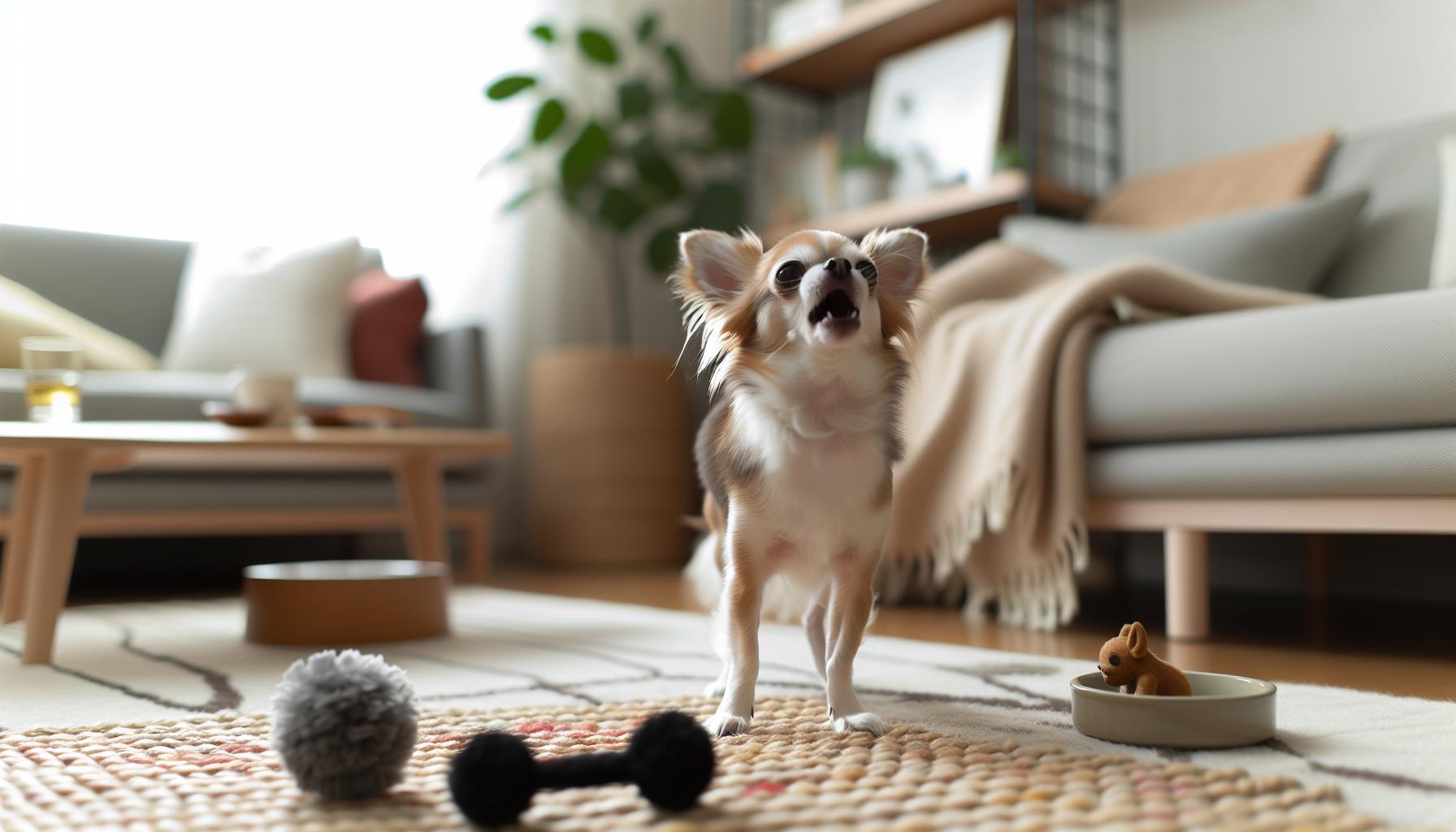
Why Chihuahuas Bark: Top Reasons Explored
Chihuahuas are renowned for their vocalizations, often out-barking many larger breeds despite their tiny stature. Understanding the underlying reasons for this behavior is essential for fostering a harmonious relationship with your little companion. The reasons for a Chihuahua’s barking can vary widely, ranging from instinctual to emotional responses.
One of the primary motivations for barking among Chihuahuas is their strong territorial instinct. These feisty little dogs are instinctively wired to watch over their surroundings, alerting their humans to any perceived intruders-be it a passing car or an unfamiliar person. This behavior reflects their protective nature and loyalty. For instance, a Chihuahua may stand guard by your front window, barking at anyone who dares to pass by, viewing them as potential threats.
In addition to protection, Chihuahuas often use barking as a means of communication. They may bark to express excitement when you come home after a long day, showing their joy and eagerness to greet you. Similarly, if they feel neglected or bored, barking can become a way for them to seek attention from their human companions. For example, if your Chihuahua barks for their toy or a cuddle session, it may simply be their way of telling you they want to engage with you.
Moreover, fear and anxiety can trigger excessive barking. Many Chihuahuas can be quite sensitive, responding vocally to loud noises like thunderstorms or fireworks. Understanding your pup’s triggers and providing a secure environment is crucial. You might consider creating a safe space where she can retreat when feeling anxious, equipped with her favorite blanket or toys to soothe her.
Lastly, effective socialization plays a significant role in managing a Chihuahua’s barking tendencies. Exposing your dog to various environments, people, and other animals from a young age can help them become more confident and less likely to react through barking in unfamiliar situations. When properly socialized, many Chihuahuas learn to assess situations more calmly, reducing unnecessary vocalizations.
Recognizing the reasons behind your Chihuahua’s barking not only helps you manage their vocal tendencies but also strengthens the bond you share. With patience and understanding, you can support your little furball in expressing themselves in a way that’s both appropriate and joyful.
How to Manage a Loud Chihuahua
To truly enjoy life with your spirited Chihuahua, managing their barking tendencies is key. These little pups, often bursting with personality, have a penchant for vocalization that can sometimes catch new owners off guard. Whether your Chihuahua is barking at the mailman, alerting you to passing cars, or simply expressing excitement when you walk through the door, understanding and managing this behavior is essential for a peaceful home environment.
One effective approach is to create a calm and structured environment. Establish clear routines for feeding, walks, and playtime. Chihuahuas thrive on consistency, and knowing what to expect can help curb excessive barking driven by anxiety or boredom. For instance, if your apple-head Chihuahua is prone to vocalizing out of excitement, having a dedicated playtime schedule might reduce her need to bark for attention.
Positive Reinforcement Training
Training is another valuable tool in managing your Chihuahua’s barking habits. Instead of scolding her for barking, use positive reinforcement to reward quiet behaviors. Carry small treats and when she remains calm in situations that typically trigger her barking-like visitors arriving or other dogs barking-reward her immediately. This not only reinforces desired behavior but slowly teaches her that being quiet brings rewards. For additional effectiveness, you can use commands like “quiet” or “enough” paired with a gentle tone. Over time, she will associate these cues with reduced barking.
Addressing Triggers
Understanding specific triggers can also help you manage barking more effectively. Is your dog’s barking often triggered by sounds, movements, or specific people? Identifying these patterns enables you to address the root causes. For instance, if she tends to bark at the postman, consider setting up a distraction during delivery times-such as a toy or puzzle-to keep her engaged. For heightened anxiety, creating a cozy sanctuary with her favorite blanket and toys can provide comfort when she feels overwhelmed.
Socialization and Exposure
Lastly, regular socialization can significantly reduce your Chihuahua’s need to bark excessively. Expose her to new environments, people, and other pets gradually, ensuring each experience is positive and stress-free. A well-socialized Chihuahua learns to navigate the world with confidence, reducing her tendency to bark in response to unfamiliar situations. For instance, arranging playdates with other dogs can provide a great outlet for her energy and diminish the urge to guard her territory.
By blending structure, training, and socialization, you can help your loud Chihuahua find her voice in a way that harmonizes with your household. Embrace her quirks, celebrate her loyalty, and watch her thrive in a calmer environment tailored to her unique needs. With love and attention, you’ll cultivate a peaceful coexistence filled with the joyful barks of a well-adjusted little companion.
The Impact of Environment on Barking
Chihuahuas are known for their big personalities, and their barking can often reflect the environment they’re in. An anxious or stimulating atmosphere can lead to heightened barking, while a calm, structured setting can significantly reduce vocalizations. When you consider that these tiny pups can be quite sensitive to their surroundings, it’s essential to create a nurturing environment that minimizes stressors.
One major factor affecting a Chihuahua’s barking is the noise levels they’re exposed to. Loud sounds, whether from traffic or other pets, can trigger instinctive responses. For example, if you live in a bustling neighborhood, your apple-head Chihuahua might bark more frequently at every passing car or pedestrian. To help manage this barking, try providing a safe space where she can retreat when things get overwhelming. A cozy crate or a designated quiet area with her favorite blanket can provide comfort.
Another aspect to consider is the visual stimuli around your home. Chihuahuas, being vigilant little guardians, often bark in response to what they see outside, such as squirrels or other dogs. If your living room has a clear view of the street, consider rearranging some furniture or adding window coverings to limit her line of sight. You can also use distraction techniques, like interactive toys or puzzles, to keep her engaged and less focused on the outside world.
Additionally, your emotional state plays a significant role in your Chihuahua’s behavior. Dogs are incredibly intuitive and can pick up on their owner’s stress or excitement. If you’re anxious about having guests over, your dog may mirror that anxiety by barking excessively. Remaining calm and providing reassurance can help her feel more secure. Establishing routines that include regular playtime and quiet moments will not only benefit your Chihuahua’s behavior but also strengthen your bond.
By proactively shaping your Chihuahua’s environment, you can positively influence her barking habits and create a peaceful home for both of you. Celebrate her spirited sound as part of her charm, but also recognize the importance of a balanced setting that promotes tranquility. With thoughtful adjustments to her environment, you can help your little companion thrive while keeping her vocalizations in check.
Training Techniques for Quieter Chihuahuas
Training your Chihuahua to be quieter can often feel like a daunting task, but with the right techniques, patience, and a little creativity, you can help your sprightly companion manage their vocal tendencies. These little dogs, known for their big barks, respond exceptionally well to positive reinforcement and consistent training. Understanding their unique personality traits-such as being alert and perceptive-can significantly aid in shaping their barking behavior.
Start with basic commands, as a solid foundation can make a world of difference. Teach your Chihuahua commands like “sit,” “stay,” and “quiet.” When your furry friend barks unnecessarily, calmly say “quiet,” and wait for a moment of silence. When they stop barking, even if just for a few seconds, reward them with a treat or affectionate praise. This method not only reinforces the desired behavior but also helps them understand that being calm is a good thing. For instance, Maria found success with her apple-head Chihuahua, Bella, by practicing this daily. Bella learned to associate being quiet with treats, leading to quieter moments during their bustling household mornings.
Creating a Structured Routine
Establishing a routine can also work wonders for managing barking. Chihuahuas thrive on predictability, and having set times for meals, walks, and play can reduce anxiety-driven barking. When your pup knows what to expect, they are less likely to bark from uncertainty or boredom. Make sure to include daily mental and physical stimulation. Engaging activities like short walks or puzzle toys can keep your Chihuahua entertained and less likely to vocalize. For example, Tom incorporated daily playtime with interactive toys, significantly reducing his Chihuahua Max’s barking when he felt bored or restless.
Distraction Techniques
Use distractions to redirect their attention when excessive barking occurs. If your Chihuahua starts barking at passing cars or unknown sounds, distract them with a favorite toy or an activity they enjoy. Engaging your Chihuahua in a game of fetch or encouraging them to focus on a chew toy can divert their attention away from the trigger. This not only helps minimize barking but can also strengthen your bond through playtime. Sophie found that training her Chihuahua, Coco, with simple tricks like “spin” or “fetch” kept her occupied and happy, reducing the barking when she became overly excited or nervous.
Finally, remember that consistency is key. Training your Chihuahua to modify their barking habits won‘t happen overnight. Celebrate their progress with positive reinforcement and be patient as they learn new behaviors. Each step toward quieter barking is a step toward a more relaxed and joyful life for both you and your furry friend. Encourage your Chihuahua’s unique personality while guiding them gently with effective training techniques, and you’ll both enjoy a more peaceful household together.
Socialization: Reducing Excessive Barking
Introducing your Chihuahua to a variety of social situations can significantly reduce excessive barking, making your home a more peaceful place. Chihuahuas are known for their bold and protective natures, but this can often translate into excessive barking, especially when they feel insecure or threatened. One effective way to combat this behavior is through proper socialization, which helps your furry friend feel more comfortable and confident in different environments.
Start early and expose your Chihuahua to a variety of people, animals, and settings. Begin with calm experiences, such as inviting friends over or visiting a quiet dog park. Make these outings positive by providing plenty of treats and praise when your Chihuahua remains calm. For example, Sarah’s long-haired Chihuahua, Coco, initially barked at larger dogs on walks. By gradually introducing her to friendly dogs in controlled settings, under supervision, Coco learned that not all dogs pose a threat, which helped diminish her anxious barking over time.
It’s equally important to keep social interactions short and enjoyable. Look for opportunities to engage in puppy playdates or attend small training classes. These structured environments allow your Chihuahua to meet new dogs and people while reinforcing good behavior. Moreover, if you notice your Chihuahua barking at unfamiliar sounds like doorbells or cars passing by, consider desensitizing them to these triggers. Play recordings of these sounds at a low volume while rewarding them for staying calm. Gradually increase the volume as they become more comfortable.
Strong bonding activities further enhance socialization. Spend quality time each day playing, training, or even cuddling with your Chihuahua. Incorporate games that require interaction, like fetch or hide-and-seek, to enrich their social experience. For instance, when Mark started playing fetch with Bella, his apple-head Chihuahua, she became less vocal about unexpected noises, as her focus shifted to enjoying playtime with him.
By providing structured social opportunities and engaging positively with your Chihuahua, you can help them develop better coping mechanisms, which in turn will lead to less excessive barking. Remember that consistent exposure and positive reinforcement are key ingredients in fostering a well-rounded, less vocal companion.
Chihuahua Barking Patterns: What They Mean
Chihuahuas are renowned for their vocal tendencies, and understanding their barking patterns can reveal a wealth of insights into their emotions and needs. Each bark is a form of communication, often reflecting their bold personality. For instance, a high-pitched bark may indicate excitement or playfulness, while a deep, growling bark can signal that your little one feels threatened or is guarding their territory. Recognizing these nuances is vital for fostering a harmonious relationship with your Chihuahua.
To decode these barking patterns effectively, pay close attention to the context in which the barking occurs. If your Chihuahua barks upon hearing a knock at the door, it could mean they’re alerting you to a visitor. In contrast, excessive barking during quiet moments might suggest anxiety or boredom. For example, Angela noticed that her apple-head Chihuahua, Benny, would bark incessantly when left alone. This behavior often stemmed from separation anxiety, leading her to implement strategies to keep him engaged while she was out.
Another important aspect to consider is the frequency and duration of the barking. Short bursts of barks may signal excitement or play, while prolonged barking might indicate distress or a need for attention. If your Chihuahua is barking non-stop, like Oscar, who passionately alerts his family to every passing car, it may be time to assess their environment and routine. Are they getting enough exercise? Social interaction? These factors can significantly influence their barking behavior.
By understanding the different types of barks and their meanings, you can better respond to your Chihuahua’s needs, helping to reduce unnecessary noise and create a more peaceful home. Providing a mix of physical activity, mental stimulation, and positive reinforcement will not only satisfy their energy levels but also foster a deeper bond between you and your vocal companion.
When to Consult a Veterinarian for Barking
Understanding why your Chihuahua barks is an essential part of being a responsible owner, but there are times when barking may indicate a more serious issue that requires veterinary attention. If your little one’s vocalizations seem excessive or suddenly escalate, it’s crucial to take note of accompanying symptoms and behaviors that could signal underlying health concerns.
First, consider the context of the barking. If your Chihuahua, like many in the breed, is naturally vocal but suddenly begins barking in a manner that’s out of character-say, for prolonged periods or with noticeable distress-this could be a sign of discomfort or pain. Observing changes in appetite, energy levels, or behavior in conjunction with excessive barking should prompt a visit to the vet. For example, a Chihuahua named Bella, usually playful and affectionate, started barking incessantly and hiding under furniture. After a vet check, it turned out she had dental issues causing her discomfort.
Another important factor is age. Older Chihuahuas can develop health conditions that may increase their anxiety levels, leading to more vocalizations. If you notice a significant increase in barking and your Chihuahua is approaching the senior years, it’s wise to seek veterinary advice. Conditions such as respiratory problems or cognitive dysfunction syndrome in older dogs can manifest as behavioral changes, including barking.
Additionally, if your Chihuahua is barking in response to specific triggers-like loud noises or changes in the household-monitoring their reaction is essential. If the barking escalates and includes signs of anxiety or fear, your vet can help determine if there’s a behavioral aspect that needs addressing or if your pup may benefit from calming treatments or support.
In summary, regular check-ups are key to ensuring that your Chihuahua’s barking is just a quirky trait of their bold personality, rather than a sign of distress. When in doubt, don’t hesitate to consult your veterinarian. They can provide insights into what’s normal for your dog and help gauge whether their barking is a cry for help or just their way of expressing themselves. After all, keeping our tiny companions happy and healthy is at the heart of being a dedicated Chihuahua owner.
Real Owners Share Their Barking Experiences
Living with a vocal Chihuahua can be a delightful yet sometimes challenging experience. Many owners share their unique stories about the barking quirks of their tiny companions. For instance, Emily, who has a feisty apple-head Chihuahua named Coco, recalls a time when Coco began barking furiously every time the mailman approached the house. Initially, she thought it was just Coco being protective, but soon it became clear that this vocalization was a daily occurrence. Emily learned to manage Coco’s barking by using positive reinforcement techniques. Now, whenever Coco sees the mailman, Emily rewards her with a treat for staying quiet, helping to change the behavior over time.
Another owner, Tom, found that his long-haired Chihuahua, Max, would bark at every little sound from the street, leading to a noisy household. After some research and countless attempts, he discovered that providing Max with a cozy, designated space near the window allowed him to keep an eye on the outside world without feeling the need to react to every noise. This also gave Max a sense of security while decreasing his urge to bark at everything that moved. Tom recommends this approach to fellow owners, emphasizing the importance of creating a calming environment for Chihuahuas.
Furthermore, Sarah, a proud owner of a short-haired Chihuahua named Bella, revealed how introducing structured playtime reduced excessive barking at home. She engaged Bella in interactive games that channeled her energy into positive activities. By ensuring Bella was well-exercised and mentally stimulated, the need to bark out of boredom or anxiety diminished significantly. Sarah found that not only did Bella bark less, but their bond also grew stronger through play.
It’s essential to consider that each Chihuahua is unique, and what works for one may not work for another. Engaging with other Chihuahua owners can provide valuable insights and ideas based on shared experiences. Remember, the key is to celebrate your Chihuahua’s personality while finding strategies that help manage their vocal tendencies. With patience and love, Chihuahuas can continue to express themselves without overwhelming their owners.
Myths About Chihuahuas and Barking
Many people believe Chihuahuas are just inherently loud dogs, but this is largely a myth. While it’s true that Chihuahuas can bark more than some breeds, their vocalizations often stem from specific triggers rather than a general disposition. Understanding these myths can help Chihuahua owners foster better communication and behavior with their tiny companions.
One common misconception is that all Chihuahuas are yappy dogs. In reality, barking tendencies can vary significantly among individual dogs. Factors such as upbringing, environment, and personality play crucial roles. For example, an apple-head Chihuahua named Bella may be relatively quiet if raised in a calm household, while her littermate Tom might bark out of excitement or anxiety in a bustling environment. The key is realizing that each dog’s behavior reflects their unique experiences rather than an inherent loudness associated with the breed.
Another misguided belief is that Chihuahuas bark excessively to be protective. While they are known for their loyalty, many Chihuahuas bark out of fear, excitement, or boredom. A long-haired Chihuahua named Max, for instance, might bark at strangers not because he is guarding his territory but rather because he feels threatened or uncertain. By recognizing this motivation, owners can work on desensitizing their Chihuahuas to passersby through positive exposure and gradual socialization, allowing them to differentiate between real threats and everyday occurrences.
Lastly, many believe that once a Chihuahua starts barking, they’ll never stop. This is simply not true. With proper training and patience, excessive barking can be managed effectively. For instance, using techniques like distraction, enriched environments, and obedience commands can help curb unnecessary vocalizations. After incorporating structured playtime and trick training, Sarah found her short-haired Chihuahua, Bella, became far less vocal and much more engaged during interactive sessions.
By debunking these myths, you can adopt a more understanding approach towards your Chihuahua’s barking. Recognize that each unique personality comes with specific needs and triggers, and by addressing these directly, you can foster a more harmonious living situation with your vocal little friend.
Comparing Barking Levels Across Breeds
Despite their tiny stature, Chihuahuas can bark with a volume that surprises many owners. When comparing their barking tendencies to those of other breeds, you’ll find that size doesn’t always correlate with loudness. In fact, some larger breeds, like Dobermans and German Shepherds, are quieter than the spirited little Chihuahua. Understanding this dynamic not only helps in managing your Chihuahua’s vocalizations but also offers insight into the broader world of canine behavior.
Chihuahuas, particularly those bred for companionship, tend to be more vocal than many breeds. Their barks may range from sharp yips to deep barks, often reflecting their emotional state-be it excitement, fear, or a desire for attention. For instance, an apple-head Chihuahua like Lulu might bark enthusiastically when greeting their favorite person, while a smooth coat Chihuahua such as Rocky might use his voice to express unease in unfamiliar situations. In contrast, breeds like the Bulldog may bark infrequently and have a more subdued disposition overall.
Understanding how barking levels compare across different breeds can be vital when considering a Chihuahua. Smaller breeds like the Dachshund or Yorkshire Terrier also display a propensity for barking, often due to their protective instincts and alertness. Yet, their vocalizations can sometimes be seen as cute or endearing, whereas a Chihuahua’s sharp bark might come off as excessive more quickly. It’s essential to recognize that training and socialization play crucial roles in moderating these behaviors, regardless of breed.
By fostering a quiet environment-where your Chihuahua feels secure and comfortable-you can significantly reduce unnecessary barking. Regular training sessions, engaging toys, and social interactions can channel their energy positively. For example, owners like Jenny have seen success by enrolling their Chihuahuas in obedience courses, which not only teaches commands but also helps the dogs feel more confident in their surroundings, thereby reducing their urge to bark. Such proactive measures benefit both the owner and the beloved little companion, ensuring a peaceful coexistence regardless of the breed comparison.
Tips for Living with a Vocal Chihuahua
Chihuahuas are known for their spirited personalities, and their loud barks can sometimes take new owners by surprise. These tiny guardians possess a boldness that often compensates for their small size. Understanding how to coexist with a vocal Chihuahua requires patience, love, and a few strategic techniques tailored to their unique temperament.
Creating a peaceful home for your vocal companion is essential. Start by establishing a routine that includes regular exercise and playtime. Engaging your Chihuahua physically and mentally can help reduce excessive barking. Activities like fetch or obstacle courses can burn off energy and calm their minds. For instance, Mia, a feisty apple-head Chihuahua, found happiness in daily walks and puzzle toys that kept her entertained while her owner worked from home.
Training and Communication
Effective training is crucial for managing barking in Chihuahuas. Use positive reinforcement to reward your dog when she remains calm in situations that typically provoke barking. Teach her commands like “quiet” or “enough” during moments of silence, reinforcing the behavior you want. Consistency is key; if you allow barking at certain times or in specific contexts, your Chihuahua will likely become confused. Many owners, like Tom, have observed significant improvements after committing to daily training sessions, which helped his Chihuahua, Bella, understand when to voice her concerns and when to be quiet.
The Right Environment
Consider your Chihuahua’s environment. A loud or bustling household can contribute to excessive barking, so create a designated safe space where she can retreat when feeling overwhelmed. Use comforts like a cozy bed, interactive toys, and calming sounds to make this space inviting. If she’s a little anxious during thunderstorms or celebrations, a snug blanket or an anxiety wrap can provide comfort and help her feel secure.
Managing a vocal Chihuahua is about more than just reducing noise; it’s a journey of understanding her needs and quirks. Every Chihuahua has her own personality traits, so embrace the joy she brings, even if it comes in loud bursts. With the right approach and a lot of love, you can foster an enriching environment that celebrates her vocal nature while promoting harmony in your home.
Q&A
“`markdown
Q: What are common reasons why Chihuahuas bark excessively?
A: Chihuahuas may bark excessively due to anxiety, territorial behavior, or boredom. They are naturally alert and can react loudly to perceived threats or changes in their environment. To help manage this, consider providing mental stimulation and a secure space.
Q: How can I differentiate between normal barking and excessive barking in Chihuahuas?
A: Normal barking is occasional and purposeful, while excessive barking is frequent and without clear reason. If your Chihuahua barks at every sound or movement, it may indicate anxiety or boredom. Evaluate their overall behavior and seek training if necessary.
Q: Are some Chihuahua breeds louder than others?
A: Yes, certain Chihuahua types, such as the apple-head or the teacup varieties, might exhibit different barking tendencies. Generally, smaller Chihuahuas may bark more frequently due to their heightened alertness. Assessing their personality can provide insights into their vocal behavior.
Q: When is it appropriate to consult a veterinarian about my Chihuahua’s barking?
A: If your Chihuahua’s barking is sudden, persistent, or accompanied by other behavioral changes, it’s best to consult a veterinarian. They can rule out health issues and provide advice on behavioral modifications.
Q: How can socializing my Chihuahua reduce barking?
A: Socializing your Chihuahua can significantly reduce excessive barking. By exposing them to different environments, people, and pets, they become more accustomed to various stimuli, which can lower their anxiety and the instinct to bark at every new occurrence.
Q: What training techniques are effective for quieting a vocal Chihuahua?
A: Effective training techniques include positive reinforcement, rewarding quiet behavior, and desensitization to barking triggers. Training sessions should be consistent and engaging to encourage your Chihuahua to learn and adapt.
Q: Do Chihuahuas bark more in certain environments?
A: Yes, Chihuahuas are more likely to bark in unfamiliar or noisy environments due to their sensitive nature. Creating a calm and consistent home environment can help minimize their barking tendencies.
Q: How can I calm a barking Chihuahua during loud noises like fireworks?
A: To calm a barking Chihuahua during loud noises, create a safe, quiet space with their favorite toys and blankets. Consider using white noise or calming music. Gradual desensitization to the sound can also help reduce their anxiety over time.
“`
The Conclusion
As you navigate the delightful world of Chihuahuas, remember that their vocal tendencies are often a reflection of their spirited personalities. These little pups, with their bold and loyal nature, can certainly make a lot of noise. If you’re a first-time owner or considering welcoming a Chihuahua into your home, understanding their barking can be pivotal for your journey. For more insights, check out our articles on “Chihuahua Training Tips” and “Understanding Your Chihuahua’s Behavior” to smooth your path forward.
Don’t let concerns about their barking hold you back! Embrace their quirks, and you’ll find that with the right training and socialization, they can be both affectionate companions and considerate housemates. We invite you to explore our site further, where you’ll find helpful resources tailored just for Chihuahua enthusiasts like you. If you enjoyed this guide, please share your thoughts in the comments below or join our newsletter for regular updates. Your Chihuahua’s charming quirks are sure to add joy to your life-take the plunge and discover the wonderful experiences ahead!
Get our latest guides, news, and insights highlighted in your Google Search & AI Overviews.