
Did you know that Chihuahuas are one of the world’s smallest dog breeds but come with the biggest personalities? This Complete Breed Characteristics Guide delves into the fascinating traits of Chihuahuas, from their fearless demeanor to their deep loyalty. Understanding these characteristics is essential for both new and seasoned owners, as it equips you with the knowledge to care for your spirited companion effectively. Whether you’re navigating behavioral quirks, seeking the best health practices, or just looking to appreciate their unique charm, this guide has you covered. Get ready to explore the endearing world of Chihuahuas and find out what makes them such captivating pets!
Understanding Chihuahuas: Key Characteristics and Traits
Chihuahuas are often perceived as feisty little companions, but their personalities are as varied as their sizes. One of the most distinguishing traits of Chihuahuas is their loyalty; they form strong bonds with their owners and can be fiercely protective. This loyalty comes with a spirited nature; Chihuahuas are known for their boldness, often barking at much larger dogs to defend their territory or their beloved humans. When it comes to size, these tiny dogs usually weigh between 2 to 6 pounds, making them one of the smallest dog breeds, but don’t let their size fool you-they have huge personalities that can fill a room.
Chihuahuas come in two head shapes: the apple-head and the deer-head. The apple-head Chihuahua has a rounded skull and is typically more sought after in dog shows, while the deer-head features a more elongated skull and large ears. Both types exhibit the same vivacious spirit but may differ slightly in physical characteristics and temperament. Chihuahuas also boast a variety of coat types, including short, long, and smooth. This variety demands different grooming needs, from regular brushing for long-haired Chihuahuas to simple wipe-downs for their smooth-coated counterparts.
Understanding health concerns is crucial for potential owners. Chihuahuas are prone to certain health issues such as patellar luxation, heart disease, and dental problems due to their small mouths. Regular veterinary check-ups and a balanced diet can go a long way in ensuring a long, healthy life-often around 12 to 20 years, which is impressive for such a tiny breed.
In social contexts, Chihuahuas thrive on interaction and can become aloof or anxious if not properly socialized. Early exposure to various environments, people, and other pets will help raise a well-adjusted Chihuahua. Their lively nature also requires a range of activities to keep them engaged, from interactive toys to short walks, as they are surprisingly energetic despite their small stature. Known for their spirited antics and love for playtime, Chihuahuas invite laughter and joy into the lives of those lucky enough to share their homes.
The Charming Personalities of Chihuahuas
Chihuahuas are surprisingly vibrant companions, and their charm lies deeply within their bold personalities and expressive behaviors. These little dogs are often characterized by their lively spirits; they exhibit a unique blend of feistiness and affection that can be both entertaining and endearing. One of the remarkable aspects of a Chihuahua’s nature is their unwavering loyalty. They create bonds that are incredibly strong with their owners and are known to stand their ground against much larger dogs, thanks to their fearless disposition. This combination of bravery and devotion makes Chihuahuas not just pets, but beloved family members.
Their vocal tendencies add to their charming demeanor. Chihuahuas are known to communicate their feelings loudly, whether they’re expressing excitement or alerting you to what they perceive as a threat. This characteristic can be both a delightful quirk and a challenge, especially in homes where quiet is preferred. Owners often find themselves entertained by their little ones’ concert-like performances, which reflect their rich emotional landscape. Regular socialization helps mitigate excessive barking, ensuring that he learns when it’s appropriate to be vocal.
Additionally, the diversity within the breed-especially between the apple-head and deer-head varieties-adds to the fascinating personality spectrum of Chihuahuas. Apple-head Chihuahuas, with their distinctive rounded skulls and prominent eyes, often exude a slightly more regal demeanor, while deer-head Chihuahuas, characterized by a longer muzzle and larger ears, tend to showcase a playful, more relaxed character. Each type maintains the breed’s signature spirit, but subtle differences in temperament can be noted. This makes choosing a Chihuahua not just about looks, but also about finding a personality that aligns with your lifestyle.
In raising a Chihuahua, understanding these personality traits is crucial. Owners are encouraged to engage with their Chihuahuas regularly, as their social nature thrives on interaction. Regular play and exploration will keep your Chihuahua not only happy but also well-adjusted, building a bridge of trust and love that will bring joy to your home. Meeting their emotional needs ensures that he remains a confident and charming companion, showcasing the delightful idiosyncrasies that make Chihuahuas such a beloved breed.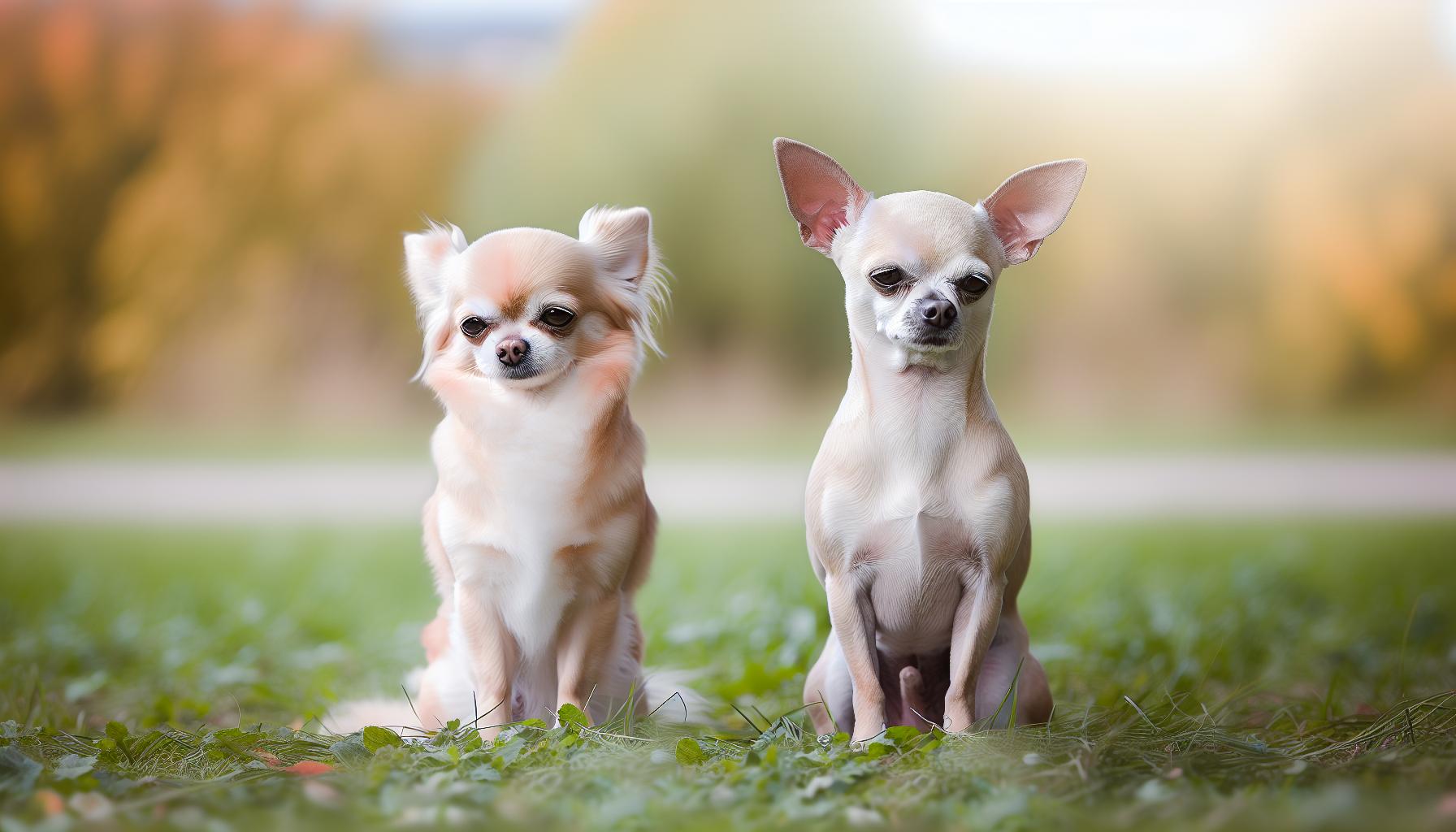
Different Types of Chihuahuas: Apple-Head vs. Deer-Head
Chihuahuas are charming little companions, and two main types stand out within the breed: apple-heads and deer-heads. Each type has its unique appearance and personality traits, which can significantly influence the experience of owning one. Understanding these distinctions is crucial for prospective owners to make informed choices that align with their lifestyles.
Apple-head Chihuahuas epitomize the breed’s classic look, characterized by a rounded skull that resembles an apple-a feature from which they derive their name. Their large, expressive eyes often give them a more regal appearance. These Chihuahuas generally have a confident and assertive demeanor, proudly showcasing their feisty personalities. Owners often report that apple-heads can be a bit more high-strung, possibly due to their keen awareness of their surroundings. This sometimes translates to a more vocal nature, creating an entertaining yet occasionally challenging dynamic for families who value peace and quiet.
On the other hand, deer-head Chihuahuas boast a more elongated muzzle and larger ears, resembling a small deer. This type tends to have a more relaxed and easygoing temperament, making them great companions for those who prefer a more laid-back pet. Due to their larger size compared to apple-heads, many owners find deer-head Chihuahuas embody a playful spirit and are often less prone to anxiety. Their friendly disposition could make them more adaptable to various social situations, including families with children or other pets.
When considering a Chihuahua, one should also factor in the care requirements associated with each type. Both types can exhibit a variety of coat types (smooth, long-haired) that require specific grooming routines. For example, smooth-coated Chihuahuas might need less grooming than their long-haired counterparts, but all Chihuahuas benefit from regular brushing to keep their coats healthy and reduce shedding.
Ultimately, whether you find yourself drawn to the apple-head’s distinct personality or the deer-head’s easygoing nature, embracing the quirks and needs of your chosen Chihuahua is essential. Owners are encouraged to engage with their pups, fostering a bond that not only enhances their unique traits but also ensures a happy and healthy companionship. By understanding the traits that distinguish apple-head from deer-head Chihuahuas, you can better prepare to welcome a spirited and loyal friend into your home.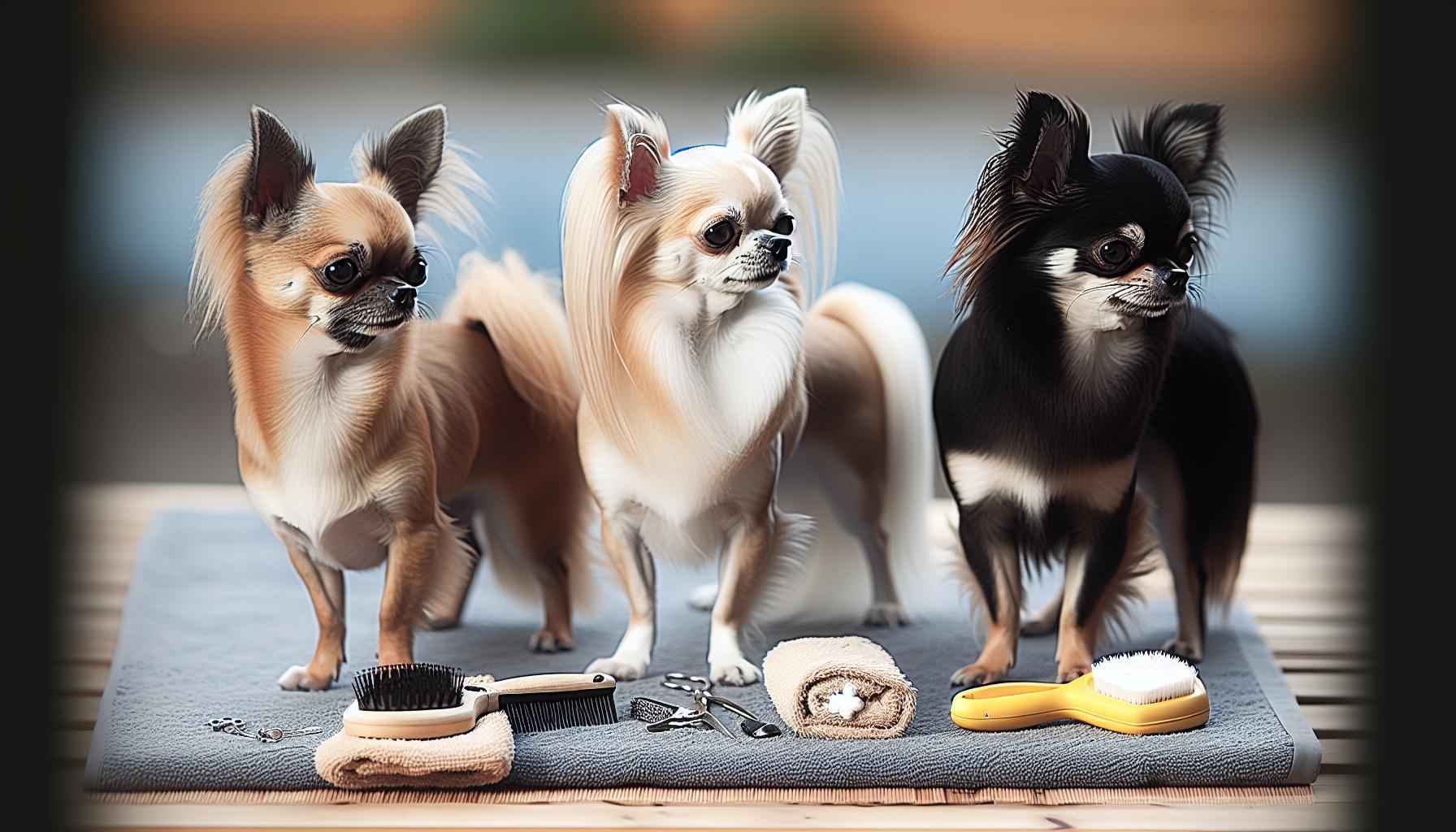
Chihuahua Coat Variations and Care Requirements
Chihuahuas are as diverse in their coats as they are in their personalities, and understanding these variations is crucial for any owner. The two primary coat types in Chihuahuas are smooth and long-haired, each presenting unique care requirements and aesthetic appeal. Regardless of the coat type, these little companions need regular grooming and attention to maintain their health and happiness.
Smooth-Coated Chihuahuas
Smooth-coated Chihuahuas have short, glossy fur that lies close to their bodies. This coat type typically requires less grooming than long-haired Chihuahuas, making them a great choice for busy owners. A weekly brushing session can help remove loose hairs and keep their skin healthy. During shedding seasons, you might find it beneficial to brush more frequently to manage loose fur effectively.
Long-Haired Chihuahuas
In contrast, long-haired Chihuahuas flaunt a beautiful, flowing coat that can range from soft and silky to fine and wavy. These dogs require more attention when it comes to grooming; daily brushing is ideal to prevent matting and tangling. Regular baths are also recommended, but be sure to use a pet-specific shampoo to keep their coat in top condition. Owners often find that using a detangling spray helps maintain their luxurious fur.
Coat Care Essentials
Regardless of the coat type, some grooming practices remain constant:
- Regular Brushing: Helps reduce shedding and promotes a healthy coat.
- Bathing: Keep their coat clean but avoid over-bathing, which can strip natural oils.
- Nail Trimming: Essential for both types; long nails can be uncomfortable when walking.
- Ears and Teeth: Routine checks and cleaning are necessary to prevent infections.
Many Chihuahua owners find success using specific grooming tools, such as slicker brushes for long-haired Chihuahuas and rubber curry brushes for smooth-coated ones. These tools cater to their unique grooming needs, making the process enjoyable for both pet and owner.
In summary, keeping your Chihuahua’s coat in great shape is about understanding their specific type and setting up a grooming routine that fits their needs. By investing time in grooming, you not only enhance their appearance but also strengthen the bond you share. Remember, every Chihuahua is unique, and their quirks can be a joy to embrace as you navigate their care together.
Health Concerns Every Chihuahua Owner Should Know
Chihuahuas, while adored for their feisty spirit and charming appearances, may face several health concerns that every owner should be aware of. Their small size can predispose them to specific issues, particularly relating to their bones and teeth. Regular vet check-ups are crucial, as early detection can often mitigate more significant health problems down the line.
One prevalent issue in Chihuahuas is dental disease, largely due to their small mouths. Dental care should start early; daily brushing and dental treats can help maintain oral hygiene and prevent tartar buildup. Additionally, regular veterinary dental cleanings are highly recommended. A concerned Chihuahua owner once shared how establishing a daily brushing routine not only improved her pup’s breath but also significantly reduced his vet bills-such preventive care pays off!
Another concern is patellar luxation, a condition where the kneecap dislocates or moves out of its normal location. This is more common in small breeds and can lead to pain and lameness. If your Chihuahua shows signs of limping or hesitance to jump, it’s vital to consult your vet. Some owners have had success with physical therapy, helping their fur babies regain mobility and strength.
Chihuahuas can also be prone to heart problems, particularly mitral valve disease, which is common in older dogs. Keeping an eye on weight and ensuring a balanced diet can ease the strain on their hearts. Diet change should be discussed with a veterinarian, especially as your Chihuahua ages.
Lastly, keep an eye on hypoglycemia, particularly in puppies. These tiny dynamos can experience dangerously low blood sugar if not fed properly. Frequent, small meals that include high-quality puppy food, along with a consistent feeding schedule, can help prevent this condition. Many owners recommend carrying a small snack in your bag during outings to ensure your little friend has a quick energy boost if needed.
Being proactive about these health concerns not only fosters a longer, healthier life for your Chihuahua but also enhances your bond, as regular care routines become opportunities for quality time together. Remember, each Chihuahua is unique, and understanding these breed-specific health issues will make you a more informed and confident owner.
Socialization Needs: Raising a Well-Adjusted Chihuahua
To raise a well-adjusted Chihuahua, understanding their unique socialization needs is crucial. These little companions have vibrant personalities, often characterized by their boldness and eagerness to communicate. However, without proper socialization, their spirited nature can lead to anxiety or defensiveness around unfamiliar people, pets, or environments. Start the socialization process early, ideally during the puppy stage, to instill confidence in your Chihuahua. Engaging in positive experiences with various sights, sounds, and people can help shape their behavior into that of a friendly and well-mannered companion.
Regular outings are essential. Introduce your Chihuahua to different environments, whether it’s a bustling park or a quiet café. Positive reinforcement is key-when your pup confidently engages with new experiences, reward them with treats or affection. For instance, a Chihuahua owner noted how her little one blossomed from being shy to being the star of the neighborhood dog park after daily socialization sessions. Each positive encounter helps build their resilience and trust.
Despite their small size, Chihuahuas thrive on interactions with other dogs and people. Arrange playdates with familiar dogs that your Chihuahua enjoys; this not only boosts social skills but also provides an outlet for energy. The more interactions they experience, the less likely they are to develop aggressive tendencies or fears. Remember, however, to monitor play closely-some Chihuahuas can be more vocal and assertive, and ensuring a safe environment is essential for harmonious play.
Additionally, consider incorporating training classes into your socialization regimen. Puppy classes can be fantastic for exposing your Chihuahua to other dogs while learning basic commands under the guidance of a professional. Not only does this facilitate positive social interactions, but it also bolsters the bond between you and your furry friend through shared experiences and learning opportunities. Always approach socialization with patience and empathy; your Chihuahua will mirror your energy and attitude. As you cultivate a diverse social environment, you’ll likely notice their personality shine even brighter, transforming into a loving and confident companion.
Training Tips for Your Energetic Chihuahua
Training a lively Chihuahua can be an exciting journey filled with personality and fun. These tiny dogs, often bursting with energy and character, require a training approach that’s as dynamic as their nature. Understanding their unique temperament is crucial. They can be vocal and assertive, qualities that, when channeled properly, can make training an enjoyable adventure for both of you.
To begin with, embrace positive reinforcement as your primary training method. Chihuahuas respond well to treats, compliments, and affection when they perform a desired behavior. For instance, if your Chihuahua learns to sit on command, immediately reward him with a tasty treat or enthusiastic praise. This builds a strong association between the behavior and a positive outcome, encouraging him to repeat the action. Real-life examples include owners who have successfully taught their Chihuahuas tricks like “roll over” or “play dead” using this method. Remember, keeping training sessions short, around 5 to 10 minutes, can help maintain his focus and enthusiasm.
Consistency is another key factor in training. Establish a routine that your Chihuahua can rely on. Regular commands, the same tone of voice, and the same reward system each time will help him grasp what you expect. For example, if you use “come” to call him, always use that term rather than mixing it with “here” or other variations. This familiarity makes learning easier and builds trust between you two.
Incorporate play into your training. Chihuahuas are playful creatures, and using their favorite toys or games can turn training into a fun activity. For instance, practice commands during fetch or hide and seek with treats. This not only reinforces learning but also gives your energetic Chihuahua the physical and mental stimulation he craves.
Lastly, be patient and watch for signs of exhaustion. Chihuahuas can be surprisingly sensitive and may become overwhelmed. If he seems uninterested or fatigued, take a break and try again later. Training is not just about obedience; it’s also about building a loving relationship with your furry companion. With the right blend of enthusiasm, patience, and love, your Chihuahua can become a well-mannered and joyful part of your life.
Nutrition Essentials for a Happy Chihuahua
Feeding your Chihuahua the right diet can significantly impact their health, energy levels, and overall happiness. With their small size, Chihuahuas have unique nutritional needs that differ from larger breeds. As a dedicated owner, understanding these requirements ensures your lively companion thrives, both physically and mentally.
Chihuahuas typically require a high-quality, complete dog food that is rich in protein and low in carbohydrates. Look for brands that specifically cater to small breeds. The ideal diet will have a meat source, such as chicken, beef, or fish, listed as the first ingredient. Protein is essential for maintaining their energy and supporting their active lifestyle. Additionally, small breed formulas often contain smaller kibble pieces, making it easier for their tiny mouths to chew and digest.
Incorporate a variety of food textures and flavors to keep mealtime interesting. Some owners have success with rotating between dry kibble and wet food, allowing their dogs to enjoy different sensory experiences. Just remember to transition gradually to avoid digestive upset. When it comes to snacks, choose small, healthy options. Zero-calorie vegetables like carrots and green beans can make fantastic, low-calorie treats that help maintain a healthy weight.
Chihuahuas can be prone to certain health issues, such as dental problems and obesity. Regular dental care is crucial; consider providing dental chews or toys designed to improve oral health. Portion control plays a vital role in preventing obesity, so always measure your Chihuahua’s daily food intake and adjust based on their activity level. Consult your veterinarian regarding the appropriate amount of food based on your dog’s age, size, and health status.
Understanding your Chihuahua’s individual reactions to their diet is just as important. Pay close attention to their energy levels, coat condition, and stool quality. If you notice any changes-like excessive shedding or gastrointestinal issues-consult your vet to potentially adjust their diet.
Providing a balanced and nutritious diet tailored to your Chihuahua’s specific needs lays the groundwork for a long, happy life together. Embrace their quirks and unique personalities by making feeding a joyful and interactive experience, using meal times not just for nutrition but also as a bonding moment. Remember, a well-fed Chihuahua is a happy Chihuahua!
Grooming Your Chihuahua: Techniques for Different Coat Types
The delightful traits of Chihuahuas are often matched by the sheer charm of their varied coat types. Whether your little companion is a smooth coat or a long coat, grooming is an essential part of keeping him healthy and looking fabulous. Regular grooming not only reduces shedding but also allows you to check for any skin issues or parasites, creating a perfect bonding opportunity between you and your furry friend.
For smooth-coated Chihuahuas, the grooming process is fairly straightforward due to their short fur. Use a soft bristle brush a couple of times a week to remove loose hair and dead skin. This breed tends to enjoy the gentle sensation of brushing, primarily because it mimics the attention they crave. During grooming sessions, take the time to check his ears for wax buildup and his teeth for plaque, as dental health is crucial for Chihuahuas.
In contrast, long-coated Chihuahuas require a bit more effort. Their luscious locks can easily become tangled or matted, especially in areas like the ears and tail. A slicker brush works wonders in keeping their coat free of knots, and it’s best to brush them several times a week-or even daily for the more unruly coats. Bath time is also crucial; ensure you use a dog-specific shampoo that maintains your Chihuahua’s natural oils. After washing, a good conditioning can help keep his coat shiny and healthy.
Ultimately, both coat types benefit from regular check-ups where you gently inspect for any irritations or unusual growths. Always finish your grooming session with praise and perhaps a treat, reinforcing the positives of grooming. Remember, your Chihuahua not only enjoys being pampered but also looks forward to the quality time spent together. Make it fun, and you’ll both enjoy the process!
Playtime and Exercise: Keeping Your Chihuahua Active
Chihuahuas may be small, but their energy levels and playful personalities are often larger than life. These little companions thrive on interaction and exercise, which is crucial for their physical and mental well-being. Engaging your Chihuahua in regular playtime not only keeps them fit but also helps strengthen the bond between you. A well-exercised Chihuahua tends to be calmer, happier, and less prone to behavioral issues, making playtime an essential part of your daily routine.
To keep things interesting, vary the types of activities you do. Chihuahuas can enjoy a range of games, from chasing balls to tug-of-war. Because of their size, they don’t require extensive space; a small yard or even a living room can serve as a great play zone. Incorporate short walks during the day, aiming for 20-30 minutes, but remember that Chihuahuas can tire quickly, so adjust the pace and duration to suit your little body’s limits. Additionally, consider introducing interactive toys that challenge their minds. Puzzle toys can stimulate a Chihuahua’s curiosity and keep them entertained when you cannot play directly with them.
Playtime Ideas
Here are a few fun ways to engage your Chihuahua during playtime:
- Fetch: This classic game can be delightful for Chihuahuas! Use a lightweight ball or toy, and throw it a short distance for him to retrieve.
- Hide and Seek: Use treats or toys to hide around the house, encouraging your Chihuahua to find them. This taps into their natural foraging instincts.
- Tug-of-War: Use a soft rope toy. Ensure to teach him to “drop it” to maintain control of the game.
- Obstacle Courses: Create a mini agility course with household items. This can strengthen their coordination and confidence.
Adjusting for Coat and Size
Whether you have a smooth or long-coated Chihuahua, playtime adjustments can cater to his needs. Smooth-coated Chihuahuas, such as those with apple-head appearances, may enjoy more vigorous play through their increased energy, while long-coat Chihuahuas might prefer less intense activities to prevent matting and tangling of their fur. Recognizing your Chihuahua’s unique traits and preferences will inform you on how to create the best play experiences.
Remember, Chihuahuas are pack animals at heart, relishing in companionship. So, as much as the physical activity is vital, the emotional connection you foster during play will enrich his life, making him feel loved and secure. Whether you’re cuddled up playing or engaged in an active game, your Chihuahua will thrive with your attention and care.
Life Expectancy and Aging Considerations for Chihuahuas
Chihuahuas are known for their feisty personalities and charming quirks, but they also boast a surprising longevity. Often living between 12 to 20 years, these tiny companions can offer a substantial share of life, filled with love and energy. As a devoted Chihuahua owner, understanding the factors influencing their aging is essential for providing optimal care that supports their health and happiness throughout their lifespan.
One critical aspect of managing your Chihuahua’s golden years is regular veterinary check-ups. Annual health screenings can help catch potential issues early, such as dental disease, obesity, and heart conditions, which are common in older Chihuahuas. Maintaining a balanced diet suited for their age-whether they’re an apple-head or a long-coat-ensures that they get the proper nutrients while monitoring their caloric intake. Many owners find success with senior dog formulas that cater specifically to the needs of aging pups.
Social interaction and mental stimulation remain important throughout their lives. Engaging in gentle play sessions or training can be both enjoyable and beneficial. Keep their minds active with puzzle toys tailored for small breeds, which can stave off cognitive decline. Don’t forget to adjust physical activities to suit their energy levels; a leisurely walk in the park might be a better fit for your older Chihuahua instead of the high-energy games of fetch they once loved.
Pay particular attention to their comfort as they age. Providing a supportive, cushioned bed will help alleviate joint issues, while ensuring easy access to your lap or a favorite spot in the house can keep them feeling secure and loved. By respecting their unique personality traits-such as their fierce loyalty and sometimes vocal nature-you can support your Chihuahua through every stage of life, celebrating the joys of their golden years together.
Celebrating the Unique Quirks of Chihuahuas
Chihuahuas are a breed like no other, brimming with personality packed into their small frames. These little dogs aren’t just companions; they’re vibrant characters with a plethora of quirks that make them truly special. For many owners, it’s these endearing traits that enhance the joy of having a Chihuahua in their lives. From their confident postures to their bold barks, Chihuahuas possess a unique charm that captivates everyone around them.
One of the most notable quirks of Chihuahuas is their impressive vocal range. Whether it’s a high-pitched yip or a low growl, they certainly know how to make their presence known. This trait can be both a charm and a challenge, especially when they feel the need to announce every visitor or passing jogger. Early training can help manage excessive barking, but many owners find that a few loud barks simply add to the personality of their spirited Chihuahua. Moreover, their fierce loyalty and protective nature make them excellent little guardians, often taking on much larger animals or strangers with remarkable courage.
Another delightful aspect of living with a Chihuahua is their love for cuddling and comforting their humans. These dogs often seek warmth, making them perfect lap companions. Apple-head Chihuahuas, with their rounded skulls and sweet expressions, are often seen nestling comfortably against their owner’s chest, while deer-head varieties with their longer snouts can be just as affectionate. Regardless of the type, these little dogs have an innate ability to sense their owner’s emotions, providing companionship that is both heartfelt and delightful.
Chihuahuas can display an array of fascinating behaviors that reflect their personalities. They love to explore their surroundings and often exhibit signs of boldness in the face of new experiences. This adventurous spirit means they enjoy outdoor activities, whether it’s a casual stroll or a romp in the park. Owners report that their Chihuahuas might engage in playful antics, like zooming around the house or teasing larger dogs, showcasing their playful humor. It’s important for owners to embrace these quirks by providing a safe environment for exploration, along with regular playtime to keep their minds and bodies active.
Ultimately, the quirky nature of Chihuahuas adds a layer of joy and entertainment for their owners. Their spirited barks, cozy cuddles, and bold antics create a bond that is both special and rewarding. Understanding and celebrating these traits helps nurture a thriving relationship with this remarkable breed. Embrace the quirks of your Chihuahua, and you’ll find that life with them is nothing short of an adventure filled with love and laughter.
Frequently asked questions
Q: What are the common behavioral traits of Chihuahuas?
A: Chihuahuas are known for their bold and confident personalities. They can be vocal, loyal, and often develop strong bonds with their owners. Understanding these behaviors helps in effective training and socialization, ensuring your Chihuahua feels secure and happy.
Q: How should I socialize my Chihuahua with other pets?
A: Begin socializing your Chihuahua early by introducing them to other pets in a controlled environment. Use positive reinforcement and monitor their interactions to ensure comfort for both your Chihuahua and other animals. Refer to the Socialization Needs section in our guide for detailed tips.
Q: What is the best diet for a Chihuahua?
A: A high-quality, balanced diet is essential for Chihuahuas, focusing on protein and healthy fats. Smaller, frequent meals can help maintain their energy levels. Check out the Nutrition Essentials section for more information on portion sizes and feeding schedules.
Q: How often should I groom my Chihuahua?
A: Grooming frequency depends on your Chihuahua’s coat type. Short-haired Chihuahuas may require less grooming than long-haired variants, needing brushing at least once a week to remove loose fur. Visit our Grooming Techniques section for tailored advice based on coat types.
Q: Are Chihuahuas prone to specific health issues?
A: Yes, Chihuahuas can be prone to conditions such as dental disease, patellar luxation, and heart issues. Regular veterinary check-ups and maintaining a healthy diet can mitigate risks. For further details, see the Health Concerns section of our guide.
Q: How much exercise does a Chihuahua need daily?
A: Chihuahuas typically require about 20-30 minutes of exercise a day. This can include walks or interactive playtime. Their activity needs can vary by age and health, so observe your dog’s response to exercises. For more insights, check the Playtime and Exercise section.
Q: What is the life expectancy of a Chihuahua?
A: Chihuahuas generally live between 12 to 20 years, depending on factors like genetics, health care, and lifestyle. Regular vet visits and a healthy lifestyle contribute greatly to their longevity. Learn more in our Life Expectancy section.
Q: How can I make my Chihuahua feel more comfortable in new environments?
A: To help your Chihuahua adjust to new settings, provide a safe space with familiar items, practice gradual introductions, and offer positive reinforcement. Avoid overwhelming them with too many stimuli at once. Additional details can be found in our Socialization Needs section.
Future Outlook
As you embark on the rewarding journey of raising a Chihuahua, remember the unique blend of health, behavior, and care specific to this endearing breed. Celebrate their spirited nature-whether he’s the bold apple-head who steals the show or she’s the loyal companion snuggled by your side. With the insights from our guide, you’re equipped to navigate any challenges that may arise, ensuring a happy, healthy life for your little one.
Don’t stop here! Explore our articles on “Chihuahua Training Tips” and “Best Grooming Practices for Your Chihuahua” to deepen your understanding and enhance your bond. We’re here to help you thrive as an owner, so share your experiences or ask questions in the comments below-your insights may just inspire others! Join our newsletter for continuous tips and expert advice that make the most of your Chihuahua experience. Let’s keep the conversation going as you and your furry friend embark on unforgettable adventures together!
Get our latest guides, news, and insights highlighted in your Google Search & AI Overviews.