

Did you know that Chihuahuas, despite their tiny size, can face significant genetic health challenges? Understanding their unique health traits is essential for every Chihuahua owner. This genetic health assessment dives into the specific health issues that may affect your bold and loyal companion, from heart problems to dental disease. As a fellow Chihuahua enthusiast, I know how crucial it is to ensure your furry friend thrives. By recognizing potential health risks early, you can take proactive steps toward ensuring a longer, happier life for your little one. Let’s explore the health landscape of this charming breed, empowering you with knowledge that will enhance both your and your dog’s experiences together. Your Chihuahua deserves the best, and understanding their health is a vital part of that journey.
Understanding Chihuahua Health: Key Considerations
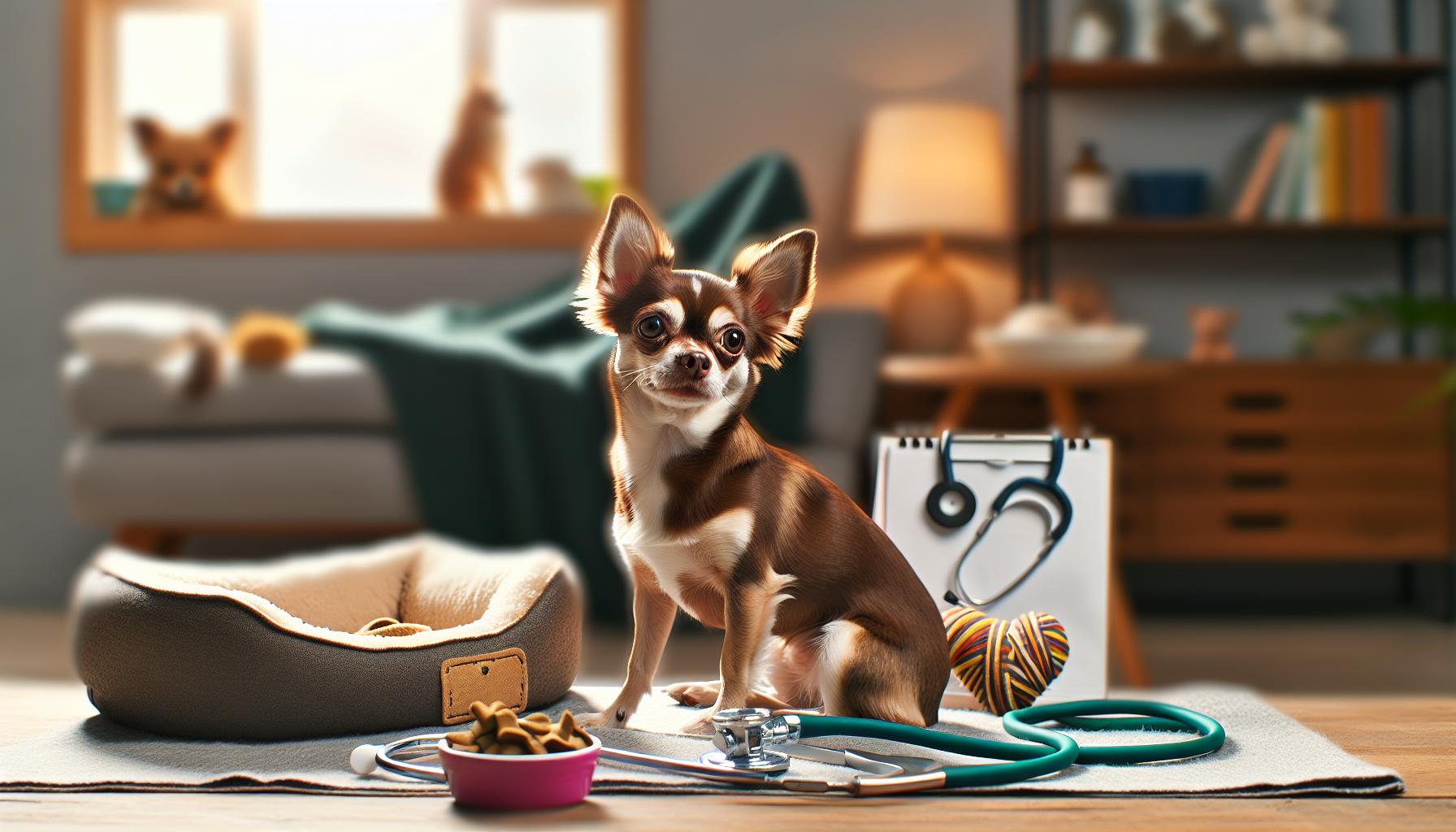
Chihuahuas may be small in size, but their bold personalities and unique quirks make them larger than life companions. As an owner of this spirited breed, understanding their health is crucial to ensure a happy, vibrant life for your furry friend. Chihuahuas are generally considered a healthy breed, but like all dogs, they can be prone to certain genetic health issues. Here are some key considerations regarding their health that every owner should be aware of.
Common Genetic Health Issues
Chihuahuas are known to face specific health challenges, including patellar luxation, heart disease, and dental problems. Patellar luxation is a condition where the kneecap dislocates, potentially leading to joint issues if left untreated. Heart disease, particularly mitral valve disease, is also prevalent in older Chihuahuas. Regular veterinary check-ups can help detect these conditions early, making treatment more effective. Additionally, because of their small mouths, Chihuahuas are predisposed to dental issues, so maintaining good oral hygiene is paramount.
Importance of Regular Vet Check-Ups
Routine veterinary visits are critical for your Chihuahua’s health. These check-ups provide an opportunity for vaccinations, preventive care, and wellness screenings that can catch problems before they escalate. Your vet can offer tailored advice based on your dog’s age, lifestyle, and specific health needs, helping to establish a plan that includes vaccinations and screenings appropriate for your Chihuahua’s breed and lifestyle.
Nutrition: Fueling a Healthy Chihuahua
Feeding your Chihuahua a balanced diet is essential for their overall well-being. High-quality, age-appropriate dog food will help maintain optimal weight and provide necessary nutrients. Chihuahuas can be prone to obesity; thus, mindful portion control and healthy snacks are important. Always consult your vet for dietary recommendations to meet your dog’s unique needs. Keep in mind that smaller dogs often have higher metabolic rates, making it essential to choose the right food and feeding schedule.
Preventive Care: Vaccinations and Health Screenings
Preventive care is key to keeping your Chihuahua healthy. Regular vaccinations, including those for rabies and distemper, are vital. These help protect your dog from dangerous diseases while also promoting public health. Along with vaccinations, routine health screenings for heart health and other conditions can help catch potential issues early. Staying proactive about your Chihuahua’s health can lead to longer, happier lives.
With a mix of proper care, attention to nutrition, and regular vet visits, you can support your Chihuahua’s health every step of the way. Cherish their unique quirks and, by ensuring their well-being, you’ll enjoy many affectionate moments together.
Common Genetic Health Issues in Chihuahuas
Chihuahuas are renowned for their vibrant personalities, but they are also susceptible to certain health issues that every proud owner should be aware of. Understanding these potential challenges can empower you to provide the best care for your tiny companion, ensuring that he or she lives a happy and fulfilling life.
One common concern is patellar luxation, a condition where the kneecap slips out of its normal position. This is particularly prevalent in smaller breeds, including Chihuahuas, and can lead to discomfort and long-term joint problems if left untreated. You might notice your little one occasionally skipping or holding up a leg-a clear sign to consult with your veterinarian. This issue can often be managed with physical therapy or, in severe cases, surgery.
Another significant health risk for Chihuahuas is heart disease, especially as they age. Conditions like mitral valve disease can develop, which affects the heart’s ability to function correctly. Regular vet check-ups are paramount to catching this early; your vet may recommend heart screenings if your Chihuahua shows signs of lethargy or decreased appetite. Being proactive about heart health can significantly improve your dog’s lifespan.
Chihuahuas also face a higher risk of dental problems due to their small mouths, which often results in overcrowded teeth. This predisposes them to issues like periodontal disease. Ensure you maintain a robust dental hygiene routine, including regular tooth brushing and professional cleanings. Providing dental chews and toys can also help keep their teeth clean and strong.
As a loving Chihuahua owner, being informed about these health concerns not only allows you to anticipate needs but also creates an environment of care and affection. A proactive approach in monitoring their health means you can cherish all those barking, cuddly moments for years to come. So, pay attention to their quirks, and don’t hesitate to reach out to your vet if you notice any changes-after all, your little companion depends on you!
The Importance of Regular Vet Check-Ups

Regular veterinary check-ups are essential for keeping your Chihuahua healthy and happy, much like a visit to the doctor for you. These little dynamo companions may appear robust, but their small size makes them particularly vulnerable to health issues that can develop silently. By establishing a routine vet schedule, you’re setting the stage for a long and vibrant life filled with playful adventures.
Chihuahuas can face some specific health risks, including heart disease, dental problems, and joint issues. During check-ups, your veterinarian can perform critical screenings to catch these conditions early. For instance, if your sweet apple-head Chihuahua starts losing interest in her favorite toys or seems less vocal, these could be early signs of something amiss, like a heart condition. Regular vet visits allow vets to monitor such changes and recommend heart health screenings when needed.
Moreover, dental care is paramount with this breed. Small mouths often lead to overcrowding and subsequent tooth decay or gum disease. Surprisingly, poor dental health can also lead to other health complications, including heart disease. During your vet appointments, your veterinarian can check for dental issues and provide you with cleaning tips, making your role in preventive care easier. It’s a chance to discuss proper dental hygiene methods, like the best toothbrushes or treats for keeping your pup’s pearly whites gleaming.
Lastly, veterinary visits are more than just health checks; they also serve as an opportunity for you as a pet owner to ask questions and clarify any concerns. For example, if you’re unsure about your Chihuahua’s diet or exercise needs, your vet can provide tailored advice considering your dog’s unique personality and lifestyle. Embrace these visits as part of maintaining your beloved companion’s quality of life, ensuring many joyful moments together. Remember, as their dedicated owner, staying on top of these health assessments is one of the most loving things you can do.
Nutrition: Fueling a Healthy Chihuahua

Providing the right nutrition for your Chihuahua is crucial not just for maintaining a healthy weight but also for preventing some common health issues that can arise in this petite breed. These spunky little companions, whether they’re the smooth-coated or long-haired variety, require a balanced diet tailored to their unique needs. Understanding how to fuel your Chihuahua can contribute significantly to their overall well-being, lifespan, and playful spirit.
When selecting a diet for your Chihuahua, consider high-quality commercial dog foods that specify “complete and balanced” nutrition on their label. Look for options that list real meat as the first ingredient to help support healthy muscle development. Since Chihuahuas have tiny stomachs, feeding them high-density, nutrient-rich foods is essential. Feeding smaller, more frequent meals can also help prevent tummy troubles, and many owners find success in feeding 2-3 meals a day.
Specific Dietary Needs
Chihuahuas can be prone to obesity, which can lead to heart conditions and joint issues, so it’s essential to monitor their calorie intake. Here are some tips to help you navigate their dietary requirements:
- Proteins: Ensure that your pup’s food has high-quality protein sources. Chicken, turkey, and fish are excellent options.
- Healthy Fats: Include sources of omega fatty acids found in fish oil to promote a shiny coat and healthy skin.
- Carbohydrates: Opt for whole grains like brown rice or quinoa, which aid digestion and provide energy.
- Vitamins and Minerals: Supplement their diet with fruits and vegetables such as blueberries and carrots for added nutrients.
Remember that not all human foods are safe for Chihuahuas. Common toxic foods include grapes, chocolate, and anything containing xylitol. If you’re ever in doubt, consult your veterinarian on what treats to share or what homemade meals can be safely introduced into your Chihuahua’s diet.
Hydration and Weight Management
Hydration is another key aspect of your Chihuahua’s diet. Always have fresh water available to keep them hydrated, especially after meals or playtime. Monitor their weight closely-weekly weigh-ins can help track changes. If you notice your Chihuahua gaining weight, consider reducing portion sizes or switching to a lower-calorie dog food designed for weight management.
Lastly, it’s essential to observe how your dog reacts to their diet. Every Chihuahua has unique preferences and tolerances. A dog owner shared how their apple-head Chihuahua preferred kibble soaked in warm water, making it easier to eat. It’s all about finding what works best for your furry friend while ensuring they get the nutrients they need.
By focusing on proper nutrition tailored to their small stature and health needs, you’ll be setting the stage for a vibrant, energetic life filled with snuggles, barks, and endless adventures. Your attention to their diet not only supports their health but also enhances the bond you share as a loving owner.
Preventive Care: Vaccinations and Health Screenings
Vaccinations and health screenings play a vital role in ensuring the long-term health and happiness of your Chihuahua. These tiny creatures, known for their big personalities, are often prone to certain health issues that can be mitigated with proper preventive care. As a responsible owner, being proactive about their health can lead to early detection of problems and significantly enhance their quality of life.
Chihuahuas should receive core vaccinations starting from a young age. These include vaccines for diseases such as parvovirus, distemper, and rabies. Regular booster shots are essential to maintain immunity as your furry friend ages. Many owners are surprised to learn that due to their smaller size, Chihuahuas may have different reactions to vaccinations compared to larger breeds, so it’s important to discuss any concerns with your veterinarian. For instance, one proud Chihuahua owner noticed her pup feeling a bit lethargic after a vaccine, prompting her to reach out to her vet. They assured her that this was a normal response, reassuring her about her apple-head Chihuahua’s health.
Routine health screenings are just as important. Regular check-ups allow your veterinarian to monitor for any signs of genetic health issues that Chihuahuas might face, such as heart problems or patellar luxation. Your vet will typically recommend a wellness exam at least once a year, but older Chihuahuas or those with existing health conditions may need more frequent visits. During these appointments, your vet will assess your dog’s weight, dental health, and overall condition, providing tailored advice for preventive care.
In addition to vaccinations and health screenings, staying on top of your Chihuahua’s dental health is vital. This breed is particularly susceptible to dental issues, which can lead to more serious health complications if left unchecked. Regular dental cleanings, along with at-home care like brushing your pup’s teeth, can help keep their smile bright and healthy.
Being informed about your Chihuahua’s vaccination schedule and embracing a routine of check-ups and screenings will ensure your little friend leads a happy, healthy life. By celebrating their quirks and unique personalities while providing the best medical care, you’re setting up a foundation for many years of joyous companionship.
Signs of Illness in Chihuahuas: What to Watch For
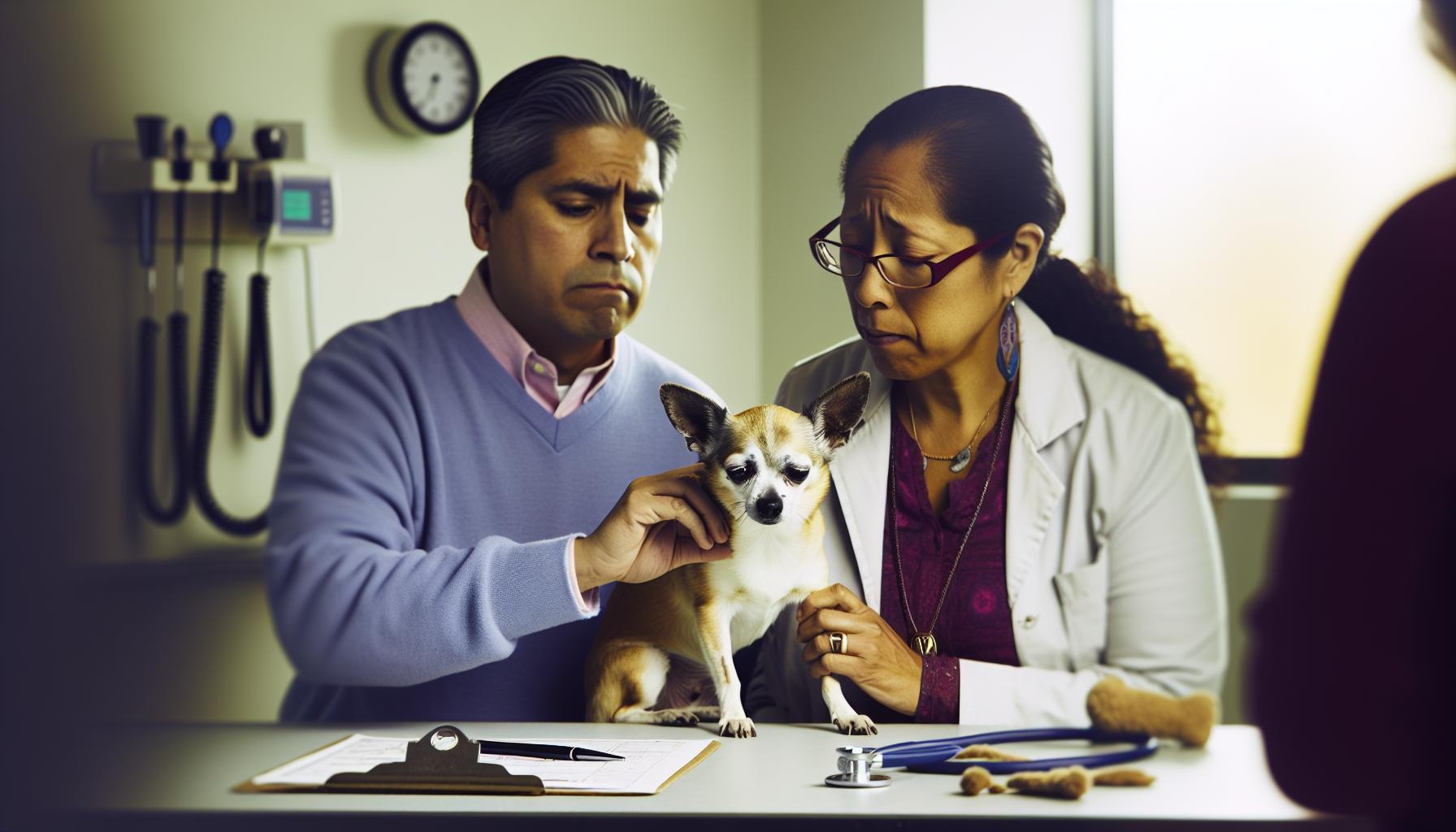
Chihuahuas, with their bold personalities and charming quirks, can sometimes mask signs of illness due to their spirited nature. However, being attentive to changes in behavior or physical condition is crucial for early intervention and maintaining your little friend’s health. As an owner, recognizing the signs of potential health issues can mean the difference between a minor problem and something more serious. Let’s look at key indicators that your Chihuahua might need veterinary attention.
Behavioral Changes
One of the first things to notice is any shift in your Chihuahua’s behavior. If they suddenly become lethargic, lose interest in their favorite toys, or stop engaging with you and others, these can be signs of discomfort or illness. For example, a dedicated Chihuahua mom noticed her usually vocal apple-head became quieter than usual. After a check-up, it turned out her pup had a mild infection that needed treating.
- Unusual Aggression or Anxiety: Changes in mood, such as increased aggression or anxiety, might signify pain or stress.
- Reduced Appetite or Excessive Thirst: A sudden lack of interest in food or an increase in water intake can indicate underlying health issues.
Physical Symptoms
Vigilance regarding physical symptoms is equally important. Regularly check your Chihuahua’s body for any abnormalities. Here are some signs to watch for:
- Vomiting or Diarrhea: Occasional stomach upset may occur, but persistent vomiting or diarrhea warrants immediate attention.
- Coughing or Difficulty Breathing: Respiratory issues can be serious; a Chihuahua experiencing cough or wheeze should see a veterinarian.
- Weight Loss or Gain: Significant changes in weight can indicate metabolic issues or other health problems.
- Skin and Coat Irregularities: Look for unusual hair loss, bumps, or redness on the skin. Chihuahuas are prone to allergies that can affect their coats.
Dental Health Awareness
Since Chihuahuas are prone to dental issues, keeping an eye on their oral health can’t be overlooked. Bad breath, difficulty eating, or inflamed gums should prompt concern. Regular brushing and dental check-ups can prevent large-scale health issues stemming from poor dental hygiene.
Regular monitoring and open communication with your vet are key to maintaining your Chihuahua’s health. Being proactive and attentive to these signs will help ensure your little companion lives a happy, vibrant life, full of those charming, bold antics we love so much.
Managing Chihuahuas’ Dental Health
Chihuahuas are a breed that brings boundless joy, but owners must pay special attention to their dental health. These spirited little companions are notorious for developing dental issues, primarily due to their small mouths and crowded teeth. Regular dental maintenance is essential to prevent problems such as periodontal disease, which can lead to pain, tooth loss, and even impact their overall health.
One effective approach is to establish a consistent dental care routine. Daily brushing is ideal; however, if that’s not feasible, aim for at least a few times a week. Use a toothbrush and toothpaste specifically designed for dogs-human toothpaste can be harmful. Many Chihuahua owners have found that a finger brush is easier to handle and can help get their pup accustomed to the process. Be patient during brushing sessions. Start slowly, rewarding your Chihuahua with treats or praise to make it a positive experience.
In addition to brushing, dental chews and toys can play a significant role in keeping your Chihuahua’s teeth clean. These products not only help reduce plaque but also satisfy their natural urge to chew. When choosing dental chews, ensure they’re suitable for your Chihuahua’s size to prevent choking hazards. Always monitor your furry friend while they enjoy their chews to alleviate any concerns.
Regular veterinary check-ups should also include dental assessments. Your vet can identify early signs of dental disease and recommend professional cleanings when necessary. Chihuahuas, particularly those prone to dental problems, benefit greatly from these routine visits, which can lead to early interventions and help maintain their vibrant spirit and health. By taking these steps, you can help your Chihuahua enjoy a happier, healthier life, allowing them to showcase their unique, bold personalities to the fullest.
Exercise Needs for a Happy Chihuahua
Chihuahuas may be small, but their energy levels can be mighty! One of the most rewarding aspects of sharing your life with a Chihuahua is discovering their unique way of engaging with the world. Despite their tiny stature, these little companions have a big personality and require a tailored approach to exercise. Regular activity is crucial not only for maintaining their physical health but also for their mental wellbeing, helping to prevent behavioral issues triggered by boredom.
When considering the exercise needs of your Chihuahua, it’s essential to understand that they’re not just lap dogs. Daily walks or play sessions can keep your pup fit and happy. Aim for at least 30 minutes of exercise each day, divided into shorter walks and interactive playtime. Chihuahuas love to explore, and a change of scenery can be stimulating. You might take your pup to a secure backyard or a nearby park where they can lead the way on their mini-adventures. Just ensure the environment is safe, as Chihuahuas are vulnerable to larger animals and can tire quickly due to their small size.
Playtime Ideas
Chihuahuas thrive on play, and there are several engaging activities you can enjoy together:
- Fetch: A lightweight ball or toy can provide a lot of entertainment. While they may not be able to retrieve it from great distances, Chihuahuas usually have a knack for chasing small objects.
- Hide and Seek: This classic game can stimulate their mind. Hide treats around your home for your Chihuahua to find, or even hide yourself and call them to find you.
- Obstacle Courses: Set up a mini-course using household items to encourage agility. Guide them through safe, simple challenges to keep them active and engaged.
Socialization is also a critical aspect of exercise. Dog parks can serve as perfect venues for your Chihuahua to interact with other small dogs, helping to develop their social skills and allowing them to express their vocal, bold nature. Just be sure to supervise their playtime with larger dogs, as Chihuahuas can easily feel overwhelmed.
Incorporating play and exercise into your Chihuahua’s routine not only strengthens their body but also fosters a close bond between you and your little friend. A well-exercised Chihuahua is a happy Chihuahua, ready to showcase their charismatic personality and boundless enthusiasm for life. Make each exercise session fun and varied to keep them engaged, and you’ll see the rewards in their joyful, spirited behavior!
Mental Stimulation: Keeping Your Chihuahua Engaged
Chihuahuas are not just small companions; they possess vibrant personalities that need constant engagement to thrive. These intelligent little dogs can easily become bored, leading to behavioral issues like excessive barking, chewing, or even anxiety. Providing mental stimulation is essential for their happiness and overall well-being, especially considering some common genetic health issues, such as patellar luxation and heart conditions, which can affect their energy levels and activity preferences. Keeping your Chihuahua’s mind active can also help mitigate these health risks by encouraging them to stay engaged without overexerting themselves.
Incorporate a variety of engaging activities into your routine to keep your Chihuahua stimulated. One fantastic approach is using puzzle toys that dispense treats, challenging them to figure out how to get to their reward. These toys not only occupy their time but also encourage problem-solving skills. You might also introduce training sessions that include tricks or obedience commands. Chihuahuas are quick learners, and training can serve as both mental exercise and a way to strengthen your bond with her.
Social interactions play a significant role, too. Regular playdates with other small dogs allow your Chihuahua to engage with peers, providing socialization that is crucial for mental health. Similarly, outings to dog-friendly parks can introduce new scents and sights that stimulate curiosity and excitement. Just remember to keep a close eye on her during these excursions, as her small size makes her susceptible to rough play from larger dogs.
Lastly, be mindful of their environment at home. Rotate toys regularly to ensure she always has something “new” to explore. Set up a designated “discovery area” where she can safely explore different textures, sounds, and smells. This could include soft blankets, crinkly toys, or even a gentle stream of water she can play with under supervision. By understanding your Chihuahua’s need for mental engagement, you can create an enriching environment that complements her unique spirited nature, enhancing her quality of life and supporting her health in the long run.
Understanding Chihuahua Lifespan and Aging
Chihuahuas can live remarkably long lives, often reaching 12 to 20 years, largely thanks to their small size and generally robust nature. However, as they age, specific health challenges may arise that require diligent care and understanding from their owners. A Chihuahua’s lifespan is influenced not just by genetics but also by lifestyle factors such as diet, exercise, and veterinary care. Regular health screenings are crucial to catching potential issues early, allowing your little companion to thrive into their golden years.
As your Chihuahua ages, it’s essential to be aware of some common health concerns that can accompany their senior status. Conditions like patellar luxation, heart disease, and dental problems can become more prominent, so monitoring their wellbeing is key. Daily check-ins, such as noticing changes in behavior or eating habits, can provide critical insights into their health. Keep an eye out for signs of discomfort or unusual behavior; for example, if your Chihuahua who previously loved to play seems less active, this could indicate joint pain or dental issues.
Providing your aging Chihuahua with a balanced diet specifically formulated for seniors can significantly support their health. Food rich in antioxidants and low in calories helps maintain a healthy weight while still providing the essential nutrients they need. Additionally, consider tailoring their exercise routine-keeping sessions shorter but more frequent can help them stay engaged without overexertion. Strolling around the block or gentle playtime can keep both their bodies and spirits lifted.
Emotional wellbeing also takes center stage as dogs age. Senior Chihuahuas benefit from maintaining strong social connections and mental engagement. Activities like interactive play, puzzle toys, or gentle training sessions can stimulate their minds, enhancing their quality of life. Remember, the goal is not only to address physical health but also to nurture their vibrant personality.
By understanding the unique needs of your aging Chihuahua, you can create a loving and supportive environment that enhances their life and ensures their twilight years are filled with joy. Celebrate each day together, as the bond you share is invaluable, and your care can make all the difference in their longevity and happiness.
What to Expect in a Chihuahua’s Puppy Health
Bringing a Chihuahua puppy into your home is a heartwarming experience filled with excitement and a few responsibilities. This tiny breed, known for its bold personality and vibrant spirit, is often considered healthy, but like all breeds, Chihuahuas can be prone to specific health issues. Understanding what to expect in your puppy’s health journey will help you provide the best possible care for your new companion.
Firstly, Chihuahuas are generally robust, but they can inherit some genetic health conditions. Common concerns in this breed include patellar luxation, where the kneecap slips out of place, and heart murmurs, which can indicate underlying heart disease. Early detection is crucial, so regular vet visits starting from puppyhood can help monitor for these issues. To give your little one the healthiest start, choose a responsible breeder who conducts health screenings on their breeding dogs and provides a health guarantee for the puppies.
Nutrition plays a pivotal role in your Chihuahua’s health. Opt for high-quality, breed-specific puppy food rich in essential nutrients to support their growth and development. Since Chihuahuas have small mouths and teeth, you might find it helpful to choose smaller kibble or even consider wet food to make eating easier. Always ensure fresh water is available, as hydration is key for their well-being.
Preventive Care is Paramount
Don’t forget to schedule vaccinations and routine check-ups with your vet. These preventive measures not only protect your puppy from harmful diseases but also help catch any potential health problems early. Chihuahuas are somewhat prone to dental issues, so starting a dental care routine, including brushing their tiny teeth, is beneficial. This small investment in time can lead to a healthier, happier life for your puppy.
Lastly, socialization and mental stimulation are essential for a Chihuahua’s development. Early exposure to different environments, people, and other pets will help your puppy grow into a well-adjusted adult. Engaging your Chihuahua with toys and games is equally important; they thrive on interaction and love to use their clever minds. Puzzle toys or simple training commands can keep them engaged while building a strong bond with you.
By understanding and addressing the unique health needs of your Chihuahua puppy, you’ll set the stage for a long and vibrant life together. Ensure you nurture both their physical and emotional well-being, and you’ll see your little companion flourish.
Choosing a Responsible Breeder: Health Matters
Finding a healthy Chihuahua begins long before you bring one home; it starts with selecting a responsible breeder. This decision can significantly influence your new friend’s health and well-being throughout their life. The Chihuahua breed, loved for its spirited personality and small size, can be prone to certain genetic health issues. Therefore, doing your homework on breeders is essential for ensuring you choose a puppy with the best possible health background.
When evaluating potential breeders, ask about their health testing practices. Quality breeders conduct genetic screenings on their breeding dogs to check for common health concerns such as patellar luxation and heart murmurs. These screenings not only help in reducing the risk of hereditary conditions but also provide peace of mind that you’re welcoming a healthy puppy into your home. A reputable breeder should be transparent about their practices and willing to share health records or guarantees for the puppies they sell.
Moreover, consider the overall environment in which the puppies are raised. Puppies should be socialized in a loving and stimulating environment. Breeders who expose their litters to different sights, sounds, and experiences are setting the stage for well-adjusted adult Chihuahuas. For instance, one owner shares that their Chihuahua, raised in a bustling household, was comfortable around other pets and children, making the transition to a new home much smoother.
It’s also crucial to observe the breeder’s demeanor and communication. A responsible breeder should be passionate about the breed, willing to answer your questions, and eager to assist you in finding the best match for your lifestyle. If a breeder seems disinterested or overly focused on making a sale without regard for the puppies’ well-being, it’s a red flag. Remember, this is a partnership; a cooperative relationship with your breeder can lead to better support and guidance as you navigate your Chihuahua’s health journey.
In summary, focusing on a responsible breeder helps ensure not only a healthy start for your Chihuahua but also supports the breed’s integrity and vitality. Take your time to research, ask the right questions, and look for commitment to health in breeding practices to make the best choice for your future furry family member.
Frequently Asked Questions
Q: What are the most common health issues in Chihuahuas?
A: Chihuahuas are prone to specific health issues such as patellar luxation, heart disease, and dental problems. Regular veterinary check-ups can help monitor these conditions and ensure early intervention. For more details, see our section on Common Genetic Health Issues in Chihuahuas.
Q: How can I assess the genetic health of my Chihuahua?
A: You can assess your Chihuahua’s genetic health by obtaining a genetic health screening through a reputable veterinary clinic. This test identifies predispositions to certain diseases and conditions, allowing for proactive care and management. Check Choosing a Responsible Breeder for more insights.
Q: Are there specific dietary needs for Chihuahuas to maintain their health?
A: Yes, Chihuahuas require a high-quality diet rich in proteins and healthy fats. Specific formulations for small breeds can support their high metabolism. Ensure a balanced diet and consult with a vet for personalized recommendations. Refer to our Nutrition: Fueling a Healthy Chihuahua section for further guidance.
Q: How often should I take my Chihuahua to the vet for health check-ups?
A: It is advisable to take your Chihuahua for a vet check-up at least once a year. However, older Chihuahuas or those with health issues may need more frequent visits. Regular check-ups are essential to maintain their health and well-being. See The Importance of Regular Vet Check-Ups for more information.
Q: What preventive care should I provide for my Chihuahua?
A: Preventive care for Chihuahuas includes routine vaccinations, annual health screenings, and dental care. Establishing a preventive care routine can significantly reduce health risks. Check our Preventive Care: Vaccinations and Health Screenings section for details.
Q: How does aging affect the health of Chihuahuas?
A: As Chihuahuas age, they may develop various health conditions, including joint issues, dental problems, and heart disease. It’s essential to monitor their health closely and adjust their care as needed. Read Understanding Chihuahua Lifespan and Aging for comprehensive aging insights.
Q: What signs indicate my Chihuahua might be sick?
A: Signs your Chihuahua may be sick include loss of appetite, persistent coughing, and increased lethargy. Observing any changes in behavior is crucial for early detection of health issues. For more symptoms to watch for, refer to our Signs of Illness in Chihuahuas section.
Q: What role does mental stimulation play in my Chihuahua’s health?
A: Mental stimulation is vital for a Chihuahua’s well-being as it prevents boredom and anxiety. Engaging activities like puzzle toys and training sessions help keep their minds active and healthy. For tips on keeping your Chihuahua engaged, see our Mental Stimulation: Keeping Your Chihuahua Engaged section.
To Conclude
As we’ve explored, Chihuahuas are a vibrant breed with unique health considerations that every owner should understand. By recognizing potential genetic predispositions, you can take proactive steps to ensure your little companion leads a happy and healthy life. Remember, routine vet check-ups and awareness of their specific needs-like dental care and exercise-play a key role in their well-being.
If you’re eager to learn more, check out our articles on Chihuahua Care Essentials and signs of Common Health Issues to stay informed. Don’t forget to subscribe to our newsletter for ongoing tips and resources tailored just for Chihuahua owners! Your commitment to understanding your furry friend not only helps them thrive but also enriches the bond you share. Share your thoughts in the comments below-let’s connect as a community of devoted Chihuahua lovers!
Get our latest guides, news, and insights highlighted in your Google Search & AI Overviews.