

As a proud Chihuahua owner, you know these spirited little companions, with their bold personalities and undeniable charm, are susceptible to various health issues, including joint diseases like arthritis. Did you know that small breeds, particularly Chihuahuas, are at risk due to their unique anatomy? Arthritis can bring discomfort and limit your furry friend’s mobility, affecting their quality of life. Understanding how to prevent joint disease is crucial for keeping your Chihuahua happy and active. This article will explore essential strategies for safeguarding your Chihuahua’s joints, from diet and exercise to mindful care practices. Join us as we dive into how you can ensure your tiny buddy stays healthy and spry for years to come.
Do Chihuahuas Suffer from Arthritis? Understanding the Risks
Chihuahuas, with their spirited personalities and boundless energy, can be prone to a variety of health concerns, one of which is arthritis. This degenerative joint disease affects dogs of all sizes, but the risks can be particularly pronounced in small breeds like Chihuahuas. The combination of factors such as their tiny frames, genetic predispositions, and even lifestyle can contribute to the likelihood of developing arthritis as they age. This puts the onus on owners to be vigilant about their Chihuahua’s joint health, especially since early intervention can significantly improve their quality of life.
Understanding the risks associated with arthritis in Chihuahuas involves recognizing the breed’s specific health traits. For instance, Chihuahua owners should be aware that excessive weight can exacerbate joint issues. A few extra pounds might seem harmless, but they put undue stress on fragile joints, speeding up the degeneration process. Additionally, many Chihuahuas exhibit a bold and fearless demeanor, which can lead them to engage in high-impact activities or rough play, further increasing the risk of joint injuries.
Regular veterinary check-ups are vital for monitoring the health of your Chihuahua, particularly as he ages. During these visits, your veterinarian can assess joint functionality and recommend preventative measures tailored to your pet’s lifestyle and genetic background. Early detection and management are key; awareness of this disease will not only equip you to take early action but also foster a deeper understanding of your Chihuahua’s unique health needs.
In summary, as a devoted Chihuahua owner, being informed about arthritis can help you prepare for and potentially mitigate the impacts of this condition. By fostering a proactive approach to their health, you’re ensuring that your little companion remains vibrant and engaged for years to come.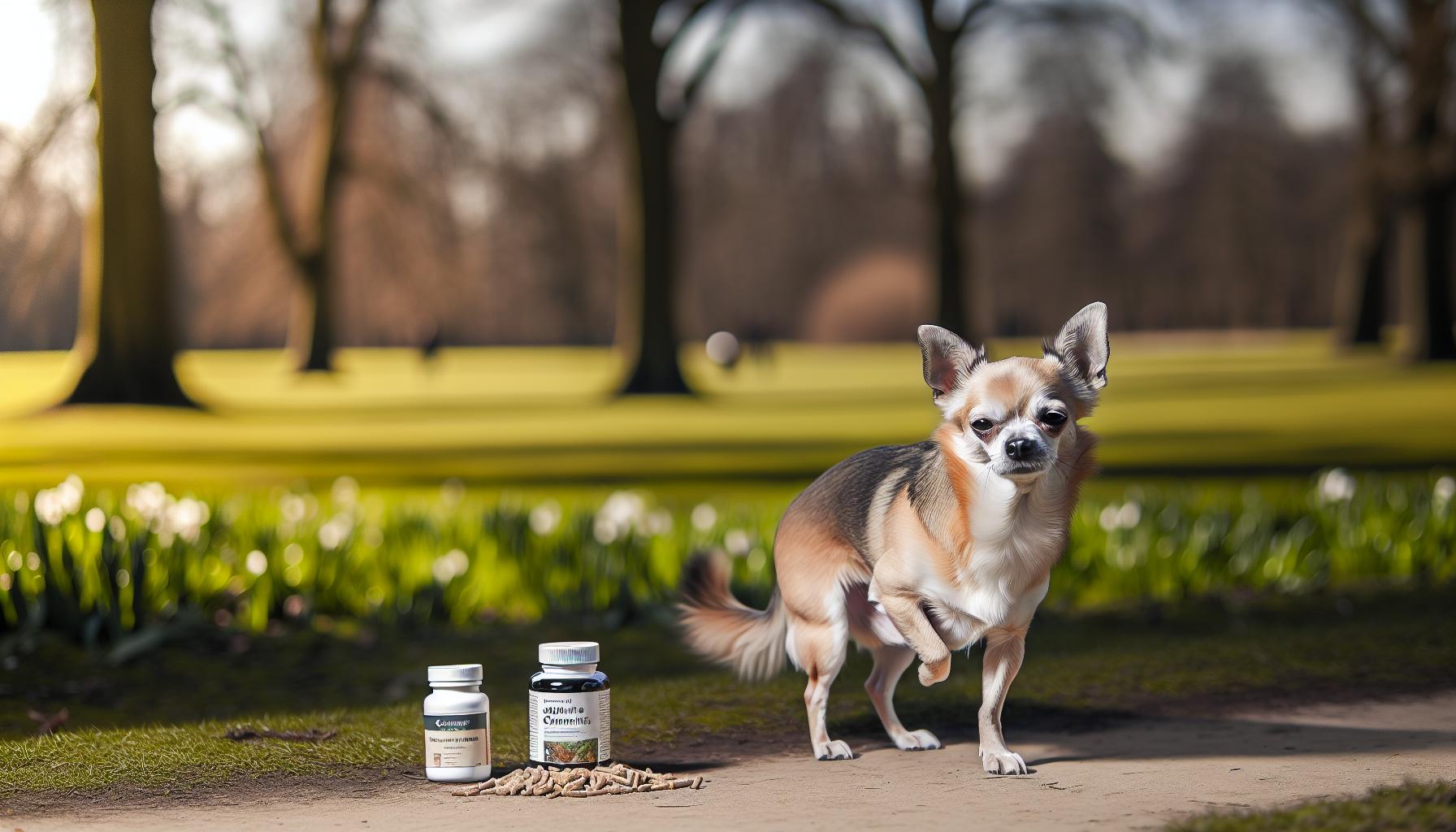
How Joint Health Can Affect Your Chihuahua
Joint health is pivotal for your Chihuahua’s overall well-being, especially considering their tiny frames and spirited nature. These little dogs, known for their boundless energy and bold personalities, can be at greater risk for developing joint issues like arthritis as they age. Therefore, understanding how joint health impacts their quality of life is essential for every owner.
The small size of Chihuahuas can be both a blessing and a curse. Their delicate joints are subject to wear and tear, exacerbated by their active play styles. When a Chihuahua jumps or runs-often with reckless abandon-there’s significant stress placed on their joints. A simple game of fetch could potentially lead to injury if they land awkwardly, particularly if they’re carrying excess weight, which puts even further strain on those fragile joints. For instance, a Chihuahua named Bella, who loved to bounce around the backyard, developed joint pain after a rough fall during play. Her owner quickly learned that moderation in exercise and careful supervision was crucial to prevent injuries.
One effective way to maintain joint health in your Chihuahua is through a balanced approach to diet and activity. A lightweight diet supplemented with joint-supporting nutrients (like Omega-3 fatty acids) can drastically improve joint resilience. Owners may consider incorporating fish oil or joint-specific supplements into their Chihuahua’s meals. Furthermore, gentle exercises such as short, low-impact walks can help maintain muscle tone without overexerting their joints. Engaging your furry friend in obedience training, rather than high-impact activities, can also foster both their mental and physical health.
Ultimately, keeping an eye on your Chihuahua’s joint health means more than just preventing arthritis; it’s about ensuring a vibrant, playful lifestyle. Regular veterinary check-ups will allow for early detection of any potential issues and tailored advice that suits your Chihuahua’s unique needs. With the right care, your little companion can continue to thrive and embrace life’s adventures with gusto.
Recognizing Early Signs of Arthritis in Chihuahuas
Chihuahuas, with their spirited personalities and feisty nature, can sometimes mask the early signs of arthritis, making it a challenge for us owners to recognize their discomfort. On the outside, your tiny companion may seem just as spirited as ever, but subtle changes in behavior can indicate underlying joint issues. It’s crucial to remain vigilant and aware of these early signs to ensure your furry friend continues to enjoy life to the fullest.
One of the first things to watch for is a change in activity levels. If your Chihuahua seems less enthusiastic about playtime or preferred activities, such as fetching a toy or chasing after a squirrel, it could signal discomfort. Many owners notice their Chihuahuas becoming hesitant to jump onto furniture or climb stairs, which they once did with ease. For instance, a proud Chihuahua named Max, who loved perching on his owner’s lap, started sliding down rather than jumping up, a behavior his owner quickly recognized as a potential issue.
Additionally, pay attention to any unusual behaviors during rest. If your Chihuahua has difficulty finding a comfortable position to lie down or seems to whine or whimper when getting up after a nap, these can be red flags. Increased stiffness after periods of inactivity, often noticeable after long naps, is another sign that joint health may be deteriorating. Owners should also be on the lookout for any limping or noticeable reluctance to move, as this can be a clear indication of pain in their joints.
Being proactive means keeping a close eye on these behavioral changes. Regular check-ups with your veterinarian can help facilitate early detection. If you notice these subtle shifts in behavior, don’t hesitate to schedule an appointment. The sooner any issues are identified, the better the chances of implementing effective strategies to manage your Chihuahua’s joint health and maintain their active lifestyle. Remember, your little companion relies on you to notice when something isn’t quite right-your attentiveness is essential to their happiness and well-being.
The Impact of Age on Chihuahua Joint Health
As your beloved Chihuahua ages, you may notice subtle yet significant changes in her energy levels, mobility, and overall joint health. Just like humans, dogs experience wear and tear on their joints as they grow older, leading to an increased risk of arthritis and other joint-related issues. It’s essential to understand these impacts so you can take proactive measures to enhance your furry friend’s quality of life.
With age, Chihuahuas tend to become less active. You might find her lounging more often or being hesitant to participate in her usual playful antics, such as chasing a ball or jumping onto the couch. This change can result in a vicious cycle: reduced activity can lead to weight gain, which in turn puts additional stress on her joints. Regular low-impact exercises, like gentle walks or playful interactions, can help maintain her mobility and manage her weight effectively. Consider adjusting her playtime according to her energy levels and encouraging less vigorous activities that keep her engaged without excessive strain.
Moreover, older Chihuahuas are often more sensitive to environmental factors. Cold weather or damp conditions can exacerbate joint pain, making it vital to provide a warm, cushioned resting area where she can comfortably relax. Look for orthopedic dog beds designed to support her joints and give her a cozy space to snuggle. You may also want to invest in ramps or steps to make accessing her favorite spots easier, reducing strain on her aged limbs.
Be vigilant for early signs of discomfort. If your Chihuahua begins to exhibit changes in her gait, like limping or difficulty in standing up after resting, these could indicate underlying joint problems that require your attention. Providing a diet rich in omega-3 fatty acids and antioxidants can support joint health, while consulting your vet about age-appropriate supplements, such as glucosamine, can also be beneficial. Remember, your tiny companion’s happiness depends on your attentive care, and being proactive about her joint health will help keep her spirited and active well into her golden years.
Preventative Measures for Joint Disease in Chihuahuas
As devoted Chihuahua owners, we know that our tiny companions are full of spunk and personality, but their small stature can make them susceptible to joint issues as they age. Joint disease, particularly arthritis, is a common concern among Chihuahuas that can significantly affect their mobility and quality of life. By implementing certain preventative measures early, you can help keep your little one active and happy for years to come.
One of the most effective strategies in preventing joint disease is maintaining a healthy weight. Excess weight adds unnecessary stress to your Chihuahua’s joints, increasing the likelihood of developing arthritis. To manage her weight effectively, consider the following steps:
- Balanced Diet: Offer high-quality dog food that’s appropriate for her age and size; look for options that are rich in omega-3 fatty acids to support joint health.
- Portion Control: Measure her food portions according to her needs, and avoid indulging in too many treats.
- Regular Feeding Schedule: Establish a consistent feeding routine to help regulate her metabolism.
Alongside a proper diet, regular, low-impact exercise is crucial for joint health. While Chihuahuas love their bursts of playtime, it’s important to incorporate gentle activities that won’t overstress their joints. Taking short, leisurely walks is an excellent way to keep her active while minimizing impact. Make it a habit to engage her in play that encourages movement but remains easy on her body, such as fetch with a soft toy or slow-paced games indoors. Many owners find that shorter but more frequent exercise sessions are beneficial, especially as their Chihuahuas age.
Environmental factors also play a significant role in joint health. Provide your Chihuahua with a warm, comfortable space that is free from drafts, particularly in colder months. Investing in a quality orthopedic bed can make a significant difference in ensuring she has the proper support during her rest. Additionally, ramps or steps can help her navigate household furniture without putting undue strain on her joints.
Lastly, don’t forget the power of supplements. Consult with your vet about incorporating natural supplements like glucosamine and chondroitin, which can help maintain joint function and mobility as she ages. Regular veterinary check-ups will allow you to stay proactive about her joint health, enabling early intervention if problems begin to arise.
By taking these steps and being mindful of your Chihuahua’s unique needs, you can help shield her from joint diseases and keep her playful and lively. After all, a happy Chihuahua is a healthy Chihuahua!
Essential Diets for Healthy Joints in Chihuahuas
To keep your spirited Chihuahua full of life and energy, paying close attention to her diet is essential, especially when it comes to preventing joint issues like arthritis. The right nutrition can provide the building blocks for healthy joints, ensuring that your little companion can chase after toys and snuggle comfortably during her downtime. A well-balanced diet that includes specific nutrients tailored for joint health can significantly reduce the risks associated with age-related joint diseases.
Start with high-quality dog food tailored to Chihuahuas’ unique needs. Look for options that are rich in omega-3 fatty acids, which are known to have anti-inflammatory properties. Ingredients sourced from fish, such as salmon or sardines, are fantastic for promoting joint health. Additionally, foods containing glucosamine and chondroitin-both natural compounds found in cartilage-can help maintain joint integrity and may slow the progression of arthritis. Always read labels and choose brands that prioritize real, whole food ingredients over fillers.
Portion control is also critical in managing your Chihuahua’s weight, as extra pounds can add pressure to her joints. Use a measuring cup to ensure feeding portions are appropriate for her size and activity level. Chihuahuas, despite their small stature, can have a surprising appetite! Split her meals into two or three servings throughout the day to support better digestion and help maintain stable energy levels. Remember to limit treats; if you want to indulge her, opt for healthy options like carrot sticks or small pieces of apple.
Nutritional Supplements
Introducing supplements can further bolster her joint health. Natural supplements such as glucosamine sulfate, chondroitin sulfate, and MSM (methylsulfonylmethane) can provide additional support. Consult with your veterinarian to customize a regimen based on her individual needs and health status. This proactive approach can make a world of difference in her mobility and overall well-being.
Incorporating these dietary changes will not only improve your Chihuahua’s joint health but also enhance her quality of life. A well-fed Chihuahua is a happy Chihuahua! By providing the right nutrients and managing her weight, you can ensure that she remains active, playful, and ready for adventure well into her golden years.
The Role of Exercise in Preventing Arthritis
Keeping your Chihuahua active is one of the most essential aspects of ensuring her joint health throughout her life. These little furballs may seem tiny, but they have an impressive level of energy that can work wonders for maintaining strong joints. Regular exercise not only helps manage her weight but also strengthens the muscles surrounding her joints, improving her overall stability and mobility. Engaging in daily physical activity can mean the difference between a sprightly pup and one who is more prone to the discomfort of arthritis.
Activities should be tailored to fit your Chihuahua’s unique personality and energy levels. For instance, short walks around the neighborhood, playful fetch sessions in the yard, or even agility training can keep her engaged and active. Remember, Chihuahuas can be a bit feisty and bold-don’t underestimate their ability to keep up! Incorporating playtime with other dogs or interactive toys can stimulate her mind and encourage more movement without resorting to excessive strain. A good rule of thumb is to aim for at least 30 minutes of moderate exercise each day, divided into smaller sessions to keep her from getting overtired.
It’s also crucial to monitor how she responds to exercise. Look for signs of fatigue or discomfort-if she starts limping, slows down significantly, or seems reluctant to join in on fun activities, it may be time to adjust her routine. As a Chihuahua owner, your instincts will guide you; you know her best. If she’s feeling sprightly, let her explore and run around, but if she’s showing signs of aging or discomfort, consider gentler activities like leisurely strolls or gentle indoor play.
Long-term commitment to regular exercise can help prevent joint issues down the line. Keeping that tiny, bold spirit moving will not only support joint health but also enhance her overall happiness and quality of life. Make each moment spent in activity a joyful exploration-whether she’s leaping after a toy or trotting beside you, every bit of movement counts toward keeping those little joints in top condition.
Natural Supplements for Joint Support in Chihuahuas
Natural supplements can play a crucial role in supporting joint health for your beloved Chihuahua. These tiny dynamos are prone to various health issues, including arthritis, especially as they age. Incorporating natural supplements into their diet can not only help prevent joint problems but also improve overall mobility and comfort.
Many owners have found success with supplements like glucosamine and chondroitin. These compounds are well-known for their ability to support cartilage health and joint function. Glucosamine works by stimulating the formation of new cartilage, while chondroitin helps maintain joint elasticity and lubrication. Many pet parents choose to start these supplements when their Chihuahuas are still young, aiming to fortify their joints before any issues arise.
Additionally, omega-3 fatty acids, commonly found in fish oil, can be beneficial. They possess anti-inflammatory properties that can reduce joint pain and stiffness. Many Chihuahuas enjoy the taste of fish oil, making it an easy addition to their meals. Consider looking for high-quality supplements specifically designed for dogs, ensuring they contain optimal dosages that cater to your pup’s size and needs.
Hyaluronic acid is another fantastic supplement worth exploring. Known for its ability to retain moisture in joints, it can improve the overall mobility of your Chihuahua. Owners often mix this into their dog’s food, providing an easy way to ensure consistent intake. It’s important to choose a reliable brand and consult with your veterinarian before introducing new supplements, especially if your Chihuahua is already on medication or has underlying health issues.
Understanding the right supplements to support your Chihuahua’s joint health will have a lasting impact on their quality of life. Each small step, like incorporating these natural aids, contributes to a happier, more active life for your adorable little companion. Always remember, a proactive approach to your Chihuahua’s health will allow her to maintain her spunky energy and joy for years to come.
Effective Treatments for Arthritis in Chihuahuas
Chihuahuas, with their vibrant personalities and spirited nature, can unfortunately be prone to arthritis, particularly as they age or if they face particular genetic predispositions. Owners frequently have questions about how to effectively manage this condition for their tiny companions. The key to dealing with arthritis in Chihuahuas lies in a combination of veterinary care, lifestyle adjustments, and tailored therapies that focus on enhancing their quality of life.
Veterinary intervention is essential. A vet may recommend anti-inflammatory medications or pain relief options specifically designed for small breeds. Non-steroidal anti-inflammatory drugs (NSAIDs) are commonly prescribed to control pain and inflammation. It’s crucial to never give human medications to your Chihuahua, as many can be harmful or even fatal to dogs. Regular check-ups can ensure that any changes in mobility or behavior are promptly addressed and managed.
In addition to traditional medicine, physical therapy is becoming increasingly popular for small dogs suffering from arthritis. Techniques such as massage therapy, acupuncture, or even hydrotherapy can greatly benefit your Chihuahua. These therapies can alleviate pain, improve mobility, and even increase range of motion in affected joints. Many owners have successfully integrated these therapeutic options, finding that their Chihuahuas respond positively, showing increased energy and fewer signs of discomfort after sessions.
Weight Management
Keeping your Chihuahua at a healthy weight can significantly alleviate pressure on their joints. Extra pounds can exacerbate arthritis symptoms, so a carefully managed diet is crucial. Consult with your vet to determine the right weight and caloric intake for your dog, and consider utilizing weight management dog food that supports joint health. Regular monitoring of their diet and portion sizes can lead to a happier, more mobile friend.
Home Environment Modifications
Adjustments in your home can create a more arthritis-friendly environment. Ensure that your Chihuahua has easy access to their favorite resting spots, ideally with soft bedding that provides support. Consider placing non-slip mats on slippery floors to help your little one maintain stability without the risk of slipping.
Ultimately, a proactive approach that combines veterinary advice, lifestyle changes, and environmental adjustments can make a significant difference in managing arthritis in Chihuahuas. With the right strategies in place, you can help enhance your furry friend’s comfort and mobility, allowing them to continue basking in their unique, quirky joys of life.
Caring for a Chihuahua with Joint Disease
Caring for a Chihuahua dealing with joint disease can feel daunting, but remember, with the right approach, you can significantly enhance her quality of life. Chihuahuas, known for their bold personalities and immense love, deserve the best care, especially when arthritis becomes a concern. These tiny companions can experience joint pain just like any larger breed, and understanding how to support their journey is essential for both their physical wellness and emotional comfort.
A well-planned daily routine is vital. Start by ensuring your Chihuahua receives regular, gentle exercise. Short walks and play sessions can help maintain her mobility without overstressing the joints. Be mindful of her response-if she seems hesitant or in pain, it may be time to shorten those sessions. Incorporating low-impact activities like short backyard plays or retrieving soft toys can keep her engaged without walking too far. Remember, a balance of activity and rest is key; too much stress can flare up her symptoms.
Another critical aspect of joint care is maintaining a healthy weight. Extra pounds place additional strain on your Chihuahua’s joints, making it crucial to monitor her diet closely. Consult with your veterinarian about the best nutritional plan. Sometimes, specialized diets formulated for joint health can be beneficial. Keeping treats healthy and moderating portion sizes can also help manage her weight effectively.
Creating a Comfortable Living Space
Your home environment plays a pivotal role in easing her discomfort. Providing soft, supportive bedding at her favorite spots is a wonderful way to ensure she rests comfortably. Consider elevating her sleeping area to prevent her from having to climb too high, which can exacerbate joint issues. If your floors are slippery, adding non-slip rugs can help her maintain her balance and feel secure as she moves around.
Don’t underestimate the power of love and attention. Regularly massaging her sore spots or simply cuddling can be incredibly soothing for her. Engaging in gentle affection reinforces her emotional health, which is just as important as her physical wellness. Regular vet checkups are also a must to monitor her condition, adjust any medications, and suggest additional therapies as her needs evolve.
By adopting these practical strategies, you can foster a nurturing and supportive environment for your Chihuahua. Always be observant of her behavior and responsiveness, and tailor your care to her unique quirks and needs. With your affection and these thoughtful adjustments, you can help her navigate joint disease, keeping her vibrant spirit shining bright.
Lifestyle Adjustments for Your Aging Chihuahua
As your cherished Chihuahua ages, lifestyle adjustments become essential to ensure her ongoing comfort and well-being. These small dogs, often full of personality and energy, can face unique challenges as they develop arthritis and other joint-related issues. By making thoughtful changes to her environment and routine, you can help her navigate this phase of life while maintaining her spirited attitude.
One of the most significant adjustments you can implement is modifying her activity level. While your little one may have once enjoyed vigorous play sessions, she will benefit from gentle, shorter walks instead. This helps preserve her mobility without placing undue stress on her joints. Incorporate activities she loves, like softly tossing a toy for her to retrieve, but keep it brief and monitor her closely for signs of fatigue or discomfort. As a rule of thumb, aiming for more frequent, lighter exercises can be considerably more effective than the occasional burst of heavy activity.
- Create a Cozy Space: Ensure her favorite resting spots are easily accessible. Consider investing in low beds or soft, supportive cushions that provide comfort and warmth. If she enjoys sunbathing, select spots with easy access to a warm, sunny area, as this can help soothe her aging joints.
- Healthy Weight Maintenance: Keeping her weight in check is vital. Consult your veterinarian to determine an ideal weight range and stick to portion-controlled meals to prevent excess strain on her joints.
Emotional support is just as critical as physical care. Chihuahuas are known for their strong bonds with their owners, and this connection can be invaluable as she ages. Spend time cuddling and soothing her; simple acts like gentle massages can ease discomfort and strengthen your bond. Your Chihuahua may also appreciate new, engaging toys that stimulate her mentally without being too physically demanding. Puzzle toys can keep her mind sharp and entertained.
Remember, you’re her advocate, so regular vet check-ups are essential to monitor joint health and adjust her care as needed. You’ll want to keep an eye out for any sudden changes in her behavior, such as reluctance to jump or climb stairs, which could signal increased joint pain. By implementing these lifestyle adjustments, you’ll not only help your aging Chihuahua lead a more comfortable life but also celebrate her vibrant spirit as she continues to be the loyal companion you adore.
Tips for Maintaining Mobility in Older Chihuahuas
As your beloved Chihuahua ages, keeping her mobile is essential for her overall well-being and happiness. Chihuahuas, with their spirited nature and often bold personalities, may not show their discomfort readily, so it’s up to you to be proactive about her mobility. Here are some effective strategies to help maintain her active lifestyle, ensuring she remains sprightly despite the challenges that come with aging.
One of the best ways to encourage mobility is through consistent, low-impact exercise tailored to her abilities. Shorter, leisurely walks can be beneficial without overwhelming her joints. If she used to love sprinting around the yard, consider substituting that with gentle playtime indoors or in a safe, enclosed outdoor area. You can also engage her with feather toys or soft, bouncy balls that allow her to dart and chase without too much strain. Always keep an eye on her-if she starts lagging or seems tired, it’s time to call it a day. Remember, frequent short bursts of activity are much better than a single long session.
Creating a supportive physical environment is crucial as well. Ensure her favorite resting spots are on soft surfaces and easily accessible; avoid high jumps or steep stairs that could exacerbate joint issues. Orthopedic dog beds and ramps can make a world of difference, ensuring she can rest comfortably and move around without strain. Additionally, keeping her weight in check is vital, as excess pounds can significantly impact joint health. A well-balanced diet tailored to her age and size should become a priority-consider consulting your vet for specific dietary recommendations that promote healthy joints.
Finally, consider incorporating natural supplements into her routine, such as glucosamine or omega-3 fatty acids, which can assist in maintaining joint health. These support her mobility and could potentially reduce inflammation. Always check with your veterinarian before introducing new supplements, as they will offer personalized advice based on her health needs.
By following these practical tips, you can help your Chihuahua maintain her zest for life while navigating the challenges of aging. With your loving support and the right adjustments, she will continue to be the vibrant companion you cherish, showing her personality and spunk at any age.
Faq
Q: Can Chihuahuas be prone to arthritis due to their size?
A: Yes, Chihuahuas can be prone to arthritis partly due to their small size and compact structure. Their joints are under significant stress, especially if they are overweight. Maintaining a healthy weight through diet and exercise is crucial to reducing the risk of joint issues.
Q: What age do Chihuahuas typically start showing signs of arthritis?
A: Chihuahuas may start showing signs of arthritis as early as five to seven years old. Regular vet check-ups are essential to monitor their joint health as they age and to catch any early signs before they worsen.
Q: Are there specific breeds of Chihuahuas more susceptible to joint diseases?
A: Yes, apple-head Chihuahuas and certain mixed breeds may be more susceptible to joint diseases due to their physical characteristics. Always consult with a vet for breed-specific health advice regarding joint health and precautions.
Q: How can I tell if my Chihuahua is in pain from arthritis?
A: Signs that your Chihuahua may be in pain from arthritis include limping, reluctance to jump or play, changes in appetite, or being more irritable than usual. Observing these behaviors can help you detect joint issues early.
Q: Is there a preventative exercise routine for Chihuahuas to avoid arthritis?
A: Yes, a consistent routine of low-impact exercises, such as gentle walks and play sessions, can help strengthen your Chihuahua’s muscles and support joint health. Avoid high-impact activities that might aggravate their joints.
Q: What supplements are beneficial for preventing arthritis in Chihuahuas?
A: Supplements such as glucosamine and omega-3 fatty acids can be beneficial for joint health in Chihuahuas. Always consult with your vet before starting any supplementation to ensure it’s appropriate for your pet’s specific health needs.
Q: How does diet affect joint health in Chihuahuas?
A: Diet plays a vital role in joint health. Feeding high-quality, balanced nutrition rich in antioxidants and omega-3s can help reduce joint inflammation and promote overall well-being. Consider discussing diet options with your vet to ensure optimal nutritional support.
Q: Can weight loss improve my Chihuahua’s arthritis condition?
A: Absolutely, reducing excess weight can significantly improve your Chihuahua’s arthritis condition by lowering stress on their joints. A combination of a nutritious diet and regular exercise can help achieve and maintain a healthy weight.
The Way Forward
As we’ve explored, understanding arthritis in Chihuahuas is vital for their overall health and happiness. By recognizing the signs early and implementing the preventative strategies discussed, you can ensure your little companion remains active and joyful. Don’t wait to act! Keep your Chihuahua moving with regular exercise and a balanced diet tailored to their needs.
For more insights, check out our guides on “Nutrition for Your Chihuahua’s Health” and “Common Joint Issues in Small Breeds,” or join our newsletter for ongoing tips from fellow Chihuahua lovers. Remember, every step you take now adds years to her life! Share your thoughts below or connect with other owners-let’s support each other in our shared journey of caring for these vibrant little souls.
Get our latest guides, news, and insights highlighted in your Google Search & AI Overviews.