

As a proud Chihuahua owner, you might wonder how often to feed your spirited little companion. Did you know that the feeding schedule you choose can significantly impact your Chihuahua’s health, energy levels, and even behavior? These tiny pups are not just cute; they are vibrant and full of personality, requiring careful attention to their unique dietary needs. Whether you’re a first-time owner or a seasoned Chihuahua enthusiast, understanding the right feeding routine is essential for keeping your furry friend happy and healthy. In this guide, we’ll delve into how many times a day you should feed your Chihuahua, offering practical advice and insights to help you nurture your beloved pet effectively. Let’s explore the perfect feeding strategy to match your Chihuahua’s playful spirit!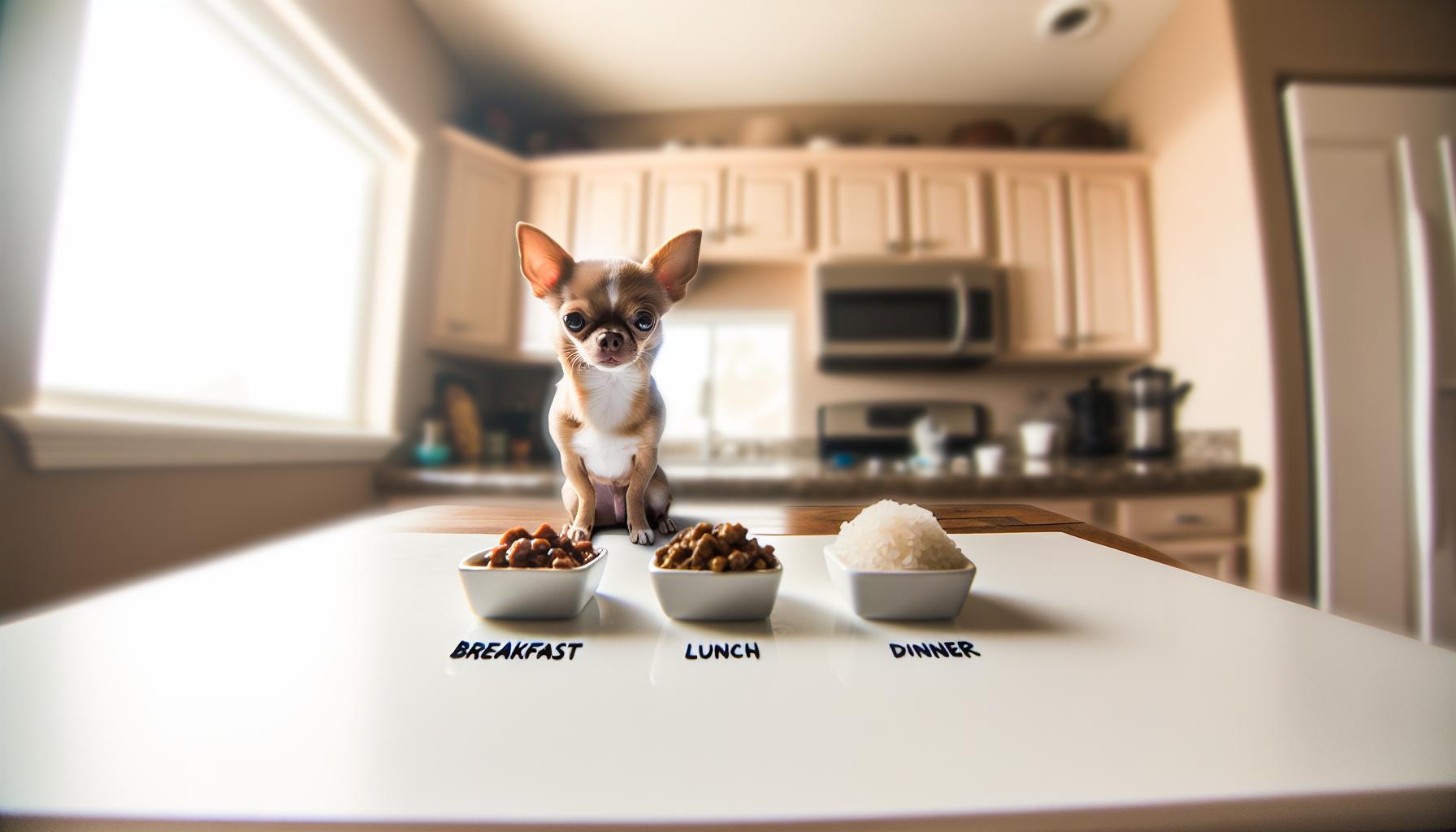
How Often Should You Feed Your Chihuahua?
Feeding your Chihuahua the right way can feel like navigating a maze, especially since these tiny dogs have big personalities and unique nutritional needs. Generally, adult Chihuahuas thrive on two meals a day, spaced about 8 to 12 hours apart. This schedule helps regulate their metabolism and can reduce those infamous vocal demands they often present when hungry. However, puppies require a bit more flexibility; they may benefit from three to four smaller meals daily to support their rapid growth and high energy levels.
Avoiding overfeeding is crucial for Chihuahuas, as they are prone to obesity, which can lead to health complications. Watch for signs that might indicate your furry friend is getting too much food-like persistent begging, lethargy, or difficulty in exercising. If you’re unsure about portion sizes, a good rule of thumb is to follow the guidelines provided on your dog food label and adjust according to your Chihuahua’s weight and activity level.
Hydration is equally important. Always ensure your pup has access to fresh water. Chihuahuas can be sensitive to changes in their diet, so if you’re making adjustments to their feeding schedule, do it gradually. This gradual transition helps avoid digestive upset and ensures your little companion remains comfortable and happy throughout the process. Keeping an eye on their eating habits will also help you identify their preferences and needs, allowing you to pamper your beloved Chihuahua just the way they like it!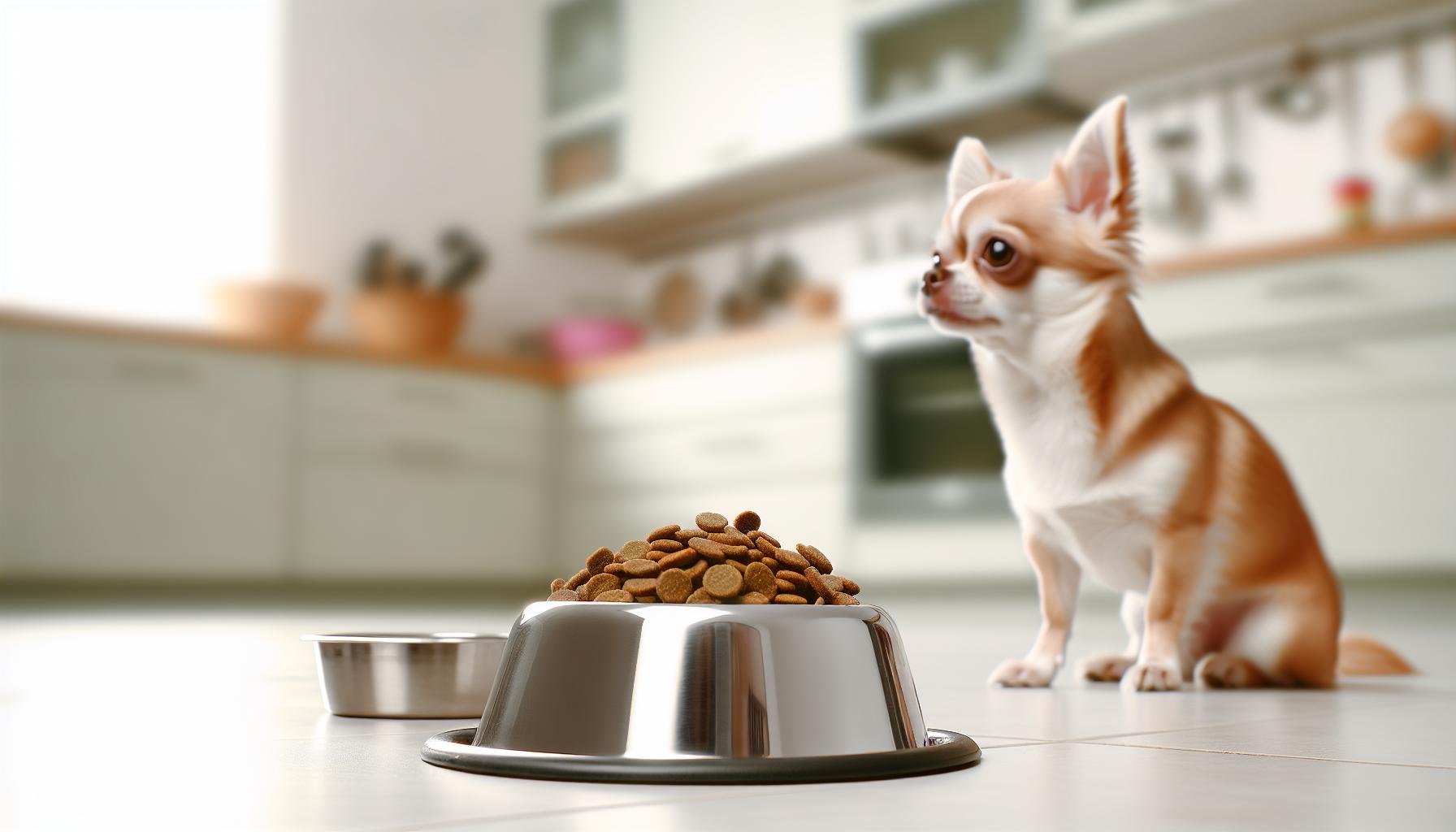
Understanding Chihuahua Nutritional Needs
Feeding your Chihuahua the right way is crucial for their overall health and happiness. Despite their tiny size, these dogs have unique nutritional needs that require thoughtful consideration. Known for their lively personalities and sometimes strong-willed nature, Chihuahuas benefit from a balanced diet that not only supports their physical health but also accommodates their energetic disposition.
Chihuahuas, particularly in their adult years, thrive on high-quality dog food formulated specifically for small breeds. They require a diet rich in protein, healthy fats, and a moderate amount of carbohydrates to fuel their active bodies. Look for dog food brands that list lean meats as the first ingredient and avoid those with fillers like corn or wheat, which can lead to unnecessary weight gain and nutritional deficiencies. In reality, a meal plan that suits her distinct personality, whether she’s a feisty apple-head or a more laid-back deer-head variety, makes all the difference in her energy levels and overall wellbeing.
Understanding the caloric needs of your Chihuahua is essential as well. On average, a typical adult Chihuahua may need about 40 to 50 calories per pound of body weight each day. For example, if your pup weighs 4 pounds, she would need roughly 160 to 200 calories daily. This caloric intake can be divided into two servings, keeping her metabolism steady and preventing her from feeling excessively hungry, which can trigger that notorious barking and scratch at the pantry door. Don’t hesitate to adjust this based on her activity level; a more active Chihuahua may require a more robust diet.
Encouraging good eating habits is another piece of the puzzle. Providing regular feeding times helps establish a routine that supports her digestive health. Chihuahuas can be prone to picky eating, especially if spoiled with too many treats. If she turns her nose up at her food, consider slightly warming it up or mixing in a bit of low-sodium broth to stimulate her appetite. Remember that consistency is key; with patience and a little creativity, you can ensure she gets the nutrients she needs while enjoying mealtime!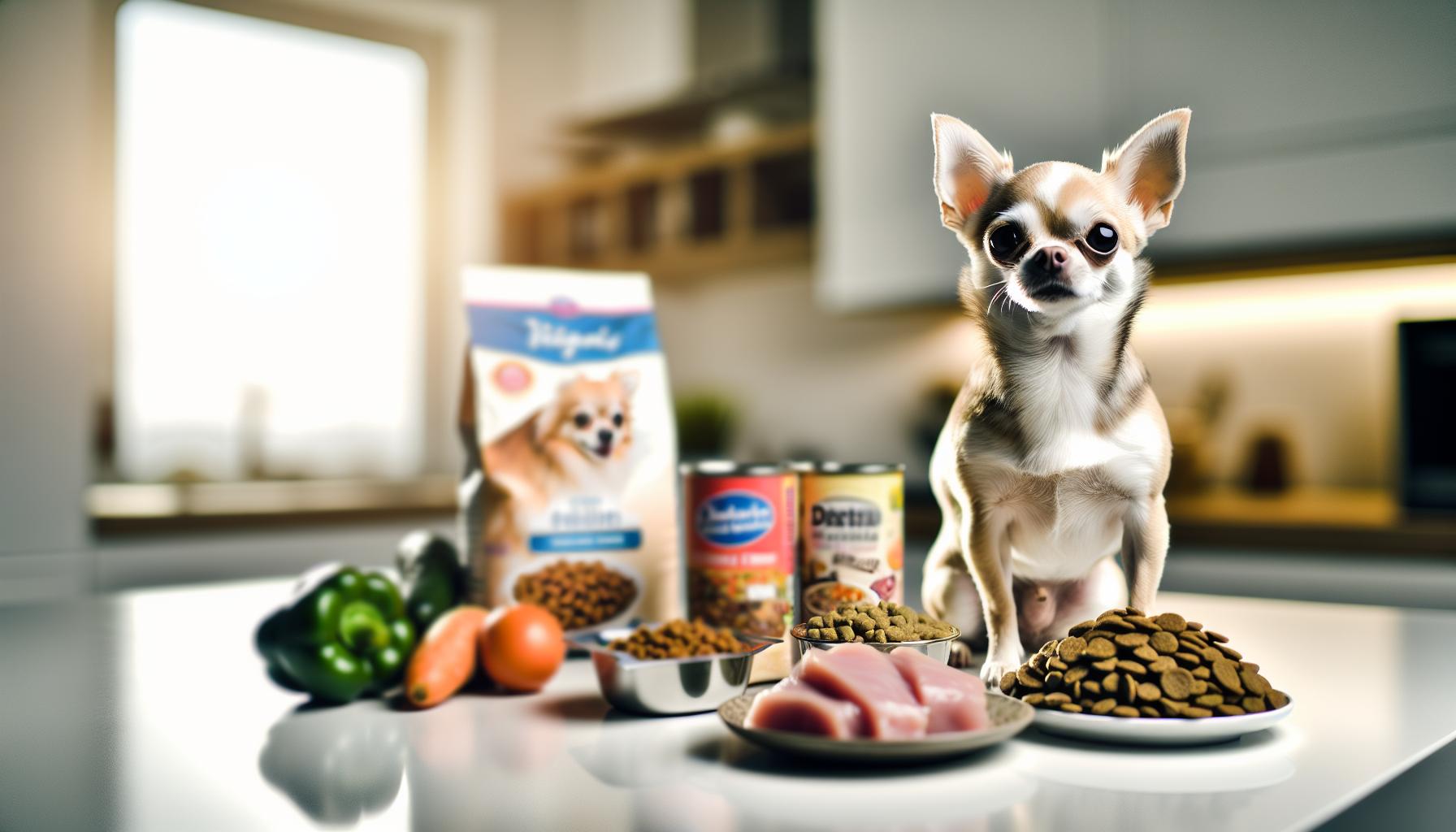
Best Types of Dog Food for Chihuahuas
Chihuahuas, with their vibrant personalities and tiny stature, require a diet tailored to their unique needs. Choosing the right food is a vital step in ensuring that your little companion remains energetic and healthy. For these spirited dogs, high-quality commercial dog food specifically formulated for small breeds is often the best choice. These foods typically contain a higher concentration of protein and fat to meet their elevated metabolic demands, which is crucial for maintaining their vitality and body condition.
When selecting dog food for your Chihuahua, focus on options that prioritize high-quality protein sources. Look for brands that list real meat – like chicken, turkey, or fish – as the first ingredient. This not only supports muscle development but also keeps her feeling satisfied. Avoid foods with fillers such as corn, soy, or artificial preservatives as they can lead to unwanted weight gain and might not provide the necessary nutrients. Organic and grain-free options can also be beneficial; however, some Chihuahuas do well with specific grains like brown rice, which can offer additional fiber in their diet.
In addition to kibble, incorporating wet food can enhance your Chihuahua’s mealtime experience. Many small dogs enjoy the taste and texture of wet food, which can also help with hydration. Mixing a bit of wet food with dry kibble might make it more appealing, especially if your pup is a picky eater. For example, if you find that your apple-head Chihuahua frequently turns her nose up at her dry food, a dollop of low-sodium broth or a spoonful of wet food can make all the difference, encouraging her to eat.
Ultimately, getting to know your Chihuahua’s preferences, dietary restrictions, and health requirements will guide you in making the best food choices. Don’t hesitate to consult with your veterinarian, especially if she has any special dietary needs or allergies. With the right nutrition, your little buddy will be primed for playtime, snuggles, and everything in between!
Feeding Schedules: Puppies vs. Adults
Understanding how to create a feeding schedule for your Chihuahua can be pivotal in ensuring their health and happiness. Puppies, with their boundless energy and fast-growing bodies, have different nutritional needs than adult Chihuahuas. For your growing pup, feeding them three to four times a day is typically recommended. This frequent feeding helps to sustain their energy levels and supports healthy growth. Gradually, as they reach adulthood, you can transition them to two meals a day-often in the morning and evening.
Consistency is key for both puppies and adult Chihuahuas. Puppies thrive on routine, and establishing set feeding times helps regulate their digestion and prevents digestive upset. For instance, a common schedule might look like this for a young Chihuahua:
- 7:00 AM – Breakfast
- 12:00 PM – Lunch
- 5:00 PM – Dinner
- 8:00 PM – Late-night snack (if needed)
As your pup matures, you can simplify this to:
- 8:00 AM – Breakfast
- 6:00 PM – Dinner
It’s important to monitor your Chihuahua’s weight as they transition to fewer meals. Adult Chihuahuas can be prone to obesity if you’re not careful with portion sizes and frequency. If you’re unsure how much to feed, consult with your veterinarian regarding the best meal plan tailored to your dog’s specific needs, activity level, and health conditions.
Staying attuned to your Chihuahua’s behavior at mealtime will also guide your feeding schedule. If your pup seems particularly restless or vocal around feeding times, that could mean they are ready to eat on the dot. On the other hand, if they often leave food uneaten, you might need to adjust portion sizes or meal frequency. This careful observation is part of the joy of being a Chihuahua owner-getting to know their little quirks and ensuring they’re living their best life.
Signs of Overfeeding in Chihuahuas
Many Chihuahua owners may not realize that our tiny companions can easily become overweight, especially if they’re spoiled with too many treats or excessive food portions. It’s essential to keep an eye out for the signs of overfeeding, as Chihuahuas are inherently prone to obesity, which can lead to a host of health problems. Knowing these signs can help ensure your furry friend stays happy and healthy.
One of the first indicators of overfeeding is noticeable weight gain. Regularly weighing your Chihuahua can help you spot trends over time. If your pup starts to feel heavier during cuddle time or those little ribs become hard to find, it’s time to reassess their diet. Additionally, pay attention to their body shape; an overweight Chihuahua will often have a bulging belly and less defined waist.
Behavioral Changes
Watch for changes in energy levels and playfulness. If your typically spirited Chihuahua is less active or prefers lounging around to chasing toys, it may be a sign they’re carrying extra weight. Overweight Chihuahuas may also experience difficulty in normal activities such as climbing stairs or running, which can further discourage them from exercising.
Another sign of overfeeding is frequent vomiting or gastrointestinal upset. A Chihuahua’s stomach is small, and overfeeding can lead to discomfort or regurgitation as their tiny bodies struggle to cope with excessive food intake. This can also manifest as diarrhea or other digestive issues, indicating that the current diet or portion sizes need adjustment.
Skin and Coat Condition
Overfeeding can also impact your Chihuahua’s coat and skin. An unhealthy, lackluster coat can be a sign of poor nutrition or excess weight. If your canine companion is losing fur or developing skin issues, consider evaluating their diet alongside portion control.
To keep the best care for your Chihuahua, be mindful of their feeding schedule and portion sizes. Consult with your vet to tailor a diet plan specific to your dog’s needs, ensuring they remain the joyful, lively companion that brightens your day. Remember, a healthy Chihuahua is a happy Chihuahua!
Portion Control: How Much is Enough?
Feeding your Chihuahua the right amount of food is crucial in ensuring she remains healthy and happy. These tiny dynamo companions can easily pack on the pounds if portions aren’t monitored closely, leading to potential health issues. Understanding how much is enough means you can enjoy spoiling her with delicious meals while also respecting her slender physique.
When determining portion sizes, it’s essential to consider her age, weight, activity level, and specific dietary needs. Generally, a Chihuahua will thrive on a diet formulated for small breeds, but the exact amount can vary. For most adult Chihuahuas, feeding them about 1/4 to 1/2 cup of high-quality dog food per day, split into two meals, is a good starting point. Consult with your veterinarian to fine-tune this amount based on your dog’s individual factors.
Listen to Your Pup
Every Chihuahua is unique! Pay attention to her behavior and body. If she seems more energetic and is maintaining a healthy weight, you’re likely on the right track. Conversely, if her ribs are hidden or she’s losing interest in playtime, it might be time to adjust her food intake. Regular weigh-ins and body condition scoring can help you gauge whether your portion control is on point.
Adjusting Portions for Life Stages
Keep in mind that puppies and senior Chihuahuas have different needs. Puppies usually require around 1/2 to 3/4 cup of food daily to support their rapid growth, divided into three meals. Senior Chihuahuas, on the other hand, may need less food as their metabolism slows down, often benefiting from a high-fiber, lower-calorie diet. Always adjust portions based on how active she is; a more sedentary lifestyle might call for reduced portions to prevent weight gain.
By thoughtfully managing her portions and remaining observant, you can help your Chihuahua maintain an energetic and playful lifestyle. Remember, the goal is a healthy dog-not just a full bowl!
Hydration: The Importance of Water Intake
Ensuring that your Chihuahua stays well-hydrated is just as critical as managing her food intake. Water is vital for every aspect of her health, from digestion to temperature regulation. Did you know that a Chihuahua can lose a significant amount of body weight just from dehydration? Because of their small size, even a little dehydration can have serious consequences. With their bold personalities, they might not always show when they’re thirsty, making it essential for owners to stay proactive about their hydration needs.
Always have fresh, clean water available for her throughout the day. Chihuahuas might drink more during warmer months or after playtime, so it’s good practice to keep an eye on her water bowl. Consider setting up a routine where you refresh her water several times a day-this not only ensures cleanliness but also encourages her to drink more. You might find that adding a splash of low-sodium broth to her water or using a pet water fountain can make drinking more appealing.
When it comes to meals, pairing her food with an appropriate amount of water can help with digestion. If you’re feeding her dry kibble, ensure she has access to water right after mealtime. Also, if she’s a picky eater or adjusting to a new food, offering wet food can increase her liquid intake and improve her overall hydration.
Keep an eye out for signs of dehydration, which can include dry gums, lethargy, or a decrease in appetite. If you’re ever in doubt, consult your veterinarian, as they can provide tailored advice based on your Chihuahua’s individual needs and lifestyle. Remember, maintaining proper hydration is key to keeping your spirited little companion healthy and vibrant!
Common Feeding Mistakes Chihuahua Owners Make
Feeding a Chihuahua can sometimes feel like a balancing act, especially with their tiny size and big personalities. One common mistake many owners make is underestimating the number of meals their little friend needs each day. Unlike larger breeds, Chihuahuas benefit from multiple small meals-typically 3 to 4 times a day. This helps them maintain stable energy levels and manage their high metabolism effectively. Skipping meals or erratically feeding can lead to issues like low blood sugar, which Chihuahuas are particularly vulnerable to.
Another frequent oversight is not paying attention to the quality of food provided. With so many options available, it can be tempting to choose the cheapest option. However, Chihuahuas are prone to certain health issues, making high-quality dog food crucial. Look for brands that prioritize animal proteins and avoid fillers like corn and wheat. Additionally, some owners inadvertently fall into the trap of experimenting with frequent diet changes. Abruptly switching foods can upset their sensitive stomachs. Instead, gradual transitions over a week or so can help ease your Chihuahua into new foods without digestive stress.
Portion control is yet another area where mistakes commonly occur. It’s easy to overestimate how much food a Chihuahua needs due to their vivacious attitude. In reality, their small size means they require much less food than one might assume. Consulting your pet food packaging for feeding guidelines or talking to your veterinarian can provide tailored recommendations. Measurements shouldn’t be fluid-consistent portion control keeps them healthy and maintains an ideal weight.
Finally, many owners overlook hydration. While it’s essential to provide fresh water throughout the day, some Chihuahuas can be picky drinkers. If your Chihuahua is reluctant to drink, consider adding a splash of low-sodium broth to her water or offering wet food to help meet her hydration needs. This is even more important if your pup is active or during warmer weather when she might pant more.
By being mindful of these common pitfalls, you can ensure a more nourishing experience for your spirited little companion, supporting their health and happiness in the process!
How to Transition to a New Food Gradually
When changing your Chihuahua’s food, patience is key. A gradual transition helps prevent digestive upset, especially since their little tummies can be sensitive. If your furry friend is used to one type of food, switching suddenly can lead to stomach issues or an aversion to the new food. Most experts recommend a transition period of about seven to ten days to make this process smooth and stress-free.
Start by mixing a small amount of the new food with their current diet. Aim for about 25% new food and 75% old food on the first day. Observe your Chihuahua’s reaction and digestion, as individual sensitivities can vary. Over the next few days, gradually increase the proportion of new food while decreasing the old. By day five, you can shift to a 50/50 mix, and by day seven, your dog should be eating only the new food if all has gone well.
Here’s a simple breakdown to help guide you through this transition:
- Days 1-2: 25% new food + 75% old food
- Days 3-4: 50% new food + 50% old food
- Days 5-6: 75% new food + 25% old food
- Day 7: 100% new food
Always watch for any signs of digestive distress-these might include diarrhea, vomiting, or a decrease in appetite. If you notice any of these issues, slow down the transition or revert to the old food for a bit longer. A good rule of thumb is to consult your veterinarian if problems persist.
Moreover, different Chihuahuas have their own preferences and quirks. Some might take to new tastes enthusiastically, while others may be more hesitant. Involving positive reinforcement, like treats or praise when they eat, can help encourage your dog to embrace their new food. Transitioning can also be an opportunity to explore different flavors or formulations, but always ensure that the new food aligns with their nutritional needs, especially given their metabolism and potential health concerns.
By taking the process slowly and attentively, you not only protect your Chihuahua’s health but also help reinforce a positive relationship with their meals. Enjoy this journey together as you discover what works best for your loyal companion!
Special Considerations for Senior Chihuahuas
As your beloved Chihuahua ages, their nutritional needs become increasingly specific and nuanced. Senior Chihuahuas often experience changes in metabolism, energy levels, and digestive capacities, making it crucial to adjust their feeding routine accordingly. With their tiny stature and bold personalities, older Chihuahuas can develop unique health challenges that require attentive care and understanding.
One important consideration for feeding senior Chihuahuas is the frequency and portion size. Many experts recommend transitioning to smaller, more frequent meals throughout the day rather than sticking with the traditional two meals. This approach not only accommodates their potentially reduced appetite but also supports digestion and helps prevent issues such as bloating. For example, feeding a senior Chihuahua three to four smaller meals can promote consistent energy levels and maintain their weight without overwhelming their delicate stomachs.
Special Dietary Needs
Senior Chihuahuas may also benefit from diets specifically formulated to meet their changing nutritional demands. Look for high-quality dog foods that are enriched with antioxidants, vitamins, and minerals to help support their immune system and overall health. Ingredients such as omega fatty acids can promote a healthy coat and skin, which is especially important as they may develop dryness or sensitivity over time. Furthermore, senior-specific diets often have lower calorie levels to help manage weight, which can be a concern as older dogs tend to be less active.
Hydration and Health Monitoring
Don’t forget the importance of hydration, particularly for older Chihuahuas. Ensure that fresh, clean water is always available, and consider incorporating wet food into their diet, which not only adds hydration but can also be easier to chew. Regular vet check-ups are essential for monitoring health issues common in older Chihuahuas, such as dental problems, heart conditions, and arthritis. Keeping a close eye on your dog’s weight and behavior will help you make informed decisions about their diet and care needs.
Each Chihuahua has its own personality and preferences. Some may become picky eaters, while others will happily devour anything you offer. Tailor their meals to their tastes, maybe introducing new flavors or textures gradually to help keep their interest alive. With these thoughtful adjustments, you can help your senior Chihuahua continue to thrive and enjoy their golden years with you.
Addressing Food Allergies and Sensitivities
When it comes to keeping your tiny Chihuahua healthy and happy, understanding their dietary needs is essential, especially when allergies or sensitivities come into play. As much as we adore these vocal, loyal, and sometimes picky little companions, they can develop sensitivities to certain ingredients, which can affect their overall well-being and feeding schedule. Being alert to these conditions can help maintain their health and ensure they enjoy mealtime rather than dread it.
One of the first signs that your Chihuahua might be experiencing food allergies is a sudden change in behavior or health. This can include symptoms like excessive scratching, gastrointestinal upset, or unusual fatigue. If you notice these signs after introducing a new food, it’s wise to investigate further. Most common allergens include proteins like beef, chicken, lamb, and dairy, but some Chihuahuas may also react negatively to grains or specific additives. Keeping a food diary can help you track what your dog eats and identify possible allergens, making it easier to pinpoint issues.
Choosing the Right Food
When selecting food for your little friend, opt for options labeled as “hypoallergenic” or “limited ingredient.” These diets typically contain fewer ingredients, which can simplify identifying potential allergens. Look for dog foods that put a single protein source at the forefront. For example, if your Chihuahua seems to have an issue with chicken, you might consider formulas containing novel proteins like duck or venison.
Additionally, transitioning to a new diet should be done gradually, over the course of at least a week. This helps avoid further gastrointestinal distress. Start by mixing a small amount of the new food with the current one, slowly increasing the new food while decreasing the old. This gentle approach will make it easier for your Chihuahua to adapt and respond positively to the change.
Monitoring and Adjusting
Watch for any changes in your Chihuahua after switching foods. Improved energy levels, reduced itching, and a happier demeanor are good signs that the new diet is working. Regular vet check-ups can also play a crucial role; your vet can provide guidance tailored to your Chihuahua’s specific health profile and may recommend food trials or hypoallergenic options if persistent issues arise.
Remember, every Chihuahua is unique. Take the time to tailor their diet according to their preferences and health requirements. With careful observation and a bit of trial and error, you can find the perfect diet that keeps your bold little companion excited about meal time while minimizing the risks of allergies and sensitivities.
Tips for Encouraging Picky Eaters
Encouraging your picky eater Chihuahua to enjoy their meals can be a delightful, yet challenging, part of pet ownership. These tiny warriors often have strong personalities that extend to their dining habits. If your little one turns up their nose at their food, it’s essential to try a few tips to make mealtime more appealing.
First, consider enhancing the flavor of their kibble by mixing in a small amount of wet food or homemade broth. Chihuahuas appreciate a bit of variety, and adding a splash of something tasty can entice them to dig in. For instance, using low-sodium chicken or beef broth can make their meals more exciting without introducing unhealthy additives. Additionally, sprinkle some nutritious toppers like grated cheese or a teaspoon of pumpkin puree to spark their interest.
Another effective strategy is to create a consistent and pleasant mealtime atmosphere. Feed your Chihuahua at the same times each day in a quiet space free of distractions. Chihuahuas thrive on routine, so establishing a schedule can help them know when to expect food and create a sense of security. Pair this with a specific feeding area that feels comfortable and safe. A cozy mat or designated corner might make them feel more at ease, encouraging them to eat.
If your Chihuahua remains uninterested, don’t hesitate to experiment with different high-quality dog foods. Sometimes, it just takes finding the right brand or flavor that aligns with their taste buds. Look for foods specially formulated for small breeds; they often have the necessary nutrients packed in tiny bites. Owners have found success with grain-free options or formulas containing novel proteins like duck or lamb, which can sometimes spark excitement in a hesitant eater.
Lastly, be patient and avoid pressuring your dog. If your Chihuahua isn’t ready to eat, leave the food out for a short window and then remove it after about 20 minutes. This practice not only keeps your pup from becoming spoiled or overly picky but also helps them learn that food doesn’t always linger. Remember, it’s all about finding the right balance that works for both of you-make mealtime a joyful experience, and your Chihuahua will eventually come around!
Frequently asked questions
markdown
Q: How many meals should a Chihuahua eat per day?
A: Generally, adult Chihuahuas should be fed 2 to 3 small meals a day. This helps to maintain their energy levels and prevents overeating at one sitting. For puppies, feeding them 3 to 4 times a day is ideal to support their rapid growth and energy needs.

Q: What is the best time to feed my Chihuahua?
A: The best times to feed your Chihuahua are in the morning, afternoon, and evening. Establishing a consistent feeding schedule helps them regulate digestion and behavior. Make sure to keep meal times similar daily for optimal health.

Q: Can I free feed my Chihuahua?
A: Free feeding is not recommended for Chihuahuas, as they can easily overeat and become overweight. Scheduled feeding is better for managing portion control and preventing potential health issues associated with obesity.

Q: How do I know if my Chihuahua is getting enough food?
A: You can determine if your Chihuahua is receiving enough food by checking their body condition. You should feel their ribs without excess fat covering. If you notice a change in energy levels or weight, adjust their portion accordingly.

Q: What should I do if my Chihuahua is a picky eater?
A: If your Chihuahua is a picky eater, try varying their food or adding wet food or fresh toppings like chicken or broth to entice them. Ensure you are feeding high-quality, nutritious food appropriate for their age and size.

Q: How much should I feed my Chihuahua according to their weight?
A: Feeding guidelines vary, but generally, Chihuahuas require about 1/4 to 1/2 cup of high-quality dry food daily, divided into meals. Adjust portions based on your dog's specific weight and activity level to ensure they remain healthy.

Q: Should I adjust my Chihuahua's diet as they age?
A: Yes, it's essential to adjust your Chihuahua's diet as they age. Senior Chihuahuas may need fewer calories and specialized food to maintain health. Regular vet check-ups can help tailor their diet based on their changing needs.

Q: What is the impact of overfeeding on Chihuahuas?
A: Overfeeding can lead to obesity, which increases the risk of serious health issues like diabetes, heart disease, and joint problems in Chihuahuas. Always monitor portions and make necessary adjustments based on their activity levels and body condition.
The Way Forward
Feeding your Chihuahua the right amount, typically two to three times a day, is essential for their health, energy, and happiness. By understanding your furry friend’s individual needs-whether they’re an apple-head or a charming long coat-you can ensure they thrive. Don’t wait to adjust their feeding routine if you notice behaviors like excessive barking or low energy; these might be signs they need more tailored care.
For more insights on keeping your Chihuahua healthy and happy, check out our guides on “Essential Nutrition Tips for Chihuahuas” and “Understanding Chihuahua Behavior.” If you found this information helpful, consider subscribing to our newsletter for more expert tips straight to your inbox. We love hearing from fellow Chihuahua lovers, so feel free to share your feeding experiences or ask questions in the comments below! Remember, every bite matters in keeping your loyal companion lively and vibrant.
Get our latest guides, news, and insights highlighted in your Google Search & AI Overviews.