

Are you considering bringing a Chihuahua into your life? These delightful little companions pack a lot of personality into their tiny frames. Known for their boldness and loyalty, Chihuahuas can make excellent pets for many lifestyles, but they also come with unique needs and quirks. Understanding their health, behavior, and care is essential for ensuring that both you and your new friend thrive together. Whether you’re an active individual or someone who enjoys a quieter, more relaxed environment, this breed can adapt remarkably well if the right match is made. Join us as we explore what it really means to welcome a Chihuahua into your home and whether this spirited breed aligns with your lifestyle preferences. You might find that a Chihuahua is just the pet you’ve been searching for!
Are Chihuahuas the Right Fit for Your Family?
Chihuahuas are more than just tiny companions; they are vibrant little personalities packed into a small frame. Known for their boldness and loyalty, these dogs can bring immense joy to their families, but it’s essential to assess whether they fit your lifestyle. Chihuahuas thrive in environments where they can bond closely with their humans-whether that’s through lounging on the couch or accompanying you on errands. Their size makes them suitable for apartment living, yet they do need regular mental stimulation and socialization to keep those quirky personalities in check.
When considering adding a Chihuahua to your family, think about your activity level and living environment. If you lead an active lifestyle and enjoy frequent outings, a Chihuahua can be a perfect match, eagerly bouncing alongside you. Alternatively, if your routine is more relaxed, they will happily curl up on your lap while you enjoy a quiet evening at home. Just bear in mind that despite their diminutive size, Chihuahuas have a surprisingly loud bark and a tendency to be protective, making them vigilant guardians of your household.
Potential owners should also be aware of their unique health considerations, such as dental issues and patellar luxation, which can occur in this breed. Regular veterinary check-ups are crucial to maintaining their health and potentially identifying issues early. Their grooming needs are relatively low, but attention should be paid to their dental hygiene and coat types, whether long or short, to keep them healthy and happy. By properly understanding and accommodating the specific characteristics and quirks of Chihuahuas, you can ensure a fulfilling companionship that enriches both your life and theirs.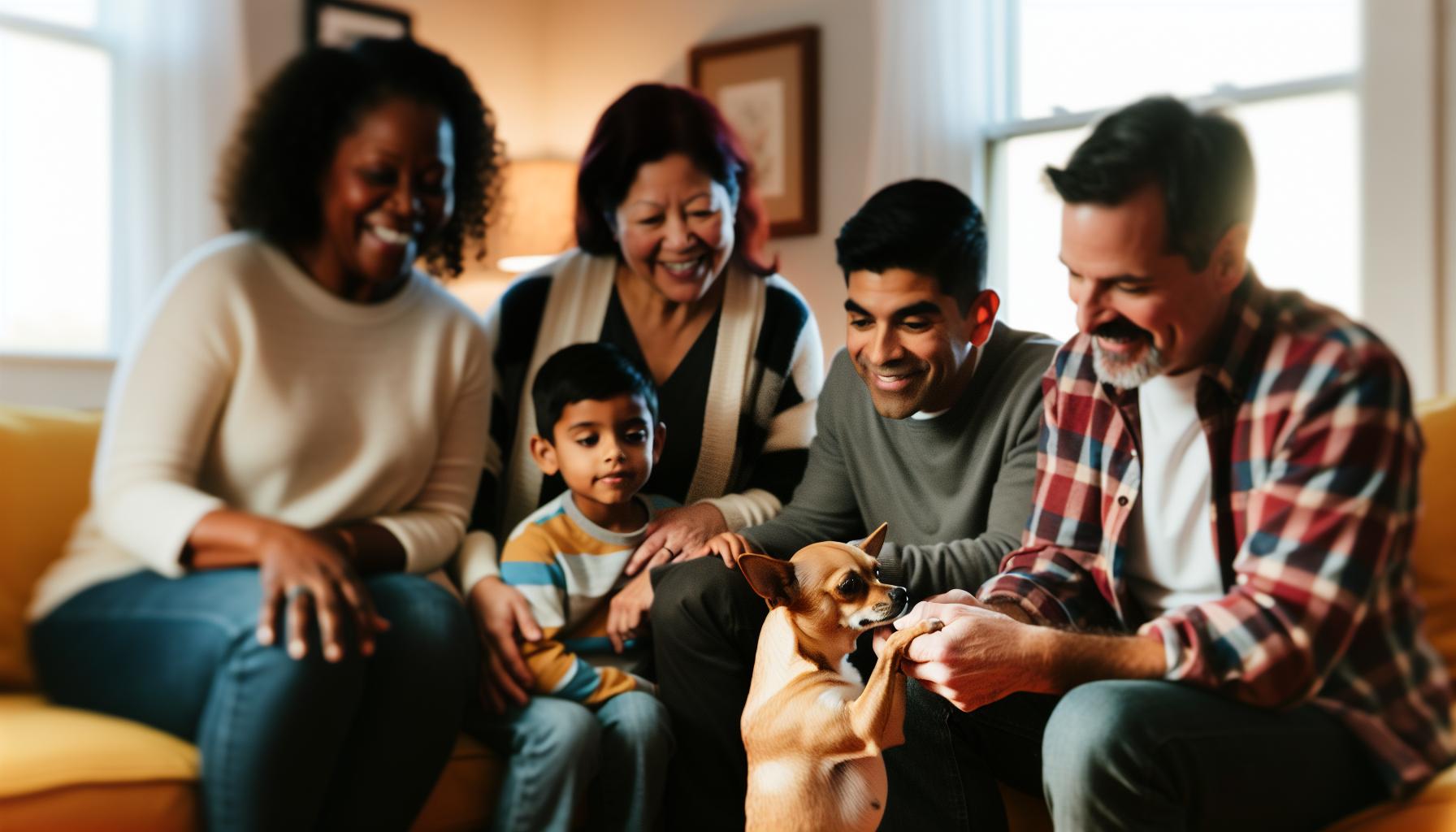
Understanding Chihuahua Temperament and Behavior
Chihuahuas are truly one-of-a-kind companions, often surprising people with their big personalities packed into a tiny frame. These little dogs, known for their boldness and loyalty, can certainly enrich your life. But what makes Chihuahuas unique in terms of temperament and behavior? Understanding these aspects is crucial for determining if they are the right fit for your family.
At their core, Chihuahuas thrive on bonding with their humans. They are affectionate and crave attention, often forming deep attachments to their owners. This trait makes them ideal lap dogs, but they also have a spirited side that loves to play and be active. Regular mental stimulation is essential; engaging them with toys or short training sessions can be effective. For example, a simple game of hide-and-seek can keep your Chihuahua entertained and mentally sharp.
While Chihuahuas may be small, they usually have larger-than-life attitudes. This breed is known for being vocal, and they may bark more than you anticipate, especially when they feel their territory is being invaded or if someone new approaches. Their protective nature makes them vigilant watchdogs, always alert and ready to defend their space. It’s important to train your Chihuahua from an early age to manage these instincts, ensuring they know how to behave in various social situations.
Another fascinating aspect of Chihuahua behavior is their sensitivity to their environment. They can be prone to anxiety, especially if they feel neglected or left alone for long periods. For families where someone is home most of the time, Chihuahuas can flourish, enjoying both companionship and cuddle time. However, if your lifestyle frequently requires long absences, consider how a Chihuahua’s need for interaction might influence your decision. Understanding and respecting these nuances in Chihuahua temperament can pave the way for a fulfilling and joyful relationship, and can transform your home into a space where both you and your dog thrive together.
Health Considerations for Your Chihuahua
Chihuahuas are not just tiny dogs; their health requires special attention that potential owners should understand. Despite their small size, they can be prone to several health issues, making regular check-ups and awareness of their needs essential for leading a happy, healthy life. Common problems can include dental issues, patellar luxation, and heart conditions, particularly congestive heart failure.
One of the most significant health concerns for Chihuahuas is dental disease. Their small mouths lead to crowding, which can result in plaque buildup. It’s crucial to incorporate dental care into your routine, such as regular tooth brushing and dental treats, to keep their smiles healthy. For instance, I found that using a peanut butter-flavored toothpaste made the process not only easier for my Chihuahua, Bella, but also quite enjoyable for her.
Another common issue is patellar luxation, where the kneecap dislocates easily, causing discomfort or limping. This is particularly prevalent in smaller breeds like Chihuahuas. Keeping your furry friend at a healthy weight can mitigate some risk associated with this condition.
Chihuahuas are also susceptible to heart problems, notably heart murmurs and congestive heart failure. Early symptom recognition-like persistent coughing or lethargy-can lead to timely veterinary intervention, which is vital for their longevity. Regular exercise, balanced diet, and controlling their stress levels can significantly contribute to their heart health.
Routine veterinary check-ups play a crucial role in catching any health issues early on. Keeping up with vaccinations, parasite prevention, and dental cleanings can help your Chihuahua live a longer and healthier life. Developing a strong relationship with your veterinarian can also ensure you have a trusted partner in your Chihuahua’s health care journey. Remember: caring for your little friend means more than just love; it also involves keeping a watchful eye on their health, ensuring they enjoy many happy and vibrant years by your side.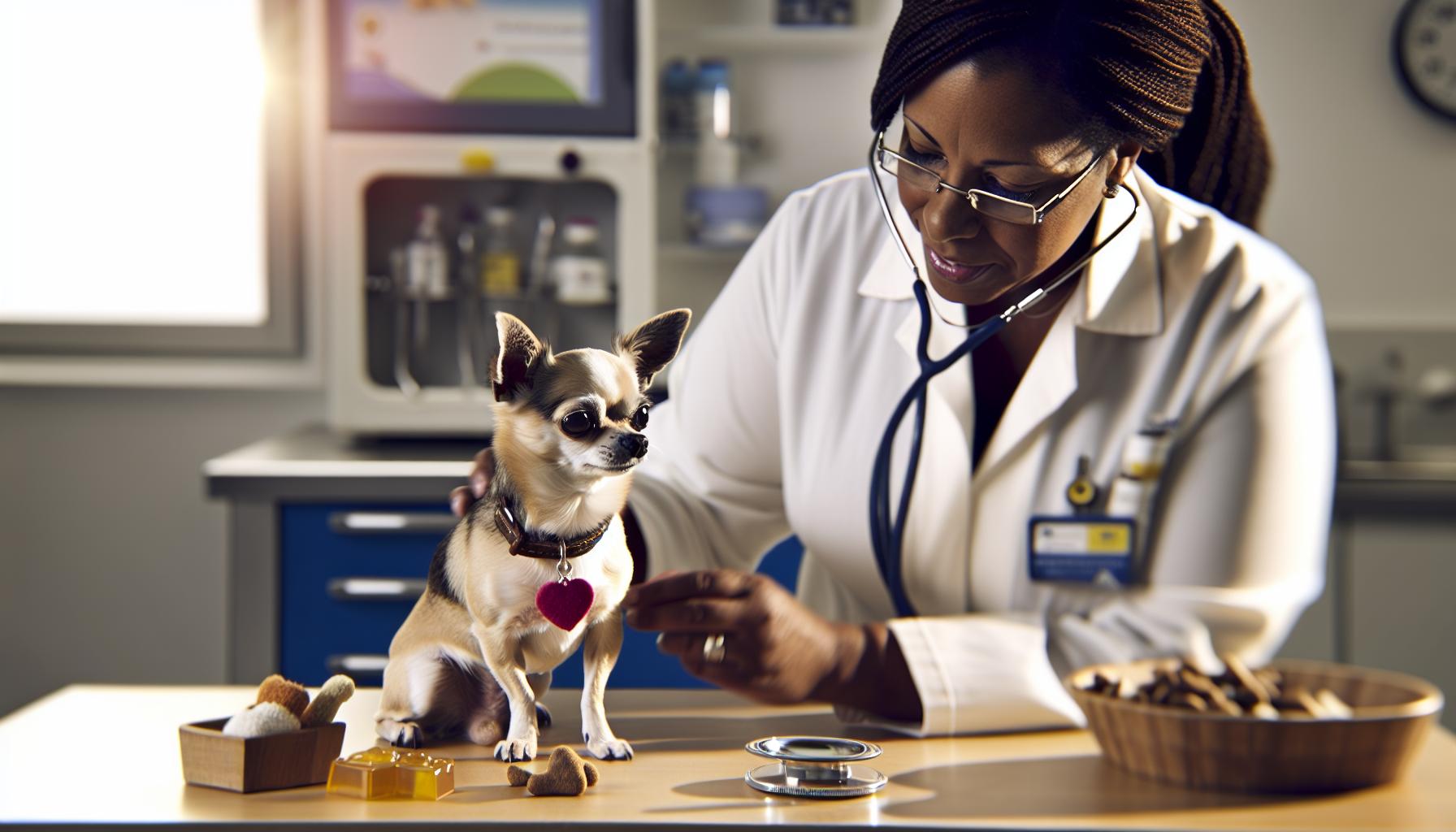
Lifestyle Compatibility: Active vs. Relaxed Living
Chihuahuas are often characterized as tiny but spirited dogs, and their adaptability makes them suitable for a variety of lifestyles. Whether you lead an active life full of adventures or prefer the calm of a cozy evening at home, there’s a way to incorporate your Chihuahua into your routine. These dogs possess a remarkable ability to adjust to their owners’ habits, embodying both energy and affection, which means they can thrive in various environments.
For the active family, Chihuahuas can keep up with the pace, though they might not match some larger breeds in stamina. They love to partake in short walks and playful outings. Keep in mind, their tiny legs often need a boost when the terrain gets too rugged or when they struggle to keep up. Consider using a pet stroller or a backpack designed for carrying small dogs during longer adventures. On sunny days, you can take your Chihuahua to the park; just ensure you watch for signs of overheating, as Chihuahuas are sensitive to heat due to their small size. Incorporating playtime into your daily activities is crucial too-fetch with a soft toy can be a great way to expend some of that little dog energy!
On the other hand, if you lean towards a more relaxed lifestyle, you’ll find Chihuahuas are great companions for cuddling on the couch or lounging around the house. They thrive in a warm, cozy environment, often finding their favorite spots to snuggle beside you. For instance, my Apple-head Chihuahua, Max, can often be found nestled in a blanket during our quiet evenings together, happily snoozing while I catch up on my reading. Your Chihuahua requires less exercise in these settings, but do ensure they still receive mental stimulation through toys and simple training sessions to keep them engaged.
Regardless of your lifestyle, it’s essential to understand that Chihuahuas possess an innate desire for companionship. They can develop strong bonds with their families, feeling secure in whatever lifestyle you lead. Just remember, whether you’re exploring the trails or enjoying a peaceful evening at home, your Chihuahua’s adaptability can make her a perfect addition to your life, embracing both the active and relaxed moments with joy and loyalty.
Training Tips and Socialization for Chihuahuas
Training a Chihuahua can be one of the most rewarding experiences for any dog owner, thanks to their intelligence and keen desire to bond with you. However, this delightful breed also has its quirks. Chihuahuas tend to be strong-willed and may display a feisty attitude, often unbothered by their small size. Establishing clear boundaries and consistent training methods will help your little companion become a well-mannered member of your household.
Early Socialization is Key: From a young age, it’s crucial to expose your Chihuahua to various environments, people, and other pets. This exposure helps reduce fearfulness and aggression. Taking your Chihuahua to dog-friendly cafes, parks, and pet stores can make a world of difference. My own Chihuahua, Bella, was shy around other dogs when we first adopted her, but after weekly visits to dog parks and playdates with friends’ dogs, she quickly learned how to interact positively. The goal is to make every new encounter a fun and positive experience for her.
Positive Reinforcement Training: Utilize treats and praise to encourage good behavior. Chihuahuas respond exceptionally well to positive reinforcement techniques. A simple “sit” command can be reinforced with a treat and affectionate praise. Consistency is vital; practice commands daily in short sessions to keep her engaged. For example, after teaching Bella to sit, I integrated her commands into interactive games, rewarding her with playtime to reinforce her learning.
Handling Barking Behavior: A common challenge with Chihuahuas is managing their vocal tendencies. While barking can be a natural behavior, particularly when they feel anxious or threatened, you can train them to be quieter. Start by ignoring barking when it occurs unnecessarily, and reward your Chihuahua with calming praise when she remains quiet. Gradually, she’ll learn that silence pays off!
Incorporating these training strategies into your routine will not only nurture your Chihuahua’s behavior but also strengthen the bond between you. Keep sessions light-hearted and fun, filled with praise and patience, and you’ll notice just how eager your little dog is to learn and please you. Remember, a well-trained Chihuahua is not just a joy to have; she becomes a proud part of your family capable of thriving in any lifestyle you lead.
Diet and Nutrition to Keep Your Chihuahua Healthy
Maintaining the right diet and nutrition for your Chihuahua is essential for keeping them healthy, vibrant, and full of life. This tiny yet mighty breed often has specific dietary needs due to their small size and unique metabolism. Ensuring she gets the correct balance of nutrients helps prevent common health issues, such as obesity, dental problems, and heart disease. Understanding what makes a quality diet for your little friend is a great way to show love and commitment.
A high-quality commercial dog food designed for small breeds is typically the best choice. Look for options that feature real meat as the primary ingredient, as Chihuahuas are energetic and require protein to sustain their activity levels. Many veterinarians recommend diet formulations that include a mix of protein, healthy fats, and fiber. Read the labels to ensure there are no fillers or artificial preservatives. You might also consider food specifically labeled for Chihuahuas or small breeds, as these often cater to their unique nutritional requirements.
Feeding Schedule and Portion Control
Establishing a consistent feeding schedule is crucial. Chihuahuas thrive with routine, and it’s generally best to feed her twice a day to maintain stable energy levels. Portion control is equally important, as Chihuahuas can easily overeat, leading to weight gain. Follow the feeding guidelines on the dog food packaging, adjusting based on her activity level and weight. For example, my Chihuahua, Bella, enjoys her meals more when I break them into smaller servings, which keeps her engaged and prevents her from gobbling up too quickly.
Supplementing with Fresh Foods
Incorporating fresh, dog-safe fruits and vegetables can enhance your Chihuahua’s diet and provide additional nutrients. Foods like carrots, green beans, blueberries, and apples (without seeds) can be healthy treats. Just remember, moderation is key. Always introduce new foods gradually and observe how she reacts to avoid digestive upset. Also, be wary of foods toxic to dogs, such as chocolate, onions, and grapes.
Proper hydration should not be overlooked either. Ensure she has access to fresh water at all times, especially if you feed her dry kibble. Regular vet check-ups can also help monitor her weight and nutritional needs, making adjustments as necessary.
By focusing on a well-rounded diet and observing your Chihuahua’s reactions to her food, you’ll be on your way to ensuring she remains healthy and happy. The right nutrition not only keeps her agile and spirited but also strengthens the bond you share as you care for her needs.
Grooming Needs: Caring for Your Chihuahua’s Coat
Caring for your Chihuahua’s coat is more than just a grooming necessity; it’s an opportunity to bond with your tiny companion while ensuring her skin and fur remain healthy. Despite their small size, Chihuahuas can have varying coat types-from the smooth and sleek to the long and fluffy. Each requires a slightly different care routine, but the fundamentals are quite similar.
For short-haired Chihuahuas, regular brushing is essential but fairly simple. A soft-bristle brush or a grooming mitt can effectively remove loose hair and minimize shedding. Aim for at least once a week. During shedding seasons, you might want to increase this to a couple of times a week. For long-haired varieties, daily brushing is beneficial. This helps to prevent tangles and mats, which can make your Chihuahua uncomfortable. A wide-toothed comb can work wonders to keep her looking polished.
Bathing Your Chihuahua
Bathing frequency will depend on your dog’s lifestyle and coat condition, but generally, a bath every month or so is sufficient. Use a gentle dog shampoo formulated for sensitive skin to avoid irritation. When bathing her, ensure that the water is warm but not hot, and dry her thoroughly afterward, as Chihuahuas can easily get cold. A cozy towel or a blow dryer on a low setting can help with this.
Skin Health and Moisturizing
Pay attention to your Chihuahua’s skin as well. If you notice any dry patches or flaking, consult with your vet about appropriate moisturizers. Some owners find that a little coconut oil applied sparingly can soothe dry skin, but always check for allergies. Regularly inspect between her toes and under her collar for irritation, as these areas can sometimes cause discomfort.
In addition to brushing and bathing, regular nail trimming and ear cleaning are crucial to her overall grooming routine. Keeping her nails short will prevent discomfort while walking, and checking her ears weekly will help catch any issues early. By integrating these grooming practices into your routine, you’ll not only keep your Chihuahua looking fabulous but also promote her health and well-being. Your dedication to her grooming needs is a reflection of the love and commitment you share, making her a cherished member of your family.
Chihuahuas as Companions for Kids and Seniors
A Chihuahua can make an excellent companion for both children and seniors, bringing joy and a sense of companionship that transcends their small stature. Known for their bold personalities and unwavering loyalty, these tiny dogs have a unique ability to bond closely with their families. Unlike larger breeds, Chihuahuas require less space, making them particularly suited for smaller homes or apartments, which is perfect for seniors or families living in compact settings.
Chihuahuas and Children
Many families find that Chihuahuas bring vibrant energy into the home. Their playful nature can keep kids entertained for hours! However, it’s essential to teach children how to interact with these spirited dogs gently. Due to their delicate size, rough play or handling can unintentionally hurt them. Teaching kids to approach with calmness and respect helps ensure a harmonious relationship. For instance, several Chihuahua owners share heartwarming stories of their dogs curling up with kids during storytime, bonding over shared moments.
Chihuahuas can also serve as excellent watchdogs, alerting families to any unusual occurrences around the house. This vigilant nature can provide a sense of security for children, reinforcing the bond of trust between them and their furry friend. However, supervision is key; while Chihuahuas can be playful, some can also be possessive of their toys or space, so a nurturing environment that promotes sharing is crucial.
Chihuahuas and Seniors
For seniors, Chihuahuas offer companionship without the overwhelming demands of larger breeds. Their low exercise needs mean that a couple of short walks a day and playtime indoors can suffice. This makes them an excellent choice for older adults who may not be able to engage in extensive physical activities. Moreover, the loyalty of Chihuahuas to their humans can lead to an emotionally fulfilling relationship. Many seniors report that having a Chihuahua enhances their daily routine and decreases feelings of loneliness.
Grooming requirements are also minimal compared to fluffier breeds, typically involving just regular brushing and bathing. This manageable upkeep allows seniors to enjoy the companionship of a pet without the stress of demanding care routines. Even more, the playful antics of Chihuahuas can spark joy and laughter, brightening their owners’ days and providing countless opportunities for shared bonding moments.
Ultimately, whether for children or seniors, Chihuahuas foster love, laughter, and loyalty. With the proper understanding of their needs and characteristics, they can thrive in any household, enriching your family life with their unwavering companionship.
Traveling with Your Chihuahua: Essential Tips
Traveling with a Chihuahua can be a delightful experience, especially if you plan ahead and consider their unique needs. These pint-sized companions are often eager to accompany you on adventures, but their small stature and distinct personalities require some extra care. Understanding your Chihuahua’s comfort and safety will ensure both of you have a great time while exploring new destinations.
One essential step is to choose the right travel carrier. A cozy, well-ventilated carrier can provide your Chihuahua with a secure space during your journey. Look for one that adheres to airline regulations if you’re flying. Make sure it’s spacious enough for your Chihuahua to stand, turn around, and lie down comfortably. Consider personalizing the carrier with a familiar blanket or toy to help her feel more at home.
While on the road, frequent breaks are crucial. Plan for regular stops every couple of hours to allow your Chihuahua to stretch her legs, relieve herself, and drink water. She may be small, but Chihuahuas have a big personality and need stimulation! Use these breaks to toss a toy or let her explore a safe area-this helps burn off any pent-up energy from being in the vehicle.
Packing the essentials is also vital. Here’s a quick checklist to ensure your Chihuahua has everything she needs for a fun trip:
- Food and Water: Bring enough food for the duration of your trip, plus a little extra, and a portable water bowl.
- Leash and Collar: Ensure her collar has an ID tag with your contact information, especially if she gets separated from you.
- Health Records: Keep copies of your vet records handy in case of emergencies or if you need to visit a new vet.
- Comfort Items: Include her favorite blanket or toy to reduce anxiety.
- Grooming Supplies: A small brush will help manage her coat and remove any tangles, particularly for long-haired Chihuahuas.
During your travels, remain attentive to your Chihuahua’s behavior. Some may feel anxious in new environments; if she seems nervous, reassure her with calmness and verbal praise. Keeping a routine as closely as possible-like meal times and bathroom breaks-can help provide her with a sense of stability amidst the excitement of travel.
Incorporating these tips will not only make your trip smoother but also reinforce your bond with your Chihuahua. Whether you’re heading to a relative’s house or embarking on a spontaneous road trip, being well-prepared means more fun and less stress for both of you. Enjoy the journey; after all, adventure is even better with your furry best friend by your side!
Common Misconceptions About Chihuahuas
Many people harbor misconceptions about Chihuahuas, often viewing them as mere accessories due to their small size. However, these dogs are much more than cute companions; they are spirited, intelligent, and possess unique personalities that can enrich a family’s lifestyle. Understanding the truths behind these myths is crucial for potential owners who want to embrace the joys of having a Chihuahua.
One common misconception is that Chihuahuas are yappy and aggressive. In reality, their vocalizations often stem from their tendency to be alert and protective. This can be managed through early socialization and consistent training. A well-exercised and well-trained Chihuahua, like Max, who enjoys his daily walks, is much less likely to bark excessively. When given proper stimulation and attention, these little dogs can be as quiet as any larger breed.
Another belief is that Chihuahuas don’t require much exercise due to their size. While it’s true they don’t need as much physical activity as larger dogs, they are still energetic creatures. Daily walks and playtime are essential to keep them healthy and happy. Lola, a lively little Chihuahua, thrives on her playdates at the park, proving that small dogs can have big energy needs.
Additionally, some people assume that Chihuahuas are not good pets for families or children. This couldn’t be further from the truth. With their loyal and affectionate nature, many Chihuahuas form strong bonds with children and seniors alike. It’s important to supervise interactions, especially with younger kids, to teach both the dog and child about gentle handling and respect for boundaries. Proper introductions and nurturing can lead to beautiful friendships, as seen in the case of Bella, who adores her best buddy in the family.
Ultimately, understanding the realities of Chihuahua care, behavior, and exercise requirements can dispel many myths associated with this breed. Embracing their quirks and celebrating their personalities can lead to a rewarding companionship that fits right into your lifestyle. Whether you’re an experienced dog owner or a first-timer, recognizing and addressing these misconceptions will enhance your bond with your Chihuahua, making for a harmonious family dynamic.
The Importance of Regular Vet Check-ups
Regular vet check-ups are essential for ensuring your Chihuahua lives a healthy, happy life. These appointments provide vital opportunities to catch any health issues early, establish preventive care routines, and foster a trusting relationship between your dog and their veterinarian. For such a small breed, Chihuahuas can be prone to certain health conditions, including dental issues, heart disease, and patellar luxation. Regular vet visits help identify and address these concerns before they escalate.
Routine examinations typically involve comprehensive assessments that monitor your Chihuahua’s weight, dental health, and overall physical condition. For example, maintaining a healthy weight is crucial for preventing obesity-related problems. A caring owner like Sarah noticed her Chihuahua, Coco, was gaining weight and discussed it during a vet visit. Together, they adjusted Coco’s diet and increased her exercise, which significantly improved her well-being.
Vaccinations and parasite prevention are also critical components of regular check-ups. Chihuahuas can be particularly vulnerable to illnesses like parvovirus and kennel cough, so staying current with vaccinations helps protect them in various environments. Furthermore, your vet can recommend preventive measures against fleas, ticks, and worms, which can affect your furry friend’s health and comfort.
Lastly, regular visits offer invaluable guidance on nutrition, training, and behavior. For first-time Chihuahua owners, this is a treasure trove of information. A knowledgeable vet can provide tips tailored to your dog’s specific needs, such as the best diet for maintaining her energy levels and recommendations for proper socialization techniques. This personalized support not only helps you become a better owner but also enhances your Chihuahua’s quality of life, fostering a stronger bond between you and your playful, spirited companion.
FAQ
Q: Are Chihuahuas good for first-time dog owners?
A: Yes, Chihuahuas can be great for first-time dog owners due to their small size and generally manageable care requirements. They do need socialization and basic training, which can be a rewarding experience. Ensure you read about their temperament and specific needs to create a harmonious environment.
Q: How much exercise do Chihuahuas need daily?
A: Chihuahuas typically require about 30 minutes of exercise per day. This can include short walks and interactive playtime. Being small, they enjoy indoor activities, but regular outdoor exposure is essential for their physical and mental well-being.
Q: Can Chihuahuas live in apartments?
A: Absolutely! Chihuahuas are well-suited for apartment living due to their compact size and relatively low exercise needs. Just ensure they get daily walks and playtime to keep them happy and healthy.
Q: How do Chihuahuas adapt to families with children?
A: Chihuahuas are known to be loyal and can adapt to families with children, but it’s crucial to educate kids on gentle handling. Supervision is key, as Chihuahuas can be sensitive and may feel threatened by rough play.
Q: Are Chihuahuas good watchdogs?
A: Yes, Chihuahuas are natural watchdogs, thanks to their alertness and strong instincts. They will warn you of any intruders with their barking. However, consistent training is essential to manage excessive barking and to keep their temperament balanced.
Q: What should I feed my Chihuahua for optimal health?
A: A balanced diet ideally includes high-quality, small-breed dog food. Look for options rich in protein and essential nutrients and ensure you adjust portions based on their age, size, and activity level. Always consult a vet for personalized feeding advice.
Q: How often should I groom my Chihuahua?
A: Chihuahuas require regular grooming based on their coat type. Long-haired Chihuahuas need brushing 2-3 times a week, while short-haired ones can be groomed less frequently. Regular grooming promotes healthy skin and coat, preventing mats and tangles.
Q: What are the common health issues in Chihuahuas?
A: Common health issues in Chihuahuas include dental problems, heart disease, and patellar luxation. Regular vet check-ups and good dental hygiene can help mitigate these risks. Early detection is vital for effective treatment and maintaining their quality of life.
Wrapping Up
Chihuahuas can be amazing companions, bringing joy, loyalty, and a touch of feisty spirit to any home. If you’re ready to welcome a tiny but vibrant friend, remember their health and social needs: regular vet check-ups and careful socialization are key. For those considering adopting, check out our resources on Chihuahua care tips and grooming essentials that can help you make informed decisions.
But before you go, why not dive deeper into understanding the unique quirks of Chihuahuas? Explore our articles on Chihuahuas’ behavioral traits and the best training techniques to nurture their bold personalities. Don’t forget to share your thoughts or questions in the comments below-let’s help each other make the most of our journey with these lovable dogs. Your future with a Chihuahua awaits, and we’re here to guide you every step of the way!
Get our latest guides, news, and insights highlighted in your Google Search & AI Overviews.